Introduction
Look at the phone in your hand. The case fits perfectly around every button and camera lens. The dashboard in your car curves smoothly around gauges and vents. The syringe a doctor uses has a barrel so smooth the plunger moves without sticking.
These parts come from plastic injection molding services —the backbone of modern manufacturing. The process transforms plastic pellets into finished components with precision that other methods cannot match. And it does so at scales ranging from hundreds to millions of parts.
This guide explains what injection molding services offer, how the process works, where it’s used, and what to look for in a manufacturing partner. Whether you’re developing a new product or sourcing production, you’ll understand why this process dominates so many industries.
What Exactly Is a Plastic Injection Molding Service?
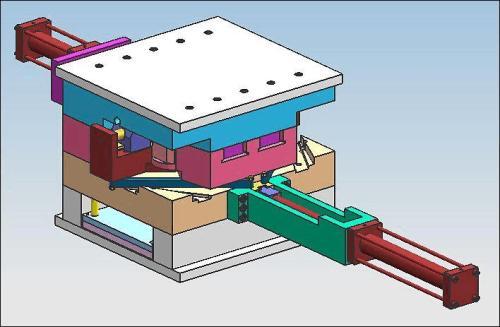
A plastic injection molding service is a manufacturing capability that produces plastic parts by injecting molten material into precisely crafted molds. The service typically includes:
- Design consultation : Reviewing part designs for manufacturability
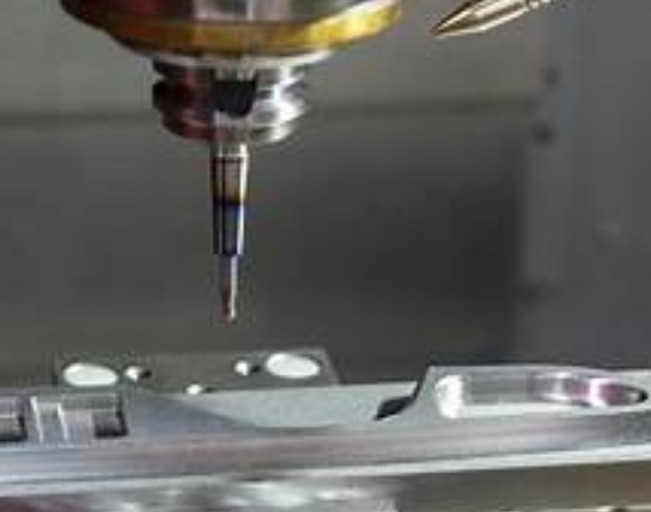
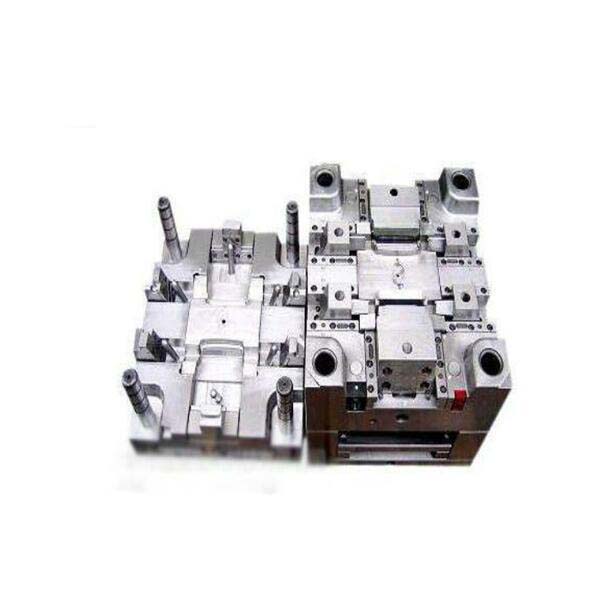
- Mold fabrication : Building steel or aluminum tools to the required specifications
- Production : Running parts on injection molding machines
- Post-processing : Trimming, assembly, finishing as needed
- Quality assurance : Inspecting and verifying parts meet specifications
The service model varies. Some providers specialize in high-volume production. Others focus on prototyping and low-volume runs. The right partner depends on your project’s needs.
How Does the Injection Molding Process Work?
The process follows six distinct stages. Each one affects the final part’s quality.
Step 1: Material Preparation
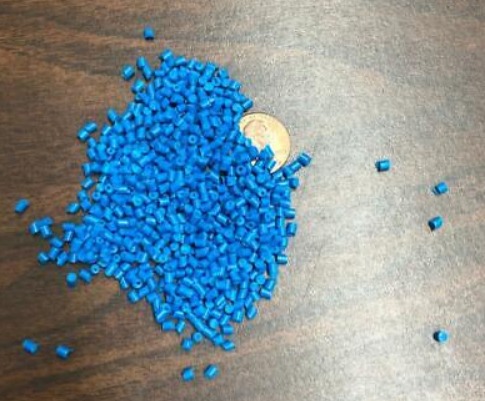
Plastic arrives as pellets or powder . The choice of material determines final properties. For automotive parts requiring strength and heat resistance, polycarbonate (PC) or nylon may be selected. For simple consumer products, polyethylene (PE) or polypropylene (PP) offer cost-effective solutions.
Drying is often required. Moisture causes bubbles and surface defects. Each material has specific drying requirements:
| Material | Drying Temp | Drying Time | Target Moisture |
|---|---|---|---|
| ABS | 80–90°C | 2–4 hours | <0.05% |
| Polycarbonate | 120°C | 3–4 hours | <0.02% |
| Nylon | 80°C | 4–6 hours | <0.10% |
| Polyethylene | Not typically required | — | — |
Step 2: Heating and Melting
Pellets feed into a heated barrel. A rotating screw moves them forward while heaters raise the temperature. The screw also generates friction, aiding melting.
Temperature control is critical . Different materials have different melting ranges:
- Polyethylene: 110–130°C
- Polypropylene: 160–170°C
- ABS: 220–260°C
- Polycarbonate: 260–300°C
Too low: incomplete melting, poor flow. Too high: degradation, discoloration, reduced properties.
Step 3: Injection
Once molten, the screw moves forward like a plunger. It forces the plastic through a nozzle into the closed mold.
Injection pressure typically ranges from 500–2,000 bar . Higher pressure fills complex details and thin walls. But too much pressure causes flash —excess plastic escaping between mold halves.
Injection speed affects flow patterns. Too slow risks incomplete filling. Too fast traps air, creating voids or surface defects.
Step 4: Cooling and Solidification
The mold contains cooling channels. Water, oil, or air circulates, drawing heat from the plastic.
Cooling determines final shape, dimensions, and properties. Cooling time depends on :
- Wall thickness (thicker = longer)
- Material properties
- Mold design
If cooling is uneven, parts warp . If cooling is too short, parts deform during ejection. For many parts, cooling accounts for 50–70% of total cycle time .
Step 5: Mold Opening and Ejection
Once cooled, the mold opens. Ejector pins push the part out.
Ejection design matters. Force must be distributed evenly. Too much force in one area leaves marks or breaks delicate features. Some parts use stripper plates for large, flat surfaces.
Step 6: Post-Processing
After ejection, parts may need additional work:
- Flash removal : Trimming excess material from parting lines
- Surface finishing : Polishing, sanding, or texturing
- Painting or coating : For aesthetics or protection
- Assembly : Joining multiple components
- Inspection : Verifying dimensions and quality
What Makes Injection Molding Services Valuable?
Precision and Consistency
Once a mold is qualified, every part matches the first. Tolerances as tight as ±0.01 mm are achievable. This consistency matters in industries where parts must fit together without variation.
Material Versatility
Injection molding works with hundreds of materials—each offering different properties:
| Material | Key Properties | Common Applications |
|---|---|---|
| ABS | Tough, impact-resistant, paintable | Electronics housings, toys |
| Polypropylene | Chemical-resistant, flexible, low cost | Containers, living hinges |
| Polycarbonate | Clear, impact-resistant, heat-resistant | Lenses, automotive parts |
| Nylon | Strong, wear-resistant | Gears, structural components |
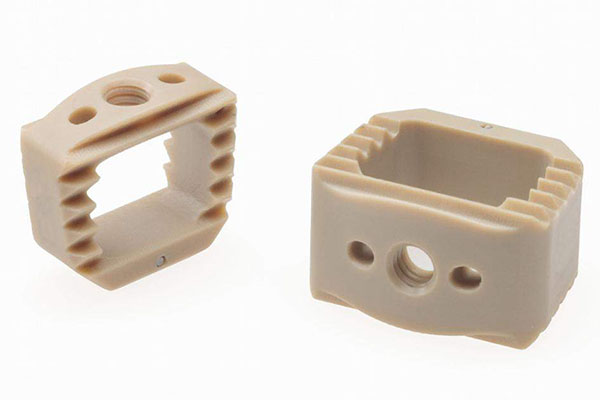
| PEEK | High-temperature, chemical-resistant | Aerospace, medical implants |
Cost-Effectiveness at Scale
The first part is expensive—molds cost $5,000 to $50,000 or more . But the 10,000th part costs pennies. For high-volume production, injection molding offers the lowest per-unit cost of any manufacturing process.
Design Freedom
Complex geometries, undercuts, thin walls, and integrated features are all achievable. Parts that would require multiple components with other processes become a single injection-molded piece—reducing assembly cost and improving reliability.
What Should You Look for in an Injection Molding Service Provider?
Technical Expertise
Does the provider understand material selection, mold design, and process optimization? A partner with deep expertise catches design issues before molds are built—saving time and money.
A manufacturer once brought a part design to a service provider. The provider’s engineer noted that sharp internal corners would cause stress concentrations. The design was modified before mold fabrication, preventing premature field failures.
Equipment Capabilities
What machines do they operate? Key factors:
- Tonnage range : Small parts need 50–200 ton presses; large parts need 500–2,000+ tons
- Precision capabilities : Can they hold your required tolerances?
- Material handling : Do they have dryers, temperature control, and clean material systems?
Quality Systems
ISO 9001 certification is a baseline. Look for:
- In-process inspection : Monitoring during production, not just after
- Measurement equipment : CMMs, optical comparators, gauges
- Documentation : Traceability and reporting
Capacity and Scalability
Can they handle your volume—now and as you grow? A provider with excess capacity can accommodate demand spikes. One operating at 95% capacity may struggle with lead times.
Communication
The best technical partner is useless if they don’t communicate clearly. Look for responsiveness, clear quoting, and realistic timelines.
Where Are Injection Molding Services Used?
Consumer Electronics
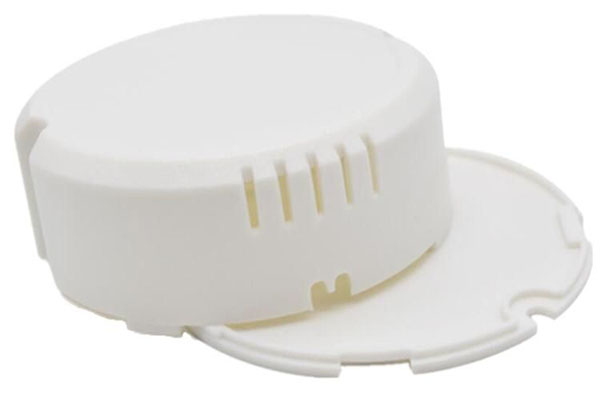
Phone cases, laptop housings, keyboard frames, and connectors. The industry demands precision and cosmetic quality in high volumes. A single smartphone model may require millions of units —injection molding delivers.
Automotive
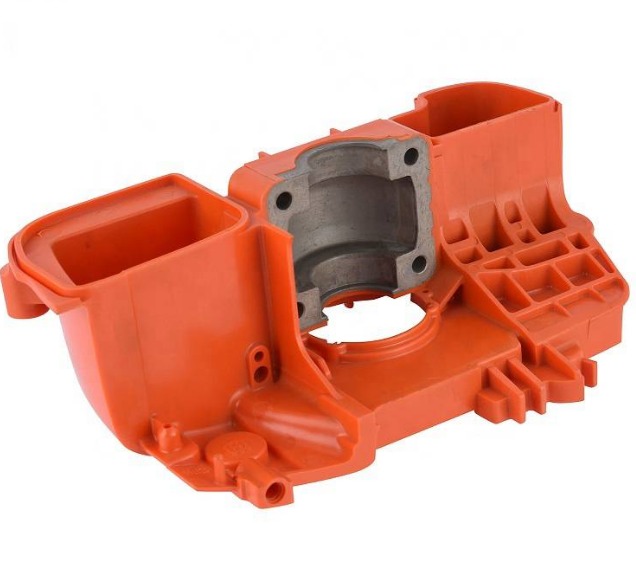
Dashboard components, light housings, interior trim, under-hood parts. Automotive parts must meet strict safety and durability standards. A mid-sized car contains hundreds of injection-molded components .
Medical Equipment
Syringes, device housings, surgical instrument handles, diagnostic equipment. Medical parts require biocompatible materials , cleanroom manufacturing, and rigorous quality documentation.
Daily Necessities
Bottle caps, kitchen utensils, storage containers, toys. These products account for billions of parts annually . Low cost per unit enables products that consumers buy without thinking about the manufacturing behind them.
What Are Common Misconceptions About Injection Molding Services?
"It’s Only for High Volume"
While injection molding excels at high volume, low-volume services exist . Aluminum molds cost less than steel and work for runs of 1,000–50,000 parts . Prototyping services can produce functional parts with simplified tooling .
"All Providers Are the Same"
They are not. Some specialize in micro-parts. Others focus on large components. Some excel at cosmetic parts; others prioritize structural integrity. Matching your project to a provider’s strengths matters.
"Plastic Is Plastic"
Material selection profoundly affects part performance. The wrong material leads to premature failure. A good service provider helps you select the right material for your application.
Yigu Technology's Perspective
At Yigu Technology , we’ve built our injection molding service around a simple idea: understand the customer’s application, then deliver parts that work in that application.
Our team brings decades of combined experience across materials—ABS for consumer electronics, nylon for automotive components, polycarbonate for medical housings, and PEEK for demanding aerospace applications. We don’t just run parts; we optimize processes to achieve the required tolerances, surface finishes, and material properties.
We handle projects from prototype to high-volume production . Our quality systems track every variable, ensuring consistency across runs. And we communicate clearly—so you know where your project stands at every stage.
Conclusion
Plastic injection molding services transform raw materials into the precision parts that surround us. The process combines material science, precision tooling, and process control to deliver components with consistency that other methods cannot match.
Understanding the process helps you make better decisions—whether you’re selecting materials, designing parts, or choosing a manufacturing partner. The right injection molding service delivers more than parts. It delivers reliability, quality, and the confidence that your product will perform as designed.
FAQ
What is the minimum order quantity for injection molding services?
Minimum order quantities vary by provider and part complexity. 1,000–5,000 units is common for production runs with standard molds. For prototyping or low-volume production, some services offer runs as low as 50–100 units using simplified tooling or aluminum molds.
How much does an injection mold cost?
Mold costs range from $5,000 for simple single-cavity molds to $50,000–$100,000 or more for complex multi-cavity molds with slides, lifters, and hot runners. The cost depends on part size, complexity, steel quality, and expected production volume.
What materials can be used in injection molding?
Hundreds of thermoplastics are available. Common materials include ABS, polypropylene, polycarbonate, nylon, acrylic, PEEK, and polyethylene. Material selection depends on required strength, temperature resistance, chemical resistance, flexibility, and cost.
How long does the injection molding process take?
Cycle time per part ranges from 10 seconds to 2 minutes , depending on part size and material. Total project timeline—from mold design to production—typically runs 4–12 weeks , with complex molds requiring longer lead times.
What industries use injection molding services?
Injection molding serves nearly every industry: consumer electronics, automotive, medical, aerospace, packaging, consumer goods, and industrial equipment. Any product requiring precision plastic components in volume likely uses injection molding.
Contact Yigu Technology for Custom Manufacturing
At Yigu Technology , we provide precision plastic injection molding services for clients across industries. Our team handles everything from design review to production, ensuring your parts meet specifications. We work with a wide range of materials—from standard ABS to high-performance PEEK—and volumes from prototype to high-volume production. Contact us today to discuss your injection molding project.