The terms polyamide and nylon are often used interchangeably. But in materials science, they are not quite the same. Understanding the distinction helps you select the right material for your application—whether you need high-temperature resistance, moisture stability, or cost-effective performance.
This guide clarifies the relationship between polyamide and nylon. You will learn their chemical structures, key properties, performance differences, and where each excels. Based on real manufacturing experience, this information helps engineers, designers, and buyers make better material decisions.
What Is Polyamide and How Does It Relate to Nylon?
The Polymer Family Tree
Polyamide is a broad class of polymers defined by repeating amide linkages (-NHCO-) in their molecular backbone. This structure gives polyamides their characteristic strength, durability, and chemical resistance.
Nylon is a subset of polyamide. Specifically, nylon refers to aliphatic polyamides—those with linear chains and no aromatic rings. Every nylon is a polyamide, but not every polyamide is a nylon.
Think of it this way:
- Polyamide = the entire family
- Nylon = one branch of the family (aliphatic types)
- Semi-aromatic and aromatic polyamides = other branches with different properties
Classification Breakdown
| Type | Structure | Examples | Key Characteristics |
|---|---|---|---|
| Aliphatic Polyamides (Nylons) | Linear chains, no aromatic rings | Nylon 6, Nylon 66 | Flexible, tough, cost-effective |
| Semi-Aromatic Polyamides | Aliphatic + aromatic segments | PA6T, PA4T, PA9T | Higher heat resistance, lower moisture absorption |
| Aromatic Polyamides | Fully aromatic rings | Kevlar®, Nomex® | Extremely strong, flame resistant |
How Nylons Are Named
Nylon names indicate carbon atom count. Nylon 66 comes from hexamethylenediamine (6 carbons) and adipic acid (6 carbons). Nylon 6 comes from caprolactam (6 carbons in a ring structure). The naming convention helps identify the polymer’s origin and, to some extent, its properties.
What Are the Key Chemical Differences?
Molecular Structure
Nylon 6 forms through ring-opening polymerization of caprolactam. The result is a polymer chain where the repeating unit has one orientation.
Nylon 66 forms through condensation of a diamine and a diacid. The chain alternates between the two monomer types, creating a more ordered structure.
This structural difference affects:
- Melting point
- Crystallinity
- Moisture absorption
- Mechanical properties
Semi-aromatic polyamides incorporate aromatic rings into the backbone. These rings restrict chain movement, raising the glass transition temperature and improving heat resistance. The trade-off is often higher cost and more difficult processing.
Synthesis Comparison
| Material | Synthesis Method | Byproduct |
|---|---|---|
| Nylon 6 | Ring-opening polymerization | None |
| Nylon 66 | Condensation | Water |
| Semi-aromatic PA | Condensation | Water or other small molecules |
How Do Their Physical Properties Compare?
Melting Point and Heat Resistance
Melting point determines processing temperature and upper service limit.
| Material | Melting Point (°C) | Continuous Service Temperature |
|---|---|---|
| Nylon 6 | 220–225 | 80–100 |
| Nylon 66 | 255–265 | 100–120 |
| PA6T (semi-aromatic) | 280–320 | 150–180 |
| Kevlar® | >500 (decomposes) | 200+ |
The higher melting points of semi-aromatic polyamides make them suitable for under-hood automotive components, high-temperature electronics, and industrial parts exposed to heat.
Mechanical Strength
Tensile strength varies across the polyamide family:
| Material | Tensile Strength (MPa) | Notes |
|---|---|---|
| Nylon 6 | 75–85 | Good balance of properties |
| Nylon 66 | 80–90 | Higher strength than Nylon 6 |
| Glass-filled Nylon 66 | 150–200 | Reinforced for structural applications |
| Semi-aromatic PA | 100–130 | Higher strength unfilled |
| Kevlar® | 2,700–3,600 | Exceptional strength-to-weight ratio |
Nylon 66 typically offers 10–15% higher tensile strength than Nylon 6. This makes it preferred for load-bearing applications like gears and structural components.
Water Absorption and Dimensional Stability
Moisture absorption affects dimensional stability and mechanical properties. Nylon absorbs water from the atmosphere, which acts as a plasticizer—increasing flexibility but reducing strength and stiffness.
| Material | Equilibrium Water Absorption (%) | Impact on Properties |
|---|---|---|
| Nylon 6 | 3.5 | Swells significantly, properties change |
| Nylon 66 | 1.5 | Moderate swelling, more stable |
| Semi-aromatic PA | <0.5 | Minimal swelling, stable dimensions |
| Kevlar® | <1.0 | Minimal effect |
For precision components in humid environments, Nylon 66 or semi-aromatic polyamides are better choices. Nylon 6 may require design compensation for moisture-induced dimensional changes.
Impact Resistance
Notched Izod impact strength measures toughness:
| Material | Impact Strength (J/m) |
|---|---|
| Nylon 6 (unfilled) | 65 |
| Nylon 66 (unfilled) | 80 |
| Glass-filled Nylon 66 | 200+ |
| Semi-aromatic PA (filled) | 200–300 |
Filled materials (with glass fiber or other reinforcements) dramatically increase impact strength. However, they become more brittle in thin sections and may require different processing conditions.
What Are the Performance Trade-Offs?
Heat Resistance: Semi-Aromatic vs. Aliphatic
In high-temperature applications, semi-aromatic polyamides outperform standard nylons. A PA6T component maintains structural integrity at 150–180°C, while Nylon 66 softens above 120°C.
Real example: An automotive manufacturer needed a material for an engine cover exposed to 140°C continuous temperature. Nylon 66 failed within 1,000 hours. PA6T passed 5,000-hour testing with no significant property loss.
Moisture Sensitivity: Nylon 6 vs. Nylon 66
Nylon 6 absorbs more than twice the moisture of Nylon 66. In a humid environment (85% relative humidity), Nylon 6 dimensions can change by 0.5–1.0% . Nylon 66 changes by 0.2–0.4% .
For precision gears operating in uncontrolled humidity, Nylon 66 provides better dimensional stability. For textile applications where flexibility matters, Nylon 6’s higher moisture absorption may be acceptable or even beneficial.
Cost Considerations
| Material | Relative Cost | Manufacturing Ease |
|---|---|---|
| Nylon 6 | $ | Easy, lower melt temperature |
| Nylon 66 | $$ | Moderate, higher melt temperature |
| Semi-aromatic PA | $$$ | More difficult, requires higher processing temperatures |
| Aromatic PA (Kevlar®) | $$$$ | Specialized processing |
Nylon 6 offers the lowest cost and easiest processing. Nylon 66 costs slightly more but provides better heat and moisture resistance. Semi-aromatic polyamides cost significantly more but enable applications that standard nylons cannot serve.
Where Is Each Material Used?
Automotive Applications
Nylon 66:
- Transmission gears
- Airbag components
- Interior trim
- Electrical connectors
- Fuel system components
Nylon 6:
- Engine covers (lower-temperature areas)
- Cooling fans
- Intake manifolds (glass-filled)
Semi-aromatic PA:
- Engine covers (high-temperature zones)
- Turbocharger components
- Exhaust system parts
- High-temperature electrical connectors
A major automotive supplier replaced a metal bracket with glass-filled PA6T, reducing weight by 60% while maintaining strength at 160°C operating temperature.
Textile and Apparel
Nylon fibers dominate performance apparel. Nylon 6 and Nylon 66 are both used, with different advantages:
| Application | Preferred Material | Reason |
|---|---|---|
| Sportswear | Nylon 6 | Flexibility, cost |
| Swimwear | Nylon 66 | Better wet strength, chlorine resistance |
| Carpets | Nylon 66 | Superior abrasion resistance |
| Outdoor gear | Nylon 66 | Better UV resistance |
Polyamide blends combine with wool for durability or polyester for wrinkle resistance. A 20% nylon blend with wool increases fabric abrasion resistance by 50–100% compared to pure wool.
Electronics and Electrical
Flame-retardant polyamides are essential for safety-critical components:
- Connectors (V-0 rated materials)
- Circuit board components
- Switch housings
- Relay bases
Nylon insulation protects wires and cables:
- Automotive wiring harnesses
- Industrial control cables
- Appliance wiring
The combination of electrical insulation properties, mechanical strength, and flame resistance makes polyamides preferred materials in this sector.
Industrial and Mechanical
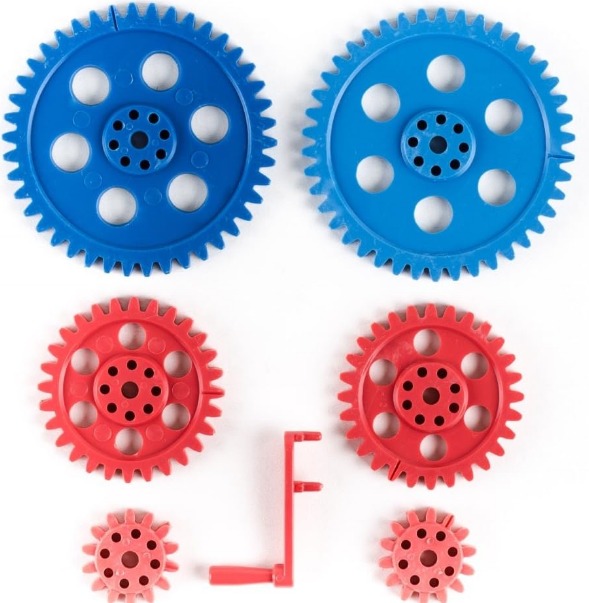
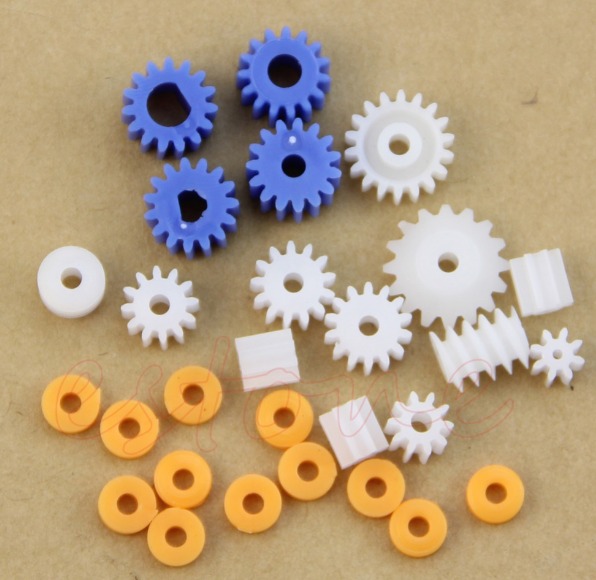
Nylon gears and bearings:
- Self-lubricating
- Quiet operation
- Wear resistant
- Lower cost than metal
Semi-aromatic polyamide components:
- Chemical processing equipment
- High-temperature bearings
- Compressor components
- Pump housings
A chemical plant replaced stainless steel pump components with semi-aromatic polyamide. The polymer parts resisted corrosion better and lasted three times longer in aggressive chemical environments.
How Do You Choose Between Polyamide and Nylon?
Decision Framework
Start with your application requirements:
| Priority | Recommended Material | Rationale |
|---|---|---|
| Lowest cost, easy processing | Nylon 6 | Affordable, widely available, good all-around properties |
| Higher strength, better moisture resistance | Nylon 66 | Stronger, more stable in humid conditions |
| High temperature (>120°C) | Semi-aromatic PA | Maintains properties at elevated temperatures |
| Extreme strength, flame resistance | Aromatic PA (Kevlar®) | Exceptional performance, higher cost |
| Chemical resistance | Specialized polyamide grades | Formulated for specific chemical exposure |
When to Choose Nylon
Choose nylon (aliphatic polyamides) when:
- Cost is a primary consideration
- Operating temperatures stay below 100°C
- Moisture exposure is moderate or can be accommodated
- Flexibility and toughness are important
- High-volume production benefits from easier processing
A consumer goods manufacturer chose Nylon 6 for a line of combs and brushes. The material provided sufficient strength, excellent surface finish, and low cost for mass production.
When to Choose Semi-Aromatic Polyamide
Choose semi-aromatic polyamides when:
- Continuous operating temperatures exceed 120°C
- Dimensional stability in humid environments is critical
- Chemical resistance requirements are demanding
- Long-term reliability at elevated temperatures is required
An aerospace component requiring 180°C continuous service switched from Nylon 66 to PA6T. The new material passed thermal cycling tests that the previous material failed.
When to Choose Aromatic Polyamide (Kevlar®-type)
Choose aromatic polyamides when:
- Extreme strength-to-weight ratio is needed
- Flame resistance is critical
- Applications involve ballistic protection or high-impact scenarios
- High-temperature stability above 200°C is required
These materials typically require specialized processing and are reserved for demanding applications where cost is secondary to performance.
What Are the Processing Considerations?
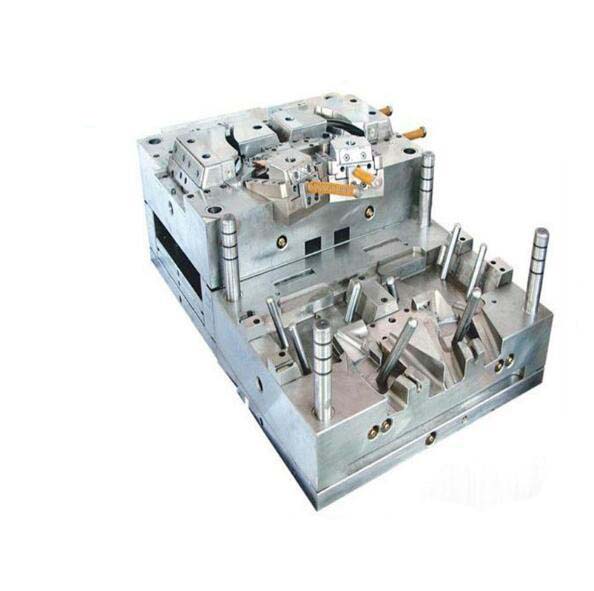
Injection Molding
Nylon 6 and Nylon 66 are readily injection molded. Key parameters:
| Parameter | Nylon 6 | Nylon 66 |
|---|---|---|
| Melt temperature | 230–280°C | 280–310°C |
| Mold temperature | 40–80°C | 60–100°C |
| Drying required | Yes (4–6 hrs at 80°C) | Yes (4–8 hrs at 80°C) |
Moisture control is critical. Nylon absorbs moisture rapidly. Inadequate drying causes splay marks, voids, and reduced mechanical properties.
Semi-aromatic polyamides require higher processing temperatures (320–350°C) and more specialized equipment. Mold design must account for higher shrinkage and different flow characteristics.
Machining
Cast nylon and polyamide shapes machine well with sharp carbide tools. Coolant helps prevent heat buildup that can cause melting or smearing.
Conclusion
Polyamide is the broad family. Nylon is the aliphatic branch. Understanding this relationship helps you select the right material for your application.
Nylon 6 offers the best cost and easiest processing. It works well for general-purpose applications where temperatures stay below 100°C.
Nylon 66 provides higher strength and better moisture resistance. It is preferred for automotive, industrial, and precision applications.
Semi-aromatic polyamides deliver superior heat resistance and dimensional stability. They enable applications that standard nylons cannot serve.
Aromatic polyamides provide exceptional strength and flame resistance for the most demanding applications.
Match the material to your requirements. Consider operating temperature, moisture exposure, mechanical loads, and cost constraints. The right choice ensures reliable performance without over-specifying or risking failure.
Frequently Asked Questions
What is the main difference between polyamide and nylon?
Polyamide is the broader class of polymers containing amide linkages. Nylon refers specifically to aliphatic polyamides—the most common type. All nylons are polyamides, but not all polyamides are nylons. Semi-aromatic and aromatic polyamides have different properties.
Which is better: Nylon 6 or Nylon 66?
It depends on the application. Nylon 66 has higher tensile strength (80–90 MPa vs. 75–85 MPa), higher melting point (265°C vs. 225°C), and lower moisture absorption (1.5% vs. 3.5%). Nylon 6 costs less and processes more easily. Choose Nylon 66 for higher-strength, higher-temperature applications. Choose Nylon 6 for cost-sensitive, easier-processing applications.
Why does nylon absorb water and how does it affect performance?
The amide groups in nylon are polar and attract water molecules. Absorbed water acts as a plasticizer—increasing flexibility and impact strength but decreasing tensile strength and stiffness. It also causes dimensional swelling (0.2–1.0% depending on grade and humidity). For precision applications, account for this in design or choose lower-moisture grades like Nylon 66 or semi-aromatic polyamides.
Can nylon be used for high-temperature applications?
Standard nylons (Nylon 6 and Nylon 66) are suitable up to 100–120°C continuous service. For higher temperatures, consider semi-aromatic polyamides (PA6T, PA9T) that maintain properties up to 180°C. For extreme temperatures, aromatic polyamides like Kevlar® handle even higher temperatures but require specialized processing.
How do I choose between nylon and semi-aromatic polyamide?
Choose nylon for applications under 100°C where cost is important. Choose semi-aromatic polyamide when operating temperatures exceed 120°C, dimensional stability in humid environments is critical, or chemical resistance requirements are demanding. Semi-aromatic polyamides cost significantly more but enable applications that standard nylons cannot serve.
Contact Yigu Technology for Custom Manufacturing
Need help selecting the right polyamide or nylon for your application? At Yigu Technology, we work with the full range of polyamide materials—from standard nylons to high-performance semi-aromatic grades. Our engineering team helps you match material properties to your application requirements.
Whether you need injection-molded components, precision-machined parts, or custom formulations, we have the expertise to deliver. Contact us today to discuss your project.