Introduction
You have an idea. A new product. A better design. But an idea alone does not become a successful product. It needs testing. Refinement. Validation. Prototype machining services bridge the gap between concept and mass production, turning digital designs into physical parts that can be evaluated, improved, and proven.
From the consumer electronics startup developing a sleek new device to the automotive manufacturer engineering next-generation components, prototype machining is the first physical step toward market success. It reduces development time, cuts costs, and improves product quality by identifying issues early—before expensive tooling and production begin.
This guide explores how prototype machining services impact product development, the common techniques used, real-world applications, and how to choose the right service provider.
What Are Prototype Machining Services?
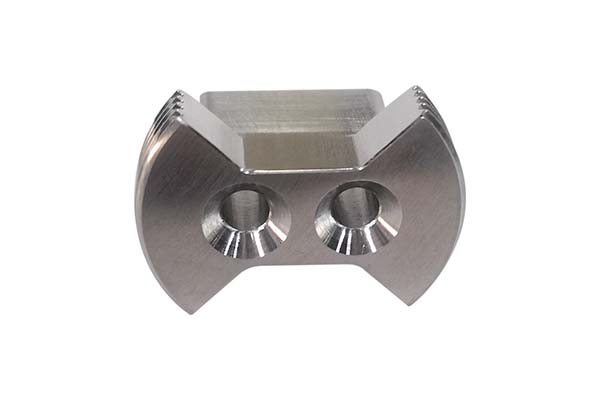
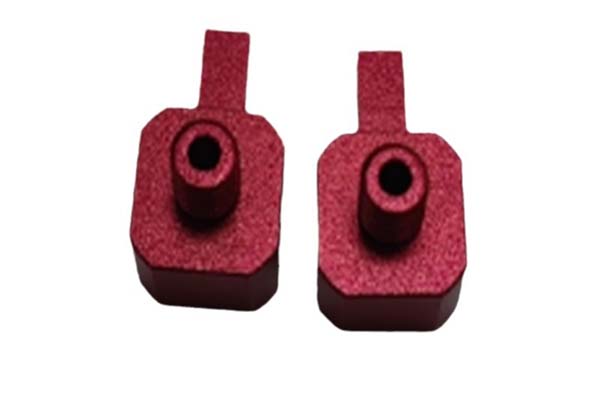
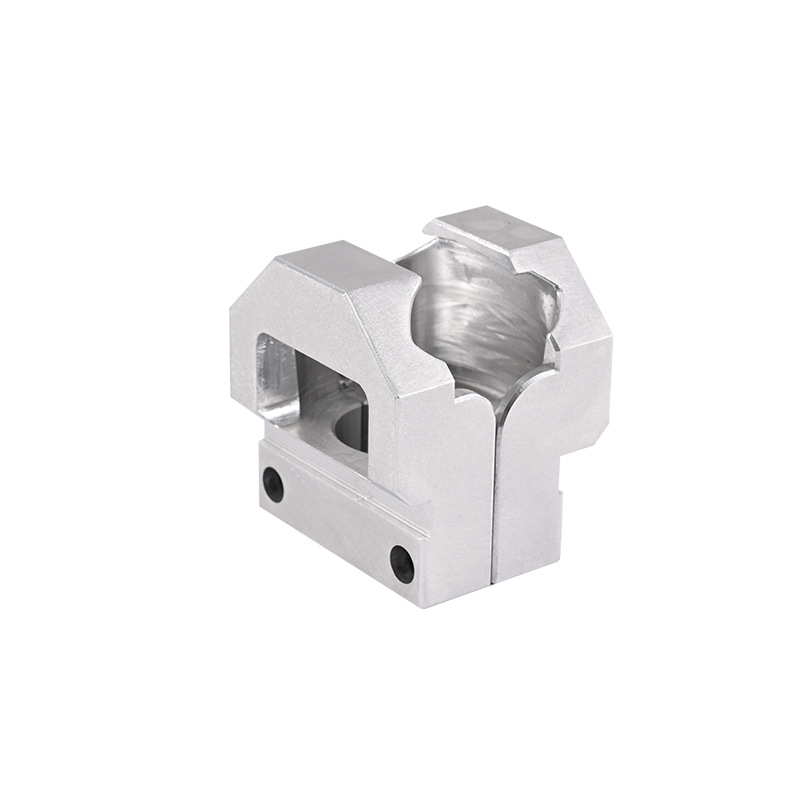
Prototype machining services encompass manufacturing processes used to create preliminary models or samples of a product. These prototypes represent the final design, allowing designers, engineers, and clients to evaluate form, fit, and function before full-scale production.
Why Prototyping Matters
| Purpose | Benefit |
|---|---|
| Design validation | Verify that the design works as intended |
| Functional testing | Test performance under real-world conditions |
| Ergonomics evaluation | Ensure user comfort and usability |
| Assembly verification | Confirm that parts fit together correctly |
| Risk reduction | Identify flaws before tooling; avoid costly changes |
Analogy: Like building a small-scale model of a house before construction—checking room layouts, structural feasibility, and design flaws before pouring concrete.
What Common Machining Techniques Are Used?
Prototype machining employs several techniques, each with distinct advantages.
CNC Machining
| Aspect | Details |
|---|---|
| Process | Computer-controlled cutting; removes material from solid block |
| Precision | Tolerances as tight as ±0.001 inches |
| Materials | Wide range—metals (aluminum, steel, titanium), plastics |
| Best for | Functional prototypes requiring material properties matching final parts |
Example: In aerospace, CNC machining creates complex engine components with tight tolerances—essential for safety and performance.
3D Printing (Additive Manufacturing)
| Aspect | Details |
|---|---|
| Process | Builds objects layer by layer from digital model |
| Precision | Varies by printer technology |
| Materials | Plastics, metals, ceramics; expanding range |
| Best for | Complex geometries; design freedom; rapid iteration |
Example: Medical field—3D printing creates custom-fit prosthetics from patient scan data, enabling personalized, comfortable fits.
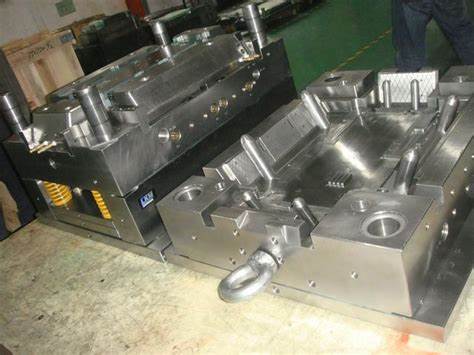
Injection Molding
| Aspect | Details |
|---|---|
| Process | Molten material injected into mold cavity; cools and solidifies |
| Precision | High; consistent quality |
| Materials | Primarily plastics |
| Best for | High-volume prototypes; parts with fine details |
Example: Consumer electronics—smartphone cases prototyped via injection molding to test fit, finish, and functionality.
Sheet Metal Fabrication
| Aspect | Details |
|---|---|
| Process | Cutting, bending, assembling flat metal sheets |
| Precision | Moderate |
| Materials | Metals |
| Best for | Lightweight, strong parts; automotive and appliance components |
Example: Car body panels—sheet metal fabrication allows customization through changing cutting and bending patterns.
Technique Comparison
| Technique | Precision | Material Options | Complexity | Production Speed (High-Volume) | Initial Cost |
|---|---|---|---|---|---|
| CNC Machining | High (±0.001 in) | Wide (metals, plastics) | High | Medium-High | Medium-High |
| 3D Printing | Varies | Growing range | Very high | Low | Low-Medium |
| Injection Molding | High | Primarily plastics | High | High | High (mold cost) |
| Sheet Metal Fabrication | Moderate | Metals | Moderate | Medium | Low-Medium |
How Do Prototype Machining Services Impact Industries?
Real-world examples demonstrate the transformative power of prototyping.
Automotive Industry: Tesla Model Y
Challenge: Developing a new vehicle chassis with multiple components.
Solution: Tesla used 3D printing to integrate 70 different parts into a single rear chassis component.
Results:
- Simplified production process
- Reduced vehicle weight
- Improved energy efficiency
- 30–40% reduction in development time (industry estimate for typical automotive components)
Process: Multiple prototypes tested with different materials and geometries to optimize performance before mass production.
Medical Device Industry: Arthroscopic Surgical Device
Challenge: Developing a new surgical instrument requiring high precision and rigorous testing.
Solution:
- Initial prototype: 3D printing to test basic design concept quickly
- Advanced prototypes: CNC machining to achieve strength, durability, and tolerances (±0.0005 inches for critical components)
Results:
- 25% reduction in development time
- 20% cost reduction compared to traditional methods
- Rigorous testing in simulated surgical environments
- Iterative refinement based on surgeon feedback
Consumer Electronics Industry: Smartphone Design
Challenge: Reducing device thickness while maintaining performance and battery capacity.
Solution:
- Injection molding: Prototyping casings to test fit, finish, camera placement, button responsiveness
- CNC machining: Prototyping internal components (motherboard) to optimize layout and heat dissipation
Results:
- 10% thickness reduction while maintaining battery capacity and performance
- 50% reduction in design-related production issues
- Smoother mass-production process
What Are the Benefits of Prototype Machining in Product Development?
Prototype machining delivers measurable advantages across the development cycle.
Design Validation and Testing
| Benefit | Impact |
|---|---|
| Form verification | Ensure physical dimensions match design specifications |
| Fit testing | Confirm parts assemble correctly |
| Function validation | Test performance under real-world conditions |
| Ergonomics evaluation | Improve user experience |
Risk reduction: Identifying and fixing design flaws during prototyping prevents costly changes during mass production.
Iterative Refinement
Prototyping enables rapid iteration:
- Create prototype
- Test and evaluate
- Identify improvements
- Refine design
- Create next prototype
- Repeat as needed
Result: Optimized designs that meet performance, manufacturability, and user requirements.
Cost and Time Savings
| Factor | Savings |
|---|---|
| Development time | 30–40% reduction (automotive); 25% reduction (medical) |
| Development cost | 20% reduction (medical device case) |
| Production issues | 50% reduction in design-related issues (consumer electronics) |
How: Early detection of flaws prevents expensive tooling changes, rework, and production delays.
Material and Process Validation
Prototyping confirms that:
- Selected materials perform as expected
- Manufacturing processes are feasible
- Production methods can achieve required tolerances
How Do You Choose the Right Prototype Machining Service Provider?
Selecting the right partner ensures your prototypes meet quality, timeline, and budget requirements.
Factors to Consider
| Factor | What to Look For |
|---|---|
| Equipment and technology | State-of-the-art CNC machines; multi-axis capability; diverse 3D printing technologies (FDM, SLA, SLS) |
| Experience and expertise | Industry-specific experience (medical, aerospace, automotive); portfolio of past projects; understanding of regulatory requirements |
| Cost-effectiveness | Compare quotes; consider hidden costs (finishing, tooling changes, rush orders); evaluate value, not just price |
| Turnaround time | Ability to meet deadlines; expedited services available; balance speed with quality |
Evaluating Quality
| Quality Indicator | What to Check |
|---|---|
| Inspection procedures | Use of CMM (Coordinate Measuring Machines); dimensional verification against specifications |
| Material quality | Sourcing from reliable suppliers; material certificates (alloy type, mechanical properties) |
| Surface finish | Ability to achieve required finish (polishing, sandblasting, electroplating); inspect previous work samples |
CMM example: If design requires a 5 ±0.05 mm hole diameter, CMM verifies that actual dimensions fall within tolerance.
Conclusion
Prototype machining services are integral to successful product development. They offer:
- Cost-effective validation: Identify flaws before tooling; reduce expensive changes
- Efficient refinement: Rapid iteration improves designs
- Time savings: 30–40% reduction in development time in automotive; 25% in medical
- Quality improvement: 50% reduction in design-related production issues in consumer electronics
From 3D printing for complex geometries to CNC machining for functional prototypes with material properties matching final parts, the right technique—and the right service provider—accelerates time to market while reducing risk.
When selecting a prototyping partner, evaluate equipment, experience, cost-effectiveness, turnaround time, and quality procedures. The result is a prototype that accurately represents your final product—and a development process that brings innovative ideas to market faster and with greater confidence.
FAQs
What is the most cost-effective prototype machining technique for a small-scale project?
For small-scale projects, 3D printing is often the most cost-effective. Initial equipment investment is low, and it does not require expensive tooling like injection molding. However, if the prototype requires high-strength materials and tight tolerances, CNC machining may be a better choice despite higher upfront cost.
How long does it typically take to get a prototype from a machining service provider?
Turnaround time varies by complexity, technique, and provider workload:
- Simple 3D-printed prototypes: a few days
- Complex CNC-machined prototypes: 1–2 weeks
- Injection-molded prototypes: 2–4 weeks (including mold creation)
Can prototype machining services help improve product functionality?
Yes. Prototyping enables functional testing in real-world scenarios. By creating physical prototypes, you can identify design flaws, test performance, and make adjustments to enhance usability, performance, and overall functionality—before committing to mass production.
What is the difference between 3D printing and CNC machining for prototyping?
3D printing builds parts layer by layer from a digital model—ideal for complex geometries, rapid iteration, and low-cost initial prototypes. CNC machining removes material from solid stock—ideal for functional prototypes requiring material properties (strength, thermal characteristics) matching final production parts, and achieving tighter tolerances.
How do I evaluate the quality of a prototype machining service provider?
Evaluate equipment (state-of-the-art CNC, multi-axis, diverse 3D printing), experience (industry-specific expertise; portfolio), inspection procedures (CMM use; dimensional verification), material quality (certificates; reliable sourcing), and surface finish (ability to meet requirements; previous work samples).
Contact Yigu Technology for Custom Manufacturing
At Yigu Technology, we specialize in prototype machining services for aerospace, medical, automotive, and consumer electronics industries. With 15 years of experience, advanced CNC machining, 3D printing, and injection molding capabilities, and ISO 9001 certification, we deliver prototypes that accelerate your product development.
Our team helps you select the right technique for your application—from quick 3D-printed concept models to functional CNC-machined prototypes with final-material properties. Contact us today to discuss your prototyping project.