Introduction
In modern manufacturing, machining products stand as the cornerstone, playing an indispensable role across a multitude of industries. Machining—a fundamental manufacturing process—involves removing material from a workpiece to achieve desired shape, size, and precision. This process is crucial not only for creating individual components but also for ensuring seamless integration and optimal performance of complex systems. From high-performance components in aerospace to precise parts in medical fields, machining products are the backbone of modern technology. This guide explores the different types of machining products —turned parts, milled parts, sheet metal fabrications, precision castings, and forgings—and their diverse applications across automotive, aerospace, medical, electronics, and other industries.
What Are Turned Parts and Components?
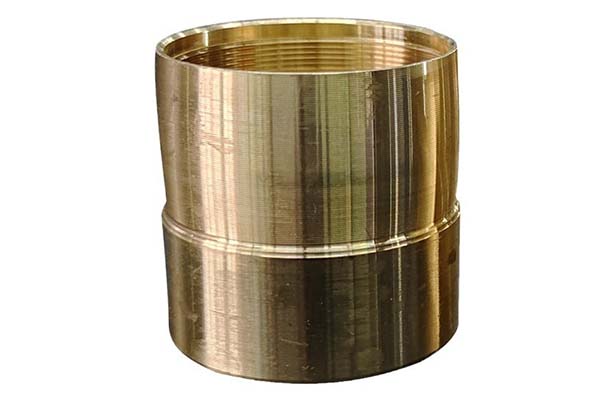
Turned parts are produced through a lathe-based process. The workpiece rotates on a lathe while a cutting tool removes excess material to achieve the desired shape—highly effective for creating parts with rotational symmetry.
| Product Type | Description | Applications |
|---|---|---|
| Shafts | Transmit power and motion | Engines, transmissions, mechanical systems |
| Pins | Alignment and connection | Assemblies, fastening applications |
| Cylindrical components | Rotational symmetry | Bearings, bushings, rollers |
Key advantage: High precision in cylindrical geometries; critical for power transmission where smooth rotation and alignment are essential.
What Are Milled Parts and Structures?
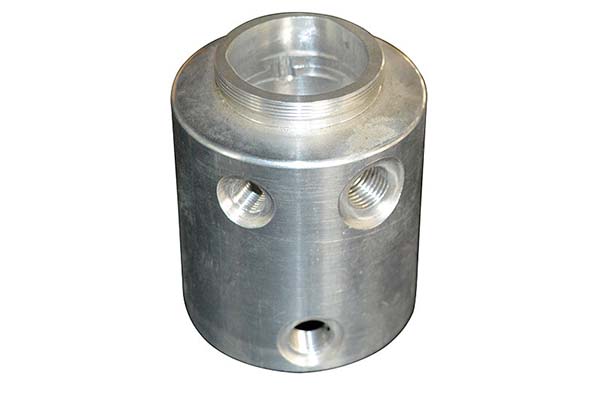
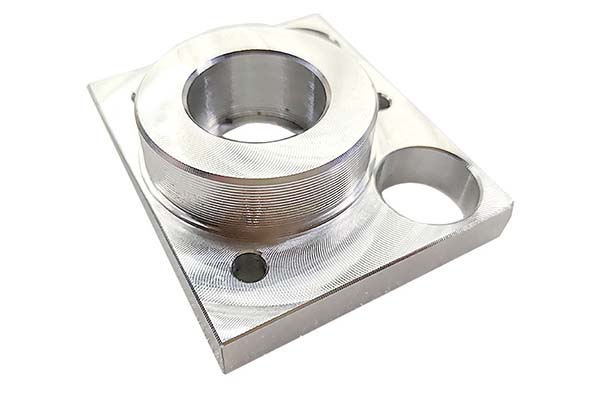
Milling uses a rotating cutting tool to remove material from a stationary workpiece—highly versatile for creating complex shapes, housings, and structural components.
| Cutter Type | Best For |
|---|---|
| End mills | Pockets, slots |
| Ball-nose mills | Curved surfaces |
Applications: Complex housings for electronics, structural brackets, mold cavities, and components requiring flat surfaces, slots, and contoured features.
What Are Sheet Metal Fabrications?
Sheet metal fabrication involves cutting, bending, and assembling thin metal sheets into various structures and components.
| Process | Method | Best For |
|---|---|---|
| Cutting | Laser cutting (intricate shapes), water jet cutting (wide range of materials, thick sheets), die-cutting | Precision cutting |
| Bending | Bending machines apply force at specific points | Creating angles, channels |
| Assembly | Welding, riveting, screws, bolts | Joining components |
Applications: Car body panels, enclosures, housings, brackets, and structural components where lightweight yet strong structures are needed.
What Are Precision Castings and Forgings?
| Process | Description | Advantages |
|---|---|---|
| Precision casting | Molten metal poured into mold; investment casting (lost-wax): wax pattern coated with ceramic shell, wax melted out, metal poured | Complex shapes with high precision; excellent surface finish |
| Forging | Metal shaped by compressive forces; heated metal hammered or pressed into dies | Improves grain structure; stronger, more durable parts |
Applications: Aerospace engine casings, structural brackets, turbine blades, high-strength automotive components, and parts requiring superior mechanical properties.
Where Are Machining Products Applied?
Automotive and Transportation
| Component | Process | Impact |
|---|---|---|
| Crankshafts | Precision turning | Converts linear piston motion to rotational power; high-precision turning improves fuel efficiency 5–8% (International Council on Clean Transportation) |
| Engine blocks | Milling | Houses cylinders, coolant passages, oil galleries; V-8 engine block milling ensures cylinder bores aligned within thousandths of an inch—prevents misfires, reduces emissions |
| Car body panels | Sheet metal fabrication | Aerodynamic requirements; 10% reduction in aerodynamic drag improves fuel economy 5–7% (Society of Automotive Engineers) |
| Axles, drive shafts | Turning, forging | Withstand heavy loads, long-distance driving—critical for reliability and safety |
Aerospace and Defense
| Component | Process | Requirements |
|---|---|---|
| Turbine blades | Precision casting, milling | Withstand extreme temperatures, rotational speeds; single blade can cost hundreds of thousands of dollars |
| Engine shafts | Turning | Transfer rotational power; precision vital for balance—imbalance causes vibrations damaging engine, compromising safety |
| Wing spars | Milling | Main structural support; lightweight yet strong; fighter jets require wing spars withstand high-G forces during combat maneuvers |
| Engine casings, structural brackets | Precision casting | Complex shapes, high precision; ensure perfect fit, performance |
Medical and Dental
| Application | Process | Requirements |
|---|---|---|
| Hip and knee implants | Precision machining (titanium alloy) | Biocompatible; precisely shaped to match patient anatomy; smooth surface reduces friction, wear; >1 million hip/knee replacements annually in US (American Academy of Orthopaedic Surgeons) |
| Surgical instruments | Precision machining | Forceps, scalpels, drills—ensure accurate, safe procedures; sharp scalpels reduce infection risk, promote faster healing |
| Dental implants, crowns, bridges | CAD/CAM milling | Perfect fit, natural appearance; digital scan → CAD design → CAM milling |
Electronics and Semiconductor
| Component | Process | Requirements |
|---|---|---|
| Circuit board housings | Sheet metal fabrication, milling | Protection for delicate components; compact, lightweight; proper ventilation, electromagnetic interference protection |
| Semiconductor equipment components | Precision machining | Wafer processing tools (lithography, etching)—stages flat and precise to nanometers; lithography lenses/mirrors—error leads to defective chips, significant losses |
| Heat sinks | Machined custom components | Dissipate heat; shape, size, machining quality affect effectiveness—prevents overheating, improves performance, reliability |
Conclusion
Machining products are the cornerstone of modern manufacturing, with diverse types and wide-ranging applications. Turned parts (shafts, pins, cylindrical components) provide rotational symmetry for power transmission. Milled parts (complex housings, structural brackets) enable complex shapes, pockets, slots, and contoured surfaces. Sheet metal fabrications (car body panels, enclosures) create lightweight yet strong structures through cutting, bending, assembly. Precision castings and forgings deliver complex shapes with high precision (investment casting) and improved grain structure for superior strength (forging). Applications span automotive (crankshafts improve fuel efficiency 5–8%; engine blocks ensure cylinder alignment; 10% drag reduction improves fuel economy 5–7%), aerospace (turbine blades withstand extreme conditions; wing spars provide structural support for high-G maneuvers), medical (>1 million annual hip/knee replacements require biocompatible, precisely shaped implants; CAD/CAM dental restorations ensure perfect fit), and electronics (nanometer-precision semiconductor components; custom heat sinks prevent overheating). Choosing the right machining process—based on material, desired geometry, tolerance requirements, and production volume—is essential. The wrong choice can lead to increased costs, longer lead times, and lower-quality products.
FAQs
What are the main differences between turned parts and milled parts?
Turned parts are produced on lathes with rotating workpieces—ideal for cylindrical, rotationally symmetric components (shafts, pins, bushings). Milled parts are produced on milling machines with rotating cutting tools—ideal for complex shapes, flat surfaces, pockets, slots, and contoured features (housings, brackets, molds).
When should you choose precision casting over forging?
Choose precision casting for complex shapes with high precision requirements—components with internal cavities, intricate details, or where near-net shape manufacturing reduces material waste. Choose forging when superior mechanical properties are required—components subjected to high stress, impact loads, or requiring improved grain structure for strength and durability.
How does machining precision affect product performance in different industries?
Automotive: High-precision crankshafts improve fuel efficiency 5–8%. Aerospace: Turbine blade precision critical for safety and performance; imbalances cause engine damage. Medical: Implant precision ensures biocompatibility, proper fit, and longevity (>1 million annual procedures). Semiconductor: Nanometer-precision components essential for accurate chip patterning; errors cause defective chips and significant losses.
Contact Yigu Technology for Custom Manufacturing
At Yigu Technology , we deliver precision machining products across all categories. Our CNC turning produces shafts, pins, cylindrical components with ±0.005 mm tolerances—improving automotive fuel efficiency 5–8%. Our 5-axis milling creates complex housings, structural brackets, and wing spars—meeting aerospace and medical requirements. We provide sheet metal fabrication (laser cutting, bending, assembly) for enclosures and body panels, precision casting for complex geometries, and forging for high-strength components. From titanium alloy medical implants (>1 million annually) to nanometer-precision semiconductor equipment components, we provide DFM feedback to optimize your designs for manufacturability.
Ready to source the right machining products for your application? Contact Yigu Technology today for a free consultation and quote. Let us help you achieve precision, performance, and reliability across every component.