Finding a reliable sheet metal supplier nearby can feel overwhelming. You need quality, fair pricing, and someone who actually understands your project. This guide walks you through everything from understanding sheet metal basics to evaluating suppliers like a pro. By the end, you will know exactly how to choose the right partner for your needs.
Introduction
Sheet metal is everywhere. It forms car bodies, protects electronics, and shapes modern buildings. But finding a trusted supplier close to you is about more than just typing a quick search. It involves knowing what materials work best, understanding fabrication processes, and spotting the difference between a good shop and a great one.
Whether you are an engineer, a contractor, or a business owner, this article gives you a clear path. You will learn what to look for, what questions to ask, and how to avoid common mistakes. Let us start with the basics.
Understanding Sheet Metal Basics
What Exactly Is Sheet Metal?
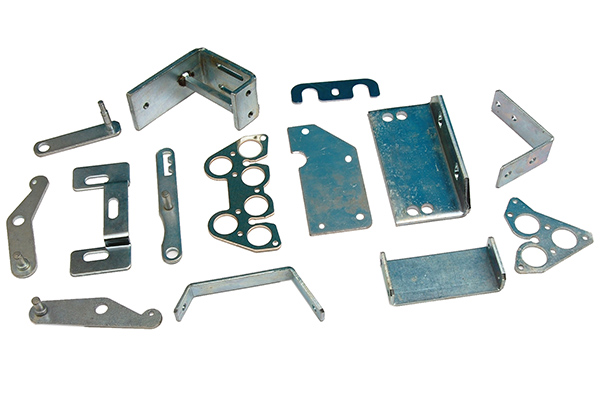
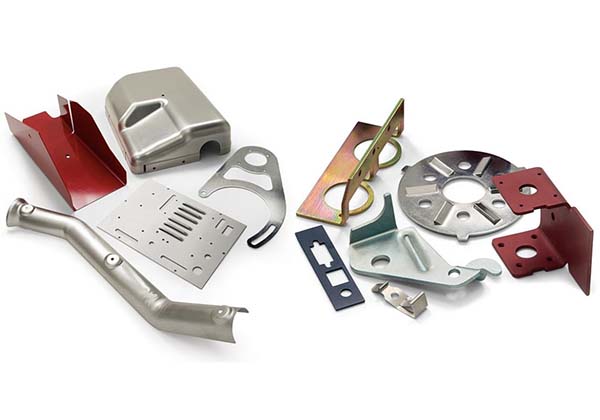
Sheet metal refers to thin, flat pieces of metal formed by rolling molten metal through industrial rollers. Its thickness usually ranges from a fraction of a millimeter to several millimeters. The line between sheet metal and plate often falls between 6mm and 10mm, depending on the industry.
This material stands out because it balances strength, formability, and cost. You can bend it, cut it, weld it, and shape it into nearly anything. That versatility explains why it shows up in so many products.
Common Types of Sheet Metal
Choosing the right material is your first major decision. Here is a breakdown of the most common options:
| Material | Key Properties | Typical Applications |
|---|---|---|
| Stainless Steel | Corrosion-resistant, strong, hygienic | Food equipment, medical devices, architectural trim |
| Aluminum | Lightweight, high strength-to-weight ratio, malleable | Aerospace components, automotive panels, window frames |
| Carbon Steel | Cost-effective, good strength, prone to rust | Appliances, automotive bodies, structural parts |
| Galvanized Steel | Carbon steel with zinc coating, rust-resistant | Roofing, HVAC ducts, outdoor enclosures |
A real-world example: A medical device manufacturer once chose standard carbon steel for a device housing. Within months, rust appeared. Switching to 304 stainless steel solved the problem, even though material costs rose by 18%. The long-term durability and hygiene compliance justified the investment.
How to Search for Sheet Metal Suppliers Near You
Which Online Search Methods Work Best?
Start with search engines, but be specific. Instead of typing “sheet metal,” use phrases like “sheet metal fabrication near me” or “custom sheet metal supplier in [your city].” This precision filters out irrelevant results.
Pay close attention to the map section. Local shops often appear there with ratings, photos, and direct contact info. Click through to read customer reviews. Look for patterns—do multiple reviews mention on-time delivery? Are there complaints about communication?
Can Business Directories Help?
Yes. Directories like Thomasnet, Yellow Pages, and MFG.com list vetted suppliers. Thomasnet, for instance, allows you to filter by location, capabilities, and certifications. These platforms often include detailed company profiles showing what equipment they use and what industries they serve.
Is Word-of-Mouth Still Valuable?
Absolutely. Talk to colleagues in engineering, construction, or manufacturing. They can share firsthand experiences. One contractor I worked with found his best sheet metal partner through a simple recommendation from a local HVAC installer. That relationship has lasted over a decade.
Industry associations like the Fabricators & Manufacturers Association (FMA) also maintain member directories. Online forums such as Reddit’s r/metalworking or Practical Machinist can yield surprisingly honest feedback.
Evaluating Sheet Metal Suppliers
What Certifications Should You Look For?
Certifications signal commitment to quality. ISO 9001 is the gold standard for quality management. It means the supplier follows consistent processes from design to delivery. ISO 14001 focuses on environmental responsibility, which matters for sustainability-focused projects.
Do not overlook industry-specific credentials. For aerospace, look for AS9100. For automotive, IATF 16949 indicates rigorous quality controls.
How Do You Assess Product Quality?
Request samples. Examine them closely. Look for:
- Consistent thickness
- Smooth edges without burrs
- No visible rust, pitting, or scratches
- Accurate hole placements if pre-drilled
If possible, ask for material certifications, often called mill test reports (MTRs) . These documents trace the metal back to its original mill and confirm its composition. A reputable supplier will provide these without hesitation.
Case in point: A client once received a large order of aluminum sheets that looked perfect. But during welding, they noticed excessive warping. The MTRs revealed the material came from an unverified source with inconsistent alloy composition. That supplier had skipped basic quality checks.
What Services Should a Good Supplier Offer?
Not all suppliers offer the same capabilities. Here is what to look for:
| Service | Why It Matters |
|---|---|
| Laser Cutting | High precision, minimal waste, fast turnaround |
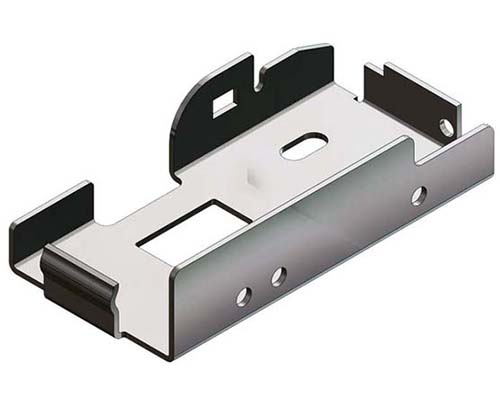
| Bending / Forming | Essential for creating enclosures, brackets, and structural parts |
| Welding | Needed for assemblies and custom fabrications |
| Surface Finishing | Powder coating, anodizing, or plating improve durability and appearance |
| Design Support | In-house engineers can optimize your design for manufacturability |
A supplier with in-house CAD capabilities can save you weeks of back-and-forth. They can spot potential issues—like a bend too close to a hole—before production starts.
How Do You Compare Pricing Fairly?
Price matters, but the lowest quote rarely delivers the best value. Break down quotes carefully:
- Material cost: Stainless steel costs more than carbon steel. Aluminum prices fluctuate with market rates.
- Processing fees: Complex cuts, multiple bends, and tight tolerances increase costs.
- Quantity: Larger orders typically lower the per-unit price.
- Shipping: Local suppliers often reduce freight costs significantly.
- Hidden costs: Ask about setup fees, rush charges, and minimum order quantities.
Get at least three detailed quotes. Compare them line by line. A quote that includes design support, finishing, and delivery might look higher initially but could save you money overall.
Yigu Technology’s Perspective
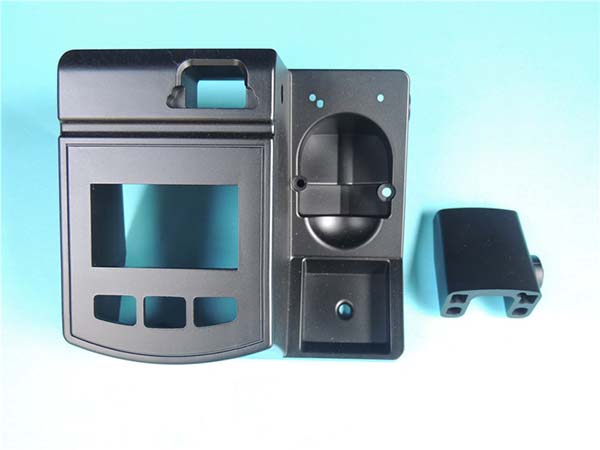
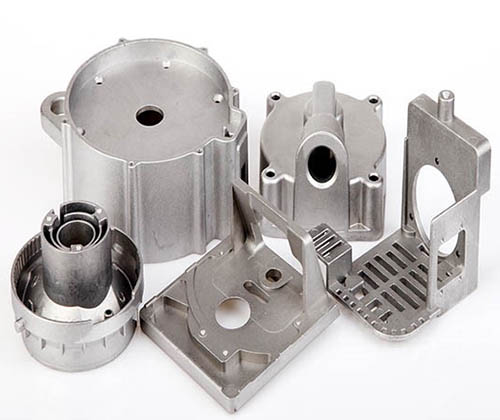
At Yigu Technology, we specialize in custom non-standard plastic and metal products. Through years of experience, we have learned that the right supplier relationship goes beyond a single transaction.
Quality control is non-negotiable. We insist on suppliers who provide detailed inspection reports and follow ISO-certified processes. One of our partners, a mid-sized sheet metal fabricator, reduced their defect rate from 3.2% to 0.7% after implementing stricter incoming material checks. That change saved them over $40,000 annually in rework costs.
Customization matters just as much. Standard catalog products rarely fit unique requirements. We look for suppliers who embrace complexity—whether that means working with exotic alloys, achieving tight tolerances, or applying specialty coatings.
Long-term relationships yield the best results. When you work with the same supplier repeatedly, they learn your standards, your preferences, and your timelines. Communication improves. Lead times shorten. Quality becomes consistent.
Conclusion
Finding the best sheet metal supplier near you requires more than a quick online search. It demands understanding material options, knowing what questions to ask, and carefully evaluating capabilities, quality, and service offerings. Start with specific search terms. Verify certifications. Request samples. Compare quotes in detail.
The right supplier becomes a partner in your success. They help you avoid costly mistakes, meet deadlines, and deliver products that meet your exact specifications. Take the time to choose wisely—your projects will thank you.
FAQ
What types of sheet metal are most commonly used for custom fabrication?
Stainless steel, aluminum, and carbon steel are the most common. Stainless steel offers corrosion resistance. Aluminum provides lightweight strength. Carbon steel delivers cost-effective durability. Galvanized steel is also popular for outdoor applications.
How can I verify a sheet metal supplier’s quality before placing a large order?
Request samples and mill test reports (MTRs). Check for certifications like ISO 9001. Read customer reviews focusing on consistency and communication. If possible, visit the facility to see their equipment and quality control processes firsthand.
What factors most influence sheet metal pricing?
Material type, processing complexity, order quantity, and finishing requirements drive costs. Stainless steel and aluminum typically cost more than carbon steel. Intricate laser cutting, multiple bends, and specialty coatings add to the price. Larger orders usually lower the per-unit cost.
Contact Yigu Technology for Custom Manufacturing
Looking for a reliable partner for your custom sheet metal or plastic components? Yigu Technology combines engineering expertise with precision manufacturing to deliver high-quality, non-standard products tailored to your specifications. From design support to finishing, we handle complex projects with consistency and care. [Contact us today] to discuss your next project.