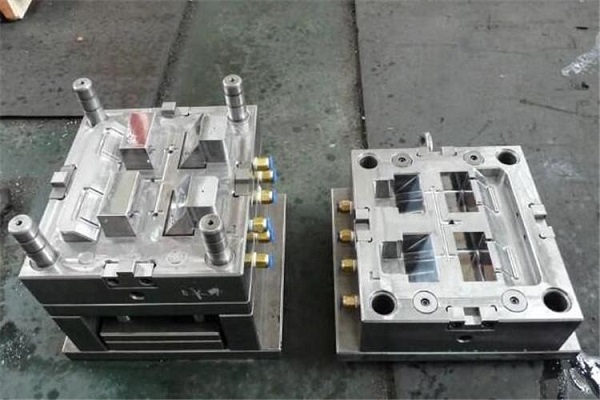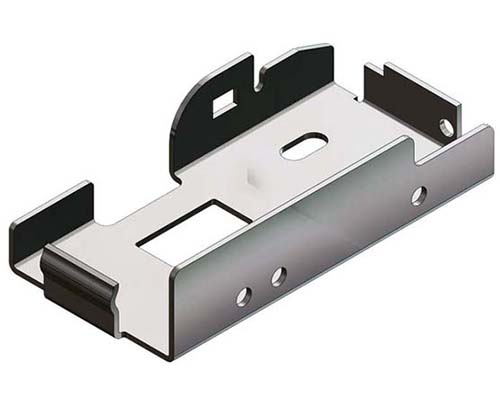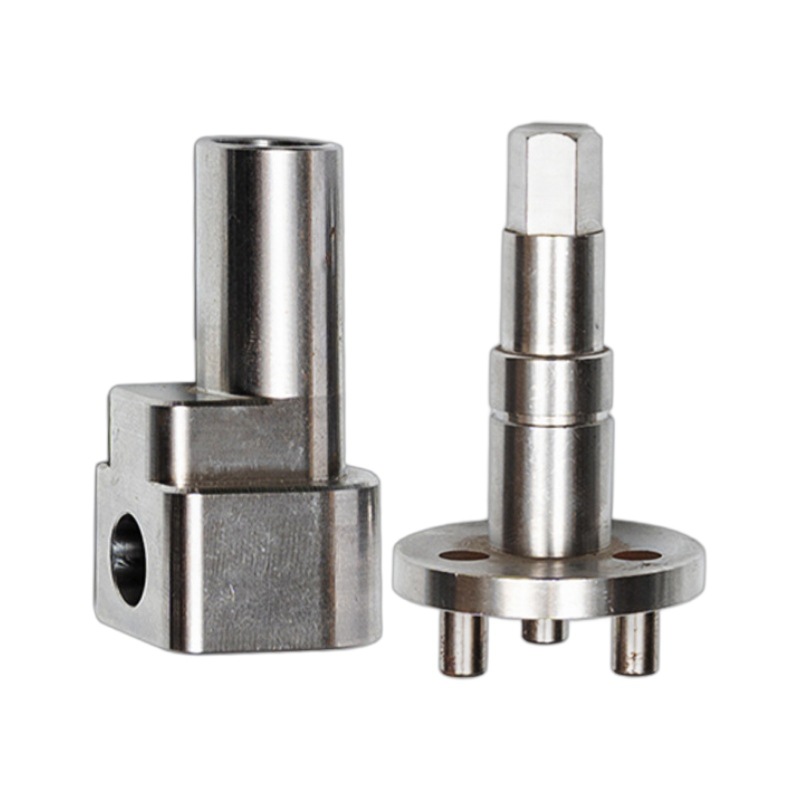
If you are exploring manufacturing options, you have likely heard the term aluminum injection. Simply put, it is a process where molten aluminum is forced under high pressure into a steel mold, called a die. This method creates complex, precise parts in large quantities. It is widely used because it balances speed, cost, and quality—making it a go-to for everything from car components to household appliances.
How Does the Process Work?
A Step-by-Step Breakdown
Understanding the sequence helps you see why this method is so effective. Each step follows a repeatable pattern.
Die Preparation
The two halves of the steel die are cleaned to remove any leftover material. A small amount of lubricant is sprayed inside. This prevents the molten aluminum from sticking and helps with cooling.
Example: At an automotive parts factory, they switched to a water-based lubricant for brake caliper dies. It reduced die wear by 20% compared to oil-based options, cutting maintenance costs significantly.
Melting the Aluminum
Pure aluminum or an alloy is loaded into a furnace. It is heated to between 650°C and 700°C (1202°F to 1292°F) . This turns solid aluminum into a smooth liquid without damaging its properties. Common alloys include Al-Si or Al-Mg, which offer better strength and castability.
Injection into the Die
The molten aluminum is transferred to a shot sleeve. A plunger then pushes it into the die cavity under intense pressure—typically between 10 MPa and 150 MPa (1,450 psi to 21,755 psi) . This ensures the liquid metal fills every detail, even thin walls or tiny holes.
Cooling and Solidification
Once the die is full, the aluminum cools and hardens. Cooling time depends on thickness. A small part, like a phone charger housing, may take 10–30 seconds. A larger part, like an engine bracket, could take 1–2 minutes. The steel die speeds up cooling, keeping production cycles fast.
Ejection and Finishing
After solidification, the die opens. Ejector pins push the finished part out. Most parts need minor finishing, such as trimming excess aluminum (called “flash”) or smoothing rough edges. Some may also undergo painting, coating, or machining for extra precision.
What Are the Key Benefits?
Why Manufacturers Choose This Method
Aluminum injection offers several distinct advantages, especially for high-volume production.
High Precision and Complex Parts
This process creates parts with tight tolerances—often as small as ±0.005 inches. It can produce complex shapes with thin walls down to 0.5 mm and internal channels. According to the North American Die Casting Association (NADCA) , aluminum die cast parts have a dimensional accuracy rate of over 95% , far higher than other metal forming processes.
Fast Production Cycles
A single cycle can take as little as 10 seconds for small parts. This allows manufacturers to produce thousands of parts per day. A consumer electronics company I consulted with used aluminum injection for laptop hinge brackets. They went from 500 brackets per day with machining to 10,000 per day with injection—cutting lead times by 80%.
Lightweight yet Strong
Aluminum weighs about one-third as much as steel. But alloys used in injection are strengthened with elements like silicon or magnesium. Final parts have a tensile strength ranging from 150 MPa to 400 MPa, comparable to some steels. This is why car manufacturers use aluminum injection to reduce vehicle weight and improve fuel efficiency.
Cost-Effective for High Volumes
The initial die cost can be high—from $10,000 to over $100,000 for complex designs. But the per-unit cost drops dramatically for large runs. The die can be reused thousands or even millions of times. For a production run of 100,000 parts, aluminum injection costs 30–50% less per unit than machining, according to a 2024 study by Manufacturing Technology Insights.
Excellent Surface Finish
Parts come out of the die with a smooth surface, typically 32–125 RMS. This means less finishing work is needed. It is a big advantage for consumer products that need to look good or for parts that require a tight seal, like hydraulic components.
Where Is It Used?
Common Applications Across Industries
| Industry | Typical Applications | Why It Works Here |
|---|---|---|
| Automotive | Engine brackets, transmission cases, brake calipers | Lightweight improves fuel efficiency; high strength; fast production |
| Consumer Electronics | Phone charger housings, laptop hinges, camera bodies | Precision for small parts; smooth finish; cost-effective for mass production |
| Aerospace | Satellite components, aircraft interior parts | Lightweight; corrosion resistance |
| Medical | Surgical instrument handles, diagnostic device housings | Precision; easy to sterilize (non-porous) |
| Industrial | Pump housings, valve bodies, motor casings | Durable; withstands high temperatures |
Real-World Example: Tesla uses aluminum injection for the Model 3’s rear underbody casting. This single part replaces over 70 separate components, reducing assembly time by 30% and improving structural rigidity.
What Should You Consider Before Using It?
Key Factors to Evaluate
Aluminum injection is not right for every project. Here are the critical factors.
Part Design Constraints
- Wall Thickness: Walls over 6 mm can cause shrinkage cavities. Walls under 0.5 mm may not fill properly.
- Undercuts: Features like inward-facing grooves are hard to remove from the die. You may need a more complex, expensive die with moving components.
Production Volume
This method is only cost-effective for high volumes—typically 10,000+ parts. For smaller runs, machining or 3D printing is cheaper because you avoid the high die setup cost.
Alloy Selection
The alloy affects strength, corrosion resistance, and castability.
- A380: Most popular; good for general-purpose parts like appliance housings.
- A356: Better for high-strength parts like automotive suspension components; can be heat-treated.
- A413: Ideal for thin-wall parts like electronics components; flows easily.
Die Material and Maintenance
Dies are usually made of H13 tool steel for high-temperature resistance. They wear out over time. A typical die lasts 50,000 to 1,000,000 cycles, depending on part complexity and the alloy used. Budget for regular maintenance like polishing and crack repair.
What Challenges Might You Face?
Common Problems and Solutions
Porosity (Small Holes)
- Cause: Trapped air or gas in the molten aluminum.
- Solution: Use a degassing unit to remove gas before injection. Reduce injection speed slightly. Add vents to the die to let air escape.
Example: A manufacturer I worked with had porosity issues in pump housings. After adding a degassing step and adjusting vents, porosity was reduced by 75%.
Flash (Excess Aluminum)
- Cause: Molten aluminum leaks between die halves.
- Solution: Check the die for wear and repair damaged surfaces. Increase clamping pressure. Use a trim press to remove flash after ejection.
Cold Shuts (Lines in the Part)
- Cause: Two streams of molten aluminum meet but do not fully merge.
- Solution: Increase molten aluminum temperature by 10–20°C (50–68°F) . Speed up injection. Redesign the die to have fewer gates.
Conclusion
Aluminum injection, also known as aluminum die casting, is a powerful manufacturing process for producing high-quality, complex parts at scale. It offers precision, speed, and cost-effectiveness for large volumes. The process involves die preparation, melting, high-pressure injection, cooling, and finishing. Key benefits include lightweight yet strong parts, excellent surface finish, and fast cycle times. However, success depends on proper part design, alloy selection, and production volume. By understanding these factors, you can determine if aluminum injection is the right fit for your project.
FAQ
Is aluminum injection the same as aluminum die casting?
Yes. The terms are used interchangeably. Both refer to forcing molten aluminum into a steel mold under high pressure.
Can aluminum injection be used for small production runs?
It is not recommended. Die costs typically start at $10,000+, so the process is only cost-effective for runs of 10,000+ parts. For smaller quantities, consider machining or 3D printing.
How strong are aluminum injection parts compared to steel?
Aluminum parts weigh about one-third as much as steel. Tensile strength ranges from 150 MPa to 400 MPa. While this is lower than high-strength steel (600 MPa+), it is sufficient for many applications where weight is a priority.
Are aluminum injection parts corrosion-resistant?
It depends on the alloy. Some, like A356, have good natural corrosion resistance. Others may need coatings like anodizing or powder coating for harsh environments.
How long does a die last?
A typical H13 tool steel die lasts between 50,000 and 1,000,000 cycles. Lifespan depends on part complexity, the alloy used, and maintenance practices.
Contact Yigu Technology for Custom Manufacturing
Choosing the right manufacturing process is only the first step. At Yigu Technology, we specialize in aluminum injection and die casting for a wide range of industries—from automotive to medical devices. Our team helps you select the right alloy, optimize part design, and manage quality control throughout production.
We invest in advanced equipment and sustainable practices to deliver high-quality components on time and within budget. Let us help you turn your design into a reliable, finished part.
Contact Yigu Technology today to discuss your aluminum injection project.