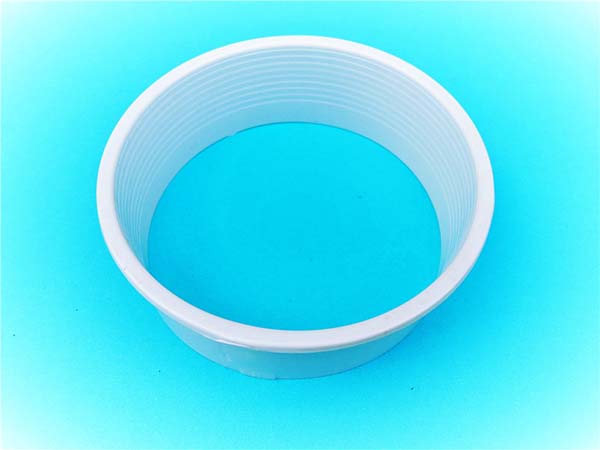
Introduction
In the world of engineering materials, few have the history and versatility of Bakelite board. Invented in 1907, it was the first synthetic plastic to achieve widespread industrial use. Today, Bakelite board remains relevant—not as a museum piece, but as a practical material with unique properties. Its combination of heat resistance, electrical insulation, mechanical strength, and chemical resistance makes it indispensable in electrical, industrial, and consumer applications. This guide covers everything you need to know: what Bakelite board is, its properties, how it is made, where it is used, and how it compares to modern alternatives.
What Is a Bakelite Board?
Definition and Composition
A Bakelite board is a rigid, thermosetting composite made from phenolic resin (Bakelite) reinforced with layers of paper or fabric. The resin is synthesized through a reaction between phenol and formaldehyde under heat and pressure. This creates a cross-linked polymer structure that, once set, cannot be remelted.
The board is formed by:
- Impregnating layers of paper or fabric with phenolic resin
- Stacking the layers
- Compressing under high pressure (10–30 MPa) and heat (150–200°C)
- Curing the resin to bond the layers into a solid, rigid sheet
The reinforcement material—paper, cotton fabric, or glass fiber—affects the final properties. Paper-based boards are cost-effective; glass-fiber reinforcements increase strength and impact resistance.
Historical Significance
Leo Baekeland invented Bakelite in 1907, ushering in the age of synthetic plastics. Bakelite boards were among the first materials to replace wood and metal in electrical and industrial applications. They became the standard for circuit boards, radio casings, and electrical insulators during the early to mid-20th century.
What Properties Does Bakelite Board Offer?
Mechanical Properties
| Property | Bakelite Board | Comparison |
|---|---|---|
| Flexural Strength | 100–150 MPa | Plywood: 30–50 MPa |
| Impact Resistance | Moderate (brittle) | Can be improved 30–40% with glass-fiber reinforcement |
| Rigidity | High | Maintains shape under load |
Bakelite boards are strong and rigid, making them suitable for structural applications. However, they are brittle—they do not flex much before breaking. For applications requiring impact resistance, glass-fiber-reinforced grades are available.
Thermal Properties
| Property | Bakelite Board | Comparison |
|---|---|---|
| Heat Resistance | 150–200°C continuous | Polyethylene softens at 80–120°C |
| Thermal Conductivity | 0.1–0.3 W/(m·K) | Low—good thermal insulator |
Bakelite boards withstand temperatures up to 200°C without significant softening or degradation. This makes them ideal for applications near heat-generating components. Their low thermal conductivity also makes them effective insulators.
Electrical Properties
| Property | Bakelite Board | Comparison |
|---|---|---|
| Volume Resistivity | 10¹²–10¹⁴ ohm-cm | Aluminum: 2.8 x 10⁻⁸ ohm-cm (conductor) |
| Dielectric Strength | 10–30 kV/mm | Withstands high-voltage fields |
Bakelite boards are excellent electrical insulators. They do not conduct electricity, making them essential for switchboards, circuit breakers, transformers, and other electrical components where preventing current flow is critical.
Chemical Properties
Bakelite boards resist many common chemicals:
- Dilute acids (hydrochloric, sulfuric)
- Dilute alkalis (sodium hydroxide)
- Many solvents
They are not immune to all chemicals. Strong oxidizing agents—concentrated sulfuric or nitric acid—can attack and degrade the material over time. This chemical resistance makes Bakelite boards useful in chemical processing environments.
How Are Bakelite Boards Manufactured?
Raw Materials
- Phenol: Derived from coal tar or petroleum
- Formaldehyde: Produced from methanol
- Reinforcement: Paper, cotton fabric, or glass fiber
The choice of reinforcement determines final properties:
- Paper: Cost-effective, general-purpose
- Cotton fabric: Improved mechanical strength
- Glass fiber: Highest strength, impact resistance, and heat resistance
Manufacturing Steps
- Resin Preparation: Phenol and formaldehyde react in the presence of a catalyst under controlled temperature and pressure to form phenolic resin.
- Impregnation: The reinforcement material (paper or fabric) is dipped or sprayed with liquid phenolic resin until thoroughly coated.
- Lamination and Pressing: Impregnated layers are stacked and placed in a mold. High pressure (10–30 MPa) and heat (150–200°C) are applied. Pressure squeezes out excess resin; heat cures the resin, bonding layers into a solid board.
- Finishing: The cured board is cut to size, sanded smooth, and drilled or machined as required.
Where Are Bakelite Boards Used?
Electrical and Electronics Industry
Circuit boards: Bakelite was one of the first materials used for printed circuit boards (PCBs). While modern PCBs use fiberglass-reinforced epoxy, Bakelite boards remain in specialized and low-cost applications.
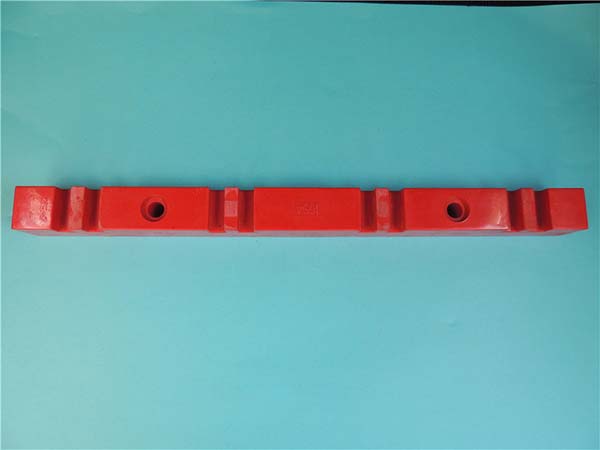
Insulators: In switchgear, Bakelite boards separate live electrical components from each other and from ground. In high-voltage transformers, they serve as insulation barriers between windings and the core.
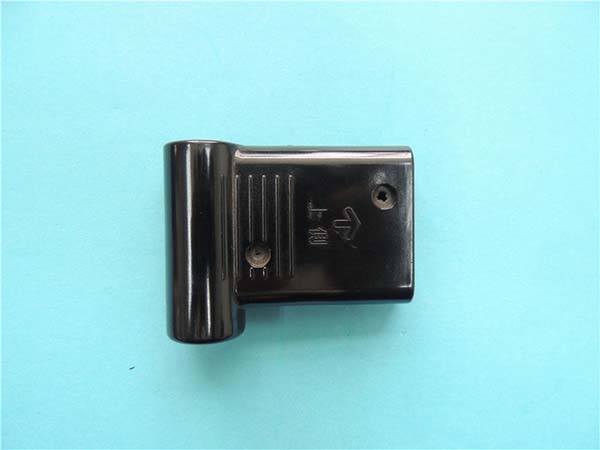
Connectors and terminal blocks: Bakelite's strength and insulating properties make it ideal for components that hold electrical wires securely while preventing current leakage.
Industrial Applications
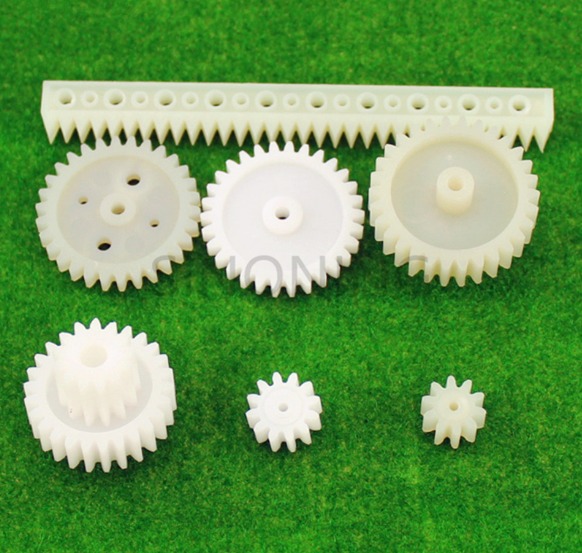
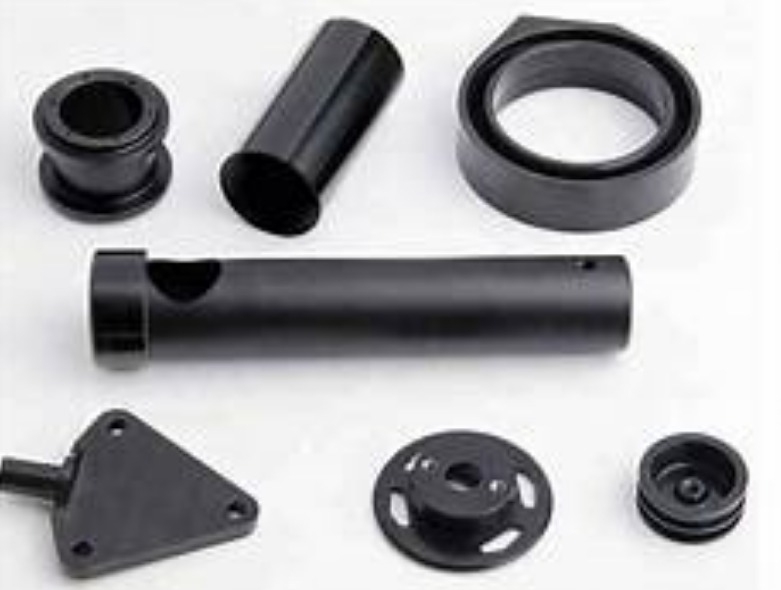
Machinery components: Gears, pulleys, and bearings benefit from Bakelite's self-lubricating properties and wear resistance. In small-scale industrial equipment, Bakelite gears reduce noise and vibration compared to metal.
Chemical processing equipment: Bakelite boards line tanks, pipes, and vessels that handle corrosive chemicals. In chemical plants, Bakelite-lined pipes transport acids and alkalis without corrosion, extending equipment life.
Consumer Goods
Appliance handles and knobs: Stoves, ovens, toasters. Heat resistance ensures handles stay cool. Durability and attractive appearance add value.
Musical instruments: Some guitars use Bakelite boards for fretboards. Hardness and smooth surface provide good playing feel. Sound-dampening properties contribute to instrument tone.
How Does Bakelite Board Compare to Other Materials?
| Material | Flexural Strength (MPa) | Heat Resistance (°C) | Electrical Resistivity (ohm-cm) | Chemical Resistance | Relative Cost |
|---|---|---|---|---|---|
| Bakelite Board | 100–150 | 150–200 | 10¹²–10¹⁴ | Good against common chemicals | Medium |
| Fiberglass-Epoxy | 150–300 | 180–220 | 10¹³–10¹⁵ | Good against many chemicals | High |
| Plywood | 30–50 | 60–80 | 10⁸–10¹⁰ | Sensitive to moisture | Low |
| Aluminum | 90–200 | Melts ~600°C | 2.8 x 10⁻⁸ (conductor) | Sensitive to acids/alkalis | Medium-High |
Analysis
Advantages of Bakelite Board:
- Unique combination of mechanical strength, heat resistance, electrical insulation, and chemical resistance
- Cost-effective for many applications
- Historical and aesthetic appeal in consumer goods
Disadvantages:
- Brittleness: Low impact resistance limits use in high-impact applications
- Limited availability: In some regions, sourcing can be difficult
- Environmental concerns: Production involves phenol and formaldehyde, with associated health and environmental implications
Why Is Bakelite No Longer as Common?
Several factors have reduced Bakelite's prevalence:
- Brittleness: Newer materials offer better impact resistance.
- Performance alternatives: Fiberglass-reinforced epoxy provides higher strength and better impact resistance for PCBs and structural applications.
- Environmental concerns: Phenol and formaldehyde in production raise regulatory and sustainability issues.
- Manufacturing complexity: Thermoset processing is less flexible than thermoplastic molding.
However, Bakelite board remains in niche applications where its specific properties—particularly its combination of heat resistance and electrical insulation at moderate cost—are still valued.
Yigu Technology's Perspective
At Yigu Technology, we recognize Bakelite board's enduring value. It is not a relic—it is a practical material for specific engineering challenges.
We recently supplied Bakelite boards to a power utility for high-voltage transformer insulation. Requirements included:
- Continuous operation at 160°C
- Dielectric strength above 20 kV/mm
- Dimensional stability under load for 20+ years
Bakelite board met these requirements. Modern alternatives either cost significantly more or could not match the long-term thermal stability.
We also work with clients in:
- Electrical manufacturing: Switchgear insulators, terminal blocks
- Industrial equipment: Gears, bearings, chemical-resistant linings
- Consumer goods: Appliance components where heat resistance is critical
Our approach combines material expertise with precision fabrication. We cut, machine, and finish Bakelite boards to exact specifications, ensuring components perform reliably in their intended applications.
Conclusion
Bakelite board holds a unique place in materials engineering. Its combination of mechanical strength, heat resistance (150–200°C), electrical insulation (10¹²–10¹⁴ ohm-cm), and chemical resistance makes it valuable across electrical, industrial, and consumer applications. While newer materials offer improved impact resistance and broader availability, Bakelite remains the preferred choice where its specific property combination is required. For high-voltage electrical insulation, heat-resistant components, and applications demanding chemical resistance at moderate cost, Bakelite board continues to deliver reliable performance.
FAQ About Bakelite Board
What is the use of Bakelite board?
Bakelite board is used in electrical insulation (switchgear, transformers, circuit boards), industrial components (gears, bearings, chemical processing linings), and consumer goods (appliance handles, musical instrument fretboards). Its heat resistance, electrical insulation, and chemical resistance make it suitable for these applications.
Why is Bakelite no longer widely used?
Bakelite is less common due to its brittleness, the availability of higher-performance alternatives (fiberglass-epoxy), and environmental concerns related to phenol and formaldehyde in production. However, it remains in use for niche applications where its specific properties are valued.
Why is Bakelite valuable?
Bakelite is valuable in the antiques and collectibles market for its historical significance and unique appearance. In industrial applications, its specific combination of heat resistance, electrical insulation, and chemical resistance makes it valuable where modern alternatives cannot match these properties at comparable cost.
Is Bakelite board still manufactured?
Yes. Bakelite board continues to be manufactured for electrical, industrial, and specialty applications. Production has declined from its mid-20th century peak but remains active to serve specific market needs.
Contact Yigu Technology for Custom Manufacturing
Need Bakelite board components for your application? Yigu Technology provides custom fabrication of Bakelite boards and engineered materials. From electrical insulators to industrial components, we help you select the right material and produce parts that meet your performance requirements. Contact us today to discuss your project.