Introduction
Adding logos, designs, or labels to plastic products can feel overwhelming. With so many techniques available, how do you choose the right one? Plastic printing services bridge the gap between a plain plastic item and a branded, functional, or personalized product. Whether you need 500 reusable cups for your coffee shop or custom phone cases for a promotional event, understanding these services helps you avoid costly mistakes. This guide walks you through the techniques, key selection factors, common challenges, and industry trends—so you can make an informed decision that fits your project.
What Printing Techniques Work Best for Plastic?
Different projects demand different methods. Matching your plastic type, design complexity, and budget to the right technique is essential. Below is a detailed breakdown of the most common options.
Screen Printing
Best for: Large logos, bold designs, and rigid plastics like water bottles or toy parts.
Screen printing pushes ink through a mesh stencil onto the plastic surface. It creates durable, vibrant results that withstand regular use. However, it’s slower for small batches and doesn’t handle fine details well.
- Cost per unit: $0.50 – $5.00
- Typical use: Branded drinkware, industrial parts, promotional giveaways
Digital Printing (UV or Inkjet)
Best for: Complex designs, photos, and small batches such as custom keychains or phone cases.
This method applies ink directly from a digital file. It offers fast turnaround and no setup fees, making it ideal for low-quantity orders. The trade-off? It’s less durable on flexible plastics and becomes expensive at scale.
- Cost per unit: $1.00 – $10.00
- Typical use: Short-run prototypes, personalized items, photorealistic graphics
Pad Printing
Best for: Small or curved surfaces like pen caps, plastic knobs, or medical device parts.
Pad printing uses a silicone pad to transfer ink from an etched plate to the plastic. It excels on irregular shapes and achieves precise placement on tiny areas. The downside: it’s slower than digital and limited to simpler designs.
- Cost per unit: $0.30 – $3.00
- Typical use: Electronics housings, toys, promotional pens
Heat Transfer
Best for: Soft plastics such as PVC tote bags or fabric-plastic blends.
Heat transfer applies a pre-printed design using heat and pressure. It handles full-color artwork easily and works well on flexible materials. However, prints may peel if exposed to high heat or moisture over time.
- Cost per unit: $0.80 – $4.00
- Typical use: Soft-sided bags, inflatables, flexible packaging
Quick Comparison Table
| Technique | Best For | Pros | Cons | Cost/Unit |
|---|---|---|---|---|
| Screen Printing | Large logos, rigid plastics | Durable, vibrant, works on uneven surfaces | Slow for small batches, limited fine details | $0.50–$5.00 |
| Digital Printing | Complex designs, small batches | Fast, high detail, no setup fees | Less durable on flexible plastics | $1.00–$10.00 |
| Pad Printing | Curved, small surfaces | Prints on irregular shapes, precise | Simple designs only, slower | $0.30–$3.00 |
| Heat Transfer | Soft plastics | Full-color, easy on flexible materials | Can peel with heat or moisture | $0.80–$4.00 |
Real-World Example
A local coffee shop needed 500 branded reusable plastic cups. The owner initially leaned toward digital printing because of its speed. After discussing durability requirements, the shop switched to screen printing. The screen-printed logos survived over six months of daily washing, while digital prints on the same cups began fading after just one to two months. The upfront wait for screen printing setup paid off in long-term performance.
How Do You Choose the Right Plastic Printing Service?
Selecting a service provider goes beyond finding the lowest price. You need to ensure they can meet your specific requirements. Evaluate these four areas carefully.
1. Is Your Plastic Type Compatible?
Not all printers handle every plastic. Polyethylene (PE) and polypropylene (PP) are common but have low surface energy, meaning ink struggles to stick without special treatment. Acrylic and PVC are easier to print on.
Before committing, ask the service:
- Do you have experience printing on [your specific plastic]?
- Will you run adhesion tests—like scratch or wash tests—before full production?
2. What Batch Size and Turnaround Do You Need?
Match your quantity to the method:
- Small batches (1–50 items): Digital printing shines. No setup fees, and turnaround is typically 1–3 days.
- Large batches (500+ items): Screen or pad printing becomes more cost-effective. Expect 3–7 days for setup and production.
A recent client needed 20 custom plastic storage boxes for a trade show in five days. We recommended a digital printing service specializing in rigid plastics. They delivered in three days, and the designs held up during transport and handling.
3. Does the Service Meet Quality and Compliance Standards?
If your products contact food or are used in medical settings, ink safety matters. Look for services that comply with:
- FDA regulations – for food-contact plastics
- RoHS – restricts harmful substances in electronics-related plastics
- ISO 9001 – demonstrates general quality management
A medical device company once hired a non-certified service for plastic syringe labels. The ink peeled off during sterilization, leading to a full product recall. Choosing a RoHS-compliant service would have prevented that costly mistake.
4. What Do Their Samples Show?
Always request physical samples before placing a large order. Inspect for:
- Ink adhesion—scratch gently with a fingernail
- Color accuracy under natural light
- Detail sharpness, especially on curves or edges
What Common Challenges Arise in Plastic Printing?
Even with a capable service, issues can surface. Knowing how to spot and solve them saves time and money.
Ink Adhesion Problems
Plastics like PE and PP naturally repel ink. Without proper surface preparation, prints flake or peel.
Solution: Ask for plasma treatment or primer coatings. Test a sample first—scratch the printed area firmly. If it lifts, the adhesion isn’t adequate.
Fading or Smudging
Sunlight, moisture, and chemicals degrade prints over time. This is critical for outdoor signage or reusable containers.
Solution: Use UV-curable inks for outdoor products—they resist fading. For items that get wet, like water bottles, choose waterproof inks and a clear protective topcoat.
Design Distortion on Curved Surfaces
Flat designs printed on curved plastic—such as shampoo bottles—can stretch or blur.
Solution: Opt for pad printing, which is built for irregular shapes. Also, work with the service to simplify your design; avoid tiny text or ultra-fine lines that distort easily.
Color Inconsistency Across Batches
Different production runs can yield slightly different shades, especially with screen printing.
Solution: Request a color tolerance standard in writing. Pantone matching systems help maintain consistency. Ask the service to keep a retained sample from your first run for future reference.
What Industry Trends Should You Know for 2025?
Staying aware of trends helps you make forward-looking decisions. Here are three developments shaping plastic printing services.
1. Eco-Friendly Printing Gains Momentum
Sustainability is no longer a niche concern. More services now offer water-based inks and compatibility with recycled plastics. A 2024 survey by the Sustainable Packaging Coalition found that 68% of businesses prefer eco-friendly printing options, up from 45% in 2022. Choosing greener methods can align with your brand values and appeal to environmentally conscious customers.
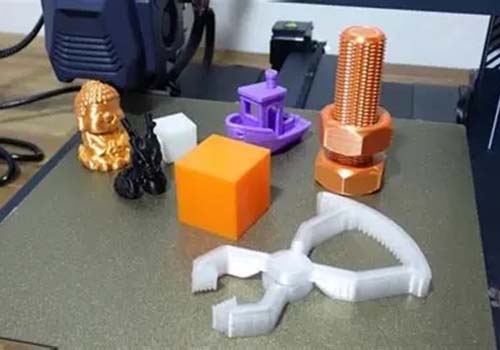
2. 3D Printing and Plastic Printing Converge
Some providers now combine 3D printing of plastic parts with on-demand design printing. This is ideal for custom products like personalized phone cases or small-batch industrial components. You receive a fully printed, 3D-printed item in a single streamlined process.
3. Smart Printing Adds Functionality
Emerging technologies enable conductive inks on plastics. This allows features like:
- RFID tags for inventory tracking
- Touch-sensitive surfaces for interactive packaging
Retail and electronics industries are adopting smart printing to create packaging that engages customers or streamlines supply chains.
How Does Yigu Technology Approach Plastic Printing?
At Yigu Technology, we see plastic printing as more than adding graphics. It’s a tool to enhance product value, safety, and customer engagement. We’ve worked across consumer goods, healthcare, and electronics—and we’ve learned that the right technique solves real problems.
For example, we helped a baby product brand use FDA-compliant inks on plastic teething toys. The client needed assurance that the prints were safe for infants. By matching their plastic type with certified inks and conducting adhesion tests, we met safety standards without compromising design quality.
In another case, we assisted a tech company with conductive ink printing for smart device casings. The printed circuits enabled touch controls directly on the plastic surface, reducing assembly steps and improving reliability.
Our recommendation: prioritize material compatibility and compliance first. Cutting corners here leads to recalls, unhappy customers, and wasted budgets. Additionally, embracing eco-friendly options builds trust with consumers who actively seek sustainable products.
Conclusion
Plastic printing services give you the power to transform plain items into branded, functional, or personalized products. By understanding the strengths of each printing technique—screen, digital, pad, and heat transfer—you can match your project to the right method. Evaluating material compatibility, batch size, compliance standards, and sample quality helps you choose a reliable service partner. Being aware of common challenges like ink adhesion or design distortion lets you prevent issues before they start. And keeping an eye on trends like eco-friendly inks and smart printing positions your project for long-term success. With the right approach, your plastic products will not only look great but also perform reliably in real-world conditions.
FAQ About Plastic Printing Services
Can plastic printing services print on any type of plastic?
No. Some plastics like PE and PP require special surface treatments for ink to adhere. Always confirm the service has experience with your specific plastic type before ordering.
How long does a typical plastic printing project take?
Small batches of 1–50 items using digital printing usually take 1–3 days. Large batches of 500+ items with screen printing may take 3–7 days, including setup time.
Is plastic printing durable enough for outdoor use?
Yes, when you use UV-curable inks and a protective topcoat. These materials resist fading from sunlight and damage from rain or humidity.
What is the minimum order quantity (MOQ) for plastic printing services?
It varies. Digital printing often has no MOQ or accepts orders as low as one unit. Screen printing typically requires 50 or more items to justify setup costs.
Are eco-friendly plastic printing options more expensive?
They can cost 10–20% more than traditional methods, but the price gap is shrinking as demand grows. The long-term benefits, such as enhanced brand trust, often outweigh the added cost.
Contact Yigu Technology for Custom Manufacturing
Have a plastic printing project in mind? At Yigu Technology, we specialize in matching the right printing technique to your material, design, and compliance needs. Whether you need FDA-compliant food-contact printing, durable outdoor graphics, or smart conductive ink applications, our team provides end-to-end support—from material testing to full production. Contact us today to discuss your custom manufacturing requirements.