Introduction
HP Multi Jet Fusion (MJF) isn't just another 3D printing technology. It's a fundamentally different approach that combines the speed of inkjet printing with the precision of additive manufacturing.
Developed by HP Inc. , MJF has changed what's possible with 3D printed parts. It's faster than SLS. It produces stronger parts than SLA. And it's cost-effective enough for production runs, not just prototypes.
In industries where time-to-market matters—automotive, healthcare, consumer goods—MJF is making a real difference.
At Yigu technology, we've seen MJF transform how clients approach manufacturing. This guide explains how it works, why it matters, and where it's being used.
What Is HP Multi Jet Fusion?
The Basic Idea: Inkjet Meets 3D Printing
HP Multi Jet Fusion builds parts from nylon powder. But instead of using a laser to sinter the powder (like SLS), it uses inkjet technology to apply agents that control fusing.
Think of it like 2D printing, but in three dimensions. A printhead moves across the powder bed, depositing chemicals that determine where powder fuses and where it doesn't.
The result is:
- Speed: Up to 10 times faster than SLS
- Quality: Consistent mechanical properties in all directions
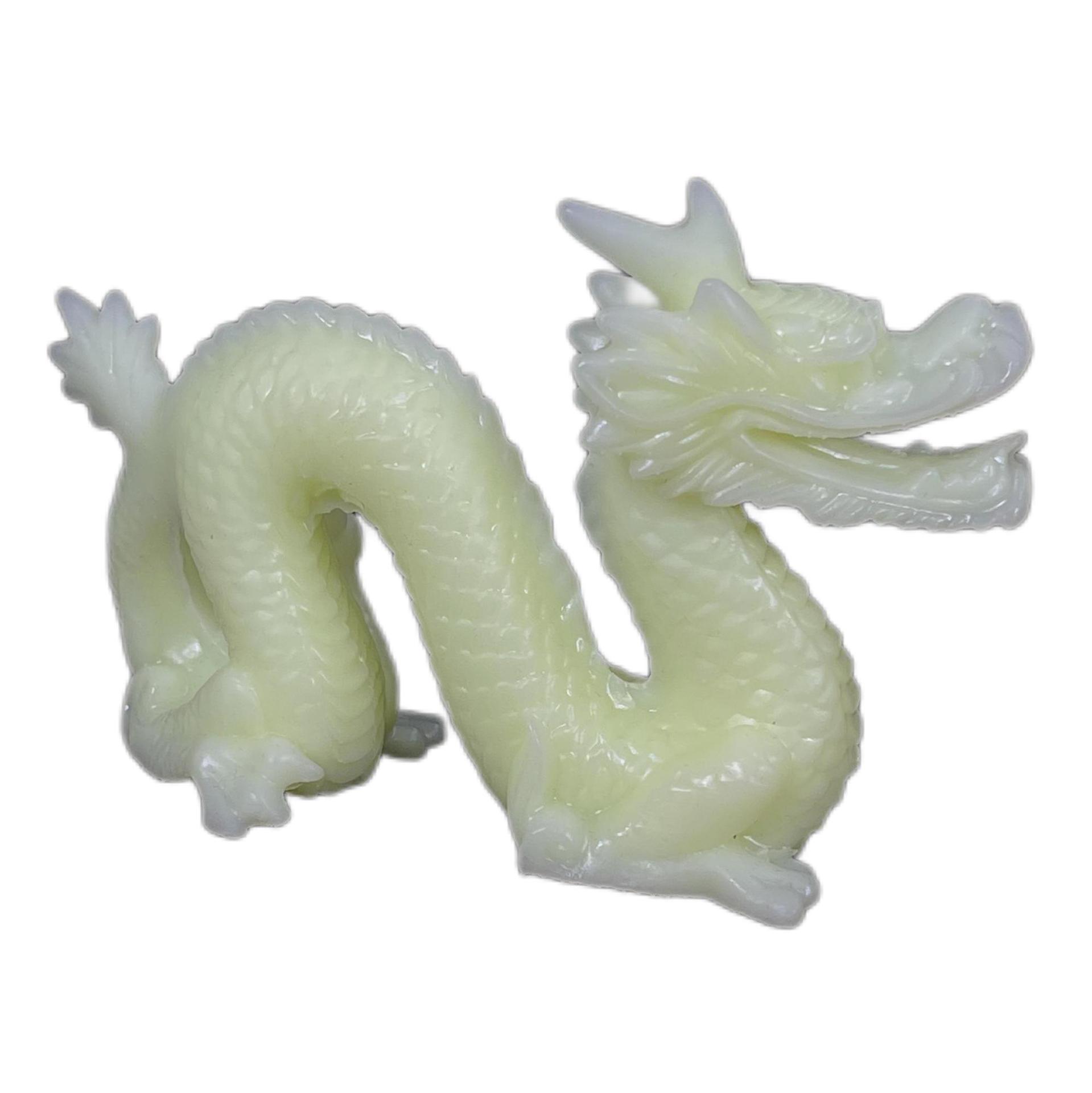
- Detail: Fine features and smooth surfaces
- Cost-effectiveness: High material utilization, reusable powder
Key Components
Printhead: A thermal inkjet array that applies fusing and detailing agents with precision.
Fusing agent: Absorbs energy, causing powder particles to melt and bond together.
Detailing agent: Modifies the fusing process to refine edges and improve surface finish.
Powder bed: Fine nylon powder (PA12, PA11, or other materials) that forms the part.
Energy source: Infrared lamps that heat the powder, activating the fusing agent.
How Does HP Multi Jet Fusion Work?
The Printing Process
Step 1: Powder Spreading
A thin layer of nylon powder is evenly spread across the build platform. The roller ensures consistent layer thickness—typically 0.08 mm to 0.1 mm.
Step 2: Agent Application
The thermal inkjet printhead moves across the powder bed, depositing two types of agents:
- Fusing agent: Applied where the powder should become solid. It absorbs infrared energy, melting the powder particles.
- Detailing agent: Applied at the edges of the part. It modifies the fusing process to create sharp, precise boundaries and smooth surfaces.
Step 3: Heating and Fusing
Infrared lamps pass over the powder bed. The fusing agent absorbs this energy, heating the powder to its melting point. The powder fuses into solid layers exactly where the agent was applied.
The detailing agent prevents fusing at the edges, ensuring crisp details.
Step 4: Layer Repetition
The platform lowers by one layer thickness. Fresh powder spreads. The printhead applies agents to the new layer. Infrared lamps fuse. Repeat.
Step 5: Cooling and Removal
When printing finishes, the parts cool inside the powder bed. Then they're removed, and excess powder is recovered. Up to 80% of unused powder can be recycled by mixing with fresh material.
Step 6: Post-Processing
Parts may need:
- Media blasting to remove residual powder
- Dyeing for color
- Surface finishing for specific applications
What Makes It Different?
| Factor | MJF | SLS | SLA | FDM |
|---|---|---|---|---|
| Speed | Very fast | Medium | Medium | Slow |
| Cost per part | Low-medium | Medium | Medium-high | Low |
| Surface finish | Good | Slightly grainy | Excellent | Layer lines visible |
| Mechanical properties | Near isotropic | Near isotropic | Moderate | Anisotropic |
| Material options | Nylon-based | Nylons, composites | Resins | Wide (filaments) |
| Build volume | Large | Medium | Small | Large |
MJF excels where speed, consistency, and cost matter for production volumes.
What Are the Key Advantages of MJF?
Speed
MJF is fast. Really fast. Up to 10 times faster than SLS for functional parts.
How? The printhead applies agents across the entire layer in one pass. Infrared lamps fuse the entire layer at once. No laser scanning point by point.
For production runs, this speed transforms economics. Parts that would take days print in hours.
Cost-Effectiveness
Several factors make MJF cost-effective:
- Material efficiency: Powder reuse rates up to 80% reduce waste.
- No tooling: Eliminates expensive molds.
- Batch production: Multiple parts print in one run.
- Low post-processing: Parts often ready to use as-printed.
For small to medium production runs, MJF is often the most economical choice.
Quality and Durability
MJF parts are known for:
- Consistent mechanical properties: Near isotropic—strength is similar in all directions.
- Good surface finish: Smoother than SLS, though not as smooth as SLA.
- Fine details: The detailing agent creates sharp edges and crisp features.
- Durability: Nylon parts are strong, flexible, and wear-resistant.
Scalability
MJF scales from prototypes to production. The same technology that prints one part can print hundreds in a single run. Build volumes are large—up to 380 x 284 x 380 mm in typical systems.
Material Properties
Parts printed in PA12 (nylon) offer:
- Tensile strength: 48 MPa
- Elongation at break: 15-20%
- Heat deflection: 95-105°C
- Impact resistance: Excellent
PA11 offers even better flexibility and environmental sustainability (bio-based).
Where Is MJF Used in Industry?
Automotive Sector
Automotive manufacturers use MJF for:
Functional prototypes: Test parts under real conditions before committing to tooling. Iterate quickly, refine designs, launch faster.
Low-volume production: Custom parts, limited editions, and specialty vehicles. No tooling costs, no minimum orders.
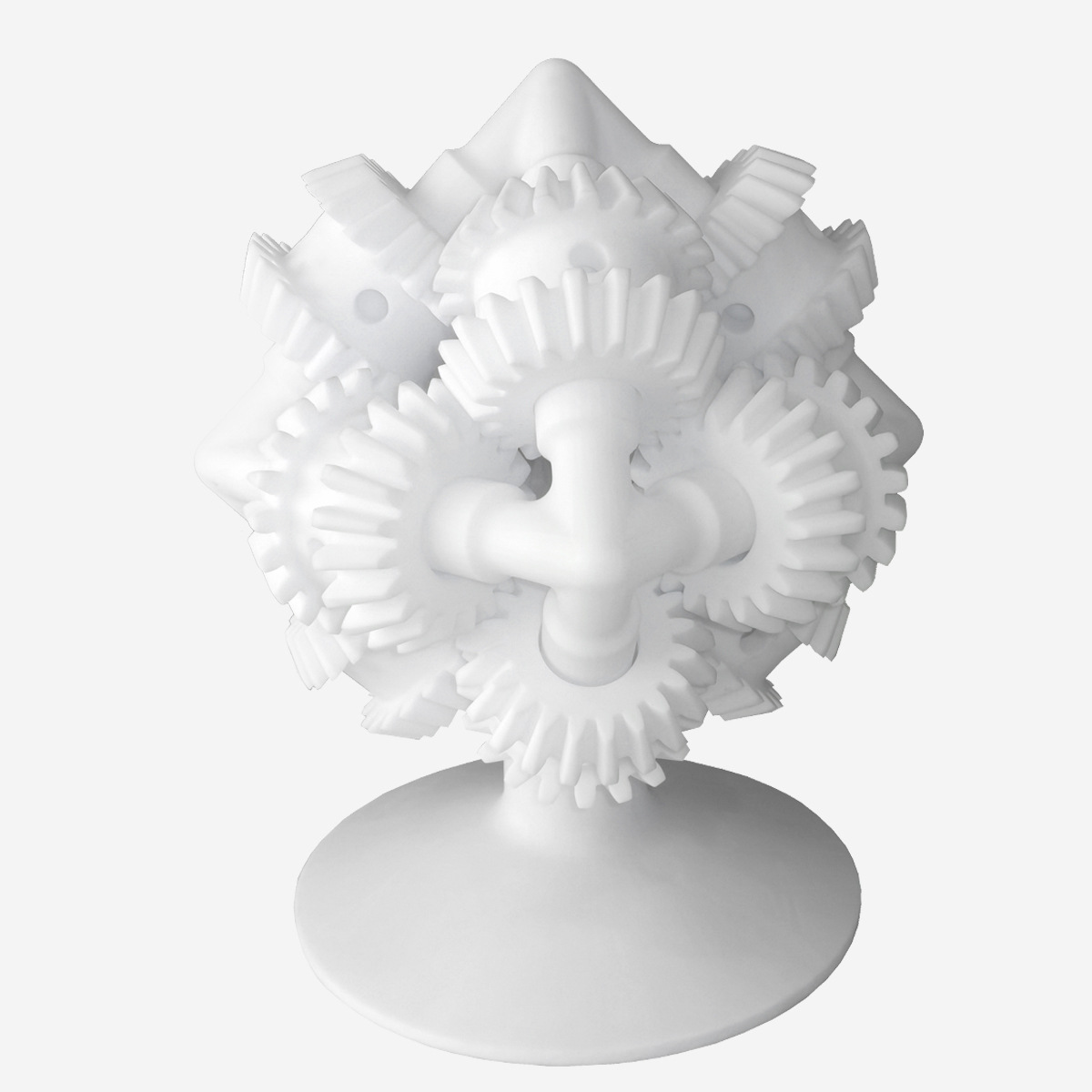
Complex components: Brackets, gears, housings with geometries impossible to machine.
Example: A luxury automaker needed 500 custom interior trim pieces. Traditional methods would require expensive molds. MJF printed all 500 in one batch, with perfect consistency, at a fraction of the cost.
Healthcare Applications
Healthcare benefits from MJF's precision and biocompatibility:
Custom medical devices: Patient-specific surgical guides, prosthetics, and orthotics. Perfect fit, better outcomes.
Anatomical models: From CT or MRI scans, print exact replicas for surgical planning. Surgeons practice before operating.
Biocompatible materials: PA12 is safe for skin contact and certain medical applications.
Example: A hospital needed custom surgical guides for complex spine procedures. MJF printed 20 patient-specific guides in a single run, each matching the patient's anatomy exactly. Surgery times dropped, outcomes improved.
Consumer Goods Manufacturing
Consumer goods companies use MJF for:
Rapid prototyping: Test form, fit, and function before production. Iterate designs in days, not weeks.
Small-batch production: Limited editions, custom products, and market testing. No tooling investment, no inventory risk.
Complex designs: Lattice structures, organic shapes, and intricate details that stand out on shelves.
Example: A startup developing a new wearable device used MJF for prototypes and initial production. They tested multiple designs, refined based on feedback, and launched with 500 units—all without tooling costs.
Aerospace
Aerospace applications demand lightweight, strong parts:
- Brackets and housings: Weight savings of 30-50% through optimized design.
- Ducting and vents: Complex airflow channels impossible to mold.
- On-demand spare parts: Print what you need, when you need it.
Industrial Tooling
Jigs and fixtures: Custom tools for assembly lines, printed overnight. When production changes, print new tools.
End-of-arm tooling: Lightweight robot grippers with optimized geometries.
How Does MJF Compare to Other 3D Printing Technologies?
| Factor | MJF | SLS | SLA | FDM |
|---|---|---|---|---|
| Speed | ⭐⭐⭐⭐⭐ | ⭐⭐⭐ | ⭐⭐ | ⭐ |
| Cost per part | ⭐⭐⭐⭐ | ⭐⭐⭐ | ⭐⭐ | ⭐⭐⭐⭐⭐ |
| Surface finish | ⭐⭐⭐⭐ | ⭐⭐⭐ | ⭐⭐⭐⭐⭐ | ⭐⭐ |
| Strength | ⭐⭐⭐⭐⭐ | ⭐⭐⭐⭐⭐ | ⭐⭐⭐ | ⭐⭐⭐⭐ |
| Detail resolution | ⭐⭐⭐⭐ | ⭐⭐⭐ | ⭐⭐⭐⭐⭐ | ⭐⭐ |
| Material options | ⭐⭐ | ⭐⭐⭐ | ⭐⭐⭐ | ⭐⭐⭐⭐⭐ |
| Build volume | ⭐⭐⭐⭐⭐ | ⭐⭐⭐ | ⭐⭐ | ⭐⭐⭐⭐⭐ |
Choose MJF when:
- You need production speed
- Parts are nylon-based
- You're making multiple parts
- Cost per part matters
- Mechanical properties need to be consistent
Choose SLS when:
- You need specific nylon composites
- Slightly lower cost is acceptable
- You're comfortable with slower speed
Choose SLA when:
- Surface finish is critical
- You need fine details
- Parts are small
Choose FDM when:
- Cost is the primary concern
- Parts are very large
- You need exotic materials
What Are the Limitations?
Material Options
MJF is primarily a nylon technology. PA12 and PA11 are the main materials. While HP continues to expand offerings, the material range is narrower than FDM or even SLS.
Surface Finish
While good, MJF surfaces aren't as smooth as SLA. For parts requiring a glossy, injection-molded appearance, post-processing may be needed.
Initial Investment
Industrial MJF systems are expensive—$200,000 to $500,000+. For most companies, using a service bureau makes more sense than buying.
Post-Processing
Parts need powder removal and often media blasting. While less than SLS, it's not zero.
What Does the Future Hold?
New Materials
HP continues developing new materials:
- Elastomers for flexible parts
- High-temperature materials for demanding applications
- Glass-filled composites for extra stiffness
- Bio-based materials for sustainability
Faster Printers
Larger build volumes and faster print speeds will continue to improve economics.
Integration with Automation
Robotic powder handling, automated post-processing, and integration with production lines will make MJF even more efficient.
Sustainability Focus
High powder reuse rates and bio-based materials align with environmental goals. Expect continued focus on sustainable manufacturing.
Yigu Technology's Perspective
At Yigu technology, HP Multi Jet Fusion is one of our most powerful tools. Here's what we've learned:
Speed changes everything. Clients who need parts in days, not weeks, choose MJF. The ability to iterate quickly and produce multiple parts in one run transforms product development.
Quality is consistent. MJF parts have uniform properties in all directions. For functional parts that need to perform reliably, this matters.
Cost-effectiveness wins. For production runs of tens to hundreds of parts, MJF often beats other methods. No tooling, minimal waste, fast turnaround.
Applications we serve:
- Automotive prototypes that need to perform like production parts
- Medical devices requiring precision and biocompatibility
- Consumer goods where speed-to-market matters
- Industrial tooling printed on demand
- Aerospace components needing lightweight strength
We help clients navigate the choice. Sometimes MJF is right. Sometimes SLS, SLA, or FDM fits better. We guide based on your requirements.
Conclusion
HP Multi Jet Fusion has earned its place as a leading 3D printing technology by delivering:
- Speed: Up to 10 times faster than SLS
- Cost-effectiveness: High material efficiency, no tooling
- Quality: Consistent mechanical properties, good surface finish
- Scalability: From prototypes to production
Applications across automotive, healthcare, consumer goods, aerospace, and industrial sectors prove its value. Functional prototypes, end-use parts, custom devices—MJF handles them all.
Compared to other technologies:
- Faster than SLS
- Stronger than SLA
- More consistent than FDM
- More cost-effective for production than any of them
For anyone manufacturing parts in nylon, MJF deserves serious consideration.
FAQ
How does HP Multi Jet Fusion compare to other 3D printing technologies?
MJF offers faster production times, lower costs, and higher quality parts compared to SLS, SLA, and FDM for nylon applications. Unlike SLS, which uses a laser to sinter powder point by point, MJF applies agents and fuses entire layers at once. This makes it up to 10 times faster. Parts are stronger and more consistent than FDM, and while surface finish isn't as smooth as SLA, it's better than SLS.
What types of materials can be used with HP Multi Jet Fusion?
MJF primarily uses nylon-based materials, including PA12 and PA11. These offer excellent strength, flexibility, and wear resistance. PA11 is bio-based, derived from renewable resources. HP continues to expand material offerings, with plans for elastomers, high-temperature materials, and composites. For most applications, the existing nylon materials cover a wide range of needs.
Is HP Multi Jet Fusion suitable for large-scale production?
Yes. MJF is ideal for large-scale production of nylon parts. Its speed and efficiency make it well-suited for high-volume manufacturing. The technology scales from prototypes to thousands of parts. Build volumes are large, and multiple parts print in each run. For industries requiring consistent quality at volume—automotive, consumer goods, industrial—MJF is an excellent choice.
How accurate are MJF parts?
MJF achieves excellent accuracy—typically ±0.2-0.3 mm for parts under 100 mm. Factors affecting accuracy include printer calibration, material properties, and part design. The detailing agent helps create sharp edges and fine features. For most applications, MJF accuracy is more than sufficient.
Do MJF parts need post-processing?
Parts come out of the printer covered in loose powder, which must be removed—typically by media blasting. Beyond that, many parts are ready to use as-printed. For specific applications, additional post-processing may include dyeing (for color), coating, or machining critical surfaces.
What's the cost per part with MJF?
Cost varies by part size, complexity, and quantity. MJF is generally more cost-effective than SLS for production runs due to faster speed and high powder reuse. For small batches (10-100 parts), per-part cost typically ranges from $10-100. For larger runs, costs drop significantly. Always get a quote based on your specific design.
Contact Yigu Technology for Custom Manufacturing
Ready to use HP Multi Jet Fusion for your project? Yigu technology specializes in custom manufacturing with all major 3D printing technologies.
We offer:
- Free quotes within 24 hours—just send your CAD file
- Design for MJF—optimizing your parts for success
- Fast turnaround—prototypes in days, production in weeks
- Material options—PA12, PA11, and more
- Post-processing—dyeing, finishing, assembly
- Volume flexibility—from one to thousands
Contact us to discuss your project. Tell us what you're making and what it needs to do. We'll help bring your design to life.