Whether you're printing packaging, books, or custom products, the printing mould is the heart of the process. This guide explains the different types of printing moulds, how to choose the right one, and what factors affect print quality and cost.
Introduction
Every printed item you see—from the book in your hands to the packaging on store shelves—started with a printing mould. Also called printing plates, these tools carry the image or text that gets transferred onto paper, fabric, plastic, or other materials.
I've spent over 15 years in manufacturing and printing at Yigu Technology, working with clients who need everything from simple text plates to complex, custom moulds for specialized applications. The right printing mould makes the difference between sharp, professional results and wasted time and materials.
In this guide, I'll walk you through the world of printing moulds. You'll learn about traditional and modern options, how to match moulds to your specific needs, and what factors drive cost and quality. Whether you're a designer, printer, or business owner, understanding printing moulds helps you make better decisions and get better results.
What Exactly Is a Printing Mould?
Let's start with the basics.
The Core Concept
A printing mould (or printing plate) is a tool that carries an image or text to be reproduced. Think of it as a stamp—but often much more complex. The mould holds the design in relief, recess, or on a flat surface, and through various mechanisms, transfers that design onto a substrate.
The history of printing moulds goes back centuries. Early examples include:
- Woodblock printing: Designs carved into wooden blocks, with raised areas holding ink
- Metal plates: Copper or zinc plates engraved or etched with designs
- Stone lithography: Flat stones treated to accept ink in specific areas
Modern printing moulds have evolved dramatically. Computer-to-plate (CTP) technology now creates plates directly from digital files, eliminating film and manual steps. This means faster setup, better accuracy, and more consistent quality.
How Does a Printing Mould Work?
While the details vary by printing method, the basic principle remains constant:
- The mould carries the design in some form (raised, recessed, or chemically treated)
- Ink applies to the mould—only to areas that should print
- Pressure transfers the ink from mould to substrate
- The result is a printed image matching the original design
The magic lies in how the mould holds and transfers that image. Different methods solve this differently, which is why we have multiple types of printing moulds.
What Are the Main Types of Printing Moulds?
Printing moulds fall into several categories based on how they carry and transfer images.
Relief Printing Moulds
In relief printing, the image areas are raised above the non-printing surface. Like a rubber stamp, ink applies to the high spots, then presses onto paper.
Woodblock printing is the classic example. Artisans carve away wood around the design, leaving the image standing proud. It's simple, effective, and still used for artistic prints. But wood wears quickly and can't hold fine detail indefinitely.
Metal relief plates (often zinc or copper) offer better durability and precision. They're used for:
- High-end packaging
- Specialty printing
- Long print runs where consistency matters
Advantages: Simple principle, works with many substrates, can achieve good ink coverage
Disadvantages: Limited detail compared to other methods, plates wear over time, making new plates requires skilled labor
Intaglio Printing Moulds
Intaglio printing reverses the relief concept. The image is engraved or etched into the plate, creating recessed areas. Ink fills these recesses, while the surface is wiped clean. Under high pressure, the ink transfers from the recesses to the paper.
Copperplate engraving produces incredibly fine lines and rich tones. It's why intaglio is used for:
- Banknotes and currency (the raised ink you can feel)
- High-end art reproductions
- Premium invitations and stationery
Why it matters: Intaglio creates images with depth and texture that other methods can't match. The ink sits slightly raised on the paper, giving a tactile quality that signals quality and authenticity.
Advantages: Exceptional detail, rich ink deposits, distinctive tactile quality
Disadvantages: Expensive plates, slow printing, requires high pressure and specialized equipment
Planographic Printing Moulds
Planographic printing uses flat surfaces—no raised or recessed areas. Instead, it relies on chemical principles.
Offset lithography dominates commercial printing for good reason. The plate has printing areas treated to attract ink and repel water, while non-printing areas attract water and repel ink. The process:
- Plate moistened with water (non-printing areas absorb)
- Ink applied (sticks only to printing areas)
- Image transfers to rubber blanket
- Blanket transfers to paper
This indirect (offset) method gives several benefits:
- Long plate life – Hundreds of thousands of impressions
- Consistent quality – Stable process once dialed in
- Fast printing – High-speed presses
- Good color reproduction – Accurate and consistent
Offset plates are what print most newspapers, magazines, and books you see daily.
Advantages: High speed, long runs, good quality, cost-effective at scale
Disadvantages: Complex setup, chemical management, not economical for short runs
Digital Printing Moulds
Digital printing changed everything by eliminating physical plates for many applications. But moulds still exist in digital processes—just in different forms.
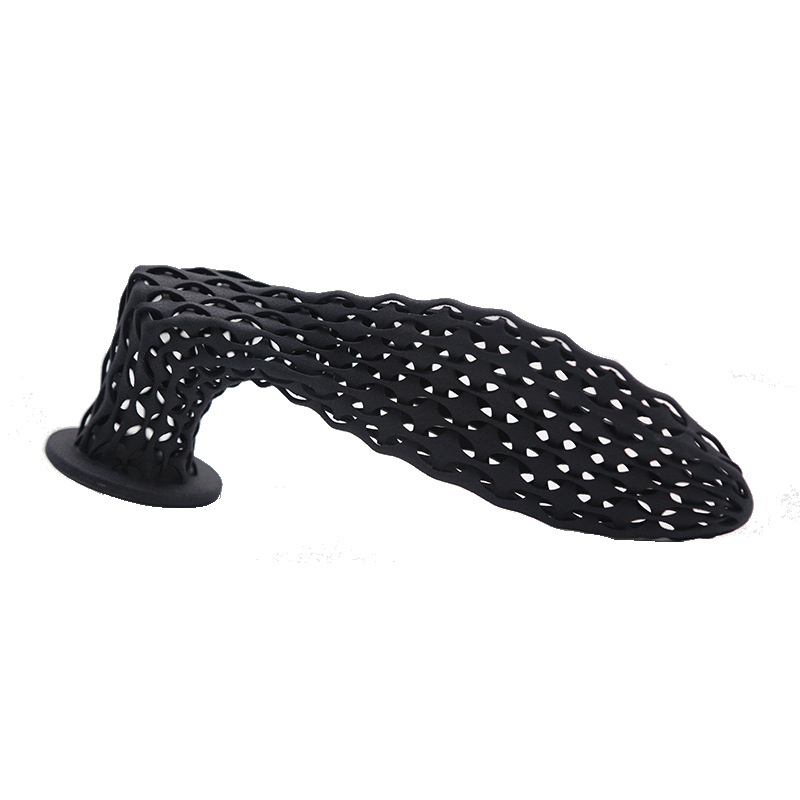
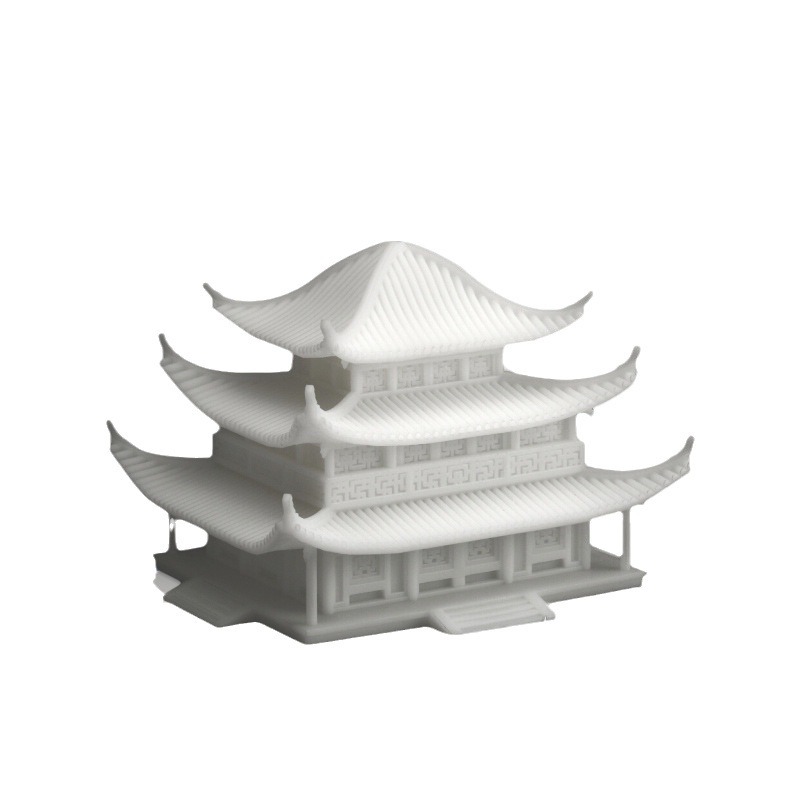
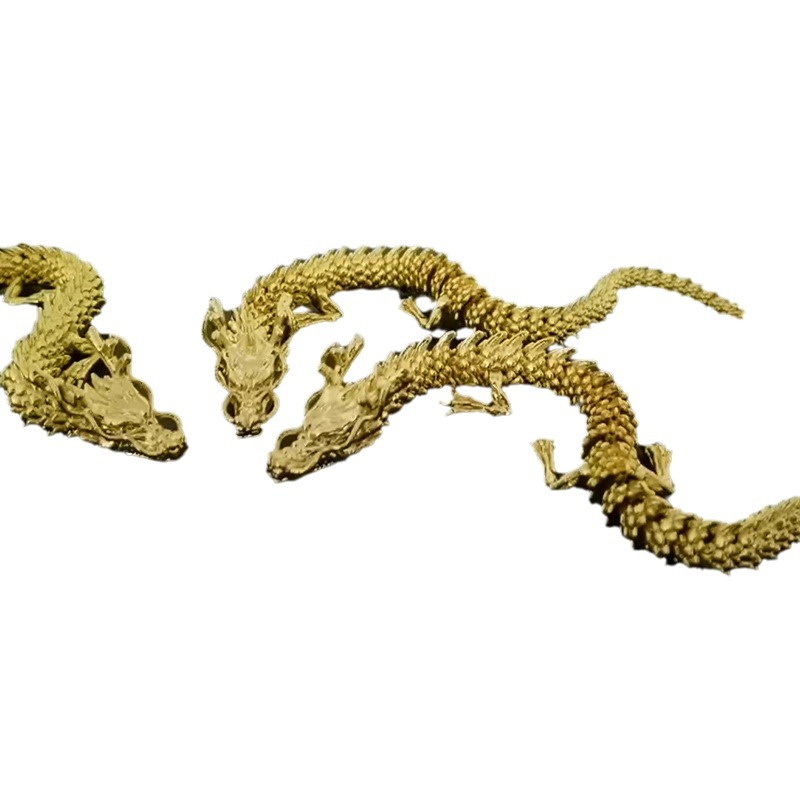
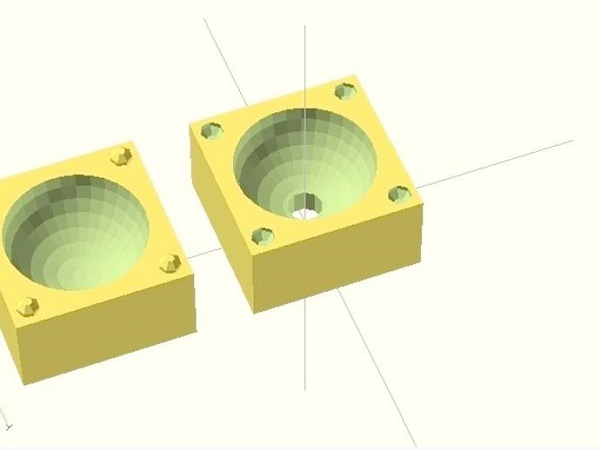
3D printed moulds represent a revolution in mould-making. Instead of machining or engraving, we print moulds layer by layer from digital designs. This means:
- Complex geometries impossible with traditional methods
- Custom designs for each project at no extra cost
- Fast turnaround for prototypes and short runs
- Varied materials from polymers to metals
A jewelry designer recently came to us needing casting moulds for a limited collection. Traditional methods would take weeks and cost thousands. We 3D printed the moulds in three days for a fraction of the cost. The castings came out perfect.
Inkjet printing takes another approach. Instead of a permanent plate, the printer head acts as a dynamic mould, depositing ink exactly where needed based on digital data. This enables:
- Variable data printing – Every page different if desired
- No plate costs – Economical for short runs
- Quick turnaround – From file to print in minutes
Advantages: Ultimate flexibility, no plate inventory, perfect for short runs and personalization
Disadvantages: Higher per-page cost at volume, slower than offset for large runs
Comparison at a Glance
| Mould Type | How It Works | Best For | Run Length | Cost per Unit |
|---|---|---|---|---|
| Relief | Raised image areas | Packaging, specialty | Medium | Moderate |
| Intaglio | Recessed image areas | Security printing, art | Short to medium | High |
| Planographic | Chemical treatment | Books, magazines, newspapers | Long | Low |
| Digital (3D) | Printed moulds | Custom, prototypes | Very short | Low to moderate |
| Digital (Inkjet) | No permanent plate | Variable data, short runs | Very short | Moderate to high |
How Do You Choose the Right Printing Mould?
Selecting the right mould depends on several factors. Here's what to consider.
What's Your Printing Volume?
Volume drives many decisions in printing.
High-volume printing (hundreds of thousands or millions of impressions) demands durability. Metal offset plates or engraved cylinders make sense. They cost more upfront but last through long runs without replacement.
A newspaper printing millions of copies daily needs plates that withstand high speed and continuous use. Metal offset plates deliver—often lasting hundreds of thousands of impressions before needing replacement.
Low-volume printing (hundreds or thousands of impressions) prioritizes flexibility. Digital methods shine here. No plate costs, quick setup, and the ability to change designs between runs.
A local business needing 500 brochures would waste money making metal plates. Digital printing gives them quality results without the overhead.
What Quality Do You Need?
Quality requirements vary dramatically by application.
Premium quality demands intaglio or high-end offset. Art reproductions, luxury packaging, and security documents need the detail and consistency these methods provide. The cost justifies itself in the final product's impact.
Standard quality works for most commercial printing. Offset lithography produces clean text, good images, and accurate color—perfect for magazines, catalogs, and general marketing materials.
Basic quality might suit internal documents or short-life materials. Digital printing at standard settings handles these easily.
What's Your Budget?
Cost considerations go beyond the initial plate.
Upfront costs vary widely:
- Metal intaglio plates: Hundreds to thousands of dollars
- Offset plates: Moderate, especially with CTP
- 3D printed moulds: Low to moderate, depending on complexity
- Digital (plateless): No plate cost
Per-impression costs tell the real story:
- Long runs amortize plate cost over many impressions
- Short runs benefit from low or no plate cost
- Factor in setup time, makeready waste, and labor
Maintenance costs add up:
- Metal plates need cleaning and occasional re-engraving
- Digital printers need calibration and maintenance
- Storage costs for physical plate inventory
What Substrate Are You Printing On?
Different materials need different moulds.
Paper works with almost any method—offset dominates for good reason.
Plastic films need careful ink selection and often require special plate treatments.
Fabric printing might use rotary screens or digital methods.
Metal and glass typically need specialized processes like pad printing or digital ceramics.
How Are Modern Printing Moulds Made?
Technology has transformed mould-making.
Traditional Methods Still Used
Skilled artisans still engrave metal for special applications. Chemical etching creates plates for various processes. But these methods shrink as digital takes over.
Computer-to-Plate (CTP)
CTP revolutionized offset printing. Digital files go directly to platesetters that image plates with lasers. Benefits:
- No film – Eliminates a whole process step
- Better registration – More accurate image placement
- Finer detail – Laser imaging beats film-based methods
- Faster turnaround – Hours instead of days
3D Printing for Moulds
Additive manufacturing opens new possibilities:
- Conformal cooling channels in injection moulds speed cycles
- Complex geometries impossible to machine
- Rapid iteration – Test designs in days, not weeks
- Custom moulds economically viable
Real example: A client needed moulds for a short-run injection molding project. Traditional machining would cost $8,000 and take 4 weeks. We 3D printed the moulds for $1,200 in 5 days. The parts met specifications, and the client saved time and money.
Hybrid Approaches
Combining methods often gives best results. Print a mould near-net shape, then machine critical surfaces. This leverages the strengths of each technology.
What Applications Use Different Printing Moulds?
Understanding real-world applications helps match moulds to needs.
Packaging
Packaging printing demands consistent quality across long runs. Offset lithography dominates, with flexography (a relief method) for flexible packaging. High-end packaging might use intaglio for special effects.
A cosmetics company printing millions of boxes needs plates that hold up. Offset plates deliver consistent color and sharp detail run after run.
Publishing
Books, magazines, and newspapers rely on offset lithography. The combination of quality, speed, and cost-effectiveness is unbeatable at scale.
A weekly magazine prints hundreds of thousands of copies. Offset plates let them maintain quality while running at high speed.
Security Printing
Banknotes, passports, and certificates use intaglio. The distinctive raised ink is both beautiful and hard to counterfeit. Modern security printing combines intaglio with other methods for multiple levels of protection.
Commercial Printing
Brochures, flyers, and marketing materials increasingly use digital printing for short runs, offset for longer runs. Digital's ability to personalize each piece adds value for targeted marketing.
Industrial Applications
Beyond traditional printing, moulds serve industrial needs:
- Pad printing transfers images onto irregular surfaces
- Screen printing uses mesh screens for thick ink deposits
- Hot stamping uses metal dies for foil application
What Trends Are Shaping Printing Moulds?
The industry continues to evolve.
Shorter Runs
Markets demand variety. Brands want frequent packaging changes. Digital printing grows as a result—no plate costs make short runs economical.
Personalization
Variable data printing lets every piece be unique. Direct mail with personalized offers, packaging with individual QR codes—digital enables this.
Sustainability
Reducing waste matters. CTP eliminates film and chemicals. Digital printing reduces inventory and waste from obsolete printed materials. Water-washable plates replace solvent-based processing.
Integration
Print becomes part of broader systems. QR codes link physical to digital. Printed electronics add functionality to packages. Moulds must accommodate these features.
Conclusion
Printing moulds remain fundamental to how we reproduce images and text, even as technology transforms the industry. From ancient woodblocks to modern 3D-printed plates, the principle endures—a master image carrier transfers its design to multiple copies.
The right mould depends on your specific needs:
- Volume drives the choice between durable plates and flexible digital
- Quality requirements determine whether you need intaglio detail or offset consistency
- Budget must consider both upfront and per-impression costs
- Substrate influences which methods work at all
Traditional methods like offset lithography continue to dominate high-volume work for good reason—they deliver consistent quality at the lowest cost. But digital technologies keep expanding their range, making short runs and personalization increasingly accessible.
At Yigu Technology, we've helped clients navigate these choices for decades. Whether you need traditional plates for long runs or custom 3D-printed moulds for specialized applications, understanding the options leads to better decisions and better results.
The printing industry will keep evolving. New materials, faster processes, and smarter systems will emerge. But the fundamental role of the printing mould—carrying the image from idea to substrate—will remain central to how we communicate through print.
Frequently Asked Questions
How long does it take to produce a printing mould?
Production time varies by type and complexity. Simple offset plates can be ready in hours with CTP technology. Engraved intaglio plates might take 1-2 weeks. 3D-printed moulds typically take 2-5 days depending on size and complexity.
Can I use the same printing mould for different materials?
Sometimes, but not always. A mould designed for paper may not work well on fabric or plastic—ink adhesion, pressure requirements, and drying characteristics differ. Always test with your specific substrate.
What maintenance do printing moulds need?
Metal plates need regular cleaning with appropriate solvents to remove ink residue. Store them in a clean, dry environment. Digital printing heads need calibration and occasional cleaning. Wooden moulds require humidity control to prevent warping.
How many impressions can I get from a printing mould?
It depends entirely on the mould type and material. Metal offset plates often last hundreds of thousands of impressions. Intaglio plates can last tens of thousands. 3D-printed plastic moulds might last hundreds to a few thousand, depending on the application.
What's the difference between a printing mould and a printing plate?
The terms are often used interchangeably. "Mould" sometimes implies a tool that shapes material (like injection moulding), while "plate" specifically refers to the image carrier in printing. In practice, both describe the master image carrier.
Are digital printing moulds cheaper than traditional ones?
For short runs, yes—no plate cost makes digital economical. For long runs, the per-impression cost of digital exceeds offset, so traditional plates become cheaper overall. The crossover point varies but often falls somewhere between 500 and 2,000 impressions.
What's computer-to-plate (CTP) technology?
CTP creates printing plates directly from digital files using lasers, eliminating the film step in traditional plate-making. It's faster, more accurate, and reduces chemical use compared to older methods.
Can 3D printing create functional printing moulds?
Absolutely. 3D printing produces moulds for injection molding, casting, and even some printing applications. The key is matching material and process to your requirements—plastic printed moulds work for short runs, while metal printed moulds can approach traditional tool life.
Contact Yigu Technology for Custom Manufacturing
Need help with printing moulds for your next project? At Yigu Technology, we combine decades of manufacturing experience with advanced 3D printing and traditional mould-making capabilities. Whether you need offset plates, custom intaglio work, or 3D-printed moulds for short-run production, our team delivers precision results. [Contact us today] to discuss your requirements—we'll help you choose the right approach and deliver moulds that meet your specifications.