Introduction
You need a part with complex geometry—internal channels, intricate lattices, organic shapes. FDM can't quite capture the detail. Resin might be too brittle. Machining would be impossible. What do you use? SLS 3D printing—Selective Laser Sintering—is often the answer. This technology builds parts by fusing powder particles with a laser, creating durable, functional components without the need for support structures. From aerospace brackets to medical implants, SLS delivers strength, complexity, and design freedom that other methods cannot match. This guide explains how SLS works, its key components, applications across industries, and what you need to know to use it effectively.
What Is SLS 3D Printing?
Definition and Basic Principle
SLS (Selective Laser Sintering) is an additive manufacturing technology that uses a high-power laser to fuse powdered material layer by layer. Unlike FDM which extrudes filament or SLA which cures resin, SLS works with powders—typically nylon, but also metals, ceramics, and composites.
The process:
- A digital 3D model is sliced into thin layers (typically 0.05–0.2 mm)
- A roller spreads a thin layer of powder across the build platform
- A laser scans the cross-section of the current layer, sintering (fusing) powder particles together
- The platform lowers by one layer thickness
- A new layer of powder is spread
- The laser sinters the next layer, bonding it to the one below
- Repeat until the part is complete
The unsintered powder remains in place, supporting overhangs and complex geometries. This means no support structures are needed—a game-changing advantage.
Key Components
Laser Source: The heart of the system. Most SLS printers use CO₂ lasers with wavelengths around 10.6 μm. Laser power ranges from a few watts to hundreds of watts. Higher power sinters faster but requires precise control to avoid degrading material. Industrial systems often use multiple lasers to increase throughput.
Powder Bed: Holds the powdered material and provides a flat surface for sintering. Built from heat-resistant materials. Includes mechanisms—typically a roller or blade—to spread fresh powder evenly. Layer thickness precisely controlled, usually 0.05–0.2 mm.
Scanning System: Galvanometric mirrors and lenses direct the laser beam across the powder bed. Mirrors move at incredible speeds—thousands of points per second—tracing complex 2D shapes for each layer. Accuracy is critical; the system must position the beam within microns.
Control System: The brain that coordinates everything. Reads 3D model data, slices into layers, and sends instructions to laser, scanning system, powder spreader, and temperature controls. Monitors the process and adjusts parameters in real time.
Build Chamber: Heated environment—typically just below the powder's melting point. This reduces laser power requirements and minimizes warping. Temperature control within ±1°C is common for high-quality results.
Powder Handling System: Manages powder supply, recycling, and removal. After printing, parts are surrounded by unsintered powder, which can be recovered and reused—typically 50–95% recyclable depending on material and process.
How Does SLS Compare to Other 3D Printing Technologies?
| Factor | SLS | FDM | SLA | Metal Powder Bed |
|---|---|---|---|---|
| Materials | Nylon, TPU, composites, some metals | Thermoplastics | Photopolymers | Metals only |
| Support Structures | None—powder supports | Required | Required | Required |
| Strength | Excellent—dense, durable parts | Good, but anisotropic | Moderate, can be brittle | Very high |
| Surface Finish | Slightly rough, grainy | Visible layer lines | Smooth | Variable, often rough |
| Detail | Good—features down to 0.3 mm | Limited by nozzle | Excellent—down to 0.05 mm | Excellent |
| Build Volume | Large—up to meters with industrial | Large | Limited | Moderate |
| Post-Processing | Powder removal, media blasting | Support removal, sanding | Cleaning, curing, support removal | Support removal, heat treat, machining |
| Cost per Part | Moderate to high | Low to moderate | Moderate | High |
When SLS Excels
- Complex geometries: Internal channels, lattices, organic shapes—all without supports
- Functional parts: Durable nylon withstands stress, wear, and heat
- Small to medium batches: No tooling makes it economical for dozens to hundreds of parts
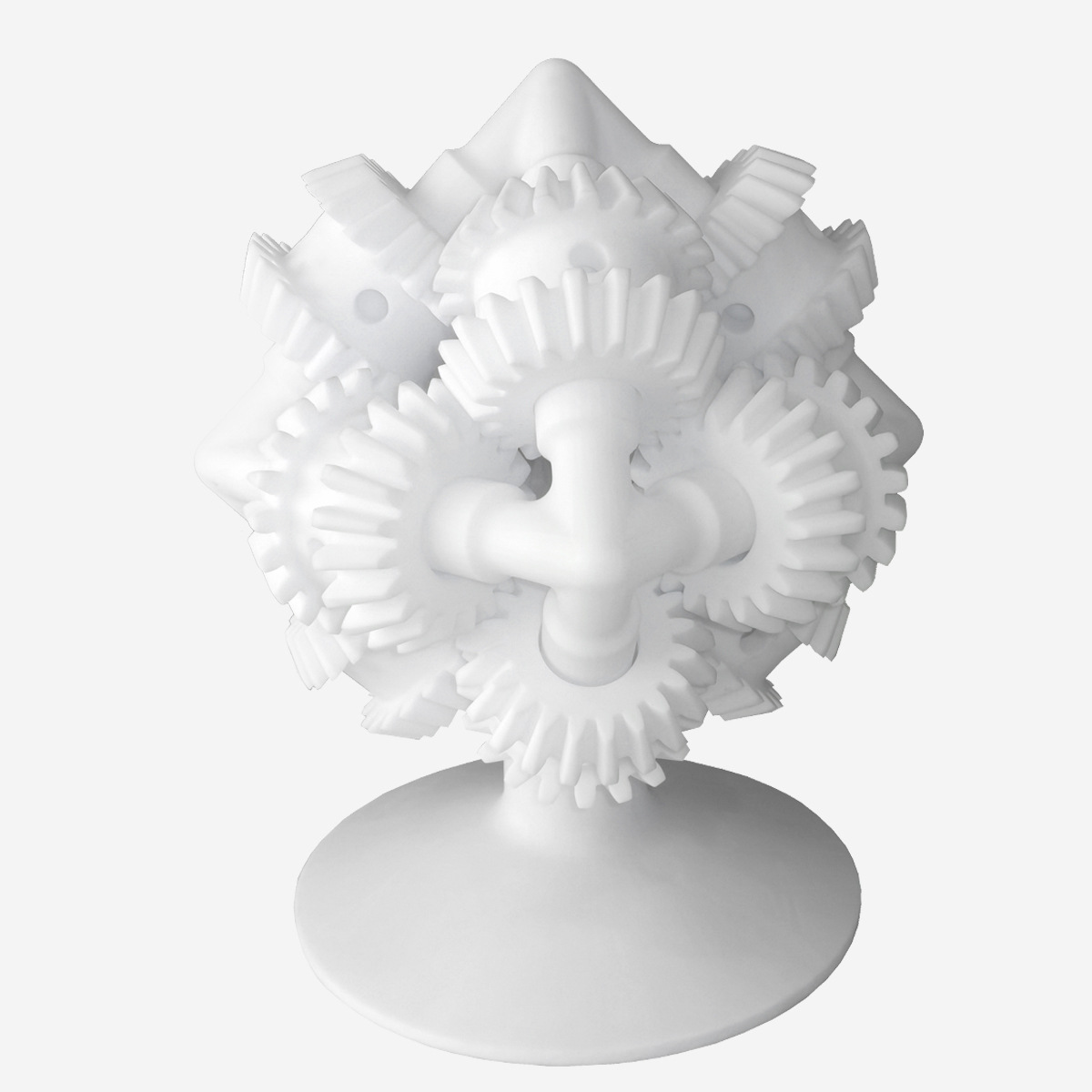
- Moving parts: Assemblies can be printed as single units with integrated joints
- Heat resistance: Nylon handles higher temperatures than standard resins or PLA
When to Choose Other Methods
- Extreme detail: SLA or resin for jewelry, dental models
- Large, simple parts: FDM for low cost
- Metal requirements: Metal powder bed for aerospace, medical implants
- High volumes: Injection molding when quantities justify tooling
What Materials Work with SLS?
| Material | Properties | Typical Applications |
|---|---|---|
| Nylon 12 (PA12) | Strong, durable, chemical resistant | Functional prototypes, end-use parts, housings |
| Nylon 11 (PA11) | More flexible, impact resistant | Living hinges, snap-fit designs, sports equipment |
| Glass-Filled Nylon | Stiff, heat resistant, dimensionally stable | Structural components, automotive under-hood parts |
| Carbon-Fiber Filled | Very stiff, lightweight | Aerospace brackets, high-performance parts |
| TPU (Flexible) | Rubber-like elasticity | Gaskets, seals, soft-touch components, footwear |
| Alumide (Aluminum-filled) | Metallic appearance, stiffness | Cosmetic parts, heat-resistant applications |
| Metal Powders | High strength, heat resistant | Aerospace, medical, industrial (requires higher-power systems) |
| Ceramic Powders | High-temperature resistance | Foundry cores, investment casting patterns |
Nylon 12 (PA12)
The workhorse of SLS. Excellent balance of strength, flexibility, and chemical resistance. Absorbs moisture but performs well in most environments. Can be dyed or painted. Used for functional prototypes, end-use parts, and production components.
Nylon 11 (PA11)
More flexible and impact-resistant than PA12. Better elongation before break. Ideal for living hinges, snap-fit designs, and parts that must withstand repeated stress.
Glass-Filled Nylon
Glass fibers (typically 30–40%) added for stiffness and heat resistance. Less flexible than unfilled nylon, but much stronger and more dimensionally stable. Used for structural components and applications requiring elevated temperature resistance.
Carbon-Fiber Filled
Carbon fibers add exceptional stiffness and low weight. Parts approach aluminum-like rigidity at fraction of weight. Used in aerospace, automotive, and high-performance applications.
TPU (Thermoplastic Polyurethane)
Flexible, rubber-like material. Elongation at break up to 200%. Returns to shape after deformation. Used for gaskets, seals, soft-touch components, and footwear.
Metal and Ceramic Powders
High-end SLS systems process metal and ceramic powders for industrial applications. Requires higher laser power and often post-processing like sintering or infiltration.
What Are the Key Advantages of SLS?
No Support Structures
This is the killer feature. Because unsintered powder surrounds the part, overhangs, internal cavities, and complex geometries are automatically supported. No need to design and remove supports. No surface damage from support removal. Complete design freedom.
Excellent Mechanical Properties
SLS nylon parts are strong, durable, and resistant to heat and chemicals. Layer bonding is excellent—parts are nearly isotropic, meaning strength is consistent in all directions. Unlike FDM, which can delaminate, SLS parts behave like molded components.
Complex Geometries
Internal channels, lattice structures, organic shapes—all possible. Design for function, not manufacturability. Conformal cooling channels in molds. Lightweight aerospace brackets. Medical implants with porous surfaces for bone ingrowth.
Functional Parts
SLS produces end-use parts, not just prototypes. Production runs of hundreds or thousands are common. No tooling means economical small batches. Design changes cost nothing—just modify the file.
Material Efficiency
Unused powder recycles. Recovery rates of 50–95% are typical. Waste is minimal compared to machining. For expensive materials, this matters enormously.
What Are the Limitations?
Surface Finish
As-printed surfaces are slightly rough and grainy—like fine sandpaper. Media blasting (tumbling with abrasive) improves finish but may not match SLA smoothness. For cosmetic parts, post-processing may be needed.
Detail Resolution
Minimum feature size is around 0.3–0.5 mm. Fine details like small text or intricate patterns may not resolve as well as SLA. For extreme detail, other technologies are better.
Equipment Cost
Industrial SLS systems cost $100,000–$700,000+ . Entry-level "desktop" SLS printers exist but have limited build volumes and capabilities. This puts SLS out of reach for many hobbyists and small businesses.
Material Cost
Nylon powders cost $50–$100 per kg—more than FDM filament but less than metal powders. Specialty materials cost more.
Post-Processing
Parts must be separated from the powder cake. Powder removal can be messy. Media blasting or tumbling is often required for good surface finish. Dyeing or painting may be needed for color.
Thermal Degradation
Powder left in the heated chamber degrades over time. Fresh powder must be mixed with used powder at controlled ratios. Process management requires attention.
Where Is SLS Used?
Automotive Industry
Applications:
- Functional prototypes for testing
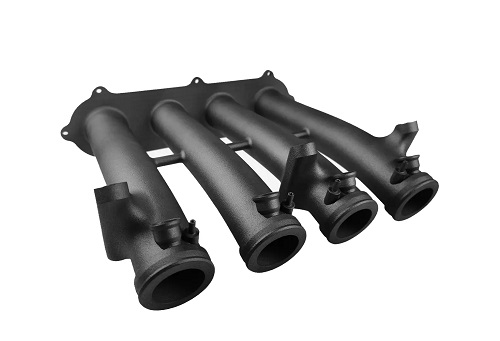
- Ductwork and air management components
- Brackets and housings
- Small-batch production parts
- Custom tools and fixtures
Real-world example: An automotive manufacturer needed 100 complex air ducts for a prototype vehicle. Traditional methods: injection molding tooling—$30,000, 8 weeks. SLS: print all 100 in one batch—$4,000, 1 week. Design changes incorporated instantly.
Cost comparison for 100 complex parts:
| Aspect | Traditional Manufacturing | SLS 3D Printing |
|---|---|---|
| Mold/Tooling Cost | $10,000–$30,000 | $0 |
| Material Cost per Part | $5 | $20 |
| Labor Cost | $2,000 | $500 |
| Total Cost | $17,000–$37,000 | $2,500 |
| Production Cycle | 4–8 weeks | 1–2 weeks |
For small batches of complex parts, SLS wins on both cost and time.
Aerospace and Defense
Applications:
- Lightweight brackets and structural components
- Ducting for environmental systems
- Custom tooling for composite layup
- Replacement parts for legacy aircraft
- Drone components
Real-world example: A study found that SLS-printed titanium alloy components in an aircraft engine reduced weight by 15% and increased fuel efficiency by 10% . The ability to create optimized lattice structures made this possible.
Healthcare and Medical
Applications:
- Custom surgical guides
- Anatomical models for planning
- Prosthetic sockets
- Orthotic devices
- Patient-specific implants (with appropriate materials)
Real-world example: A hospital used SLS to create custom surgical guides for complex knee replacements. Patients who received SLS-printed implants had 30% shorter recovery time compared to those with standard implants. Better fit meant faster healing.
Industrial Manufacturing
Applications:
- Jigs and fixtures
- End-of-arm tooling for robots
- Replacement parts for machinery
- Custom manufacturing aids
Real-world example: A factory had a critical machine down, waiting for a replacement part—two weeks from overseas. They scanned the broken part, SLS-printed a new one in nylon, and were running in 24 hours.
Consumer Goods
Applications:
- Custom eyewear frames
- Sporting goods
- Protective cases
- Fashion accessories
What Should You Know About Post-Processing?
Powder Removal
Parts emerge from the printer surrounded by unsintered powder. This "powder cake" must be removed:
- Manual removal: Brush and compressed air
- Media blasting: Fine abrasive (glass beads, walnut shells) cleans surfaces and improves finish
- Ultrasonic cleaning: For complex internal cavities
Reclaimed powder can be reused, typically mixed with fresh powder at 30–70% ratios.
Surface Finishing
As-printed SLS parts have a slightly rough, matte finish—like fine sandpaper. Options to improve:
- Media blasting: Most common. Smooths surface, gives uniform appearance.
- Dyeing: Nylon absorbs dyes well. Parts can be colored after printing.
- Smoothing: Chemical or vapor smoothing can reduce roughness.
- Coating: Primers and paints adhere well to SLS parts.
- Machining: Critical surfaces can be machined for tight tolerances.
Sealing
SLS parts can be slightly porous. For applications requiring airtightness or fluid resistance:
- Infiltration: Apply sealant that penetrates pores
- Coating: External barrier seals surface
Assembly
Multiple printed parts can be assembled. Because SLS can print interlocking features, assemblies can sometimes be printed as single units with moving parts.
How Much Does an SLS System Cost?
| System Type | Price Range | Build Volume | Typical Users |
|---|---|---|---|
| Entry-Level Desktop | $5,000–$20,000 | Small (100–150 mm) | Hobbyists, small businesses |
| Mid-Range | $20,000–$100,000 | Medium (200–300 mm) | Service bureaus, product design firms |
| Industrial | $100,000–$700,000+ | Large (500 mm+) | Aerospace, automotive, manufacturing |
Factors affecting price:
- Build volume (larger = more expensive)
- Laser power and quality
- Scanning system accuracy
- Temperature control precision
- Automation features (powder handling, cooling)
- Material compatibility
Operational costs:
- Powder: $50–$100 per kg (nylon)
- Maintenance: Annual service contracts
- Energy: Significant for heated chambers
- Labor: Post-processing time
How Does Yigu Technology Use SLS?
As a non-standard plastic and metal products custom supplier, Yigu Technology leverages SLS for applications where its unique strengths matter.
Our Experience in Action
Automotive client: Needed complex air ducts for a prototype vehicle. Traditional fabrication would require molding—too slow, too expensive. We printed all ducts in nylon using SLS. Parts tested successfully. Design iterations happened weekly instead of monthly.
Medical device company: Required custom surgical guides for a new procedure. Each guide patient-specific, each needed quickly. SLS printed them in durable nylon. Surgeons reported perfect fit, reduced surgery time.
Industrial manufacturer: Needed replacement parts for aging machinery—no longer available. We scanned worn parts, printed new ones in glass-filled nylon. Machine back in service within days.
Our Capabilities
We maintain industrial SLS systems capable of:
- Large build volumes
- Multiple materials (nylon, glass-filled, TPU)
- Consistent quality for production runs
- Fast turnaround
Material Expertise
We help clients select the right material:
- Nylon 12 for general-purpose strength
- Glass-filled for stiffness and heat resistance
- TPU for flexibility
- Specialty formulations for specific requirements
Quality Commitment
- Process validation
- Material traceability
- Inspection protocols
- Documentation when needed
Conclusion
SLS 3D printing occupies a unique space in additive manufacturing. It offers the strength and durability of engineering thermoplastics with design freedom that powder bed fusion provides—all without the constraints of support structures.
Key advantages:
- No supports means unlimited geometric complexity
- Functional parts withstand real-world use
- Material efficiency with powder recycling
- Cost-effective for small batches—no tooling
- Excellent mechanical properties approaching molded parts
Limitations exist—surface finish, detail resolution, equipment cost. But for the right applications, SLS is unmatched.
Industries from automotive to aerospace to medical rely on SLS for prototypes, production parts, and everything in between. As technology advances, systems become more affordable and materials expand.
For designers and engineers, understanding SLS means adding a powerful tool to your manufacturing toolkit. When you need strength, complexity, and functionality, SLS delivers.
Frequently Asked Questions
Q1: What types of materials can be used in SLS 3D systems?
Common materials include nylon (PA12, PA11), glass-filled nylon, carbon-fiber filled nylon, TPU (flexible), and specialty composites. Metal and ceramic powders are also used in industrial systems. Each offers different properties for different applications.
Q2: Is SLS 3D printing suitable for large-scale production?
For mid-scale production of complex parts (hundreds to thousands), SLS can be cost-effective—no tooling, quick iteration. For extremely high volumes (millions) of simple parts, traditional methods like injection molding remain more economical. The breakeven point depends on part complexity.
Q3: How much does an SLS 3D printing system cost?
Prices range from $5,000 for entry-level desktop systems to $700,000+ for industrial machines. Factors include build volume, laser power, accuracy, and automation. Industrial systems offer larger build volumes, better quality, and higher throughput.
Q4: How strong are SLS printed parts?
SLS nylon parts have excellent strength—tensile strength of 40–50 MPa for standard nylon, higher for filled materials. Parts are nearly isotropic, meaning strength is consistent in all directions. They withstand stress, wear, and moderate heat.
Q5: Do SLS parts need post-processing?
Yes. Parts must be separated from the powder cake and cleaned. Media blasting is common for surface finish. Dyeing, painting, or coating may be needed for appearance or functionality. For some applications, as-printed finish is acceptable.
Q6: Can SLS print moving parts?
Yes. Assemblies with interlocking components, hinges, and joints can be printed as single units. The unsintered powder clears from gaps, leaving functional mechanisms. This capability is unique to powder-based processes.
Q7: What's the difference between SLS and MJF (Multi Jet Fusion)?
Both are powder-based nylon printing technologies. SLS uses a laser to sinter powder. MJF uses a fusing agent and detailing agent, then heats the entire layer with infrared lamps. MJF can be faster for some geometries and may offer better surface finish. Both produce excellent functional parts.
Contact Yigu Technology for Custom Manufacturing
Ready to explore SLS 3D printing for your next project? At Yigu Technology, we combine SLS expertise with broader manufacturing capabilities. Our team helps you select the right materials, optimize designs for printability, and deliver quality parts on schedule.
Visit our website to see our capabilities. Contact us today for a free consultation and quote. Let's bring your complex designs to life.