Introduction
You have a product idea. It is innovative, has market potential, and you are ready to move forward. But turning that idea into a successful product requires more than inspiration—it requires a tangible prototype. Prototype makers are the bridge between abstract concepts and physical reality. They transform sketches and digital models into functional models that can be tested, refined, and validated. This guide explores how prototype makers benefit product development, the types of prototypes they create, the services they offer, and how to choose the right partner.
Why Are Prototypes Essential in Product Development?
Prototypes are the cornerstone of successful product development. They serve multiple indispensable functions:
- Validate concepts: Test whether the product works as intended
- Identify design flaws: Catch issues early when fixes are cheap
- Gather user feedback: Real interaction reveals what users actually need
- Communicate vision: Tangible models convey ideas more effectively than drawings
- Reduce risk: Prevent costly mistakes during mass production
Choosing the right prototype maker is a critical decision that significantly impacts the outcome of your product development process.
What Do Prototype Makers Do?
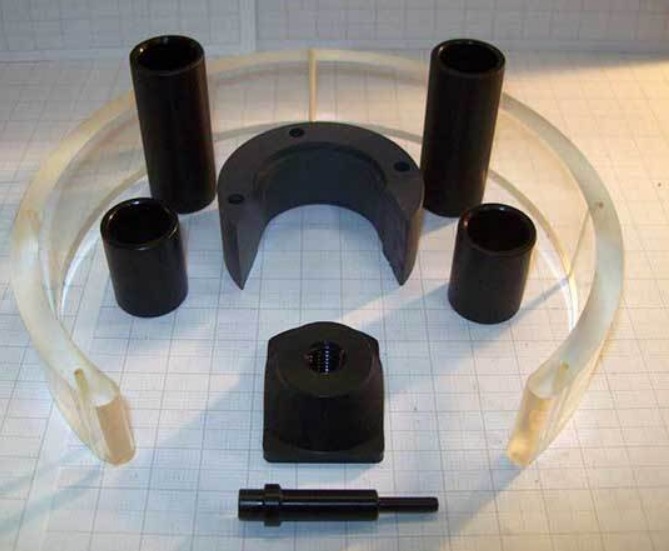
Prototype makers are professionals or companies specializing in creating prototypes. They have the skills, knowledge, and tools to translate designs—from rough sketches to detailed 3D models—into tangible prototypes.
Types of Prototypes They Create
| Type | Focus | Advantages | Disadvantages |
|---|---|---|---|
| Visual Prototypes | Appearance and visual design | Quick, inexpensive, easy to modify, explore design concepts | Lack physicality and functionality; cannot test function |
| Functional Prototypes | Functionality, performance, usability | Thorough testing of functionality; user-testing; accurate representation of final operation | Time-consuming, expensive, complex to build |
Visual prototypes (virtual prototypes) are created using CAD software or 3D modeling tools. They are excellent for early sense of product aesthetics—shape, color, visual appeal.
Functional prototypes (working models) demonstrate how the product will work. They are built to test functionality, performance, and usability—closer to the final product in operation.
What Services Do Prototype Makers Offer?
Design and Engineering Support
Prototype makers offer crucial design and engineering support throughout the development process. Experienced engineers collaborate closely with clients to understand product concepts—intended use, target market, specific requirements, constraints.
Material Selection and Sourcing
Selecting the right materials directly impacts prototype performance, functionality, and cost. Prototype makers have in-depth knowledge of a wide range of materials and recommend the most suitable based on requirements.
| Material | Strength | Heat Resistance | Cost | Applications |
|---|---|---|---|---|
| Aluminum | High strength-to-weight | Moderate | Moderate | Aerospace, automotive, consumer electronics |
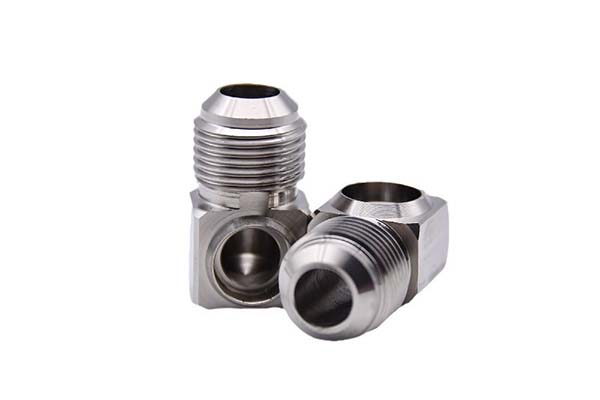
| Stainless Steel | High strength, corrosion-resistant | High | High | Medical devices, food processing equipment |
| ABS Plastic | Good mechanical properties, easy to mold | Low | Low | Prototyping consumer products, toys |
| Carbon Fiber Composite | High strength, lightweight | High | High | Aerospace, high-performance sports equipment |
Consider mechanical properties (strength, hardness, flexibility), chemical properties (corrosion, heat, chemical resistance), and physical properties (density, appearance).
Manufacturing Processes
Prototype makers utilize various manufacturing processes, each with advantages and limitations.
| Process | Advantages | Disadvantages |
|---|---|---|
| 3D Printing | Complex geometries, fast for small-scale, quick iteration, less waste | Limited materials, lower mechanical properties, restricted build volume |
| CNC Machining | High precision, wide material range, good surface finish, complex shapes with multi-axis | Time-consuming for complex parts, higher setup, higher cost for small batches |
| Injection Molding | High-volume production, excellent surface finish, wide material range, complex shapes | High upfront mold cost, long mold lead time, costly design changes |
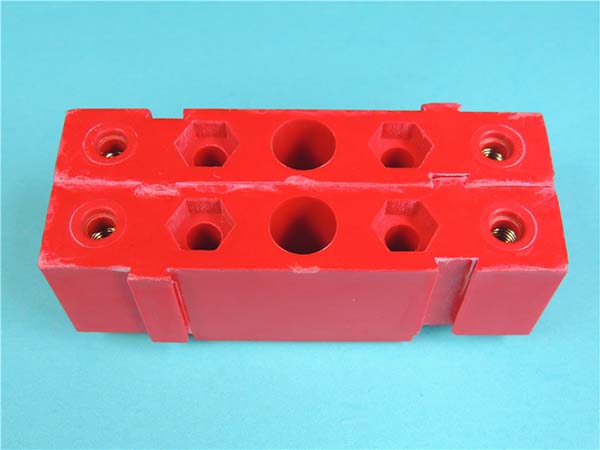
3D printing (additive manufacturing) builds prototypes layer by layer from digital models. Creates complex geometries impossible with traditional methods—internal cavities, intricate lattice structures. Fast for small-scale prototypes; quick iteration; less material waste.
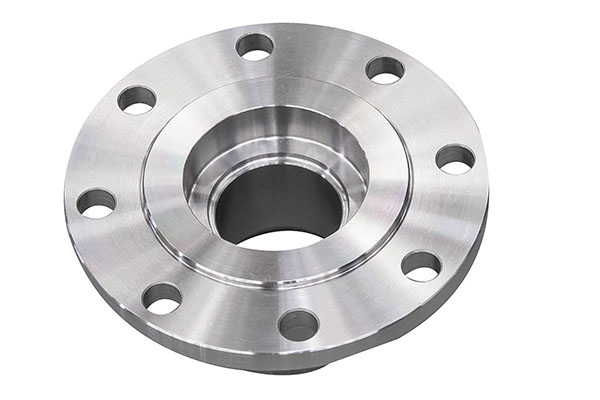
CNC machining uses computer-controlled machines to remove material from solid blocks. Offers high precision and accuracy for tight tolerances. Works with wide range of materials—metals, plastics, composites. Good surface finish; multi-axis machines produce complex shapes.
Injection molding injects molten plastic into mold cavities under high pressure. Ideal for high-volume prototypes with consistent quality. Excellent surface finish and dimensional accuracy; wide variety of plastics; complex shapes.
How Do You Choose the Right Prototype Maker?
Evaluate Experience and Portfolio
Experience indicates the prototype maker has encountered and overcome various challenges. A company with long-standing presence has refined processes and developed deep understanding of materials, manufacturing techniques, and design requirements.
Assess Manufacturing Capabilities
Equipment: State-of-the-art equipment achieves higher levels of accuracy and efficiency. Advanced CNC machining centers produce parts with very tight tolerances. Diverse equipment—3D printers, injection molding machines, testing equipment—offers different manufacturing options.
Manufacturing processes: Good prototype makers are proficient in multiple processes to provide the best solution. They explain pros and cons of each process and recommend the most appropriate based on your project.
Production scale: Some specialize in small-batch production—ideal for initial prototype development and testing. Others handle larger runs—beneficial for moving quickly from prototyping to small-scale production. Choose a maker that can scale up as required for seamless transition.
Read Customer Reviews and Testimonials
Reviews provide insights into previous clients’ experiences—gauging strengths and weaknesses. Positive reviews highlight:
- Quality of prototypes (high-standard quality control)
- Communication skills (responsive, regular updates, easy to work with)
- Ability to meet deadlines (crucial for project timeline)
Consider Cost and Turnaround Time
Balance cost and quality. Short turnaround time is desirable but not at quality expense.
Cost: Varies by design complexity, materials, manufacturing processes, quantity. Get detailed breakdowns to understand expenses and compare quotes effectively.
Turnaround time: Time to complete project and deliver prototypes. Ensure the maker can maintain quality while meeting deadlines.
What About Intellectual Property Protection?
Prototype makers can play a significant role in intellectual property protection.
Non-disclosure agreements (NDAs) : Standard practice to have prototype makers sign NDAs. Legally binding documents prohibit disclosure of product information—design, functionality, proprietary details—to third parties. For a new, innovative smartphone accessory, an NDA ensures the prototype maker cannot share design concepts with competitors.
How Does Yigu Technology Approach Prototype Making?
As a non-standard plastic and metal products custom supplier, Yigu Technology provides comprehensive prototype making services.
We Offer Design and Engineering Support
Our experienced engineers collaborate closely to understand product concepts—intended use, target market, requirements, constraints. We provide design optimization feedback to improve manufacturability and performance.
We Guide Material Selection
We recommend materials based on mechanical, chemical, and physical properties—aluminum for strength-to-weight, stainless steel for corrosion resistance, ABS for cost-effective prototyping, carbon fiber for high-performance applications.
We Provide Multiple Manufacturing Processes
- 3D printing for complex geometries, quick iteration
- CNC machining for precision, tight tolerances, wide material range
- Injection molding for high-volume prototypes
We Protect Your IP
We sign NDAs and maintain confidentiality. Your designs remain yours.
Conclusion
Prototype makers are essential partners in product development. They create visual prototypes for design validation and functional prototypes for performance testing. They offer design support, material expertise, and multiple manufacturing processes—3D printing, CNC machining, injection molding. Choosing the right prototype maker requires evaluating experience, manufacturing capabilities, customer reviews, cost, and turnaround time. With the right partner, you validate concepts, identify flaws, gather feedback, and bring successful products to market faster.
Frequently Asked Questions
What is the typical cost of hiring a prototype maker?
Cost varies significantly by complexity. Simple prototypes (basic plastic container, straightforward shape) using 3D printing and common materials like ABS: $100–$500. Complex prototypes (miniaturized, multi-function electronic devices with intricate circuitry and precision components): $5,000–$20,000+ . Get detailed breakdowns to understand expenses.
Can prototype makers help with intellectual property protection?
Yes. Standard practice is signing non-disclosure agreements (NDAs) —legally binding documents prohibiting disclosure of product information (design, functionality, proprietary details) to third parties. This ensures your ideas remain confidential.
What is the difference between visual and functional prototypes?
Visual prototypes focus on appearance—shape, color, visual appeal. Quick, inexpensive, easy to modify—useful for exploring design concepts. Lack physicality and functionality; cannot be used for in-depth functional testing. Functional prototypes demonstrate how the product works—test functionality, performance, usability. Closer to final product in operation; allows thorough testing; more time-consuming and expensive.
Which manufacturing process is best for my prototype?
3D printing: complex geometries, fast for small-scale, quick iteration—ideal for early concept models. CNC machining: high precision, wide material range, good surface finish—suitable for functional testing, tight tolerances. Injection molding: high-volume production, excellent surface finish—best for larger quantities after design is validated. Your prototype maker should recommend based on your specific requirements.
How long does prototype making take?
Timelines vary by complexity and method. Simple 3D-printed prototypes: days. CNC-machined prototypes: 1–2 weeks. Injection-molded prototypes (with mold creation): 3–6 weeks. Discuss timeline with your prototype maker based on your project needs.
Contact Yigu Technology for Custom Manufacturing
Ready to bring your product idea to life with a trusted prototype maker? Yigu Technology offers 3D printing, CNC machining, and injection molding services. Our engineers guide you through design, material selection, and manufacturing processes. Contact us today to discuss your project.