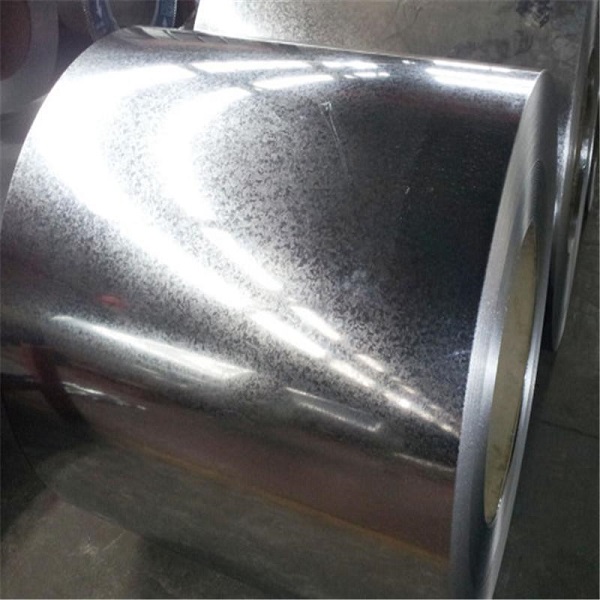
Rust is a constant battle for metal components exposed to moisture. Galvanized sheet metal offers a proven solution. This guide explains what galvanization is, how different types compare, and where each works best.
Introduction
Galvanized sheet metal starts as steel or iron. Then it receives a protective zinc coating. This coating acts as a shield against rust and corrosion. The result is a material that lasts far longer than untreated metal.
In this guide, you will learn how galvanization works. You will understand the differences between hot-dip and electro-galvanized sheet metal. And you will discover where to use each type for maximum value.
What Is Galvanized Sheet Metal?
The Galvanization Process
Galvanization applies a protective zinc coating to steel or iron. The zinc layer serves two purposes. First, it creates a physical barrier that blocks moisture and oxygen. Second, it acts as a sacrificial anode. When the coating is scratched, zinc corrodes first, protecting the underlying steel.
This dual protection makes galvanized sheet metal highly effective against rust. It extends the lifespan of components significantly compared to uncoated steel.
Common Galvanizing Methods
Two main methods produce galvanized sheet metal. Each offers different characteristics.
| Method | Process | Coating Thickness | Best For |
|---|---|---|---|
| Hot-Dip Galvanizing | Submerged in molten zinc at ~450°C | 50–150 micrometers | Outdoor construction, harsh environments |
| Electro-Galvanizing | Electric current deposits zinc from solution | 5–15 micrometers | Indoor applications, smooth finishes |
Hot-dip galvanizing creates a metallurgical bond between steel and zinc. The thick coating provides exceptional corrosion resistance. For outdoor fencing in coastal areas, a hot-dip coating of 80–120 micrometers can last over 20 years with minimal degradation.
Electro-galvanizing produces a thinner, more uniform coating. The surface is smooth and aesthetically pleasing. This makes it ideal for visible components like automotive interior parts and electronics enclosures. However, its corrosion resistance is lower—typically 5–10 years in indoor environments.
Types of Galvanized Sheet Metal
Hot-Dip Galvanized Sheet Metal
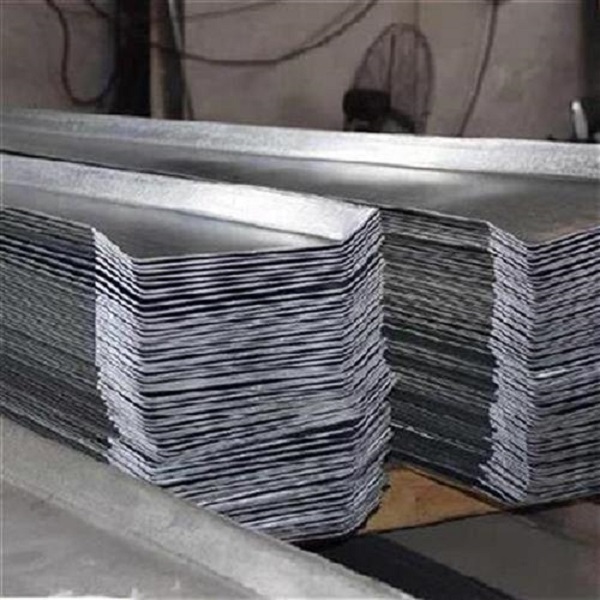
Manufacturing process: Steel sheets pass through a bath of molten zinc at approximately 450°C (840°F) . As the metal cools, a multi-layer zinc-iron alloy forms. Coating thickness adjusts to requirements, typically 50–150 micrometers.
Characteristics:
- Excellent corrosion resistance in harsh environments
- Good abrasion resistance
- Long lifespan—20–50 years depending on conditions
- Matte gray appearance
Applications:
- Roofing and wall cladding
- Highway guardrails
- Agricultural equipment
- Outdoor signage
- Industrial building frames
Real-world example: A farmer built a grain storage shed using hot-dip galvanized sheet metal. After 25 years exposed to weather, animal waste, and fertilizers, the structure showed no rust. The zinc coating had weathered but still protected the steel underneath.
Electro-Galvanized Sheet Metal
Manufacturing process: An electric current passes through an electrolytic bath containing zinc salts. Zinc ions deposit onto the steel surface. The resulting coating is thin—typically 5–15 micrometers.
Characteristics:
- Smooth, uniform surface finish
- Good corrosion resistance for indoor use
- Aesthetically pleasing
- Lower durability than hot-dip
Applications:
- Electronics enclosures
- Automotive interior components
- Household appliance casings
- Consumer products where appearance matters
Key data point: According to industry studies, electro-galvanized sheet metal maintains its appearance and integrity for 5–10 years in normal indoor conditions. For outdoor use, hot-dip galvanizing lasts 2–4 times longer.
Applications Across Industries
Construction Industry
Galvanized sheet metal is everywhere in construction. Roofing is the most common application. A hot-dip galvanized steel roof with 0.5–0.8mm thickness can last 30+ years in non-coastal areas. The zinc coating prevents rust that would otherwise cause leaks and structural damage.
Wall cladding benefits similarly. Galvanized panels resist weathering and maintain appearance in both urban and rural settings. Industrial buildings often use galvanized siding because it withstands chemical exposure and pollutants.
Automotive Industry
Modern vehicles rely heavily on galvanized sheet metal. Car bodies use galvanized steel extensively, especially in rust-prone areas. The lower parts—doorsills, wheel arches, and floor pans—face constant moisture and road salt exposure.
Using galvanized steel in these areas extends vehicle lifespan by 10–15 years compared to non-galvanized steel. Battery trays, often exposed to corrosive battery acid vapors, are typically made from galvanized sheet metal to ensure safe operation.
Other Industries
| Industry | Applications | Why Galvanized Works |
|---|---|---|
| Agriculture | Barn roofs, grain bins, tractor components | Withstands animal waste, fertilizers, weather exposure |
| Appliance | Refrigerator casings, washing machine panels | Smooth finish for aesthetics; resists humidity |
| HVAC | Ductwork, ventilation systems | Corrosion resistance in moisture-prone environments |
How to Evaluate Quality
Visual Inspection
High-quality galvanized sheet metal has a smooth, uniform coating. Look for:
- No visible blisters, cracks, or dents
- Consistent color with a bright, metallic sheen
- Even coating across the entire surface
Coating Thickness
Use a coating thickness gauge for accurate measurement:
- Hot-dip: 50–150 micrometers
- Electro-galvanized: 5–15 micrometers
Thickness directly correlates with corrosion resistance. Thicker coatings last longer.
Hardness Test
Good-quality galvanized sheet metal resists deformation. A simple scratch test can indicate quality. If the coating scratches too easily, quality may be poor. For critical applications, request material certifications from the supplier.
Yigu Technology’s Perspective
At Yigu Technology, we value galvanized sheet metal for custom manufacturing. Its corrosion resistance and durability make it suitable for products in challenging environments. We have used it for industrial equipment housings, outdoor enclosures, and agricultural components.
In one project, a client needed enclosures for water treatment equipment. The environment was constantly humid with chemical exposure. Hot-dip galvanized steel provided the necessary protection. The enclosures have operated for eight years without corrosion issues.
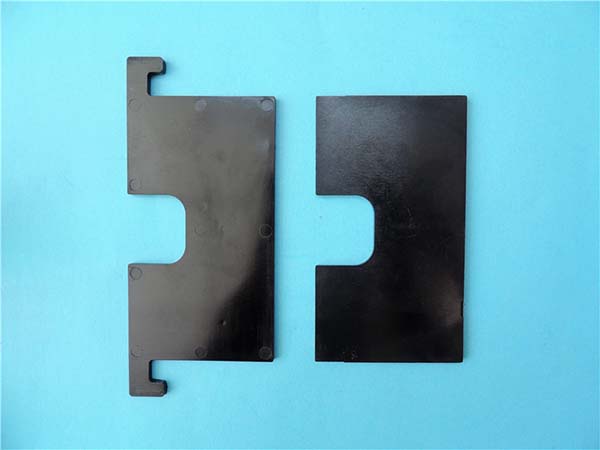
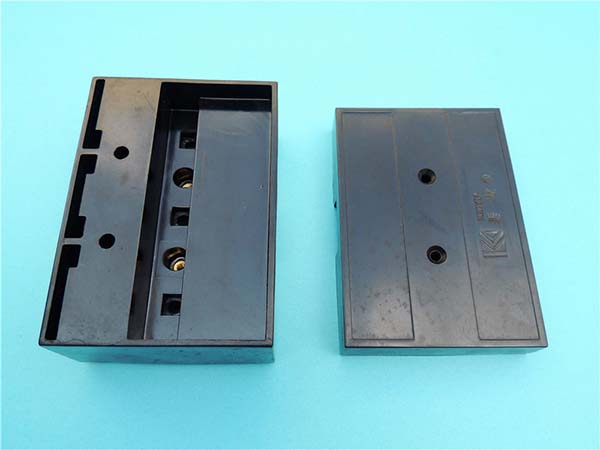
We also combine galvanized sheet metal with other materials. For example, a galvanized steel base provides structural strength. Plastic components offer electrical isolation or specialized corrosion resistance in specific areas. This combination delivers better performance than either material alone.
Conclusion
Galvanized sheet metal solves the problem of rust in steel components. Hot-dip galvanizing offers thick, durable protection for outdoor and harsh environments. Electro-galvanizing provides a smooth finish for indoor applications where appearance matters.
Choose based on your environment and expected lifespan. For outdoor exposure, hot-dip is the reliable choice. For indoor components where aesthetics matter, electro-galvanized works well. Either way, galvanized sheet metal delivers longer service life than untreated steel.
FAQ
How can I tell if galvanized sheet metal is of good quality?
Check for a smooth, uniform coating without blisters or cracks. Measure coating thickness—hot-dip should be 50–150 micrometers, electro-galvanized 5–15 micrometers. Test hardness with a gentle scratch; quality material resists easy scratching. Request material certifications from your supplier for critical applications.
Can galvanized sheet metal be painted?
Yes, with proper surface preparation. Clean thoroughly to remove dirt and oil. Apply an etching primer to improve adhesion. Choose paint compatible with galvanized metal—acrylic-based paints work well. Follow the paint manufacturer’s instructions for application and drying times.
What is the cost difference between hot-dip and electro-galvanized sheet metal?
Hot-dip galvanized sheet metal typically costs 20–50% more than electro-galvanized. The higher cost reflects the more energy-intensive manufacturing process and thicker zinc coating. For outdoor or harsh environments, the added durability usually justifies the higher upfront cost.
How long does galvanized sheet metal last?
Hot-dip galvanized sheet metal lasts 20–50 years depending on environment. Coastal or industrial areas with higher corrosion risk reduce lifespan. Electro-galvanized sheet metal lasts 5–10 years in normal indoor conditions. Proper installation and maintenance extend service life.
Contact Yigu Technology for Custom Manufacturing
Need galvanized sheet metal components for your project? Yigu Technology offers custom fabrication with material expertise. From outdoor enclosures to industrial housings, we deliver durable, corrosion-resistant solutions. [Contact us] to discuss your requirements.