
Introduction
You need sheet metal that is strong, precise, and looks good without extensive finishing. Hot-rolled steel may be too rough, too soft, or inconsistent for your application. Cold-rolled steel sheet metal solves these problems.
Cold rolling transforms hot-rolled steel through a process of room-temperature compression. This work hardens the metal, improves surface finish, and tightens dimensional tolerances. The result is a material that combines strength, formability (when annealed), and a smooth surface ready for painting or coating.
This guide covers the properties, manufacturing process, applications, and benefits of cold-rolled steel sheet metal. You will learn why it is the material of choice for automotive panels, appliances, construction components, and more.
What Properties Define Cold-Rolled Steel?
Mechanical Properties
Cold rolling work-hardens steel, significantly altering its mechanical characteristics compared to hot-rolled steel.
| Property | Cold-Rolled Steel | Hot-Rolled Steel (Reference) |
|---|---|---|
| Tensile Strength | 300–700 MPa | 250–500 MPa |
| Yield Strength | 200–600 MPa | 150–350 MPa |
| Elongation | 2–20% (varies by temper) | 20–30% |
| Hardness (Brinell) | 70–180 HB | 60–120 HB |
Strength: Cold-rolled steel offers significantly higher tensile and yield strength due to work hardening. This makes it suitable for structural applications where load-bearing capacity matters.
Ductility: The trade-off for higher strength is reduced ductility. Elongation values range from 2% for full-hard to 20% for annealed cold-rolled steel. Annealing restores formability for complex shapes.
Hardness: Increased hardness improves wear resistance—beneficial for parts that experience friction or contact.
Physical Properties
Surface Finish: Cold rolling produces a smooth, bright surface with no mill scale. Surface roughness can be as low as 0.1–0.5 μm Ra. This reduces or eliminates the need for surface preparation before painting or coating.
Dimensional Accuracy: Cold-rolled steel holds tight thickness tolerances—typically ±0.01 mm for precision grades. This consistency is critical for stamping, forming, and fabrication processes where parts must fit together precisely.
Grain Structure: Cold rolling refines the grain structure, making it more uniform and finer than hot-rolled steel. This contributes to improved mechanical properties and consistency.
Corrosion Resistance: Bare cold-rolled steel has moderate corrosion resistance (similar to hot-rolled). However, when coated—through galvanizing, painting, or other treatments—it offers excellent protection for outdoor applications.
Magnetic Properties: Cold-rolled steel is ferromagnetic, making it useful in electrical applications such as motor laminations and enclosures where magnetic fields are involved.
Real-World Example: An automotive supplier needed steel for door panels. Hot-rolled steel required extensive grinding to remove scale before painting, adding time and cost. Cold-rolled steel arrived with a smooth, paintable surface, eliminating pre-treatment steps and reducing finishing costs by 15%.
How Is Cold-Rolled Steel Manufactured?
The manufacturing process involves several stages, from hot rolling to finishing.
Preceding Processes
Hot Rolling: Steel is heated above its recrystallization temperature (around 1000°C) and rolled into sheets. These hot-rolled sheets, typically 2–25 mm thick, serve as the raw material for cold rolling.
Pickling: Hot-rolled sheets are immersed in an acid solution (hydrochloric or sulfuric acid) to remove oxides and mill scale. This cleans the surface, ensuring good finish during cold rolling and proper coating adhesion later.
Core Cold Rolling Process
Cold Rolling: Pickled sheets are passed through a series of rolling mills at room temperature. Key parameters:
- Roll configuration: Multiple stands progressively reduce thickness
- Tension control: Maintains flatness and prevents wrinkling
- Reduction: Thickness is reduced by 20–90%, depending on final requirements
The cold rolling process work-hardens the steel, increasing strength and hardness while reducing ductility.
Annealing (Optional)
After cold rolling, steel may become too hard and brittle for further forming. Annealing—heating to 600–800°C followed by controlled cooling—relieves internal stresses, restores ductility, and refines grain structure.
Annealed cold-rolled steel is used for parts requiring complex forming, such as deep-drawn automotive components.
Finishing Processes
Coiling: Finished sheets are wound into coils for efficient storage, transport, and automated processing.
Surface Treatment and Coating: Depending on applications, cold-rolled steel may receive:
- Galvanizing: Zinc coating for corrosion resistance
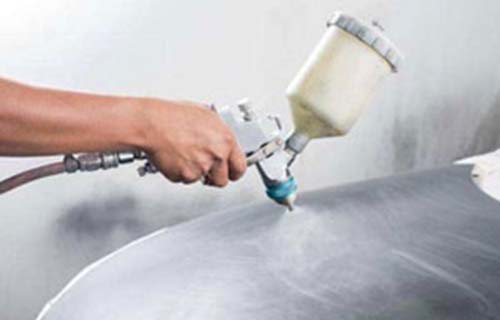
- Painting: Decorative and protective finishes
- Oiling: Temporary rust protection during shipping
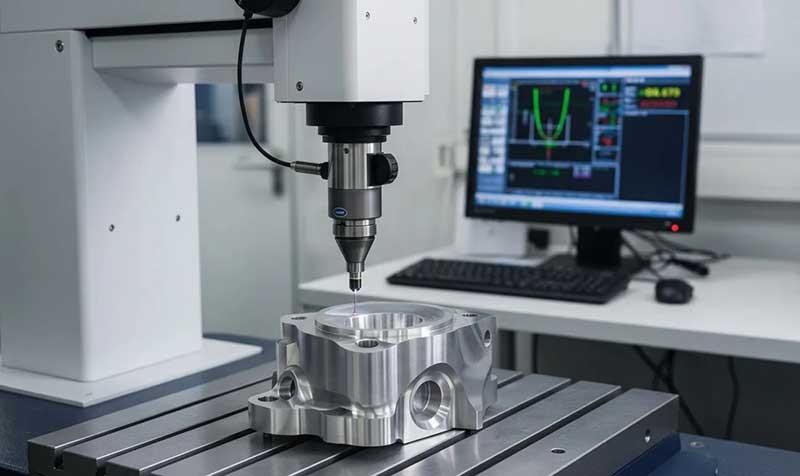
Quality Inspection: Throughout manufacturing, quality checks verify:
- Thickness tolerance (±0.01 mm typical)
- Surface finish
- Mechanical properties (tensile strength, yield strength, hardness)
- Internal defects (using ultrasonic or other non-destructive testing)
What Are the Different Tempers?
Cold-rolled steel is available in various tempers, indicating the degree of work hardening and resulting properties.
| Temper | Description | Elongation | Applications |
|---|---|---|---|
| Full Hard | Maximum work hardening, no annealing | 2–5% | Flat products, parts requiring maximum strength, minimal forming |
| Half Hard | Intermediate work hardening | 5–10% | Moderate forming, structural components |
| Quarter Hard | Light work hardening | 10–15% | General forming, automotive panels |
| Annealed | Fully softened, maximum ductility | 15–20% | Deep drawing, complex shapes, bending |
Choose temper based on the forming requirements of your application. Deep-drawn parts need annealed material; flat brackets may use full-hard.
Case Study: A manufacturer needed steel for a deep-drawn enclosure. Full-hard steel cracked during forming. Switching to annealed cold-rolled steel allowed the complex shape to form without defects, reducing scrap from 12% to under 1%.
Where Is Cold-Rolled Steel Used?
Automotive Industry
Cold-rolled steel is the standard for automotive body panels:
- Doors, hoods, roofs, fenders: High strength, smooth surface for painting, dimensional accuracy
- Structural components: Frames, brackets, reinforcements
- Interior parts: Dashboards, seat components
The combination of strength, formability (in annealed grades), and paintability makes it ideal for vehicles requiring both safety and appearance.
Appliance Industry (White Goods)
Appliances rely on cold-rolled steel for:
- Refrigerators: Outer panels, doors, shelves
- Washing machines: Drums, outer casings
- Ovens and ranges: Exterior panels, internal components
- Dishwashers: Tubs, racks, panels
The smooth surface finish enables high-quality painted finishes, and dimensional accuracy ensures components fit together precisely.
Construction and Architecture
In construction, cold-rolled steel appears in:
- Metal roofing and siding (coated for corrosion resistance)
- Steel studs and framing (light-gauge steel construction)
- Architectural elements: Railings, facades, decorative panels
- Garage doors: Panels and structural components
When galvanized or painted, cold-rolled steel offers good corrosion resistance for outdoor applications.
Industrial Equipment
- Gears, shafts, frames: Strength and precision
- Machine guards and enclosures: Durable, formable
- Conveyor components: Wear resistance from hardness
Electrical Enclosures
- Control cabinets, junction boxes: Dimensional accuracy ensures proper fit for electrical components
- Magnetic properties: Useful for applications involving magnetic fields
Furniture and Decorative Items
- Furniture frames: Strength and formability for stylish designs
- Shelving and cabinets: Smooth finish for powder coating or painting
- Decorative trim: Can be polished or coated for aesthetic appeal
What Are the Benefits?
High Strength
Work hardening from cold rolling produces steel with 20–50% higher strength than hot-rolled equivalents. This allows for thinner gauges in structural applications, saving weight and material.
Improved Formability (When Annealed)
Annealed cold-rolled steel offers good formability for complex shapes—deep drawing, tight bends, and intricate stampings—while maintaining higher strength than hot-rolled.
Excellent Surface Finish
The smooth surface reduces or eliminates pre-treatment steps before painting, powder coating, or other finishing. This saves time and cost.
Tight Dimensional Accuracy
Thickness tolerances of ±0.01 mm ensure consistent parts across large production runs. This is critical for automated stamping and assembly processes.
Cost-Effectiveness
While cold-rolled steel costs more than hot-rolled per ton, the savings often come from:
- Reduced surface preparation
- Less material waste (tighter tolerances)
- Lower rejection rates
- Longer tool life (consistent material properties)
Versatility
Cold-rolled steel is available in:
- Wide thickness range: 0.1 mm to 3 mm (and thicker)
- Multiple tempers: Full-hard to annealed
- Various coatings: Galvanized, painted, oiled
This versatility makes it suitable for applications from thin electrical enclosures to thick mechanical parts.
What Are the Limitations?
| Limitation | Explanation |
|---|---|
| Higher initial cost | Cold-rolled steel costs more than hot-rolled due to additional processing |
| Reduced ductility | Work-hardened tempers have lower elongation; annealing restores formability |
| Internal stresses | Cold rolling can create residual stresses that cause warping if not properly annealed |
| Corrosion susceptibility | Bare cold-rolled steel rusts readily; coating is required for outdoor use |
| Welding considerations | Higher carbon content in some grades may require careful technique to avoid cracking |
Conclusion
Cold-rolled steel sheet metal offers a compelling combination of properties that make it a preferred choice across industries:
- High strength from work hardening
- Smooth surface finish ready for coating
- Tight dimensional accuracy for precision fabrication
- Good formability when annealed
- Versatility across tempers, thicknesses, and coatings
Applications range from automotive body panels and appliance housings to construction framing, industrial equipment, and furniture. While bare cold-rolled steel requires coating for corrosion protection, galvanized or painted versions perform well outdoors for decades.
For projects demanding strength, precision, and a quality finish, cold-rolled steel sheet metal delivers reliable, cost-effective performance.
FAQs
How does cold-rolled steel differ from hot-rolled steel in terms of surface finish?
Cold-rolled steel has a much smoother surface finish. Hot-rolled steel develops a rough, scaly surface (mill scale) during high-temperature rolling. Cold rolling flattens and polishes the surface, removing scale and producing a bright, smooth finish. This eliminates the need for descaling before painting and allows for higher-quality painted finishes.
Can cold-rolled steel be welded easily?
Yes, but precautions may be needed. Annealed cold-rolled steel welds similarly to hot-rolled. Full-hard or high-strength grades may have higher carbon content or residual stresses that increase cracking risk. Best practices: use proper filler metals, control heat input, and consider pre-heating for thicker sections. For critical welds, annealed material is preferred.
What is the typical lifespan of coated cold-rolled steel in outdoor applications?
Lifespan depends on coating type and environment:
- Galvanized (zinc-coated): 20–50 years, depending on coating thickness and exposure
- Galvannealed (zinc-iron alloy): Similar to galvanized; better paint adhesion
- Painted with high-quality system: 10–30 years, depending on paint quality and maintenance
In coastal or industrial environments, heavier coatings or stainless steel may be recommended for maximum longevity.
What is the difference between cold-rolled and cold-finished steel?
Cold-rolled refers to sheet metal (flat products) processed at room temperature. Cold-finished typically refers to bar stock (rounds, squares, flats) that is drawn or turned to achieve precise dimensions. Both involve cold working, but they apply to different product forms. Cold-rolled steel is the term used for flat sheet and coil products.
Contact Yigu Technology for Custom Manufacturing
At Yigu Technology, we work extensively with cold-rolled steel sheet metal across automotive, appliance, construction, and industrial applications. Our capabilities include laser cutting, CNC bending, stamping, and finishing—including painting and galvanizing. We help customers select the right temper and coating for their forming and performance requirements. Contact us to discuss your cold-rolled steel project—we will help you achieve the strength, precision, and finish your application demands.


