Introduction
Look around you. The smartphone in your hand. The car you drive. The medical device at your doctor’s office. What do they have in common? They all rely on injection molded plastic.
This manufacturing process has quietly transformed how we make things. It turns raw plastic pellets into finished products with speed, precision, and consistency that other methods can’t match.
But how exactly did injection molding become so central to modern manufacturing? What makes it the go-to choice for industries from automotive to medical? And how is it continuing to evolve?
This guide explores the revolution. We’ll cover the basics, the advantages driving adoption, and the industries transformed by this versatile process.
What Is Injection Molded Plastic?
The Process in Simple Terms
Injection molding is a manufacturing process that produces plastic parts in high volumes. Here’s how it works:
- Plastic pellets are fed into a heated barrel
- Heat and pressure melt the plastic into a viscous liquid
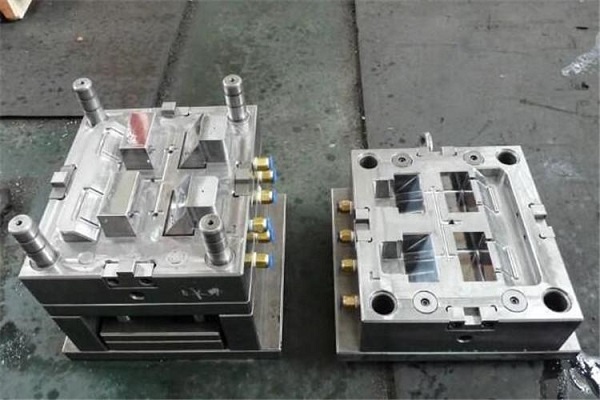
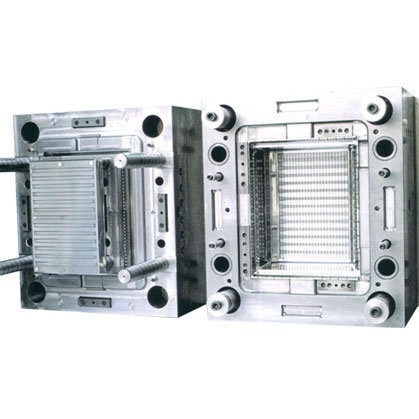
- A screw or plunger forces the molten plastic into a closed mold cavity
- The plastic cools and solidifies, taking the shape of the cavity
- The mold opens, and the finished part is ejected
The entire cycle takes seconds to minutes. And it repeats thousands or millions of times with remarkable consistency.
Materials That Make It Work
Different plastics serve different purposes. Here are the most common:
| Material | Key Properties | Common Applications |
|---|---|---|
| HDPE | High strength, chemical resistance, tough | Milk jugs, pipes, industrial containers |
| LDPE | Flexible, translucent | Plastic bags, squeeze bottles |
| PP | Chemical resistance, heat resistance, lightweight | Automotive interiors, food containers |
| ABS | Impact resistance, rigidity, dimensional stability | Smartphone cases, electronics housings |
| PC | Very high impact resistance, transparency, heat resistance | Safety helmets, eyewear, headlight lenses |
| PET | Strong, transparent, lightweight, recyclable | Beverage bottles, food packaging |
Each material brings something unique. ABS gives you a glossy finish. PP handles high temperatures. PC stops bullets (literally). The choice depends on what your product needs to do.
What Advantages Drive the Revolution?
High-Precision Manufacturing
Injection molding achieves tolerances that other processes can only dream of.
| Process | Typical Tolerance |
|---|---|
| Traditional machining | ±0.1–0.5 mm |
| Injection molding | ±0.01–0.05 mm |
That’s the difference between parts that fit and parts that don’t. In medical devices, that precision can mean life or death. In electronics, it determines whether your phone seals against water or leaks.
Real example: A hearing aid manufacturer switched from machined components to injection molded parts. Tolerances tightened from ±0.1 mm to ±0.02 mm. Assembly failures dropped by 80%.
Cost-Efficiency at Scale
The math is simple. A mold costs money upfront—sometimes $10,000 to $100,000. But once it’s built, you can run it for hundreds of thousands or even millions of cycles.
A well-maintained steel mold can produce:
- Simple parts: 500,000–1,000,000 cycles
- Complex parts: 100,000–300,000 cycles
Spread the mold cost over a million parts, and the per-part tooling cost becomes pennies. Compare that to 3D printing, where every part takes hours and material costs remain high.
Design Flexibility
Injection molding can create shapes that would be impossible—or prohibitively expensive—with other methods.
Complex geometries: Automotive dashboards combine curves, mounting points, and integrated features into a single part. No assembly required.
Internal channels: Medical inhalers have intricate pathways for medication delivery. Injection molding creates them in one shot.
Textured surfaces: From leather-like grain to high-gloss finishes, molds can replicate almost any surface texture.
A car dashboard once required 15 separate components and assembly steps. Today, injection molding produces it as one piece—lighter, stronger, and cheaper.
High Production Speed
Speed separates injection molding from alternatives.
| Part Type | Production Rate |
|---|---|
| Small, simple (bottle caps) | 50–100 parts per minute |
| Complex parts | 10–30 parts per minute |
Compare that to blow molding (5–20 parts per minute) or 3D printing (one part per hour). For high-volume production, nothing beats injection molding.
How Has Injection Molding Transformed Key Industries?
Automotive: Lighter, Safer, More Efficient
The average car today contains hundreds of injection molded plastic parts. They’ve replaced metal in everything from dashboards to engine components.
Interior: Dashboard panels, door trims, center consoles, seat components. These parts are lighter than metal, quieter, and can be molded with integrated features like cup holders and speaker grilles.
Exterior: Bumpers, fenders, body panels. Polycarbonate composites absorb impact better than metal and can be painted to match any color.
Engine compartment: Air intake manifolds, cooling fans, fluid reservoirs. Plastic manifolds can be designed with complex internal channels that improve airflow and engine performance.
Weight reduction impact: Replacing a steel bumper with plastic reduces weight by 40–50%. For every 10% reduction in vehicle weight, fuel consumption drops by 6–8%. That’s real savings at the pump.
Consumer Electronics: Sleeker, Lighter, More Affordable
Injection molding enables the thin, lightweight designs consumers demand.
Smartphones: The outer casing of most phones is injection molded ABS or polycarbonate. These materials balance strength, impact resistance, and design flexibility. Average phone thickness has dropped from 10–12 mm a decade ago to 7–9 mm today—thanks in part to better molding capabilities.
Tablets: Large, flat back covers are injection molded. A 10-inch tablet with a plastic body weighs 400–500 grams—about half what a metal-bodied tablet would weigh.
Design variety: Molded plastics can be colored, textured, and finished to look like brushed metal, polished glass, or soft-touch rubber. The design possibilities are nearly endless.
Medical: Precision, Hygiene, and Safety
The medical field demands precision, sterility, and reliability. Injection molding delivers.
Medical devices: Insulin pens require components with tight tolerances to ensure accurate dosing. Inhalers have complex internal channels for medication delivery. Diagnostic equipment needs transparent housings for viewing internal components. All are injection molded.
Disposable supplies: Syringes, IV tubes, surgical masks—these single-use items are made from polypropylene, which offers chemical resistance, biocompatibility, and low cost. Single-use eliminates cross-contamination risks.
Customization: Injection molding allows for features like safety locks on syringes, different needle gauges, and ergonomic grips. Every variation comes from the same basic process.
What Does the Future Hold?
Injection molding isn’t standing still. New technologies are expanding what’s possible.
Conformal cooling: 3D-printed cooling channels that follow the shape of the part reduce cycle times by 20–40% while improving part quality.
Multi-material molding: Two-shot and overmolding processes combine different materials—soft grips on hard bases, colored logos in clear housings—in a single cycle.
In-mold sensors: Real-time monitoring of pressure and temperature allows closed-loop control that adjusts process parameters instantly, reducing variation.
Sustainable materials: Bioplastics, recycled content, and material blends are increasingly common. Injection molding adapts to these new materials as they emerge.
Conclusion
Injection molded plastic has revolutionized manufacturing by delivering three things that matter most: precision, speed, and scale. Parts that once required multiple components and assembly steps now come out of a mold as one finished piece. Products that used to be heavy and expensive are now light and affordable.
From the car you drive to the phone in your pocket to the medical devices that keep people healthy, injection molding touches nearly every aspect of modern life. And as materials and processes continue to evolve, its impact will only grow.
FAQ
What are the most common types of plastic materials used in injection molding?
The most common are HDPE (milk jugs, pipes), LDPE (plastic bags), PP (automotive interiors, food containers), ABS (electronics casings), PC (safety helmets, lenses), and PET (beverage bottles). Each offers different combinations of strength, flexibility, transparency, and heat resistance.
How does injection molded plastic contribute to cost-efficiency?
The mold is a fixed cost spread over the entire production run. A high-quality mold can produce hundreds of thousands or millions of parts. High production speeds (up to 100 parts per minute) also reduce labor and overhead costs per part.
Can injection molded plastic be used for highly complex and detailed parts?
Yes. Injection molding can create intricate shapes, internal channels, undercuts, and textured surfaces in a single part. Medical devices, automotive components, and electronics all rely on this capability for complex geometries that would be impossible or expensive with other methods.
Is injection molding environmentally friendly?
It can be. Many plastics are recyclable, and injection molding produces minimal waste compared to machining. Newer materials include bioplastics and recycled content. However, the energy required for the process and the challenge of plastic waste remain concerns that the industry continues to address.
What industries benefit most from injection molding?
Automotive (weight reduction, integration), consumer electronics (thin, lightweight designs), medical (precision, sterility), and packaging (high-volume, low-cost) are the largest beneficiaries. Nearly any industry that needs plastic parts in volume uses injection molding.
Contact Yigu Technology for Custom Manufacturing
At Yigu Technology, we specialize in precision injection molded parts for automotive, medical, electronics, and consumer goods. Our capabilities include:
- Multi-cavity molds for high-volume production
- Precision tolerances down to ±0.01 mm
- Material expertise across ABS, PP, PC, and engineered resins
- In-house quality inspection with CMM documentation
Whether you need a prototype tool or high-volume production, we deliver parts that meet your specifications—cycle after cycle.
[Contact Yigu Technology today] to discuss your injection molding project. Let’s bring your design to life.