Introduction
Corrugated metal sheets have come a long way. What once covered barns and sheds now tops modern homes, commercial buildings, and even luxury vacation rentals. The look has evolved. The performance has improved. And the price point? It keeps dropping.
But here's the thing — not every corrugated metal sheet is the same. Pick the wrong material, and you'll fight rust within five years. Skip the underlayment, and rain will sound like a drum solo on your ceiling. Choose a supplier with thin coatings, and your "lifetime roof" becomes a seasonal headache.
This guide cuts through the noise. We'll walk you through material types, climate fit, installation rules, noise control, aesthetics, real costs, and how to spot a bad supplier. By the end, you'll know exactly whether corrugated metal sheets are the right call for your roof — or if something else serves you better.
1. Types of Corrugated Metal Sheets Explained
Not all metal roofing is created equal. The material you pick changes everything — weight, cost, lifespan, and how it handles your local weather.
Galvanized Steel: The Workhorse
Galvanized steel is the most common choice. It's steel dipped in a zinc coating. This coating fights rust for 20 to 40 years depending on the environment.
| Feature | Detail |
|---|---|
| Cost | 1.50–3.00 per sq ft |
| Lifespan | 25 – 50 years |
| Best For | Residential roofs, barns, sheds |
| Weight | Medium (heavier than aluminum) |
Pro tip: Look for G90 galvanization. That means 0.90 oz of zinc per square foot. It lasts way longer than G60.
Aluminum: Light and Rust-Free
Aluminum sheets never rust. They weigh about one-third of steel. That makes them great for coastal areas or structures with light framing.
- Thickness matters. Go with 0.032" or thicker. Thinner sheets dent easily in hail.
- Cost runs higher. Expect 3.00–6.00 per sq ft.
- Lifespan hits 40 – 70 years in most climates.
Stainless Steel: The Premium Pick
Stainless steel is overkill for most homes. But in harsh chemical environments or ultra-high-end projects, it shines. Cost? 8.00–15.00+ per sq ft. Most homeowners skip this.
Coated and Polycarbonate Options
Some sheets get a polymer or polycarbonate topcoat. This adds UV protection and color options. It also boosts the warranty to 30+ years. Great for buyers who want color without painting.
What Does Gauge Thickness Mean?
Gauge = thickness. Lower number = thicker sheet.
| Gauge | Thickness (inches) | Use Case |
|---|---|---|
| 29 gauge | 0.0142" | Light-duty, decorative |
| 26 gauge | 0.0187" | Standard residential |
| 24 gauge | 0.0239" | Heavy-duty, hail zones |
| 22 gauge | 0.0300" | Commercial, extreme weather |
My experience: In a hail-prone area of Texas, I watched a 29-gauge roof get dented in one storm. The homeowner upgraded to 24-gauge galvanized steel. Zero dents after three seasons. Thickness matters.
2. Climate and Application Suitability
Your climate decides which material wins. Here's how the major types perform in real-world conditions.
Coastal Zones: Salt Air Kills Fast
Salt air eats through standard galvanized steel in 10 to 15 years. Aluminum or coated steel is the safe bet here. Avoid bare steel unless you repaint it every few years.
High-Wind Areas: Fastening Is Everything
In wind zones above 110 mph, corrugated metal sheets can fly off if not fastened right. You need:
- Clips every 12 inches along the edges
- Screws every 18 inches in the field
- Sealant at every overlap
The 2018 Florida building code changes proved this. Homes with proper clip systems survived Hurricane Michael. Homes with nail-only fastening? Total roof loss.
Heavy Snow: Slope and Smoothness Matter
Snow slides off corrugated metal better than shingles. But you need a minimum 3:12 slope. Flat or low-slope roofs trap snow. That adds weight and risks collapse.
Wildfire-Prone Regions: Metal Wins
Corrugated metal sheets are non-combustible. Class A fire rating. In California's wildfire zones, metal roofs are now required in many areas. Asphalt shingles? They catch embers and burn.
Common Mistakes That Cause Early Failure
| Mistake | Result |
|---|---|
| Using galvanized steel near the ocean | Rust in under 10 years |
| Skipping ridge caps | Wind uplift and water intrusion |
| Wrong gauge for hail zone | Dented, leaking roof |
| No ventilation under metal | Condensation and mold |
3. Installation Essentials
Installation is where most corrugated metal roof projects succeed or fail. The material is tough. But bad install creates leaks, noise, and wind damage.
Fastening Patterns That Actually Work
- Edge screws: Every 12 inches along every eave and rake edge
- Field screws: Every 18 to 24 inches on the flat sections
- Clips: Every 12 inches on overlapping seams
- Ridge cap screws: Every 8 to 12 inches
Use neoprene-washer screws. The rubber washer seals the hole. No washer = leak waiting to happen.
Overlap Rules
| Direction | Minimum Overlap |
|---|---|
| Side lap (width) | 1.5 corrugations |
| End lap (length) | 6 – 12 inches (depends on slope) |
| Ridge overlap | 4 – 6 inches |
Slope Requirements
| Slope | Minimum End Lap |
|---|---|
| 3:12 to 4:12 | 6 inches |
| 4:12 to 6:12 | 4 inches |
| 6:12+ | 3 inches |
Tools You Need
- Seam snips (not tin snips — they crush the edge)
- Drill with clutch control (over-tightening strips the screw)
- Pop rivet gun for fast clip installation
- Chalk line for straight rows
Real case: A contractor in Colorado told me he saved 2,000byskippingtheunderlayment.Firstheavyrain?Watergotundertheseams.Thefixcost4,500. Don't skip the underlayment.
4. Managing Noise and Thermal Performance
This is the #1 fear buyers have. "Will my metal roof sound like a tin can in a rainstorm?"
Short answer: Without proper setup, yes. With the right underlayment, no.
The Underlayment Fix
| Underlayment Type | Noise Reduction | Cost |
|---|---|---|
| Felt paper (#15 or #30) | Basic | 0.30–0.50/sq ft |
| Synthetic underlayment | Good | 0.50–0.80/sq ft |
| Foam + synthetic combo | Excellent | 0.80–1.20/sq ft |
Foam-backed underlayment is the gold standard. It kills rain noise and adds R-value. A 1/2" foam board under corrugated metal adds about R-2 to your roof assembly.
Insulation Strategies
| Method | R-Value Added | Best For |
|---|---|---|
| Rigid foam above deck | R-5 to R-10 per inch | New construction |
| Batt insulation between rafters | R-3.2 per inch (fiberglass) | Retrofit projects |
| Spray foam | R-6 per inch | Tight budget, max performance |
Ventilation: Don't Skip It
Metal roofs get hot. Ridge vents + soffit vents create airflow. This:
- Reduces attic heat by up to 30°F
- Prevents condensation buildup
- Extends the life of your underlayment
Realistic Noise Expectations
| Rain Type | Sound With Felt | Sound With Foam+Synthetic |
|---|---|---|
| Light drizzle | Soft tapping | Nearly silent |
| Heavy rain | Loud drumming | Gentle patter |
| Hail (small) | Sharp pings | Muffled thumps |
| Hail (large, 1"+) | Very loud | Still loud — metal dents |
Honest take: No underlayment makes metal roofs loud. Good underlayment makes them quieter than asphalt shingles. That's not marketing. That's physics.
5. Aesthetic Options and Architectural Fit
Gone are the days when metal roofs only looked industrial. Today's corrugated metal sheets come in dozens of profiles, colors, and finishes.
Profile Styles
| Profile | Look | Best Paired With |
|---|---|---|
| Corrugated (R-panel) | Classic wavy | Barns, farmhouses, modern |
| Standing seam | Clean vertical lines | Contemporary homes |
| Box rib | Subtle shadow lines | Commercial, coastal |
| Stone-coated | Looks like tile or slate | Luxury homes, HOAs |
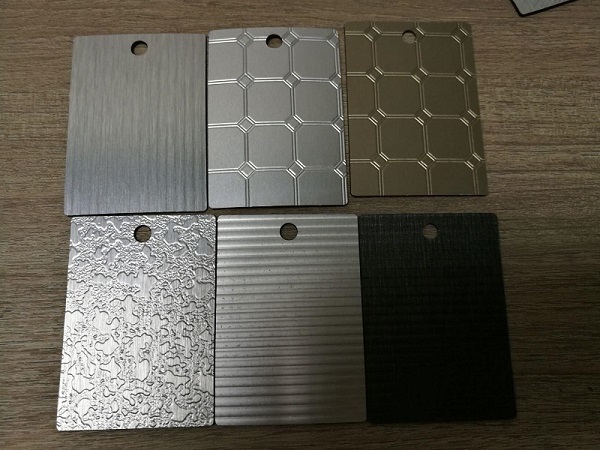
Color and Finish Options
| Finish | Lifespan | Look |
|---|---|---|
| PVDF (Kynar 500) | 30 – 40 years | Premium matte or gloss |
| SMP (Silicone Modified Polyester) | 20 – 25 years | Good color retention |
| Polyester (PE) | 10 – 15 years | Budget-friendly |
| Stone-coated steel | 50+ years | Mimics tile, slate, shake |
Design tip: Dark colors absorb more heat. In hot climates, go with light colors or reflective coatings (Solar Reflectance Index above 70). This can cut cooling costs by 10 – 15%.
Blending With Architecture
- Modern homes: Standing seam in matte black or charcoal
- Farmhouse style: Corrugated in barn red or weathered zinc
- Coastal homes: Light blue or white polycarbonate-coated sheets
- HOA neighborhoods: Stone-coated steel in earth tones
6. True Cost Breakdown
Let's talk money. The sticker price is just the start. Here's what corrugated metal roofing actually costs from start to finish.
Full Cost Comparison
| Cost Item | Corrugated Metal | Asphalt Shingles |
|---|---|---|
| Material only | 3.00–7.00/sq ft | 1.00–2.00/sq ft |
| Underlayment | 0.50–1.20/sq ft | 0.15–0.30/sq ft |
| Fasteners & clips | 0.30–0.60/sq ft | 0.10–0.20/sq ft |
| Ridge caps & flashing | 1.50–3.00/linear ft | 2.00–4.00/linear ft |
| Labor (installation) | 4.00–8.00/sq ft | 2.00–4.00/sq ft |
| Total installed | 9.00–20.00/sq ft | 5.00–11.00/sq ft |
| Lifespan | 40 – 70 years | 20 – 30 years |
| Lifetime cost per year | 0.13–0.50/sq ft | 0.17–0.55/sq ft |
When Metal Saves You Money
✅ You plan to stay 20+ years
✅ You live in a hail, wind, or fire zone
✅ Energy savings matter (cool roof coatings)
✅ Low maintenance is a priority
When Metal Costs You More
❌ You're flipping the house in 5 years
❌ Your roof has complex angles (high labor cost)
❌ Your HOA bans metal (check first!)
❌ You're on a tight budget with no room for accessories
Hidden cost alert: Many buyers forget delivery. A full truckload of corrugated sheets runs 500–1,500 depending on distance. And flashing around chimneys, vents, and skylights adds 300–800 easily.
7. Choosing a Reliable Supplier
This is where projects go wrong. Bad suppliers send thin sheets, weak coatings, and wrong colors. Here's how to avoid that.
What to Look For
| Requirement | Why It Matters |
|---|---|
| ASTM A653 or A792 cert | Proves steel meets strength standards |
| Coating warranty 25+ years | Shows confidence in their product |
| Thickness tolerance ±5% | Ensures you get what you paid for |
| Mill test reports (MTR) | Verifies actual gauge and coating weight |
| Sample approval before bulk order | Catches color/finish mismatches early |
Red Flags That Mean Walk Away
| Red Flag | What It Means |
|---|---|
| No mill test reports | They can't prove material specs |
| "Lifetime warranty" with no details | Likely meaningless marketing |
| Price 30%+ below market | Thin gauge or fake coating |
| No return policy on custom colors | They don't stand behind quality |
| Delivery times over 8 weeks | Supply chain issues or low stock |
Questions to Ask Before Ordering
- "Can you send a mill test report for my specific order?"
- "What's the actual gauge, not the nominal gauge?"
- "Is the coating G90 or G60 galvanization?"
- "What's your return policy on color-coated sheets?"
- "Do you offer sample panels before I commit?"
My experience: I once sourced 2,000 sq ft of "26-gauge" sheets for a client. They arrived at 28-gauge. That's 30% thinner than promised. The supplier refused to replace them. Always get MTRs before paying the deposit.
Conclusion
So, are corrugated metal sheets right for your roof? The answer depends on three things: your climate, your budget timeline, and your installation plan.
If you live in a harsh weather zone, plan to stay long-term, and invest in proper installation — corrugated metal is one of the best roofing choices you can make. It outlasts shingles, resists fire, sheds snow, and looks sharper than ever.
But if you're on a tight budget, flipping soon, or skip the underlayment and proper fasteners — you'll regret it. The material is only as good as the system around it.
Do your homework. Pick the right gauge. Demand mill reports. And never skip the underlayment. That's how a corrugated metal roof lasts 50 years instead of 10.
FAQ
Are corrugated metal sheets louder than shingle roofs?
With basic felt underlayment, yes — they're louder. With foam-backed synthetic underlayment, they're often quieter than asphalt shingles.
How long do corrugated metal roofs actually last?
Galvanized steel lasts 25 – 50 years. Aluminum hits 40 – 70 years. Stone-coated steel can exceed 50 years with minimal maintenance.
Can I install corrugated metal sheets myself?
Yes, if you have the right tools and follow fastening rules. But mistakes are costly. Most homeowners hire a pro for the first 500 sq ft, then DIY the rest.
Do corrugated metal roofs work in cold climates with heavy snow?
Yes — if the slope is at least 3:12. Metal sheds snow faster than shingles. Just ensure proper fastening to handle snow load.
What's the cheapest corrugated metal roof option?
29-gauge galvanized steel with polyester coating runs about 3.00–4.00/sq ft for material. But lifetime cost favors thicker gauges.
Will my home insurance go up with a metal roof?
Usually it goes down. Metal roofs get discounts of 5 – 25% because they resist fire, wind, and hail damage.
Contact Yigu Technology for Custom Manufacturing
Need custom corrugated metal sheets built to your exact specs? Yigu Technology manufactures galvanized steel, aluminum, and coated metal sheets with precision thickness control, verified mill test reports, and color-matched finishes for any project.
📞 Get a quote today — we ship worldwide and offer sample panels before bulk orders.
Yigu Technology — Engineered Metal. Built to Last.