Introduction
Fashion has always been about pushing boundaries. From the haute couture of Paris to the experimental runways of Tokyo, designers constantly seek new ways to express creativity. But for all its innovation, the fashion industry has remained surprisingly traditional in how it makes things—cutting, sewing, and assembling garments much as it did a century ago. 3D printing is changing that. By building objects layer by layer from digital files, this technology enables designs impossible to sew, customization at scale, and sustainability that traditional methods cannot match. From Iris van Herpen's otherworldly couture to Adidas's high-performance sneakers, 3D printing is reshaping what fashion can be. This article explores how this technology works in fashion, its impact on design and production, and what it means for the future of what we wear.
What Is 3D Printing and How Does It Apply to Fashion?
Understanding the Technology
3D printing, or additive manufacturing, creates three-dimensional objects by depositing material layer by layer based on digital designs. Unlike traditional manufacturing that cuts away material (subtractive) or forces it into molds (formative), additive builds up from nothing.
The process:
- Design: Create a 3D model using CAD software
- Slice: Software divides the model into thin layers
- Print: Printer deposits material layer by layer
- Finish: Remove supports, clean, and prepare
For fashion, this means garments and accessories can be printed directly—no cutting, no sewing, no assembly. The printer creates the complete form.
Why Fashion Needs 3D Printing
Traditional fashion manufacturing has inherent limitations:
- Pattern cutting wastes fabric: Up to 15% of material ends up as scraps
- Sewing constrains design: Garments must be assembled from flat pieces
- Sizing is approximate: Ready-to-wear uses standard sizes that fit nobody perfectly
- Sampling is slow: New designs take weeks to prototype
3D printing addresses each limitation:
- Zero waste: Material used only where needed
- Geometric freedom: Complex, organic, seamless forms
- Perfect fit: Customized to individual measurements
- Rapid prototyping: Designs print overnight
How Is 3D Printing Changing Fashion Design?
Unprecedented Design Freedom
Traditional garment construction requires flat patterns that must wrap around the body. This imposes constraints—darts, seams, and cuts that interrupt the flow of design.
3D printing eliminates these constraints. Designers can create:
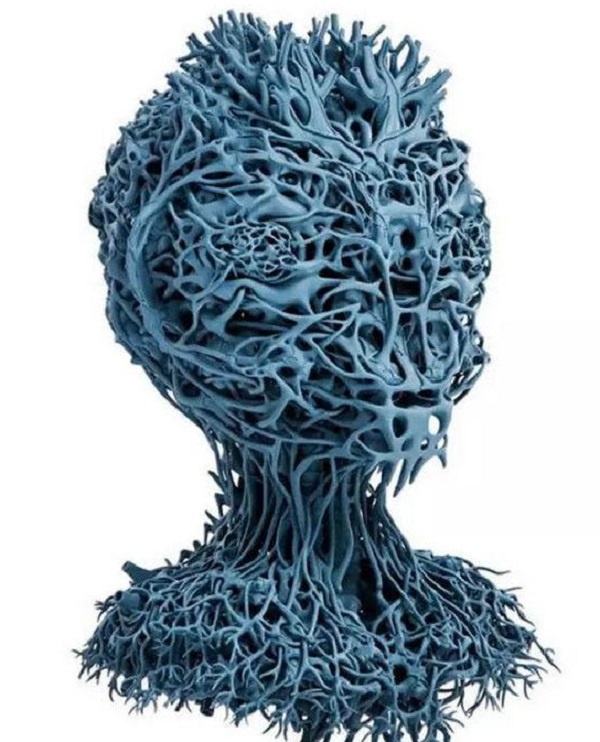
- Organic, flowing forms that mimic nature
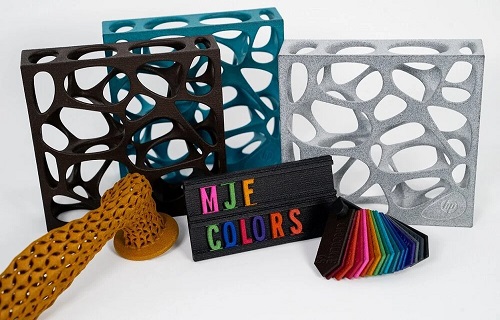
- Intricate lattice structures that create texture and transparency
- Seamless garments with no stitching or assembly
- Moving parts integrated into the design—hinges, joints, flexible zones
Iris van Herpen, the Dutch designer, has become synonymous with 3D-printed fashion. Her collections feature garments that seem to defy gravity—cascading waves of material, skeletal structures that move with the body, forms that blur the line between fashion and sculpture. She collaborates with architects and engineers to push the limits of what's possible.
Customization and Personalization
Mass production assumes everyone wants the same thing. But bodies differ. Preferences differ. 3D printing makes serving these differences economical.
Perfect fit: A garment can be designed from a 3D body scan. Every curve, every proportion matched exactly. No alterations needed. No compromise.
Personalized style: Customers can choose colors, patterns, and design elements. Each piece becomes unique without the cost of custom manufacturing.
Adaptive fashion: For people with disabilities or unique needs, 3D printing creates clothing that works with their bodies—not against them.
Real-world example: A startup offers custom 3D-printed eyewear. Customers upload selfies, software designs frames to fit their face, and printers produce them. Perfect fit, unique style, delivered in days.
Rapid Prototyping and Iteration
Fashion design has traditionally been slow. A new idea required pattern making, sample cutting, sewing, fitting—weeks of work. If the design didn't work, the cycle repeated.
With 3D printing, designers iterate quickly:
- Design in CAD → print overnight → evaluate in morning
- Make adjustments → print again → test tomorrow
What once took months now takes days. Designers explore more options. They take more risks. They learn faster.
Speed comparison:
- Traditional prototype: 2–4 weeks, $500–$2,000
- 3D-printed prototype: 1–3 days, $20–$200
What Materials Are Used in 3D-Printed Fashion?
| Material | Properties | Fashion Applications |
|---|---|---|
| PLA | Biodegradable, rigid, easy to print | Structural elements, accessories, prototypes |
| TPU/Flexible Filaments | Rubber-like elasticity, durable | Shoes, straps, wearable technology |
| Nylon (PA12) | Strong, slightly flexible, dyeable | Garments, bags, durable accessories |
| Resins | High detail, smooth finish | Jewelry, detailed ornaments, custom components |
| Metal Powders | Precious or base metals | Jewelry, hardware, luxury accessories |
| Textile-Based Filaments | Fabric-like feel, flexibility | Directly printed garments, soft goods |
PLA (Polylactic Acid)
Properties: Biodegradable plastic from renewable resources. Rigid, easy to print, available in many colors.
Fashion uses: Structural elements, accessories, prototypes. Not suitable for garments requiring flexibility, but excellent for jewelry, bags, and decorative items.
TPU (Thermoplastic Polyurethane)
Properties: Flexible, elastic, durable. Can stretch and return to shape. Resists abrasion and chemicals.
Fashion uses: Shoes, straps, wearable technology, flexible components. Adidas uses TPU-based materials for their 4D sneaker midsoles.
Nylon (PA12)
Properties: Strong, slightly flexible, can be dyed. Good durability and chemical resistance.
Fashion uses: Garments, bags, durable accessories. SLS printing creates complex lattice structures that provide strength with flexibility.
Resins
Properties: High detail, smooth surface finish. Available in various formulations—rigid, flexible, castable.
Fashion uses: Jewelry, detailed ornaments, custom components. SLA printing captures fine details impossible with other methods.
Metals
Properties: Precious metals (gold, silver, platinum) and base metals (stainless steel, titanium). High value, permanent.
Fashion uses: Jewelry, hardware, luxury accessories. Direct metal printing creates pieces impossible to cast.
What Are the Sustainability Benefits?
Reduction in Material Waste
Traditional garment production wastes significant material. Pattern cutting leaves scraps—sometimes 15% or more of fabric ends up in landfills.
3D printing is additive. Material goes only where needed. Waste is typically under 5%. For a fashion industry responsible for massive environmental impact, this matters enormously.
Comparison:
- Traditional cutting: 85% material utilization at best
- 3D printing: 95%+ material utilization
Eco-Friendly Materials
Many 3D printing materials are more sustainable than traditional textiles:
PLA: Made from corn or sugarcane, biodegradable under industrial conditions.
Recycled filaments: Waste plastic converted to printing material. PET bottles become filament.
Biodegradable options: Materials designed to break down at end of life.
Local Production
3D printing enables production close to the customer. A design created in Paris can print in New York, Tokyo, or São Paulo—no shipping across oceans. This reduces carbon footprint dramatically.
Digital inventory: Instead of shipping physical goods, send digital files. Print on demand. No warehouses. No unsold inventory.
On-Demand Manufacturing
Traditional fashion produces in bulk, betting on what will sell. Unsold goods become waste—burned or landfilled. 3D printing enables production only when ordered.
Zero inventory risk: No overproduction, no markdowns, no waste.
What Are Notable Examples of 3D-Printed Fashion?
Iris van Herpen
The Dutch designer has been at the forefront of 3D-printed fashion since 2010. Her collections feature:
- "Voltage" collection: Dresses with cascading waves of material, printed in polyamide
- "Magnetic Motions": Garments that seem to float around the body
- Collaborations: With architects, engineers, and artists to push boundaries
Van Herpen's work demonstrates that 3D printing can create beauty, not just function. Her garments are in museums worldwide.
Adidas 4D Sneakers
Adidas partnered with Carbon, a 3D printing company, to create the 4D line of sneakers. The midsoles are printed using Digital Light Synthesis—a process that creates lattice structures optimized for performance.
Benefits:
- Customized cushioning: Tuned to different activities and foot types
- Durable: Withstands thousands of miles of running
- Scalable: Production volumes in the hundreds of thousands
Adidas proved that 3D printing can move from runway novelty to mass production.
Danit Peleg
The Israeli designer became famous for creating an entire fashion collection using home 3D printers. Her garments are printed in flexible filament, assembled from interlocking pieces—no sewing required.
Impact: Demonstrated that 3D-printed fashion is accessible, not just for high-end designers. Her TED talk has millions of views.
Nervous System
The design studio creates jewelry and accessories using generative design—algorithms that mimic natural growth processes. Each piece is unique, mathematically generated, then 3D printed.
Example: "Kinematics" dresses printed as single pieces with interlocking panels that flex with the body.
Julia Koerner
The Austrian designer creates architectural fashion—garments that combine structure and flow. Her work includes costumes for the film "Black Panther," including the Queen Ramonda's headpiece.
How Is 3D Printing Used in Accessories and Jewelry?
Custom Jewelry
Jewelry has been one of the most successful applications. Designers create intricate pieces impossible to cast:
- Complex geometries: Lattice structures, organic forms
- Perfect fit: Rings sized exactly, bracelets matched to wrists
- Unique designs: Each piece can be different without tooling
Process: Design in CAD → print in castable resin → investment cast in metal. Or print directly in precious metals using laser melting.
Eyewear
Custom frames designed from facial scans. Perfect fit, unique style, rapid production. Several companies now offer 3D-printed eyewear.
Handbags and Accessories
Structural bags with integrated hardware. Seamless designs impossible to sew. Customizable colors and patterns.
Footwear
Beyond Adidas, many companies explore 3D-printed shoes:
- New Balance: Printed midsoles for performance
- Reebok: Liquid-speed printing for uppers
- Under Armour: Architech trainers with printed lattice soles
What Are the Challenges?
Cost
3D printing remains expensive for high-volume production. A dress that costs $500 to print cannot compete with a $50 mass-produced garment. For luxury and customization, the economics work. For fast fashion, not yet.
Material Limitations
Printed materials feel different from traditional textiles. They lack the drape, breathability, and softness of woven fabrics. Flexible materials exist, but they're not the same as silk or cotton.
Speed
Printing takes time. A shoe might print in hours. A dress could take days. For mass production, traditional methods are faster.
Technical Expertise
3D design for fashion requires different skills than traditional pattern making. Designers must learn CAD, understand material properties, and think in three dimensions. This barrier slows adoption.
Comfort and Wearability
Printed garments can be stiff, heavy, or uncomfortable. They may not breathe. They may not move with the body. As materials improve, these issues diminish, but challenges remain.
What Does the Future Hold?
Materials Evolution
New materials will change everything:
- Flexible, breathable filaments that mimic fabric
- Biodegradable options for sustainability
- Multi-material printing combining rigid and flexible in one piece
- Smart materials with embedded electronics
Hybrid Manufacturing
Combining 3D printing with traditional techniques—printed components assembled with fabric. The best of both worlds.
Mass Customization
As costs drop and speeds increase, customized garments become accessible to more people. Buy clothes that fit perfectly, designed to your taste, produced on demand.
Digital Wardrobes
Virtual garments for digital spaces—already emerging for gaming and social media. As AR/VR mature, digital fashion becomes real business.
Sustainable Production
Local, on-demand, zero-waste manufacturing could transform fashion's environmental impact. The technology is not there yet, but the trajectory is clear.
How Does Yigu Technology View 3D Printing in Fashion?
As a non-standard plastic and metal products custom supplier, Yigu Technology sees fashion as an exciting application of our capabilities. While our core business serves industrial clients, we support fashion designers and brands with precision manufacturing.
Our Experience
Jewelry designers: We print castable resin patterns for investment casting. Designers create pieces impossible to carve by hand. We deliver patterns ready for casting.
Accessory brands: Custom buckles, hardware, and components printed in nylon or metal. Small batches without tooling costs.
Fashion prototypes: Designers test concepts in hours instead of weeks. Iterate quickly, refine designs, move to production faster.
Our Capabilities
We offer technologies relevant to fashion:
- SLA for high-detail jewelry patterns
- SLS for durable nylon components
- Metal printing for precious and base metals
- Flexible materials for wearable prototypes
Supporting Innovation
We work with designers to push boundaries. If you can design it, we can help print it.
Conclusion
3D printing is revolutionizing fashion by enabling what was impossible before. Designers create forms that could not be sewn. Customers receive garments that fit perfectly. Production generates minimal waste. The industry moves toward sustainability.
Key impacts:
- Design freedom: Complex geometries, organic shapes, seamless forms
- Customization: Perfect fit, personalized style
- Sustainability: Zero waste, local production, eco-materials
- Speed: Rapid prototyping, on-demand manufacturing
Challenges remain—cost, materials, speed, comfort. But technology advances rapidly. Each year brings better materials, faster printers, lower costs.
For fashion, the message is clear: 3D printing is not a passing trend. It is a fundamental shift in how garments are conceived, designed, and produced. Designers who embrace it will shape the future. Those who ignore it risk being left behind.
The revolution is underway. And it looks beautiful.
Frequently Asked Questions
Q1: What are the main benefits of 3D printing in the fashion industry?
Key benefits include: customization and personalization (garments tailored to individual measurements), faster prototyping (designs created and tested quickly), reduced material waste (additive process minimizes scrap), and sustainability (eco-friendly materials, local production).
Q2: Are there any downsides to using 3D printing in fashion?
Yes: cost (equipment and materials can be expensive), limited material range (compared to traditional textiles), technical expertise required (specialized knowledge needed), and speed (printing takes time for complex pieces).
Q3: How can consumers benefit from 3D-printed fashion?
Consumers gain perfect fit through customization, unique designs unavailable elsewhere, sustainability through reduced waste, and access to innovative styles that push creative boundaries.
Q4: Is 3D-printed clothing comfortable to wear?
It depends on the design and material. Early printed garments could be stiff or heavy. New flexible materials and improved designs create pieces that move with the body. As technology advances, comfort improves.
Q5: How much does 3D-printed fashion cost?
Varies widely. Simple accessories: $20–$100. Complex garments: $500–$5,000+. Luxury pieces can cost more. As technology matures, costs are expected to decrease.
Q6: Can 3D printing be used for mass production in fashion?
Yes, as demonstrated by Adidas with hundreds of thousands of printed sneaker midsoles. For high-volume items with complex geometries, 3D printing can be economically viable. For simple, low-cost items, traditional methods remain cheaper.
Q7: What is the future of 3D printing in fashion?
Expect better materials (more fabric-like, breathable), faster printers (reducing production time), mass customization (affordable personalized garments), digital fashion (virtual clothing), and sustainable production (local, on-demand, zero waste).
Contact Yigu Technology for Custom Manufacturing
Ready to explore 3D printing for fashion? At Yigu Technology, we combine precision manufacturing with design support. Our team helps fashion designers and brands bring their visions to life—from prototypes to production.
Visit our website to see our capabilities. Contact us today for a free consultation and quote. Let's create the future of fashion together.