Introduction
When you type "3D services near me" into a search bar, you are likely looking for quick solutions. Maybe you need a prototype for a new product idea. Perhaps you require a detailed 3D model for an architectural project. The truth is, finding the right local 3D printing or modeling service can feel overwhelming. With so many options claiming to be the best, how do you separate reliable providers from those that might waste your time and money? This guide will walk you through everything you need to know, from understanding core 3D technologies to choosing a partner you can trust.
What Exactly Are 3D Services?
3D services refer to technologies that transform digital designs into physical objects or create highly detailed virtual representations. These services fall into two main categories: 3D printing (additive manufacturing) and 3D modeling. Both have transformed industries like healthcare, automotive, and entertainment by enabling rapid prototyping, customization, and complex design execution.
How Does 3D Printing Actually Work?
3D printing builds solid objects layer by layer from a digital file. The process starts with a CAD (Computer-Aided Design) model. The printer then deposits material—often plastic, resin, or metal—following the model's instructions precisely.
For example, Fused Deposition Modeling (FDM) is one of the most common methods. It melts a thermoplastic filament and extrudes it through a nozzle. Each layer hardens quickly, allowing the next layer to bond to it. This process repeats until the object is complete.
What Can 3D Modeling Do for You?
3D modeling is the art of creating digital three-dimensional representations using specialized software. Different techniques serve different purposes:
- Polygon modeling: Widely used in gaming and animation. Characters and environments consist of thousands of small polygons. A game developer might use this to create realistic facial expressions.
- NURBS modeling: Common in automotive and aerospace design. It creates smooth, mathematically precise surfaces. Car designers rely on it to perfect curves for both style and aerodynamics.
- Sculpting: Used for organic shapes like characters or creatures, offering intuitive tools similar to working with digital clay.
In architecture, 3D modeling allows clients to walk through virtual buildings before construction starts. This early visualization helps catch design flaws, saving thousands in potential changes later.
Why Should You Care About 3D Services Locally?
Finding a nearby provider offers distinct advantages. Local services mean faster turnaround times. You can often visit the facility, discuss your project face-to-face, and inspect material samples physically. Shipping costs disappear, and communication becomes more straightforward. However, proximity alone shouldn't drive your decision. Quality, expertise, and reliability matter far more.
How to Find Reliable 3D Services Near You?
Searching effectively requires more than typing keywords. Here is a systematic approach:
1. Use Specific Online Searches
Start with Google using phrases like "3D printing services in [your city]" or "custom 3D modeling near me." Look beyond the first page of results. Check business websites for portfolios, equipment lists, and case studies.
2. Leverage Local Review Platforms
Platforms like Yelp, Google Maps, and industry-specific directories provide real customer feedback. Pay attention to:
- Consistency in positive reviews about quality and deadlines
- How businesses respond to negative feedback
- Photos of completed projects shared by customers
For instance, a 3D printing shop with dozens of reviews praising their precision and communication is likely a safer bet than one with no online presence.
3. Check Local Business Directories
Your local Chamber of Commerce or tech-focused business directories often list vetted service providers. These businesses tend to be community-oriented and invested in maintaining a strong local reputation.
What Should You Compare When Choosing a Provider?
Not all 3D services are created equal. Comparing providers across key factors ensures you pick the right fit. Below is a breakdown of what matters most.
| Factor | What to Look For | Why It Matters |
|---|---|---|
| Service Range | Do they offer both printing and modeling? Can they handle scanning or finishing? | A one-stop shop saves you coordination headaches. |
| Material Options | Plastics like PLA, ABS; engineering materials like Nylon, TPU; metals like aluminum, titanium. | Different projects demand different material properties. |
| Precision Levels | Layer heights (0.05mm vs. 0.3mm) and tolerance capabilities. | Higher precision costs more but is essential for functional parts. |
| Pricing Model | Per-print pricing, hourly rates, or project-based quotes. | Transparent pricing helps you budget accurately. |
| Turnaround Time | Standard lead times and rush options. | Deadlines matter for product launches or presentations. |
| Industry Experience | Have they worked on projects similar to yours? | Experienced providers anticipate problems you might not see coming. |
Case Example: Choosing Between Two Local Providers
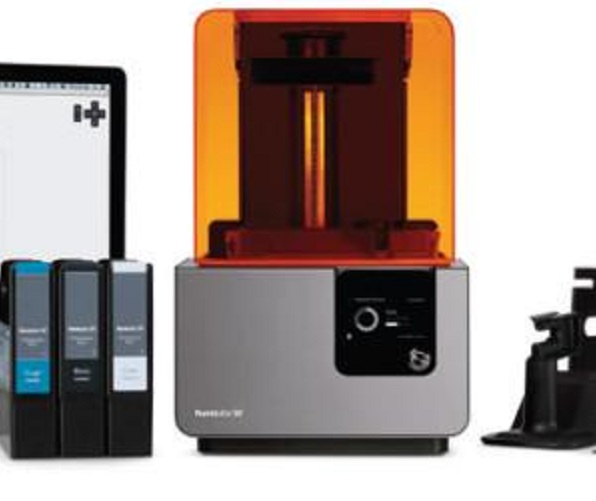
Imagine you need a prototype for a new consumer electronics product. Provider A offers low-cost FDM printing with PLA plastic. They promise a three-day turnaround. Provider B specializes in SLA printing with high-detail resin. They charge more but show portfolios of similar electronic housings with smooth finishes and precise fit.
If your prototype requires tight tolerances to test component placement, Provider B's higher price might actually save you money by avoiding a failed test round. This is where comparing beyond price becomes critical.
How Can You Spot Truly Experienced 3D Service Providers?
Experience reveals itself in subtle ways. Look for providers who ask detailed questions about your project's end use. A seasoned team will inquire about mechanical stresses, environmental exposure, and aesthetic requirements before recommending materials or processes.
Real-World Experience Indicators
- Portfolio depth: Do they showcase projects ranging from simple keychains to complex assemblies?
- Problem-solving examples: Ask about a challenging project they completed. How did they overcome obstacles?
- Industry knowledge: Can they explain why Nylon might outperform ABS for a specific automotive part under the hood?
Trust but Verify: Facts and Data
Industry data reinforces the importance of choosing wisely. According to Wohlers Associates, the global 3D printing market is projected to reach $46.8 billion by 2026. This growth means more providers enter the field daily—some highly skilled, others just starting. Verifying credentials matters more than ever.
Yigu Technology: Bringing Engineering Expertise to Local 3D Services
As a non-standard plastic and metal products custom supplier, Yigu Technology bridges the gap between digital design and physical reality. Our approach combines advanced equipment with deep engineering experience.
What Sets Our 3D Services Apart?
- Advanced equipment: Our 3D printers handle everything from standard PLA to high-strength metal alloys. This range allows us to serve diverse industries—from medical device prototyping to automotive component manufacturing.
- Experienced professionals: Our 3D modelers average 5+ years of hands-on experience. They are proficient in industry-standard software including SolidWorks, Autodesk Maya, and Blender. This expertise ensures your designs translate accurately from concept to reality.
- Material knowledge: We guide clients through material selection based on mechanical properties, cost constraints, and intended use. For example, we recently helped a client switch from aluminum to a specialized nylon composite, reducing part weight by 40% while maintaining strength.
A Client Success Story
A medical device startup approached us needing a lightweight, biocompatible prototype for a surgical tool. They had previously worked with another local 3D service that delivered parts with rough surfaces and poor dimensional accuracy. Our team reviewed their CAD files, recommended SLA printing with medical-grade resin, and delivered smooth, sterile-ready prototypes within five business days. The client successfully used these prototypes for initial surgeon feedback, saving months in development time.
Conclusion
Searching for "3D services near me" is only the first step. The real value lies in finding a partner who understands your project goals, asks the right questions, and delivers quality you can trust. Focus on providers with proven experience, transparent processes, and a genuine interest in solving your unique challenges. Whether you need rapid prototyping, detailed 3D modeling, or custom manufacturing, taking time to evaluate options upfront saves headaches and money later.
Frequently Asked Questions
Q1: How much does 3D printing typically cost?
Costs vary based on material, model complexity, and size. Simple plastic prints may cost $20–$50, while complex metal parts can run hundreds of dollars. Many providers charge by the cubic centimeter or offer project-based quotes. Always request a detailed breakdown before committing.
Q2: What materials can be used in 3D printing?
Common materials include PLA and ABS plastics for general use, nylon and TPU for flexible or durable parts, and metals like aluminum, titanium, and stainless steel for industrial applications. Some providers also offer ceramics, resin, and composite materials.
Q3: How long does it take to get a 3D printed part?
Turnaround times range from 24 hours for rush orders to one or two weeks for complex projects. Factors include print size, material availability, and post-processing requirements like sanding or painting.
Q4: Can you 3D print from my sketch or idea?
Yes, but your idea must first become a digital 3D model. Many providers offer 3D modeling services to convert sketches, photographs, or concepts into printable files. Be prepared to describe your vision clearly or provide reference images.
Q5: What precision can I expect from 3D printing?
Precision depends on the technology used. Standard FDM printers achieve 0.1–0.3mm layer heights. Industrial SLA or SLS printers can reach 0.05mm or finer. For most prototypes and consumer products, standard precision suffices.
Contact Yigu Technology for Custom Manufacturing
Ready to bring your idea to life? At Yigu Technology, we specialize in turning concepts into reality through precision 3D services and custom manufacturing. Whether you need a single prototype or production-run parts, our team is here to help.
Visit our website to explore our capabilities. Contact us today for a free consultation and quote. Let's build something great together.