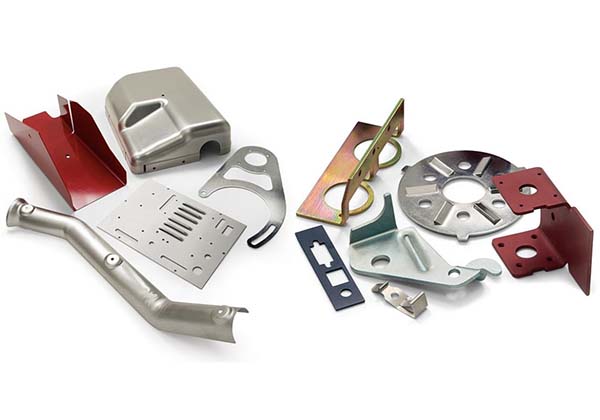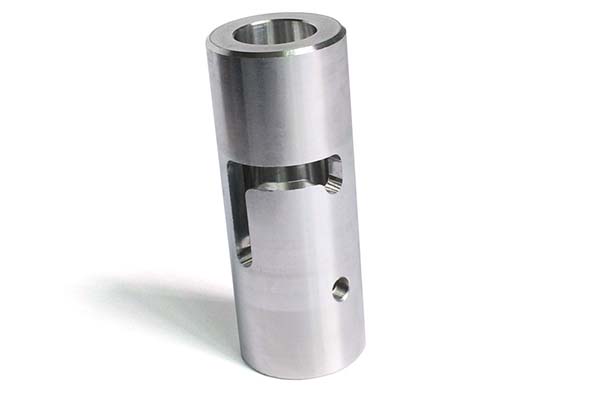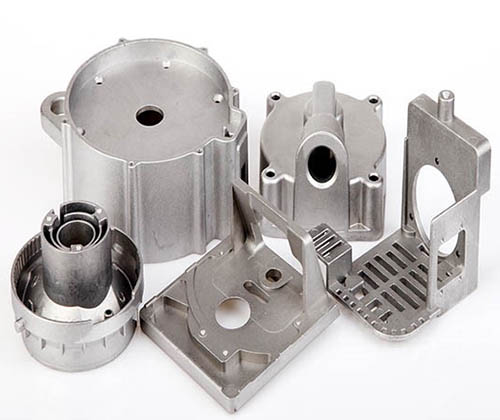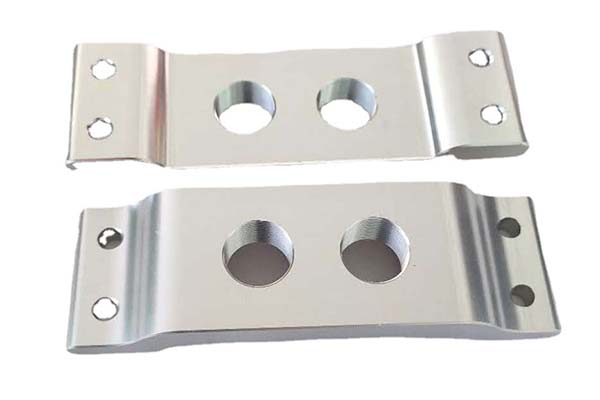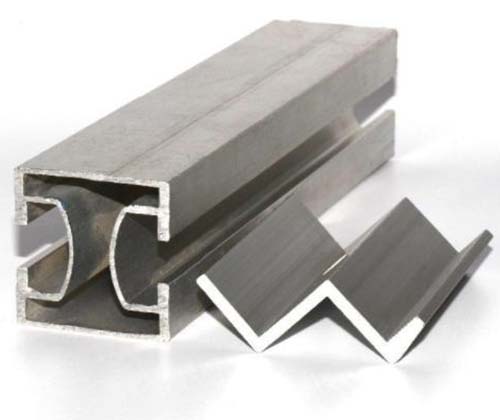
Manufacturers often turn to hot-rolled steel when they need strong, durable parts at a lower cost. But working with this material comes with its own set of challenges. The surface is rough. Tolerances are wider. Scale from the rolling process can cause tool wear. These factors can lead to inconsistent results if not managed properly. Yet hot-rolled steel remains a go-to material for structural components, heavy machinery, and automotive frames. This guide covers the properties, characteristics, and stamping techniques that make hot-rolled steel a practical choice. You will learn how to work with its quirks to produce reliable, cost-effective parts.
What Is Hot-Rolled Steel and How Is It Made?
Hot-rolled steel is produced by rolling steel at temperatures above its recrystallization point, typically 900°C to 1200°C. At these high temperatures, the steel becomes soft and malleable. It can be shaped into large sheets or coils with relatively low force.
The high-temperature process has advantages. It is faster and more energy-efficient than cold rolling. It also allows the production of thicker gauges that would be difficult to cold-form. However, it also creates the characteristics that make hot-rolled steel distinct: a rough surface, scale formation, and wider dimensional tolerances.
What Are the Key Properties of Hot-Rolled Steel?
Understanding the material properties helps you select the right grade and design the stamping process accordingly.
Steel Composition
Hot-rolled steel is primarily iron with carbon content ranging from 0.05% to 1.5%, depending on the grade.
| Carbon Content | Characteristics | Typical Grades |
|---|---|---|
| Low (below 0.25%) | High ductility, easy to form | A36, 1008, 1010 |
| Medium (0.25–0.60%) | Balanced strength and formability | 1045, 1050 |
| High (above 0.60%) | High strength, lower ductility | 1060, 1080, spring steel |
Manganese and silicon are often added to improve toughness and formability. These alloying elements also affect how the steel behaves during stamping.
Mechanical Strength
Hot-rolled steel offers tensile strengths from 300 MPa to 700 MPa, depending on the grade and carbon content. This strength range makes it suitable for structural applications where load-bearing capacity is critical.
However, strength can vary slightly across a single sheet. The rolling process creates some variation in grain structure, which affects localized strength. Stamping processes must account for this variation.
Ductility and Toughness
Ductility—the ability to stretch without breaking—ranges from 10% to 30% elongation. Lower-carbon grades stretch more. Higher-carbon grades are stronger but less ductile.
Toughness—the ability to absorb energy without fracturing—is excellent in hot-rolled steel, especially at lower temperatures. This makes it ideal for components that experience impact, such as heavy machinery parts and automotive structural elements.
Thermal Properties
Hot-rolled steel has a melting point around 1300°C and good thermal conductivity. These properties mean it can withstand the heat generated during stamping without significant degradation. However, excessive heat can still affect tooling and lubrication.
What Characteristics Affect Stamping?
Beyond the basic material properties, several characteristics of hot-rolled steel directly impact the stamping process.
Surface Roughness
Hot-rolled steel has a rough surface compared to cold-rolled steel. Typical Ra values range from 5 to 25 micrometers. The roughness comes from the rolling process itself and the formation of scale—a layer of iron oxide that forms when hot steel reacts with oxygen.
For applications where aesthetics matter, this roughness requires additional finishing. For structural parts that will be painted or coated, the rough surface can actually improve coating adhesion.
Dimensional Tolerance
Wider tolerances are a hallmark of hot-rolled steel. Thickness can vary by ±0.5 mm to ±1 mm across a sheet. Width and length tolerances are similarly loose.
This variation affects stamping die design. Dies must accommodate the range of thicknesses to avoid uneven forming or part misalignment. Clearances between punches and dies should be larger than for cold-rolled steel.
Scale Formation
Scale is the layer of iron oxide that forms on the surface during hot rolling. It appears as a dark, flaky coating. Scale can cause several problems in stamping:
- Accelerated tool wear
- Inconsistent part dimensions
- Poor surface finish
- Contamination of lubricants
Scale can be removed before stamping through pickling (acid bath) or mechanical descaling (grinding, blasting). Some applications leave the scale in place, especially if the part will be painted or used in a non-cosmetic application.
Thickness Variation
Even within a single sheet, thickness can vary by up to 0.3 mm. This variation requires stamping presses to be adjusted for consistent pressure application. Progressive dies must account for thickness changes as the strip moves through stations.
Edge Quality
Edges of hot-rolled steel are often irregular, with burrs or slight deformations from the shearing process. Trimming and shearing operations are typically required as part of stamping to achieve clean, usable edges.
How Do You Stamp Hot-Rolled Steel Effectively?
Stamping hot-rolled steel requires adjustments to account for its unique characteristics.
Stamping Techniques
Hot-rolled steel’s moderate ductility makes it best suited for simpler stamping operations.
| Operation | Suitability | Considerations |
|---|---|---|
| Punching | Good | Use sharp tools; larger clearances |
| Bending | Good | Minimum bend radius 2–3× thickness |
| Shallow drawing | Moderate | Slow speeds; heavy lubrication |
| Deep drawing | Poor | High risk of cracking; avoid |
Complex deep drawing is generally not recommended. Hot-rolled steel lacks the ductility of cold-rolled or aluminum for such operations.
Press Machines
The press must have sufficient tonnage to handle the material’s strength. For most applications, mechanical presses with 50 to 500 tons are suitable. For thicker sheets (over 6 mm) or larger parts, hydraulic presses offer better control over speed and force.
Tooling and Dies
Dies must be durable to withstand the abrasiveness of hot-rolled steel, especially when scale is present.
- Die material: Tool steel like A2 or D2, hardened to HRC 55–60. Carbide inserts for high-volume runs.
- Clearance: Larger than for cold-rolled steel—typically 15% to 20% of material thickness.
- Surface finish: Polished die surfaces (Ra ≤ 0.4 μm) reduce friction and wear.
Trimming and Shearing
Trimming addresses the irregular edge quality of hot-rolled steel. Use sharp, well-maintained tools to prevent tearing. Clean edges are essential for proper part assembly and fit.
Lubrication
Hot-rolled steel requires heavy lubrication to reduce friction and protect tools. Extreme-pressure (EP) lubricants with additives like sulfur or chlorine work well. For parts that will be painted, ensure the lubricant is compatible with subsequent finishing processes.
What Quality Controls Are Essential?
Incoming Material Inspection
Verify that incoming hot-rolled steel meets specifications. Check:
- Certificates of analysis: Confirm composition and mechanical properties.
- Thickness: Sample sheets with micrometers to ensure they fall within specified range.
- Surface condition: Note scale thickness and any defects.
Dimensional Inspection
Use calipers, micrometers, and laser scanners to verify part dimensions. Focus on critical dimensions that affect fit and function. Acceptable ranges will be wider than for cold-rolled steel, but they must still meet design requirements.
Surface Defect Detection
Inspect for cracks, pits, or excessive scale that could affect performance. Use visual inspection for surface defects. For critical parts, magnetic particle testing can reveal surface and near-surface flaws.
Material Testing
Conduct tensile tests on sample parts to verify mechanical strength. Confirm that yield strength and tensile strength meet grade requirements. Hardness testing using the Rockwell B scale (HRB) provides additional quality data. Hot-rolled steel typically ranges from 70 to 120 HRB, with higher carbon grades being harder.
Non-Destructive Testing
For critical applications—automotive structural parts, construction components—use ultrasonic testing to detect internal defects. This ensures structural integrity and prevents failures in service.
Where Is Hot-Rolled Steel Stamping Used?
Automotive Manufacturing
Hot-rolled steel is used for structural components where strength matters more than surface finish. Common parts include:
- Frame rails
- Chassis brackets
- Suspension components
- Crossmembers
Construction
The material’s load-bearing capacity makes it ideal for building components:
- Steel beams and columns
- Brackets and connectors
- Roof trusses
- Support structures
Industrial Equipment
Heavy machinery relies on hot-rolled steel for:
- Machine frames
- Conveyor rollers
- Gear housings
- Base plates
Heavy Machinery
Bulldozers, cranes, and excavators use hot-rolled steel for:
- Bucket edges
- Arm structures
- Engine mounts
- Counterweights
Transportation
Truck beds, trailer frames, and railway components use hot-rolled steel for its strength and fatigue resistance.
How Does Hot-Rolled Steel Compare to Cold-Rolled Steel?
| Factor | Hot-Rolled | Cold-Rolled |
|---|---|---|
| Surface finish | Rough, with scale | Smooth, clean |
| Dimensional tolerance | ±0.5–1 mm | ±0.01–0.05 mm |
| Ductility | Moderate (10–30% elongation) | High (20–40% elongation) |
| Strength | 300–700 MPa | 300–600 MPa |
| Cost | Lower | Higher |
| Best applications | Structural, heavy-duty | Precision, cosmetic |
Conclusion
Hot-rolled steel occupies an essential place in manufacturing. It offers strength, toughness, and cost-effectiveness that cold-rolled steel cannot match for many applications. But stamping it requires understanding its unique characteristics. The rough surface, scale formation, and wider tolerances are not defects—they are inherent to the material. Working with them rather than against them is the key to success.
Use sharp, durable tooling with larger clearances. Apply heavy lubrication to manage friction and wear. Inspect for scale and remove it when necessary. Accept that dimensional tolerances will be wider and design assemblies accordingly.
When these practices are followed, hot-rolled steel stamping delivers reliable, durable parts at a cost that makes sense for high-volume production. From automotive frames to construction components, it remains a material of choice where strength and economy matter more than surface perfection.
FAQ About Metal Stamping with Hot-Rolled Steel
How does hot-rolled steel compare to cold-rolled steel in terms of stamping difficulty?
Hot-rolled steel is generally easier to stamp for simple shapes due to its lower cost and the fact that it is more forgiving of die clearance variations. However, its rougher surface, wider tolerances, and scale formation make it more challenging for applications requiring precision or smooth finishes. Cold-rolled steel is preferred when surface quality and tight tolerances are critical.
Can hot-rolled steel be used for parts requiring corrosion resistance?
Yes, but hot-rolled steel has only moderate natural corrosion resistance. To enhance it, post-stamping treatments like painting, galvanizing, or powder coating are recommended. These treatments create a protective barrier, making the parts suitable for outdoor or humid environments.
What is the typical thickness range for hot-rolled steel used in stamping?
Hot-rolled steel used in stamping typically ranges from 1.5 mm to 10 mm in thickness. Thicker sheets, up to 25 mm, can be stamped for heavy-duty applications, though they require more powerful presses and specialized tooling to handle the increased strength and thickness.
Do I need to remove scale before stamping hot-rolled steel?
It depends on the application. For structural parts that will be painted or coated, scale can often remain—it may even improve coating adhesion. For precision parts or those requiring a smooth finish, scale should be removed through pickling or mechanical descaling before stamping to prevent tool wear and surface defects.
What lubricants work best for stamping hot-rolled steel?
Extreme-pressure (EP) lubricants containing sulfur, chlorine, or phosphorus additives work best. These lubricants form a protective film under high pressure, reducing friction and preventing galling. For parts that will be welded or painted afterward, ensure the lubricant is compatible with those processes or can be easily cleaned off.
Contact Yigu Technology for Custom Manufacturing
Stamping hot-rolled steel requires experience with its unique characteristics—rough surfaces, scale, and wider tolerances. At Yigu Technology, we specialize in custom metal stamping for automotive, construction, and industrial clients. Our team selects the right grade of hot-rolled steel for your application. We design tooling with appropriate clearances and durable materials to withstand scale abrasion. Our presses handle thicknesses from light gauge to heavy plate. Quality control includes material testing, dimensional inspection, and non-destructive testing for critical parts. Whether you need structural brackets or heavy machinery components, we have the capabilities to deliver. Contact us today to discuss your project.