Introduction
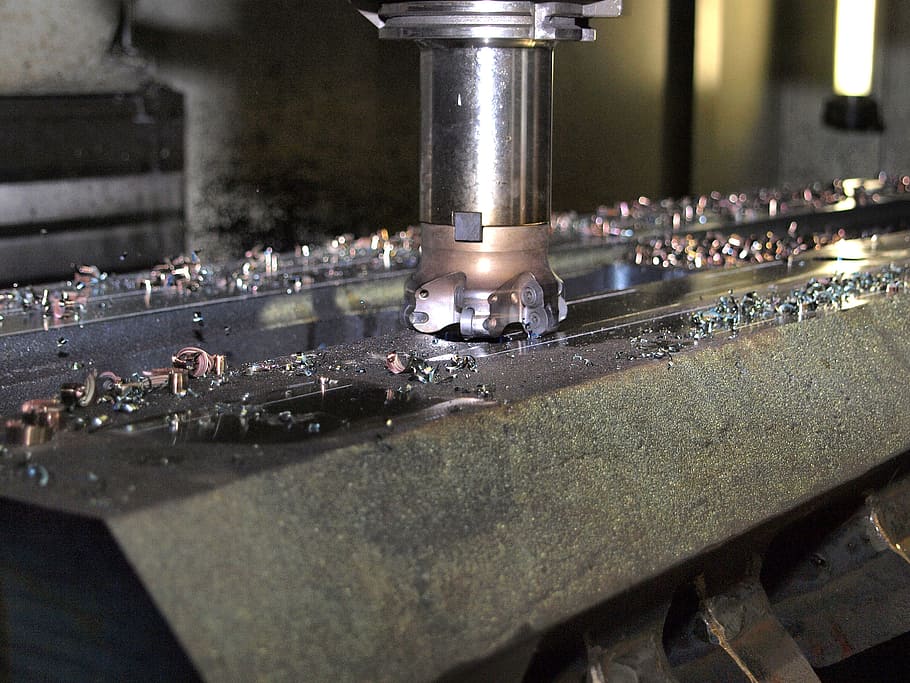
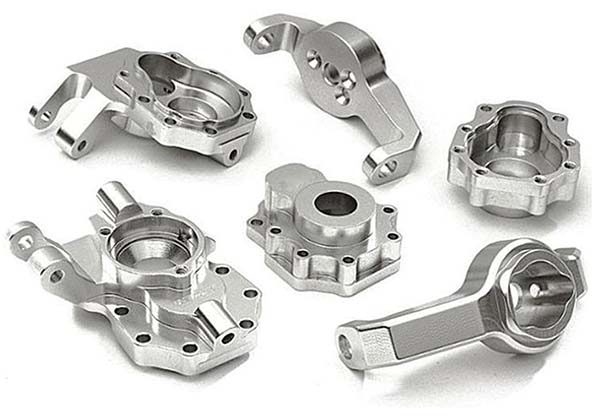
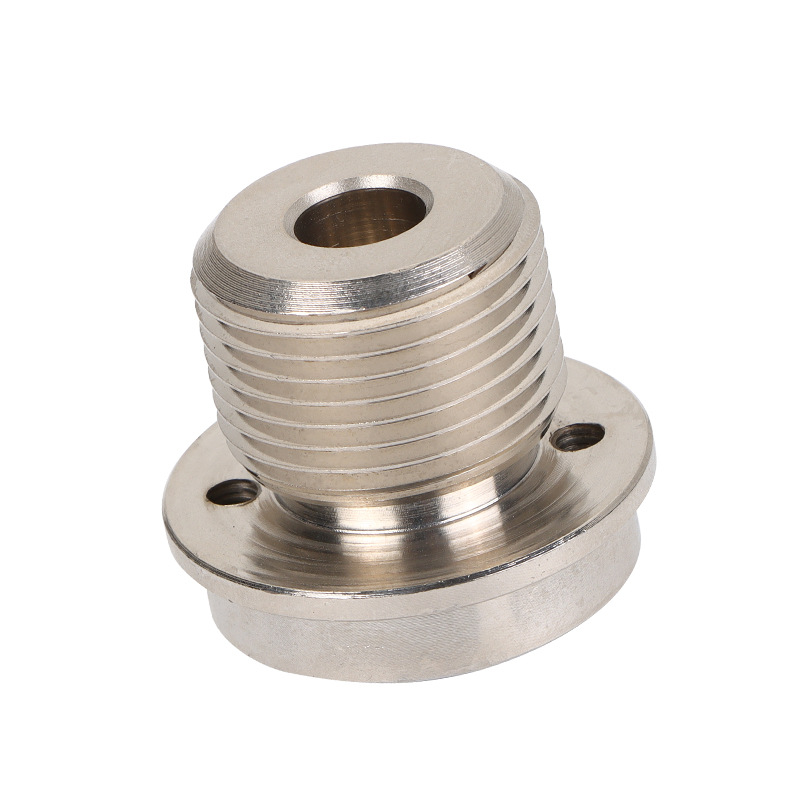
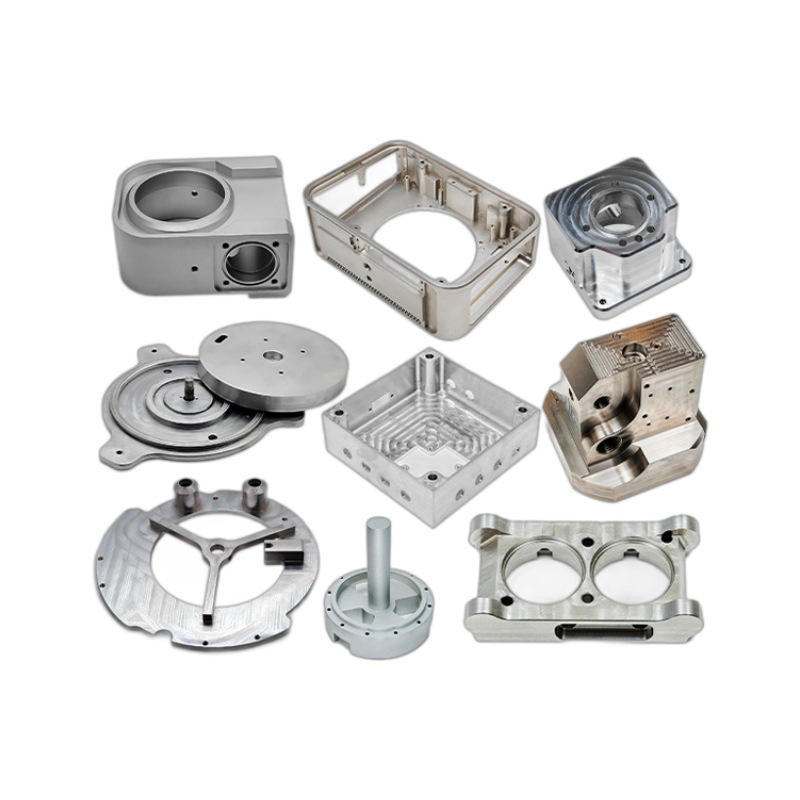
In the vast landscape of modern manufacturing, precision CNC machining manufacturers stand as the cornerstone of innovation and precision. These manufacturers transform raw materials into highly precise components with micron-level accuracy—shaping industries from aerospace and automotive to medical devices and electronics.
In aerospace, safety and performance are paramount. A single flaw in an engine part could lead to catastrophic consequences. Precision CNC machining manufacturers ensure every component—from turbine blades to fasteners—is manufactured to exact specifications, with tolerances often measured in thousandths of an inch.
In automotive, the pursuit of fuel efficiency, performance, and safety demands lighter, stronger, more precise parts. CNC-machined engine blocks, transmission components, and suspension parts contribute to better vehicle performance and reliability.
In medical devices, components for surgical instruments, prosthetics, and diagnostic equipment must be made with extreme precision to ensure proper functionality and patient safety.
But in a highly competitive global market, standing out requires more than precision. Innovation is the heart and soul of precision CNC machining manufacturers. It enables them to maintain high-quality standards, enhance productivity, reduce costs, and open new possibilities in design and manufacturing—staying ahead of the curve in a rapidly evolving technological landscape.
This guide explores how precision CNC machining manufacturers foster innovation through material innovations, process improvements, and real-world case studies.
What Material Innovations Drive Precision CNC Machining?
High-Performance Materials
| Material | Properties | Applications |
|---|---|---|
| Titanium alloys | High strength-to-weight ratio; corrosion resistance; biocompatibility | Aerospace engine components (turbine blades, compressor discs); medical implants (hip/knee replacements) |
| PEEK | Heat resistance to 260°C; chemical resistance; mechanical strength; radiolucent | Medical implants (surgical instruments, orthopedic); electronics (high-performance connectors) |
| Carbon fiber composites | High strength-to-weight ratio; stiffness | Aerospace, automotive—lightweight structural components |
Property Comparison
| Material | Density (g/cm³) | Tensile Strength (MPa) | Heat Resistance (°C) | Corrosion Resistance | Biocompatibility |
|---|---|---|---|---|---|
| Titanium alloy | 4.5–4.8 | 800–1200 | Up to 600 | Excellent | Good |
| PEEK | 1.3–1.4 | 90–100 | Up to 260 | High | High |
| Carbon fiber composite | 1.5–2.0 | 1000–2000 | Up to 300 | Good | N/A |
Material Compatibility and Customization
Precision CNC machining manufacturers ensure material compatibility through:
| Step | Description |
|---|---|
| Thorough material analysis | Mechanical, thermal, chemical properties |
| Process optimization | Adjust cutting speeds, feed rates, tool geometries—e.g., titanium requires special tools and coolants due to low thermal conductivity |
| Testing and validation | Prototypes tested to ensure specifications are met |
Customization: Manufacturers can create custom-formulated materials—adjusting alloy composition for specific strength-to-weight ratios or modifying plastics to enhance electrical conductivity.
How Do Process Improvements Enhance Innovation?
Advanced Machining Technologies
| Technology | Capability |
|---|---|
| 5-axis CNC machines | Simultaneous movement along five axes—complex geometries; single-setup machining |
| High-speed spindles | Higher material removal rates; improved surface finish |
| Advanced cutting tools | Precision tooling; reduced cycle times |
Lean Manufacturing and Process Optimization
| Strategy | Impact |
|---|---|
| Integrated manufacturing software | Real-time monitoring; predictive analytics; reduced unplanned downtime |
| Factory layout redesign | Minimize material movement; reduce waste |
| Just-in-time (JIT) inventory | Reduce holding costs; ensure material availability |
What Do Real-World Innovation Case Studies Reveal?
Company A: Revolutionary Design in Aerospace Parts
Challenge: Design and manufacture next-generation aircraft engine components that withstand extreme temperatures, high mechanical stress, and vibrations—while being lightweight to improve fuel efficiency.
Innovations:
| Area | Innovation |
|---|---|
| Materials | New titanium-based alloy—superior strength-to-weight ratio; corrosion resistance |
| Design | CAD and simulation software; computational fluid dynamics (CFD) to analyze airflow around turbine blades—optimized blade shape to reduce turbulence; increased efficiency |
| Machining | 5-axis CNC machines; high-speed spindles; advanced cutting tools—complex geometries; improved surface finish |
Results:
- Components 15% lighter than predecessors
- Engine efficiency increased by 8%
- Reduced fuel consumption; cost savings for airlines; more environmentally friendly
Company B: Cost-Effective Solutions in Automotive
Challenge: Provide cost-effective, high-performance automotive parts without compromising quality.
Innovations:
| Area | Innovation |
|---|---|
| Process optimization | Integrated manufacturing software—real-time monitoring; predictive analytics; reduced unplanned downtime |
| Lean manufacturing | Factory layout redesign; minimized material movement; JIT inventory—reduced holding costs |
| Material selection | Custom-formulated aluminum-based alloy for engine blocks—20% cheaper than traditional materials; similar mechanical properties |
| Machining technique | High-speed machining + precision tooling—reduced number of operations; higher material removal rates; lower cost per part |
Results:
- Production cost reduced by 25%
- Maintained high-quality standards
- Preferred supplier for automotive manufacturers
What Role Does Innovation Play in Precision CNC Machining?
| Innovation Area | Impact |
|---|---|
| Material innovations | High-performance materials (titanium, PEEK, carbon fiber)—enhanced strength, weight reduction, durability, biocompatibility |
| Material compatibility and customization | Custom-formulated materials—tailored properties; process optimization ensures machinability |
| Advanced machining technologies | 5-axis CNC, high-speed spindles—complex geometries; single-setup machining; improved surface finish |
| Process optimization | Integrated software; lean manufacturing; JIT—reduced downtime; lower costs; improved efficiency |
| Design innovation | CAD, simulation, CFD—optimized designs; performance improvements; reduced weight; increased efficiency |
Conclusion
Precision CNC machining manufacturers are at the forefront of innovation in manufacturing. Through:
- Material innovations: Titanium alloys (800–1200 MPa tensile strength; 600°C heat resistance); PEEK (260°C; radiolucent); carbon fiber composites (1000–2000 MPa tensile strength)
- Advanced machining: 5-axis CNC; high-speed spindles; precision tooling—complex geometries; single-setup machining
- Process optimization: Integrated software; lean manufacturing; JIT—real-time monitoring; reduced downtime; cost reduction (25% in case study)
- Design innovation: CAD; CFD simulation—weight reduction (15% in aerospace case); efficiency improvement (8% in engine efficiency)
These manufacturers drive progress in aerospace, automotive, medical devices, and electronics—contributing to a more advanced and efficient global economy. By fostering a culture of innovation, they meet ever-increasing demands for high-quality, customized components while enhancing productivity, reducing costs, and opening new possibilities in design and manufacturing.
FAQs
What are the most common high-performance materials used in precision CNC machining?
Titanium alloys (aerospace, medical—strength-to-weight, biocompatibility), PEEK (medical, electronics—heat resistance to 260°C, radiolucent), and carbon fiber-reinforced composites (aerospace, automotive—lightweight, high strength) are among the most common.
How do precision CNC machining manufacturers ensure material compatibility?
They conduct thorough material analysis (mechanical, thermal, chemical properties), optimize the machining process (cutting speeds, feed rates, tool geometries), and perform extensive testing and validation on prototypes to ensure specifications are met.
Can precision CNC machining manufacturers customize materials?
Yes. They can create custom-formulated materials by adjusting alloy composition (e.g., achieving specific strength-to-weight ratios) or modifying plastics (e.g., enhancing electrical conductivity) to meet specific requirements.
What is the role of 5-axis CNC machining in innovation?
5-axis CNC machining allows simultaneous movement along five axes—enabling complex geometries, single-setup machining, and improved surface finish. This reduces setup errors, shortens cycle times, and makes possible parts that would be impossible or impractical with 3-axis machines.
How do precision CNC machining manufacturers reduce production costs?
Through process optimization (integrated software, real-time monitoring, predictive analytics), lean manufacturing (factory layout redesign, minimized material movement), JIT inventory (reduced holding costs), and advanced machining techniques (high-speed machining, precision tooling)—achieving cost reductions of 25% in automotive case studies.
Contact Yigu Technology for Custom Manufacturing
At Yigu Technology, we are precision CNC machining manufacturers driving innovation for aerospace, medical, automotive, and industrial applications. With 15 years of experience, advanced 5-axis CNC machining, and ISO 9001 certification, we deliver precision components with tight tolerances and superior surface finishes.
Our expertise includes high-performance materials—titanium alloys, PEEK, carbon fiber composites—and process optimization for cost-effective production. Contact us today to discuss your precision CNC machining project.