Introduction
Walk into any store anywhere in the world, and you will likely find plastic products made in China. From simple household containers to complex automotive components, Chinese-made plastics are everywhere. The numbers back this up. In 2023, China produced 74.885 million tons of plastic products. That is a 3% increase from the previous year.
To put this in perspective, China alone accounted for 33.3% of global plastic production in 2023. North America came in at 17.1%, while the EU 27 plus three other nations made up 12.3%. China produces more than North America and Europe combined.
But sheer volume is only part of the story. Chinese plastic manufacturers have built a reputation for precision, innovation, and cost-effectiveness. They supply everything from simple disposable items to high-performance engineering components.
So what exactly made China the world’s plastic powerhouse? Is it the vast raw material resources? Advanced manufacturing technology? A complete industrial chain? The answer is all of these, working together. This article explores the key factors that built this industry and keep it growing.
How Has Technology Driven the Industry?
What Precision Molding Methods Dominate?
Precision molding is the backbone of China’s plastic industry. Four main methods cover most production needs.
| Method | Primary Use | Key Advantage |
|---|---|---|
| Injection Molding | Complex, high-precision parts | High speed, tight tolerances |
| Blow Molding | Hollow products like bottles | Efficient, low tooling cost |
| Extrusion Molding | Continuous shapes like pipes | High volume, low cost |
| Compression Molding | Simple, high-volume parts | Short cycle times |
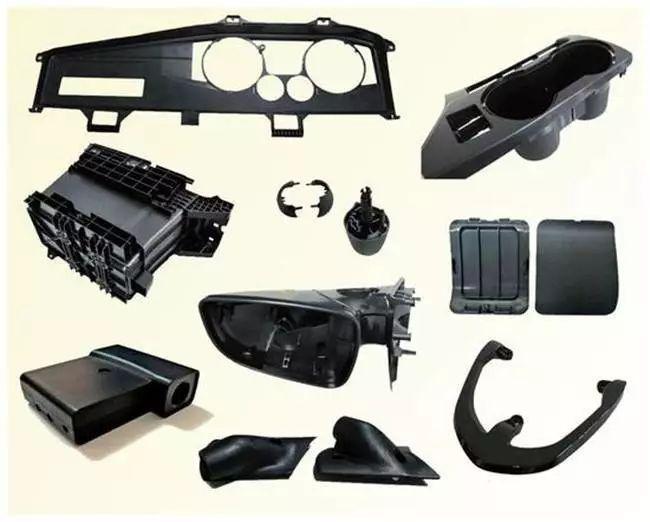
Injection molding is the most widely used. In the automotive sector, Chinese manufacturers produce dashboard components with remarkable precision. One leading supplier upgraded its injection molding equipment and saw production efficiency rise by 25%. The defect rate dropped from 5% to just 2%.
In electronics, the demands are even tighter. Mobile phone casings need wall thickness tolerances as low as ±0.05mm. Chinese manufacturers have mastered this level of precision. Global electronics brands trust them to meet these strict requirements.
Blow molding serves the packaging industry. A well-known Chinese packaging company produces 500ml PET bottles at 2,000 units per hour. Their product qualification rate exceeds 98%. This combination of speed and quality drives exports worldwide.
Extrusion molding produces plastic pipes. China’s plastic pipe output reached 18 million tons in 2023. These pipes go into construction, agriculture, and infrastructure projects. Advanced extrusion lines now produce pipes with complex cross-sections and enhanced heat resistance for hot-water systems.
Compression molding handles simpler, high-volume parts. In furniture manufacturing, plastic chair components have cycle times as short as 3–5 minutes. This speed enables cost-effective mass production.
What Material Innovations Are Emerging?
Material innovation has opened new markets. Chinese manufacturers now produce high-performance plastics, engineering plastics, and biodegradable materials.
High-performance plastics like PEEK (polyetheretherketone) are finding their way into aerospace. A Chinese aerospace institute used domestically produced PEEK for non-structural aircraft parts. The result? 20% weight reduction compared to metal, without sacrificing strength or heat resistance.
Engineering plastics like ABS and PC are everywhere. One large electronics manufacturer produces millions of ABS laptop housings annually. Through material improvements, they cut material costs by 10% per housing while improving flame retardancy and anti-static properties.
Biodegradable plastics are gaining ground. Chinese companies have made significant progress with PLA (polylactic acid) and PHA (polyhydroxyalkanoates). A food packaging company switched to PLA-based packaging. The new material degrades over 80% within six months in simulated natural environments, dramatically reducing environmental impact.
Companies like Kingfa Sci. & Tech. Co., Ltd. lead the way in material innovation. They produce flame-retardant plastics, high-strength engineering plastics, and biodegradable materials. Their R&D efforts benefit the entire industry.
How Does the Industrial Chain Create Strength?
Upstream: Is Raw Material Supply Stable?
The upstream segment ensures a steady flow of raw materials. China is one of the world’s largest consumers and producers of plastic raw materials.
Crude oil processing reached 705.848 million tons in 2023. This provides a stable feedstock for polyethylene (PE) and polypropylene (PP). Major players like Sinopec and CNPC dominate this space. Sinopec alone has an annual capacity of over 10 million tons for basic plastic raw materials.
These large enterprises operate advanced refining and chemical facilities across the country. Their vast network guarantees supply stability for the entire domestic plastic industry.
Midstream: How Robust Is Manufacturing?
The midstream—actual plastic product manufacturing—is where China excels. This segment covers everything from simple items to complex industrial components.
Injection-molded products come from more than 10,000 enterprises across the country. In the toy industry, Chinese manufacturers produce tens of thousands of units daily for international brands. They adjust production quickly to meet changing market demands.
Plastic pipes represent another major category. China Liansu Group, a leading manufacturer, has an annual pipe capacity exceeding 3 million tons. Their products meet high-quality standards for both domestic and export markets.
Downstream: What Industries Drive Demand?
The downstream applications are incredibly diverse. This variety creates strong, sustained demand.
Packaging consumes a massive share. A company like Hangzhou Wahaha Group uses hundreds of thousands of tons of plastic packaging annually for its beverages and food products. They demand high quality and safety to protect product freshness.
Construction relies on plastics for pipes, insulation, and more. In high-rise buildings across Shanghai and Shenzhen, plastic-based insulation materials improve energy efficiency. These materials reduce heat transfer, saving energy for heating and cooling.
Automotive manufacturers like BYD use lightweight plastic components throughout their vehicles. Reduced weight improves fuel efficiency and vehicle performance. Plastics also allow complex shapes that are difficult to achieve with metal.
Electronics companies like Xiaomi use advanced plastics for phone casings and other components. The demand for high-strength, heat-resistant materials continues to grow as devices become thinner and more powerful.
This diverse downstream demand creates a virtuous cycle. Each industry’s needs drive innovation upstream. Better materials and processes, in turn, enable new applications.
What Challenges and Opportunities Lie Ahead?
How Is China Addressing Environmental Concerns?
Environmental impact is a serious challenge for the plastic industry. Chinese companies are responding on multiple fronts.
Recycling technologies are improving. Companies invest in advanced physical and chemical recycling methods to increase recovery rates. Better recycling means less virgin material needed and less waste ending up in landfills.
Biodegradable plastics are a growing focus. As noted earlier, PLA and PHA materials are entering commercial production. These materials offer a path to reduced environmental impact for single-use applications.
Cleaner production is also happening. Large manufacturers now install advanced waste-gas treatment equipment to reduce emissions. Production processes are being optimized to generate less waste and consume less energy.
What’s Next for China’s Plastic Industry?
The industry continues to evolve. Several trends are shaping the future.
Higher value products are a priority. Chinese manufacturers are moving beyond simple commodities into high-performance materials. Aerospace, medical, and electronics applications offer higher margins and growth potential.
Automation and smart manufacturing are transforming factories. More facilities now use real-time monitoring, predictive maintenance, and robotic automation. These technologies improve quality and efficiency.
Global expansion continues. Chinese plastic products already reach every corner of the world. As quality improves and innovation accelerates, this global reach will only grow.
Conclusion
China’s plastic industry did not become a powerhouse by accident. It rests on three strong pillars: advanced technology, material innovation, and an integrated industrial chain.
Precision molding methods produce components with tolerances as tight as ±0.05mm. Material innovation creates high-performance and biodegradable plastics for new applications. The upstream, midstream, and downstream segments work together seamlessly, creating efficiency and scale.
The industry faces real challenges, especially around environmental impact. But Chinese companies are investing in solutions—better recycling, biodegradable materials, and cleaner production processes.
For anyone involved in manufacturing, sourcing, or product development, understanding China’s plastic industry is essential. Its scale, capabilities, and ongoing innovation make it a central player in the global economy. And it shows no signs of slowing down.
FAQ
How does China’s plastic production volume compare to other major countries?
In 2023, China accounted for 33.3% of global plastic production, ranking first worldwide. North America followed at 17.1%, and the EU 27 plus three other nations at 12.3%. China’s production volume was roughly equal to North America and Europe combined.
What are the most promising new plastic materials being developed in China?
PLA (polylactic acid) is a biodegradable plastic made from renewable resources like corn starch. It is used in packaging, disposable tableware, and 3D printing. PHA (polyhydroxyalkanoates) is also biodegradable and has excellent biocompatibility for medical applications. Chinese researchers are also developing high-performance plastics with enhanced heat resistance and strength for aerospace and high-end manufacturing.
How are Chinese plastic companies addressing environmental concerns?
Companies are investing in advanced recycling technologies to increase waste plastic recovery rates. They are developing biodegradable plastics to reduce long-term pollution. Manufacturers are also adopting cleaner production technologies to cut emissions and waste. Many are building partnerships with recycling firms to establish complete circular economy systems.
Contact Yigu Technology for Custom Manufacturing
Need custom plastic components from a trusted partner? Yigu Technology combines deep industry knowledge with advanced manufacturing capabilities. We work with a wide range of materials—from standard engineering plastics to high-performance and biodegradable options. Our team helps you select the right material and process for your application. Contact us today to discuss your project.