Introduction
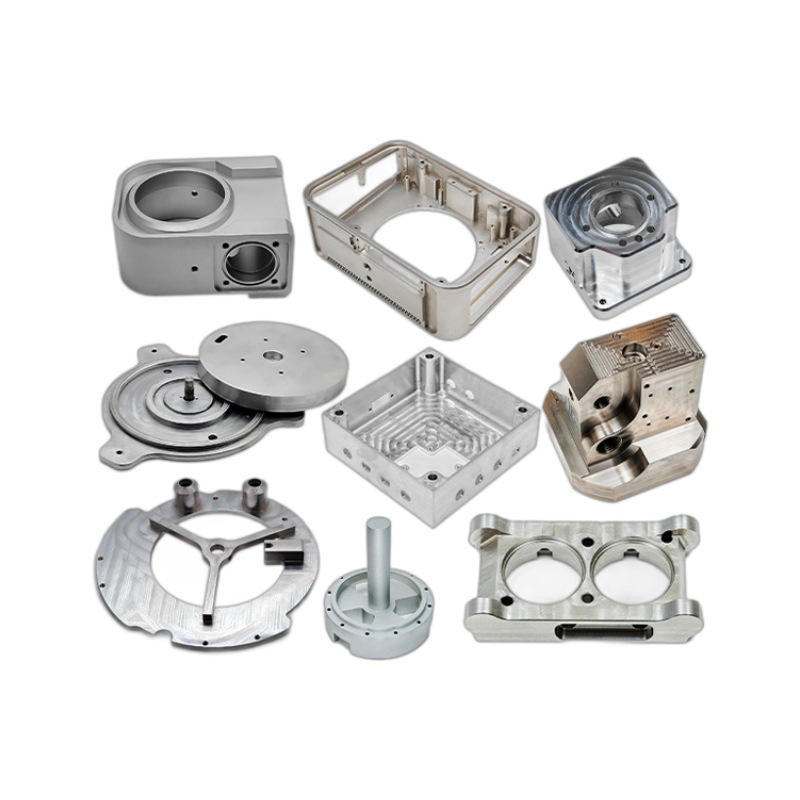
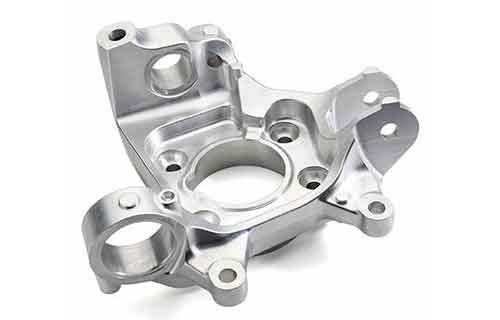
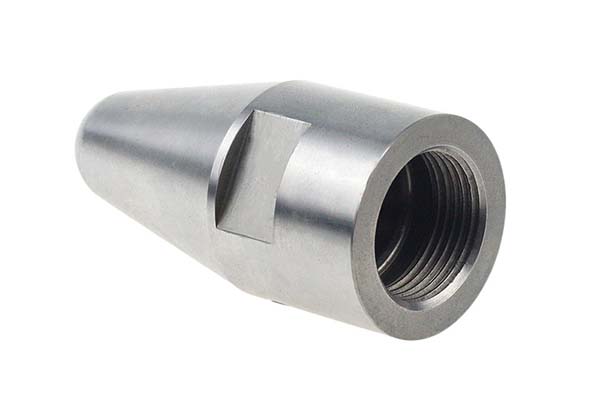
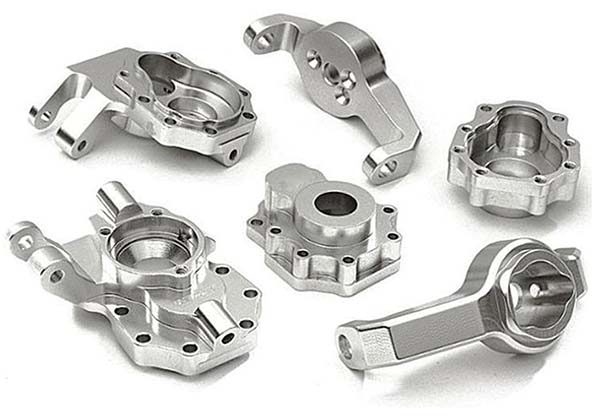
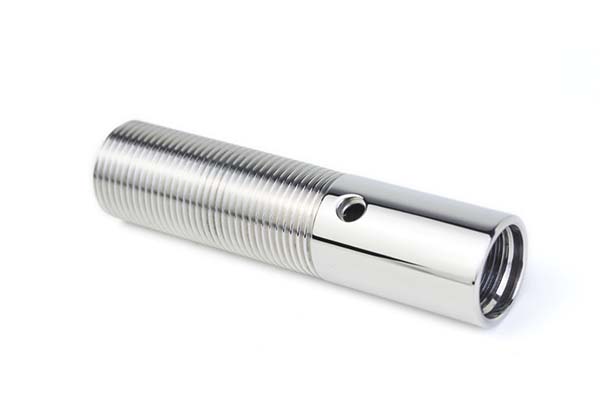
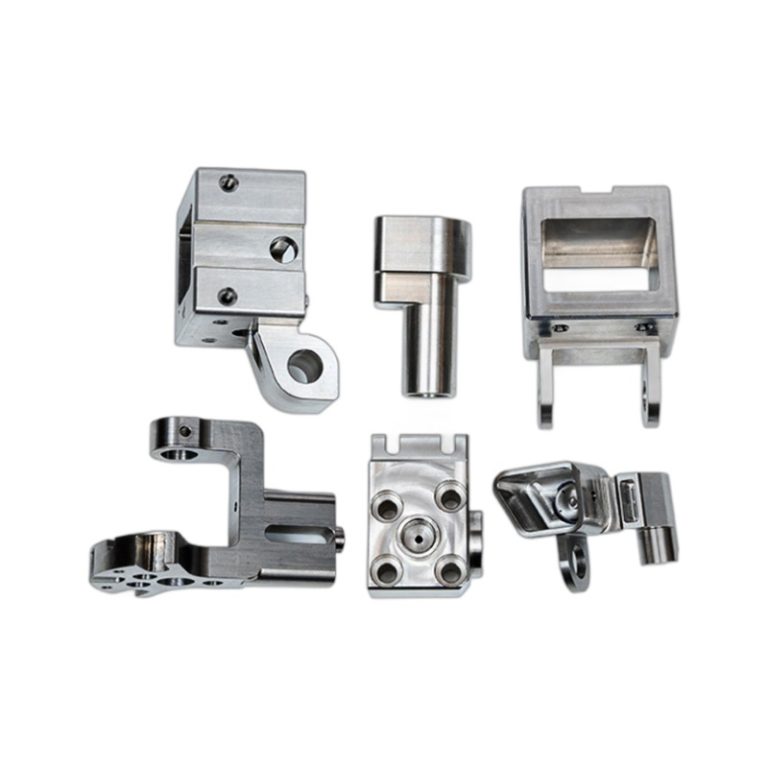
Milling services involve removing material from a workpiece using rotary cutters. This manufacturing process is critical for producing components with high precision, complex geometries, and tight tolerances. Milling services shape and finish parts according to specific design requirements, making them essential for creating functional and durable components across industries. From automotive engines to aerospace turbine blades, milling drives innovation. This guide explores the types of milling services, their applications across key industries, benefits, modern technologies, and real-world success stories.
What Types of Milling Services Are Available?
Different milling processes cater to various production needs. Each offers distinct advantages.
| Milling Type | Description | Best For |
|---|---|---|
| Face milling | Cuts flat surfaces on the face of the workpiece | Creating smooth, flat surfaces |
| Plain milling | Removes material from a surface to create flat or curved surfaces | General material removal |
| CNC milling | Computer-controlled automation; ensures precision and repeatability | Complex parts, mass production |
| Horizontal milling | Workpiece placed horizontally; cutter moves vertically | Heavy material removal, larger parts |
| Vertical milling | Workpiece positioned vertically; cutter moves horizontally | Precision work, smaller parts |
| Multi-axis milling | Cutter moves along multiple axes simultaneously | Intricate designs, complex shapes (aerospace, medical) |
Where Are Milling Services Applied?
Milling services have a broad range of applications across industries that demand stringent standards for safety, quality, and performance.
Automotive Industry
| Application | Why Milling Matters |
|---|---|
| Engine components | Tight tolerances ensure reliable performance and durability |
| Transmission parts | Complex geometries require precision for smooth operation |
| Chassis elements | Consistent quality across mass production |
Impact: CNC milling enables mass production with consistent quality, helping automotive manufacturers reduce costs while meeting stringent regulations.
Aerospace Industry
| Application | Why Milling Matters |
|---|---|
| Turbine blades | Complex geometries essential for aerodynamic efficiency |
| Landing gear components | High reliability under extreme conditions |
| Structural elements | Stringent safety and performance standards |
Impact: Multi-axis CNC milling produces complex geometries that improve fuel efficiency and durability in aircraft.
Medical Industry
| Application | Why Milling Matters |
|---|---|
| Surgical instruments | Highest precision required for patient safety |
| Implants | Exact specifications for proper fit and function |
| Medical devices | Even small deviations can have serious consequences |
Impact: CNC milling ensures components meet exact specifications, reducing surgical complications and improving patient outcomes.
What Are the Benefits of Milling Services?
Milling services offer several significant advantages that make them indispensable in modern manufacturing.
Precision and Accuracy
| Benefit | Detail |
|---|---|
| High precision | Achieve micron-level accuracy |
| Repeatability | Consistent quality across large production runs |
| Critical applications | Essential in aerospace and medical where minute deviations compromise safety |
Material Efficiency
| Benefit | Detail |
|---|---|
| Minimal waste | Material removed only where necessary |
| Reduced scrap | Optimized material usage |
| Cost savings | Particularly important for expensive materials (titanium, specialized alloys) |
Customization Capabilities
| Benefit | Detail |
|---|---|
| Complex shapes | Produce components with intricate geometries |
| Flexible design changes | Rapid prototyping and small production runs |
| Material versatility | Work with metals, plastics, composites |
What Modern Technologies Enhance Milling Services?
Technological advancements have significantly enhanced milling services, making them more efficient and adaptable.
CNC Milling Machines
| Feature | Benefit |
|---|---|
| Automated operations | Precise and repeatable processes |
| Mass production capability | High consistency across large batches |
| Reduced human error | More reliable and faster production |
Automation and Robotics
| Feature | Benefit |
|---|---|
| Repetitive tasks | Higher speed and accuracy than manual operations |
| Hazardous environments | Machines operate where humans cannot safely work |
| Productivity | Reduces production times; minimizes errors |
What Do Real-World Success Stories Show?
Automotive Industry
A leading automotive manufacturer implemented CNC milling machines to produce engine components.
| Metric | Improvement |
|---|---|
| Production time | Reduced by 30% |
| Cost | Lowered production costs |
| Quality | Enhanced performance and durability of engine components |
Aerospace Industry
An aerospace company used multi-axis milling to produce complex turbine blades—difficult to manufacture using traditional methods.
| Metric | Improvement |
|---|---|
| Aerodynamic efficiency | Improved |
| Fuel efficiency | Enhanced |
| Operational costs | Lowered for airlines |
Medical Industry
A medical device manufacturer used CNC milling to produce custom surgical instruments.
| Metric | Improvement |
|---|---|
| Surgical complications | Reduced due to precise instruments |
| Patient outcomes | Improved |
| Cost-effectiveness | Quick production of custom instruments |
How Has Efficiency Improved in Milling Services?
Modern advancements have significantly improved efficiency across production timelines, costs, and quality control.
Reduced Production Time
| Factor | Impact |
|---|---|
| CNC technology + automation | Continuous, automated cycles produce parts faster than manual methods |
| High-demand industries | Critical for meeting production needs |
Enhanced Quality Control
| Factor | Impact |
|---|---|
| Real-time monitoring | Detects defects immediately |
| Automated inspection | Reduces potential for human error |
| Immediate correction | Ensures every part meets or exceeds standards |
Cost Savings
| Factor | Impact |
|---|---|
| Optimized material usage | Reduces waste |
| Lower labor costs | Automation reduces manual labor |
| Overall operational costs | Lower while maintaining high quality |
Increased Flexibility
| Factor | Impact |
|---|---|
| Quick adaptation | New designs, materials, or production volumes |
| Prototype to production | Suitable for small-scale prototypes and large-scale manufacturing |
| Quality maintained | No compromise on quality or speed |
Conclusion
Milling services are a cornerstone of modern manufacturing. They produce highly precise, customized, and durable parts across automotive, aerospace, and medical industries. Key benefits include high precision (micron-level accuracy) , material efficiency (minimizing waste), and extensive customization (complex geometries, flexible design changes). Modern technologies—CNC milling machines (automated, repeatable operations) and automation/robotics (increased speed, safety, and accuracy)—have transformed milling into an even more powerful tool. Real-world applications show 30% production time reduction in automotive, improved fuel efficiency in aerospace, and reduced surgical complications in medical. By optimizing material usage, reducing production times, and offering unmatched precision, milling services continue to drive efficiency and innovation in manufacturing.
FAQs
What are the main benefits of milling services in modern manufacturing?
Milling services provide high precision and accuracy (micron-level tolerances), material efficiency (minimal waste), and the ability to customize parts to meet unique specifications. These advantages make milling ideal for producing complex components with tight tolerances—essential in aerospace, automotive, and medical industries.
How do CNC milling machines enhance the milling process?
CNC milling machines enhance the process by automating operations, ensuring precision and repeatability. They can be programmed to perform intricate tasks with micron-level tolerances, reducing human error and increasing productivity. Automation is particularly beneficial for mass production and parts with complex geometries.
What role does automation play in milling services?
Automation enhances efficiency and accuracy. Automated systems handle repetitive tasks with higher speed and precision than manual operations, freeing skilled workers for more complex tasks. Automation also increases safety by allowing machines to operate in hazardous environments, contributing to higher productivity and safer working conditions.
Contact Yigu Technology for Custom Manufacturing
At Yigu Technology, we specialize in precision milling services for demanding applications. Our 3-axis, 4-axis, and 5-axis CNC milling machines achieve micron-level tolerances for automotive, aerospace, and medical components. We work with a wide range of materials—aluminum, steel, titanium, plastics, and composites. Our automated systems and real-time quality monitoring ensure consistent results across production runs. From prototypes to high-volume manufacturing, we deliver parts that meet your exact specifications.
Ready to leverage precision milling for your next project? Contact Yigu Technology today for a free consultation and quote. Let us help you drive efficiency and innovation in your manufacturing process.