Introduction
You are looking at a material specification and see "black sheet metal." The name can be confusing. Does it refer to the color? The finish? The material itself? Maybe you have seen it used in automotive parts, enclosures, or structural components and wondered if it fits your project. Black sheet metal typically refers to ferrous metals—mostly steel—that have been processed into flat sheets. The "black" can come from mill scale left during manufacturing, a specific coating, or simply the natural color of the base metal. Understanding what it is, its properties, and how to choose the right type will help you avoid corrosion issues, strength problems, and costly material mismatches.
What Is Black Sheet Metal?
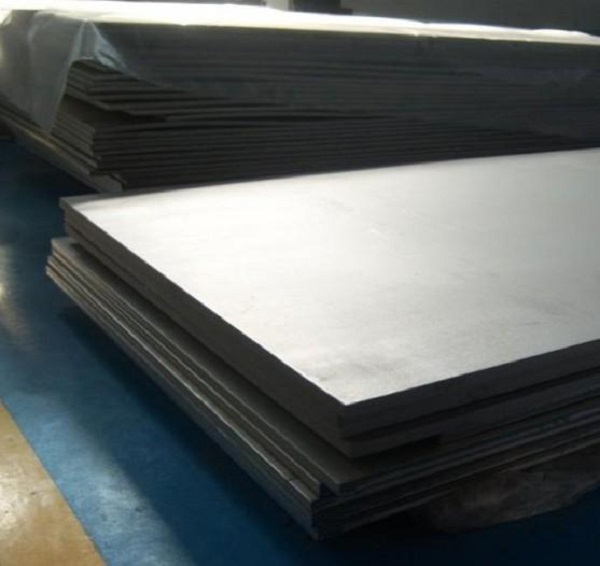
Black sheet metal is a thin, flat metal product produced through industrial rolling processes. The term most commonly refers to steel sheet metal, though iron and stainless steel variants also fall under this category.
The manufacturing process starts with large metal slabs. These pass through rolling mills that reduce thickness to the desired dimension. Sheets thinner than 0.2 mm are often called foil or leaf. Sheets thicker than 6 mm are typically referred to as plates. For most common applications—construction, automotive, electronics—black sheet metal thickness ranges from 0.5 mm to 3 mm.
The "black" appearance often comes from mill scale, a dark oxide layer that forms on steel during hot rolling. This scale is not a coating; it is a natural byproduct of the manufacturing process. Some black sheet metals receive black oxide coatings or paint finishes for aesthetic or protective purposes.
Properties of Black Sheet Metal
Physical Properties: What Can It Do?
Electrical Conductivity: Steel black sheet metal conducts electricity well. Mild steel has electrical conductivity around 1.43 × 10⁷ S/m. This property makes it useful for electrical enclosures, where it can provide both structural support and a grounding path. By comparison, plastics are insulators with conductivity as low as 10⁻¹⁵ to 10⁻²⁰ S/m.
Thermal Conductivity: Mild steel transfers heat at roughly 50–60 W/(m·K). This allows efficient heat dissipation in applications like automotive radiators or industrial equipment housings. Wood, by comparison, has thermal conductivity of only 0.1–0.2 W/(m·K).
Density: Steel black sheet metal has a density of approximately 7,850 kg/m³. This provides substantial strength for its weight. Aluminum, at 2,700 kg/m³, is lighter but does not match steel's strength in many structural applications.
Hardness and Strength: These properties vary with carbon content and heat treatment. Low-carbon steel offers good formability with tensile strength around 400 MPa. High-carbon steel can reach hardness up to 65 HRC (Rockwell C) and tensile strength exceeding 1,500 MPa for high-strength alloys.
Ductility: Low-carbon black sheet metal bends, stamps, and forms readily. Automotive manufacturers rely on this ductility to create complex body panel shapes with precision.
Chemical Properties: How Does It Resist Corrosion?
The corrosion resistance of black sheet metal depends heavily on its composition.
Mild steel is prone to rusting when exposed to oxygen and moisture. The chemical reaction forms iron(III) oxide, which flakes away and exposes fresh metal to further corrosion.
Stainless steel contains chromium (typically at least 10.5%) and often nickel. These elements form a passive oxide layer that resists corrosion. 304 stainless steel, with roughly 18% chromium and 8% nickel, performs well in urban and marine atmospheres. 316 stainless steel adds molybdenum for enhanced resistance in saltwater and harsh chemical environments.
In highly corrosive industrial settings—such as exposure to strong acids—specialized alloys or protective coatings are necessary.
| Property | Mild Steel | Stainless Steel (304) |
|---|---|---|
| Electrical Conductivity | 1.43 × 10⁷ S/m | Lower than mild steel |
| Thermal Conductivity | 50–60 W/(m·K) | ~16 W/(m·K) |
| Density | 7,850 kg/m³ | 8,000 kg/m³ |
| Tensile Strength | 400–550 MPa | 515–620 MPa |
| Corrosion Resistance | Low | High |
How to Choose the Right Black Sheet Metal
Consider Your Needs
Application: Define what the part will do. For automotive body panels, you need formability and corrosion resistance. Galvanized black sheet metal—coated with a zinc layer of 8–12 µm thickness—is common in this industry because it resists rust while forming easily.
Strength Requirements: For structural frames or heavy machinery, high-carbon or alloyed steel provides the necessary tensile strength. For lightweight enclosures or non-structural components, low-carbon steel is sufficient and more cost-effective.
Corrosion Resistance: In marine or outdoor applications, stainless steel is often the right choice. 316 stainless steel can last 20 years or more in saltwater environments without significant corrosion. Regular mild steel would show rust within months under the same conditions.
Evaluate Quality
Check Certifications: Reputable manufacturers provide certifications like ISO 9001 for quality management. Material-specific standards like ASTM A36 for carbon structural steel define mechanical properties and chemical composition requirements. These certifications ensure consistent quality.
Inspect Surface Quality: Examine the sheet for scratches, dents, pits, or cracks. A smooth surface ensures proper coating adhesion and better appearance. For decorative applications, even minor scratches can be unacceptable. For structural use, pits can become corrosion starting points.
Conduct Basic Tests: If possible, test a sample. A Rockwell hardness test confirms whether the material meets specified hardness. A bend test—trying to bend a small sample—checks ductility. The metal should bend without cracking. Use a micrometer to verify thickness matches specifications.
Common Types of Black Sheet Metal
Steel Sheet Metal: The most common type. Low-carbon steel (carbon content below 0.25%) is malleable and used for automotive panels and general fabrication. High-carbon steel (carbon 0.6–2.1%) is harder and stronger, suitable for springs and cutting tools.
Iron Sheet Metal: Pure iron is relatively soft and ductile. It appears in traditional crafts and applications where extreme strength is not required. However, it rusts readily and requires protection in most environments.
Stainless Steel Sheet Metal: Alloys containing chromium and nickel offer superior corrosion resistance. 304 stainless is common for kitchen equipment and architectural elements. 316 stainless, with added molybdenum, serves marine and chemical processing applications.
Preventing Rust on Black Sheet Metal
If you choose carbon steel black sheet metal, rust prevention is essential.
Painting: A paint layer physically separates the metal from oxygen and moisture. Epoxy-based paints provide durable protection with typical film thicknesses of 50–150 µm for general anti-rust applications.
Galvanizing: A zinc coating provides sacrificial protection. Even if scratched, the zinc corrodes first, protecting the underlying steel. Hot-dip galvanizing produces a coating typically 80–120 µm thick for outdoor applications.
Rust Inhibitors: Chemical inhibitors form a protective molecular film on the metal surface. Volatile rust inhibitors work well in enclosed storage environments to protect parts before assembly.
Conclusion
Black sheet metal—primarily steel in its various forms—is a versatile, widely used material. Its physical properties include good electrical and thermal conductivity, adjustable strength through carbon content and heat treatment, and excellent formability in low-carbon grades. The chemical properties vary significantly: mild steel rusts readily, while stainless steel offers strong corrosion resistance.
Choosing the right black sheet metal starts with understanding your application. Consider the required strength, corrosion resistance, and formability. Verify quality through certifications, surface inspection, and basic testing. For carbon steel variants, plan for rust prevention through painting, galvanizing, or inhibitors.
When matched correctly to the application, black sheet metal delivers reliable performance at a reasonable cost, making it a cornerstone material across construction, automotive, electronics, and countless other industries.
FAQs
What are the common types of black sheet metal?
The most common types are steel sheet metal (low-carbon and high-carbon variants), iron sheet metal, and stainless steel sheet metal. Low-carbon steel is used for automotive panels and general fabrication. High-carbon steel serves applications requiring hardness and wear resistance. Stainless steel, particularly 304 and 316 grades, offers superior corrosion resistance for demanding environments.
How do I prevent black sheet metal from rusting?
Three effective methods are painting, galvanizing, and rust inhibitors. Painting creates a physical barrier—epoxy paints with 50–150 µm thickness work well. Galvanizing applies a zinc coating (80–120 µm for hot-dip) that sacrificially protects the steel. Rust inhibitors form a protective molecular film, ideal for storage and shipping.
What is the difference between black sheet metal and stainless steel?
The key difference is corrosion resistance. Black sheet metal typically refers to carbon steel, which rusts when exposed to moisture. Stainless steel contains chromium (and often nickel) that forms a passive protective layer, preventing rust. Stainless steel also has different mechanical properties and is generally more expensive.
How can I tell if black sheet metal is good quality?
Check three things. First, look for certifications like ISO 9001 or material standards such as ASTM A36. Second, inspect the surface—it should be free of scratches, dents, and pits. Third, perform basic tests: verify thickness with a micrometer, test hardness with a Rockwell tester, and check ductility by bending a small sample. It should bend without cracking.
Contact Yigu Technology for Custom Manufacturing
At Yigu Technology, we work extensively with black sheet metal across its many forms. Our team handles low-carbon steel, high-carbon steel, and stainless steel grades including 304 and 316. We use laser cutting, CNC bending, and welding to create precision components for automotive, industrial, and architectural applications. We also offer finishing services including painting and powder coating to protect against corrosion. Whether you need structural frames, enclosures, or custom fabrications, we deliver quality and reliability. Contact us today to discuss your black sheet metal project.