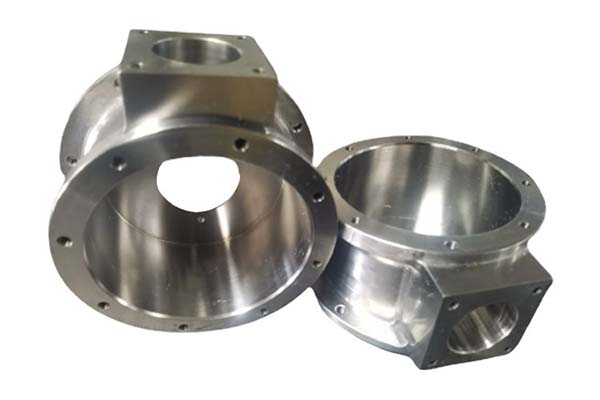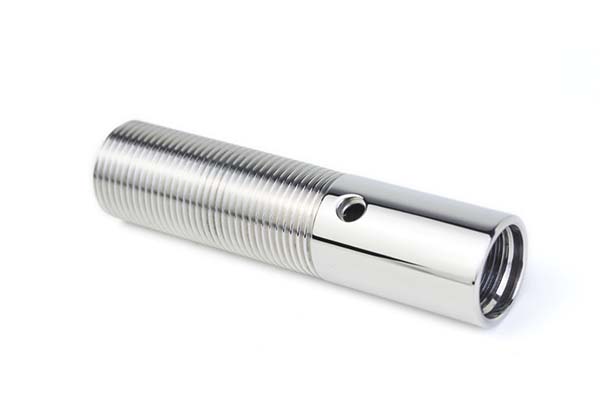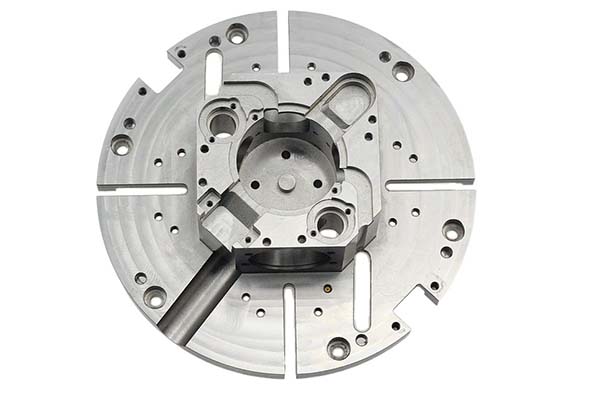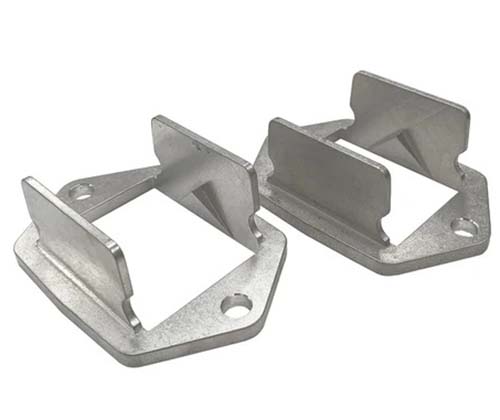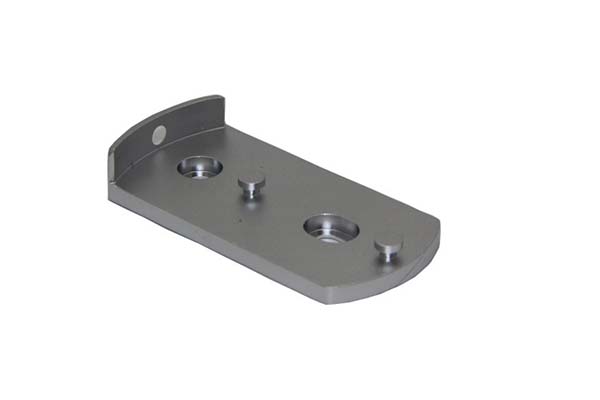
Manufacturers across industries face a common challenge. They need complex metal components produced with tight tolerances. They need those components delivered on time and at scale. And they need a partner who understands the nuances of material behavior, die design, and process control. A precision metal stamping company provides all of this and more. These specialized manufacturers combine advanced machinery, custom tooling, and deep engineering expertise to transform flat metal sheets into finished parts. But the services they offer go far beyond simply running a press. This guide covers the full range of services provided by precision metal stamping companies—from design and material selection to assembly and packaging.
What Design and Engineering Services Are Offered?
Precision stamping does not start at the press. It starts with understanding the part, its function, and how it will be manufactured. Stamping companies provide comprehensive engineering support to ensure success.
Concept Development
Engineers work with clients to understand requirements. What does the part need to do? What forces will it experience? What environment will it operate in? This collaborative process translates ideas into manufacturable designs.
CAD/CAM Modeling
Using advanced software like SolidWorks, AutoCAD, or Pro/ENGINEER, engineers create detailed 3D models of the part and the tooling that will form it. These models allow visualization of the finished part and simulation of the stamping process before any metal is cut.
Feasibility Studies
Not every design is easily stamped. Engineers analyze the design to identify potential issues:
- Material formability: Can the chosen material achieve the required bends and draws?
- Die complexity: Is the part geometry achievable with available tooling?
- Tolerance analysis: Can the required tolerances be held consistently?
Design Optimization
Engineers refine designs to improve manufacturability. This might involve:
- Adding radii to sharp corners
- Adjusting bend angles to reduce springback
- Modifying features to allow simpler die construction
- Optimizing material utilization to reduce scrap
How Do Companies Select and Prepare Materials?
Material choice is critical to part performance. Stamping companies provide expertise in selecting the right material for each application.
Material Selection Guidance
Engineers help clients choose from a wide range of materials based on application requirements:
| Material | Properties | Typical Applications |
|---|---|---|
| Low-carbon steel | Strength, formability, low cost | Automotive brackets, structural parts |
| Stainless steel | Corrosion resistance, strength | Medical devices, food equipment |
| Aluminum | Lightweight, corrosion resistance | Electronics enclosures, aerospace |
| Brass | Conductivity, formability | Electrical terminals, plumbing |
| Copper | Highest conductivity | RF shielding, battery contacts |
| Titanium | Strength-to-weight ratio, biocompatibility | Aerospace, medical implants |
Material Preparation
Once selected, the material is prepared for stamping:
- Coil or sheet cutting: Material is cut to the required width or size
- Cleaning: Oils, dirt, and contaminants are removed
- Surface treatment: Lubricants or coatings may be applied to improve formability and protect dies
What Goes Into Die Design and Fabrication?
The die is the heart of precision stamping. It defines the shape, features, and accuracy of every part. Stamping companies invest heavily in die design and fabrication capabilities.
Custom Die Design
Die design begins with the part geometry. Engineers create detailed blueprints of the die, specifying:
- Station sequence: The order of operations (piercing, blanking, forming, cutoff)
- Clearances: The gap between punch and die, typically 5–15% of material thickness
- Radii: All forming surfaces have radii to reduce stress
- Pilot holes: Alignment features that guide the strip through the die
Die Fabrication
Dies are machined from hardened tool steel or carbide using precision techniques:
- CNC milling: For rough shaping and basic geometry
- Surface grinding: For achieving flatness and parallelism to ±0.005 mm
- Electrical discharge machining (EDM) : For intricate features, sharp corners, and fine details
- Wire EDM: For cutting complex profiles with high accuracy
Die Maintenance
Dies wear over time. Stamping companies provide:
- Scheduled sharpening: Punches and dies are sharpened at regular intervals
- Cleaning: Zinc and other materials are removed from die surfaces
- Repair: Worn or damaged tooling is repaired to restore performance
- Storage: Dies are stored properly to prevent corrosion and damage
What Stamping Machinery and Equipment Are Used?
Precision stamping requires the right press for the job. Stamping companies maintain a range of equipment to handle different materials, thicknesses, and volumes.
Stamping Presses
| Press Type | Characteristics | Best For |
|---|---|---|
| Mechanical | High speed, consistent force | High-volume, simple parts |
| Hydraulic | Variable speed and force | Deep drawing, thick materials |
| Servo | Programmable speed throughout stroke | Complex parts, precision control |
Press sizes range from 10 tons for small electronic parts to 1,000 tons or more for large automotive components.
Automation
Modern stamping lines are highly automated:
- Coil feeders: Unwind and feed material into the press with precision
- Straighteners: Remove curvature from the coil
- Robotic part transfer: Move parts between presses or stations
- Sensors: Monitor strip position, part ejection, and tool condition
Custom Tooling
Beyond standard dies, stamping companies develop specialized tooling for unique applications:
- Forming tools: For complex bends and shapes
- Drawing tools: For deep-drawn parts
- Coining tools: For fine detail and surface compression
How Is Quality Controlled?
Quality is not an afterthought in precision stamping. It is built into every step of the process.
In-Process Inspection
During stamping, operators and sensors monitor:
- Punch force: Detects dull tools or material variations
- Strip position: Ensures alignment
- Part dimensions: Sampled at regular intervals
- Surface condition: Visual inspection for scratches or galling
Advanced Measurement Techniques
Finished parts are verified with precision instruments:
- Coordinate measuring machines (CMMs) : Measure critical dimensions to ±0.001 mm
- Optical inspection systems: Check surface finish and detect defects
- Laser scanners: Capture full 3D geometry for complex parts
- Non-destructive testing (NDT) : Ultrasonic or eddy current testing finds internal flaws
Statistical Process Control
Statistical process control (SPC) tracks measurements over time. Operators chart data to detect trends. A gradual increase in punch force might indicate a dull tool. Early detection allows tool change before defects occur.
Final Inspection
Before shipping, parts undergo a final check:
- Dimensional verification: All critical features are measured
- Surface inspection: No scratches, burrs, or coating damage
- Functional testing: Where applicable, parts are tested for fit or function
What Assembly and Packaging Services Are Offered?
Many precision stamping companies offer services beyond stamping to simplify the supply chain.
Component Assembly
Stamped parts often need to be assembled with other components. Stamping companies provide:
- Insertion: Pressing pins, contacts, or other components into stamped parts
- Welding: Spot welding or laser welding of assemblies
- Adhesive bonding: For components that cannot be welded
- Sub-assembly: Combining multiple stamped parts into a single unit
Packaging
Proper packaging protects parts during shipping and storage:
- Bulk packaging: For high-volume, non-critical parts
- Tray packing: For sensitive or precision parts that must not touch
- Reel packaging: For continuous strip parts like connectors
- Custom packaging: Designed for specific handling or assembly needs
Kitting
Some companies provide kitting services, assembling multiple parts into kits for easy installation or use. This is common in automotive and medical applications where a single assembly requires many components.
What Industries Do Precision Stamping Companies Serve?
Automotive Components
Automotive stampings include:
- Engine parts (pistons, connecting rods)
- Transmission components (clutch plates, gears)
- Body panels and structural brackets
- Safety systems (airbag housings, seat belt components)
Electronics and Appliances
Electronics stampings include:
- Connectors and terminals
- Shielding cans
- Lead frames for semiconductors
- Appliance panels and housings
Aerospace and Defense
Aerospace stampings include:
- Structural brackets
- Engine components (seals, shims)
- Avionics housings
- Fastener components
Medical Devices
Medical stampings include:
- Surgical instruments
- Implantable components (with proper finishes)
- Diagnostic equipment parts
- Drug delivery device mechanisms
What Are the Key Capabilities of Precision Stamping Companies?
| Capability | Description |
|---|---|
| Complex parts | Multiple operations (drawing, forming, bending) in one part |
| Miniature parts | Components as small as 0.1 mm, with micro-stamping techniques |
| Thin gauge stamping | Materials down to 0.05 mm thickness |
| Progressive die stamping | High-volume production with multiple operations in one die |
| Transfer stamping | Large parts requiring separate stations |
Conclusion
A precision metal stamping company is far more than a supplier of stamped parts. It is a partner in the manufacturing process. It offers design and engineering support to ensure parts are manufacturable. It provides material selection guidance to match properties to applications. It builds custom dies that define the shape and accuracy of every part. It runs parts on advanced presses with automation and process control. It inspects rigorously to ensure quality. And it offers assembly and packaging to simplify the supply chain.
From automotive components to medical devices, from simple washers to complex three-dimensional parts, precision stamping companies deliver the components that power modern industry. Understanding the full range of their services helps manufacturers make better decisions and build better products.
FAQ About Precision Metal Stamping Companies
What industries do precision metal stamping companies primarily serve?
Precision metal stamping companies serve a wide range of industries, including automotive, electronics, aerospace, medical devices, and consumer goods. Each industry has specific requirements for precision, material properties, and quality standards.
How do precision metal stamping companies ensure the quality of their parts?
Quality is ensured through multiple layers of control: first article inspection, in-process monitoring, statistical process control (SPC), and final inspection using coordinate measuring machines (CMMs), optical inspection systems, and non-destructive testing (NDT). Tooling maintenance and process documentation further ensure consistency.
What are the key capabilities of precision metal stamping companies?
Key capabilities include complex and three-dimensional parts, miniature and micro parts, thin gauge stamping, and progressive die stamping. Many companies also offer design engineering, material selection guidance, die fabrication, assembly, and packaging services.
How do I choose the right precision metal stamping company for my project?
Look for companies with experience in your industry, a range of press sizes and capabilities, in-house die design and fabrication, and robust quality control processes. Ask about their engineering support, material expertise, and willingness to partner throughout the project. Visiting the facility to see tooling and quality systems firsthand is also valuable.
What is the typical lead time for precision stamped parts?
Lead times vary based on part complexity, die fabrication requirements, and production volume. Simple parts with existing tooling may ship in 2 to 4 weeks. Complex parts requiring new dies typically take 8 to 20 weeks for tooling design and fabrication, followed by production. Rush services may be available for urgent needs.
Contact Yigu Technology for Custom Manufacturing
Precision metal stamping requires expertise, advanced equipment, and a commitment to quality. At Yigu Technology, we offer comprehensive stamping services—from design and die fabrication to production, assembly, and packaging. Our team works with automotive, medical, electronics, and industrial clients to deliver precision components at scale. We maintain a range of presses from 10 to 500 tons, with in-house die design and fabrication capabilities. Our quality control includes CMM inspection, SPC, and non-destructive testing. Whether you need progressive die stamping, deep-drawn components, or miniature parts, we have the capabilities to deliver. Contact us today to discuss your project.