Introduction
You have a design. You need a physical prototype to test, validate, and refine before production. But with so many prototype companies offering different services, how do you choose the right one? The wrong partner can deliver parts that miss tolerances, miss deadlines, or blow your budget. The right partner becomes an extension of your team—helping you optimize designs, select materials, and accelerate development. This guide explains what prototype companies offer, key factors to consider, and how to evaluate potential partners for your plastic or metal parts.
What Is a Prototype Company?
A prototype company is a specialized firm focused on creating early, experimental models of products. These prototypes serve as crucial stepping-stones in product development—not final production items.
In the automotive industry, a prototype company may create scale models or functional mock-ups of new car designs. This allows engineers to test aerodynamics, interior ergonomics, and mechanical functions before production.
The process begins with a detailed design phase using CAD software to create a digital blueprint. This model is then translated into a physical prototype through various manufacturing techniques—3D printing, CNC machining, injection molding, or other methods.
What Key Services Do Prototype Companies Offer?
Prototype companies offer a range of services, each with distinct advantages.
3D Printing Services
3D printing (additive manufacturing) creates objects by layering materials based on digital models. Several technologies are common.
| Technology | Process | Advantages | Best For |
|---|---|---|---|
| FDM | Extrudes melted thermoplastic filament | Cost-effective, accessible, fast | Functional prototypes, concept models |
| SLA | Laser cures liquid resin | High precision, smooth surfaces | Detailed prototypes, jewelry, intricate parts |
| SLS | Laser sinters powdered material | Strong, durable, complex geometries | Functional parts, automotive, aerospace |
Advantages of 3D printing:
- Rapid prototyping: Prototypes in hours—enabling quick iterations
- Design freedom: Complex geometries (internal channels, lattice structures) easily created
- Cost-effective for small batches: No expensive molds or tooling
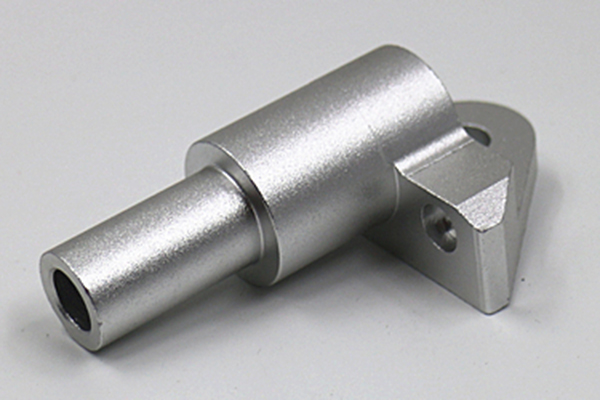
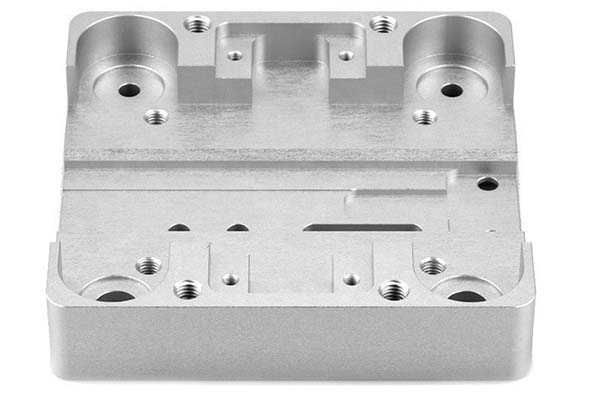
CNC Machining Services
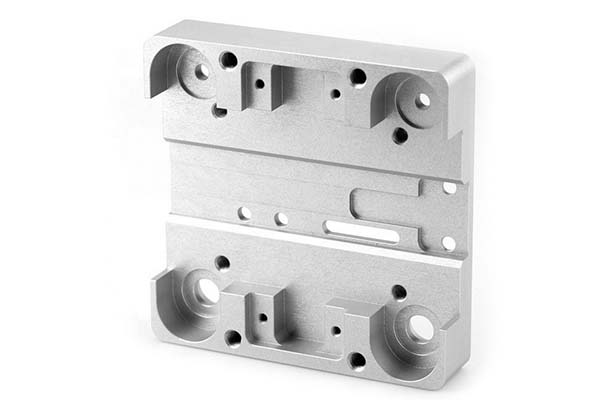
CNC machining is a subtractive process where computer-controlled tools remove material from a workpiece to create the desired shape.
Capabilities:
- Milling: Creates flat surfaces, slots, complex 3D shapes
- Turning: Creates cylindrical parts (shafts, axles)
- Drilling: Creates precise holes
- Grinding: Achieves tight tolerances and smooth finishes
- Multi-axis machining: 5-axis machines enable complex parts with fewer setups
Advantages:
- High precision: Tolerances as low as ±0.01 mm
- Wide material range: Metals (aluminum, steel, titanium), plastics, composites
- Production-grade materials: Prototypes match final product properties
Injection Molding for Prototypes
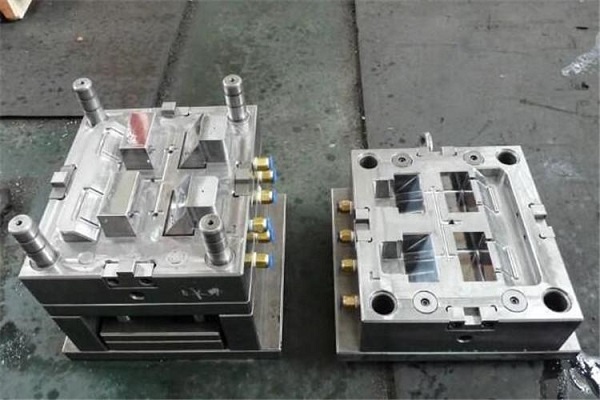
Injection molding injects molten material into a mold cavity to create parts. For prototypes, companies use rapid tooling techniques to create molds quickly at lower cost.
Process:
- Mold designed from CAD model
- Plastic pellets melted and injected under pressure
- Part cooled and ejected
Advantages:
- Represents final production process: Parts made with same material and process as mass production
- Good dimensional accuracy and surface finish
- Ideal for larger prototype batches (50–5,000 units)
Considerations:
- Higher upfront mold costs
- Longer lead times than 3D printing
How Do You Choose the Right Prototype Company?
Evaluate potential partners across several dimensions.
Company Reputation and Experience
Reputation reflects past performance, reliability, and quality. Check:
- Online reviews (Trustpilot, Google Reviews)
- Industry ratings
- References from past clients
- Portfolio of similar projects
Experience matters, especially for complex projects. A company with 20+ years of aerospace experience understands material requirements, design challenges, and quality standards. They can quickly identify potential flaws, select suitable materials, and optimize manufacturing processes.
Services and Prototyping Technologies
Evaluate the range of services offered. Do they provide:
- Design consultation
- Multiple prototyping technologies (3D printing, CNC, injection molding)
- Post-processing (finishing, assembly)
- Testing services
Different technologies have different strengths:
| Technology | Strengths | Weaknesses |
|---|---|---|
| FDM | Rapid, cost-effective, design freedom | Lower strength, rough surface |
| SLA | High precision, smooth surfaces | Limited materials, parts may be brittle |
| SLS | Strong, durable, complex geometries | Higher cost, slower |
| CNC | High precision, wide materials, strong parts | Time-consuming for complex designs |
| Vacuum Casting | Good surface finish, low mold cost | Limited materials, not for high volume |
Choose a company with expertise in the technologies most relevant to your project.
Manufacturing Capacity
Match capacity to your project scale:
- Small batches (1–50 units): Small-scale shops with focused attention
- Medium batches (50–500 units): Companies with multiple machines and skilled workforce
- Large batches (500+ units): Higher capacity, ability to scale
Consider ability to scale up or down as project requirements change.
Pricing and Cost-Effectiveness
Pricing should not be the sole determinant. Look for:
- Transparent quotes: Detailed breakdown of material, labor, finishing, shipping
- Value over price: A slightly higher price may include better materials, higher quality, or faster turnaround
A well-made prototype that accurately represents your final product saves long-term costs by reducing design iterations and preventing production issues.
Certifications and Quality Standards
Certifications indicate commitment to quality:
| Certification | Focus | Relevance |
|---|---|---|
| ISO 9001 | Quality management systems | All industries |
| ISO 14001 | Environmental management | Eco-conscious projects |
| IATF 16949 | Automotive quality | Automotive components |
| AS9100 | Aerospace quality | Aerospace components |
Relevant certifications ensure the company meets industry-specific standards and reduces risk of non-compliance.
How Do You Compare Prototyping Technologies?
| Aspect | 3D Printing | CNC Machining | Injection Molding |
|---|---|---|---|
| Best Volume | 1–100 units | 1–500 units | 50–5,000 units |
| Precision | Moderate (FDM) to High (SLA) | High (±0.01 mm) | High |
| Material Range | Limited (resins, filaments) | Wide (metals, plastics, composites) | Wide (plastics) |
| Lead Time | Hours to days | Days to weeks | Weeks (mold creation) |
| Tooling Cost | None | Low–Moderate | High (mold) |
| Part Cost | Low–Moderate (small batch) | Moderate | Low (at volume) |
How Does Yigu Technology Approach Prototyping?
As a non-standard plastic and metal products custom supplier, Yigu Technology provides comprehensive prototyping services.
We Offer Multiple Technologies
- 3D printing (FDM, SLA, SLS) for rapid iteration and complex geometries
- CNC machining for precision metal and plastic parts
- Rapid injection molding for larger prototype batches
We Provide Expert Guidance
Our engineers help you select the right technology and materials based on your application requirements. We provide DFM feedback to optimize designs for manufacturability.
We Ensure Quality
With strict quality control processes and relevant certifications, we ensure prototypes meet your specifications and performance requirements.
Conclusion
Choosing the right prototype company requires evaluating reputation, services, manufacturing capacity, pricing, and certifications. Match their capabilities to your project needs—volume, complexity, materials, and timeline. The right partner does more than make parts; they provide expert guidance, optimize designs, and help you accelerate development.
By understanding the strengths of different prototyping technologies—3D printing for speed and complexity, CNC machining for precision and material range, injection molding for production-representative parts—you can make informed decisions that reduce risk and bring better products to market faster.
Frequently Asked Questions
What is the difference between 3D printing and CNC machining for prototypes?
3D printing is additive—builds parts layer by layer. It offers design freedom and is cost-effective for small batches. CNC machining is subtractive—removes material from a solid block. It offers higher precision and a wider range of materials, especially metals. Choose based on precision requirements, material needs, and complexity.
How do I know if a prototype company has the right experience for my project?
Check their portfolio for similar projects. Ask for references from past clients in your industry. Look for certifications relevant to your sector (IATF for automotive, AS9100 for aerospace). An experienced company will have solved challenges similar to yours.
What is the most cost-effective prototyping method for small batches?
For 1–50 units, 3D printing is often most cost-effective—no tooling costs. For 50–500 units, CNC machining or rapid injection molding may offer better per-unit economics. The optimal method depends on material, precision, and part complexity.
How important are certifications when choosing a prototype company?
Certifications like ISO 9001 indicate a structured quality management system. For regulated industries (automotive, aerospace, medical), industry-specific certifications (IATF 16949, AS9100, ISO 13485) are essential. They ensure the company meets required standards and reduces compliance risk.
Can a prototype company help with design optimization?
Yes. A good prototype company provides DFM (Design for Manufacturing) feedback—suggesting changes to simplify manufacturing, reduce cost, or improve performance. This expertise is valuable for ensuring prototypes not only function but are also manufacturable at scale.
Contact Yigu Technology for Custom Manufacturing
Ready to bring your plastic or metal part to life? Yigu Technology offers 3D printing, CNC machining, and rapid injection molding services. Our engineers help you select the right technology and materials for your application. Contact us today to discuss your project.