Introduction
You are looking at a material specification sheet, and you see "20 gauge." What does that number actually mean? If you have ever ordered sheet metal, you know that choosing the wrong thickness can lead to parts that are too weak for the job or unnecessarily heavy and expensive. Maybe you have received material that felt flimsy when you expected durability, or perhaps you struggled to form a sheet that was thicker than anticipated. These problems often stem from a simple misunderstanding of the gauge system. 20 gauge sheet metal occupies a sweet spot—thin enough to form easily, yet thick enough to provide real structural strength. In this guide, we will explain exactly what 20 gauge means, explore its key properties, and help you decide when it is the right choice for your project.
Understanding Gauge: What Do the Numbers Mean?
Gauge is a standard unit of measurement for sheet metal thickness. The system has a twist: higher gauge numbers mean thinner metal. This inverse relationship confuses many people new to metalworking.
For 20 gauge sheet metal, the thickness is approximately 0.037 inches (0.94 mm) in the US standard gauge system. To put this in perspective:
| Gauge | Thickness (inches) | Thickness (mm) |
|---|---|---|
| 18 | 0.0478 | 1.21 |
| 20 | 0.037 | 0.94 |
| 22 | 0.0299 | 0.76 |
As you can see, 18 gauge is thicker than 20 gauge, and 22 gauge is thinner. This pattern holds across most common sheet metal materials, though exact thicknesses can vary slightly depending on the material type and manufacturing standard.
Key Properties of 20 Gauge Sheet Metal
Durability: How Strong Is It?
20 gauge sheet metal offers a strong balance between strength and weight. It withstands significant wear and tear, making it suitable for applications that see regular use.
Consider outdoor storage sheds. Many manufacturers use 20 gauge sheet metal for exterior panels. These sheds face rain, UV exposure, and temperature swings year after year. The material resists corrosion (depending on the alloy) and maintains its structural integrity without warping or degrading quickly.
In industrial settings, conveyor systems often incorporate 20 gauge components. The metal endures constant vibration and friction from moving materials. Despite this mechanical stress, 20 gauge sheet metal holds its shape and continues to perform. For example, a factory I worked with used 20 gauge steel for conveyor side guards. After five years of continuous operation, those guards showed minimal deformation.
Formability: Can You Shape It Easily?
One of the biggest advantages of 20 gauge sheet metal is its excellent formability. It bends, stamps, and shapes without cracking or losing its mechanical properties.
Bending is straightforward. A standard press brake can bend 20 gauge material into angles for furniture frames, brackets, or enclosures. The material responds predictably, with minimal spring-back when proper techniques are used.
Stamping is another common process. The automotive industry stamps door panels and interior components from 20 gauge sheet metal. High-speed stamping presses transform flat sheets into complex three-dimensional shapes quickly and consistently.
This formability gives manufacturers flexibility. Whether you need simple brackets or intricately shaped enclosures, 20 gauge material can usually meet the requirement.
Conductivity: Does It Transfer Heat or Electricity?
If the 20 gauge sheet metal is made from copper or aluminum, it offers good electrical and thermal conductivity.
In electrical applications, 20 gauge enclosures made from conductive metals provide both physical protection and electrostatic shielding. This is critical for sensitive electronics that need protection from external interference.
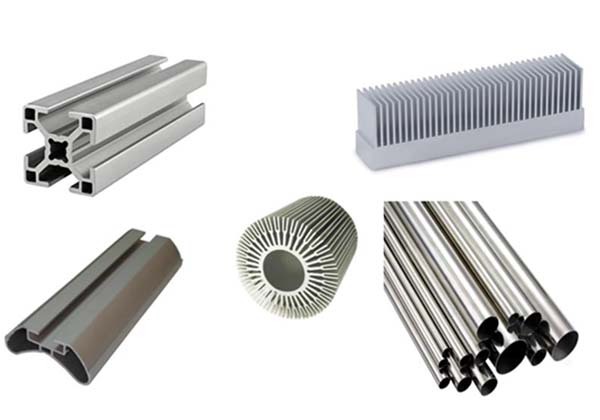
For thermal management, aluminum 20 gauge sheet metal is a common choice for heat sinks. Electronic devices like computers and power amplifiers generate significant heat. Aluminum heat sinks draw that heat away from sensitive components, preventing overheating and extending product life. A well-designed aluminum heat sink can reduce component temperatures by 20–30°C compared to no heat sink at all.
How to Choose the Right 20 Gauge Sheet Metal
Material Type: Which One Fits Your Needs?
The material you choose dramatically affects performance, cost, and longevity.
Stainless Steel: This material offers excellent corrosion resistance thanks to its chromium content, which forms a protective oxide layer. It is ideal for food processing equipment, medical devices, and outdoor applications where rust is unacceptable. In a dairy processing plant, for instance, 20 gauge stainless steel tanks ensure milk stays uncontaminated because the metal does not react with dairy components. The downsides are higher cost and more challenging machining due to its hardness.
Carbon Steel: This is the most cost-effective option. It provides good strength for general manufacturing applications like brackets, frames, and structural supports. A construction company might use 20 gauge carbon steel for interior framing where exposure to moisture is limited. However, carbon steel rusts readily when exposed to moisture. You will need to add a protective coating—paint, galvanizing, or powder coating—for any application where it might get wet.
Aluminum Alloy: Lightweight and corrosion-resistant, aluminum weighs about one-third as much as steel. This makes it ideal for aerospace, automotive, and portable equipment where weight matters. Aircraft interior panels often use 20 gauge aluminum. It also conducts heat well, making it suitable for heat sinks and electronic enclosures. The trade-off is lower strength compared to steel, so it may not suit high-stress structural applications.
| Material | Corrosion Resistance | Cost | Strength | Weight | Best Applications |
|---|---|---|---|---|---|
| Stainless Steel | High | High | High | Heavy | Food, medical, outdoor |
| Carbon Steel | Low (without coating) | Low | High | Heavy | General manufacturing, structures |
| Aluminum Alloy | Medium | Medium | Medium | Light | Aerospace, automotive, electronics |
Quality Standards: How Do You Verify Quality?
Even with the right material, poor quality can ruin your project. Here are three ways to evaluate 20 gauge sheet metal quality.
Surface Flatness: High-quality sheet metal should lie flat. Warping or unevenness causes problems during fabrication and assembly. To check, place a straightedge across the surface. If you see gaps between the straightedge and the metal, the sheet is not flat enough for precision work. For a custom electronics enclosure, a warped panel will not seal properly against the frame.
Thickness Uniformity: Consistent thickness matters. Variations can cause weak spots or fitting problems. Use a micrometer to measure thickness at several points across the sheet. Readings that deviate significantly from the standard 0.037 inches (0.94 mm) indicate poor quality control. In applications like electromagnetic shielding, uneven thickness can create gaps where interference leaks through.
Material Purity: For critical applications, the chemical composition matters. Impurities can weaken mechanical properties or reduce corrosion resistance. Always request a material test report (MTR) from your supplier. This document lists the exact chemical composition and confirms whether the material meets required specifications. For high-end stainless steel jewelry boxes, high-purity metal ensures a consistent, attractive finish that will not tarnish prematurely.
Practical Applications: Where Is 20 Gauge Used?
The versatility of 20 gauge sheet metal makes it common across many industries.
- Automotive: Door panels, interior trim, and brackets
- Construction: Roof flashing, gutters, and HVAC ductwork
- Electronics: Enclosures, chassis, and heat sinks
- Industrial Equipment: Conveyor guards, machine covers, and control panels
- Furniture: Metal desk frames, shelving, and cabinet components
Each application takes advantage of the balance 20 gauge offers: strong enough to perform, thin enough to form economically.
Conclusion
20 gauge sheet metal occupies a valuable middle ground. At approximately 0.037 inches (0.94 mm) thick, it provides enough durability for demanding applications while remaining easy to form through bending, stamping, and cutting. Understanding the inverse relationship between gauge numbers and thickness helps you avoid costly mistakes when specifying materials.
Choosing the right material—stainless steel for corrosion resistance, carbon steel for cost efficiency, or aluminum for lightweight strength—ensures your project performs as intended. And verifying quality through flatness checks, thickness measurements, and material test reports protects you from substandard products that can compromise your work.
Whether you are building industrial equipment, electronic enclosures, or architectural features, 20 gauge sheet metal offers a reliable, cost-effective solution that balances strength and workability.
FAQs
What is the thickness of 20 gauge sheet metal in inches and millimeters?
20 gauge sheet metal measures approximately 0.037 inches or 0.94 millimeters thick in the US standard gauge system. Always confirm with your supplier, as slight variations can occur depending on the material type and manufacturing standard.
Can 20 gauge sheet metal be used outdoors without a coating?
It depends on the material. Stainless steel can be used outdoors with minimal additional protection in many environments. Carbon steel will rust quickly when exposed to moisture and must be coated with paint, galvanization, or powder coating. Aluminum offers moderate corrosion resistance but benefits from anodizing or painting for long-term outdoor exposure.
How does the cost of 20 gauge compare to other gauges?
Generally, thinner gauges cost more per square foot because they require more precise manufacturing. 20 gauge typically falls in the middle range. For carbon steel, 20 gauge might cost $1.80–$2.30 per square foot, while 18 gauge (thicker) costs slightly less at $1.50–$2.00, and 22 gauge (thinner) costs $1.20–$1.60. Material type heavily influences price—stainless steel costs significantly more than carbon steel at the same gauge.
What is the best way to check the quality of 20 gauge sheet metal?
Use three simple methods. First, check surface flatness with a straightedge. Second, measure thickness uniformity with a micrometer at multiple points. Third, request a material test report (MTR) to verify chemical composition. These steps help ensure you receive consistent, reliable material.
Contact Yigu Technology for Custom Manufacturing
At Yigu Technology, we work with 20 gauge sheet metal daily. Our team handles stainless steel, carbon steel, and aluminum with precision. We use laser cutting for clean, accurate edges and CNC bending for consistent angles. Our quality control process includes thickness verification and surface flatness checks on every batch. Whether you need custom enclosures, brackets, or structural components, we deliver parts that meet your specifications. We also offer finishing services like powder coating and anodizing to enhance durability and appearance. Contact us today to discuss your project requirements.