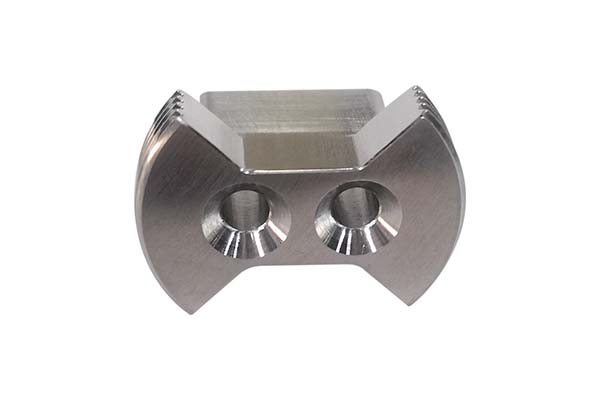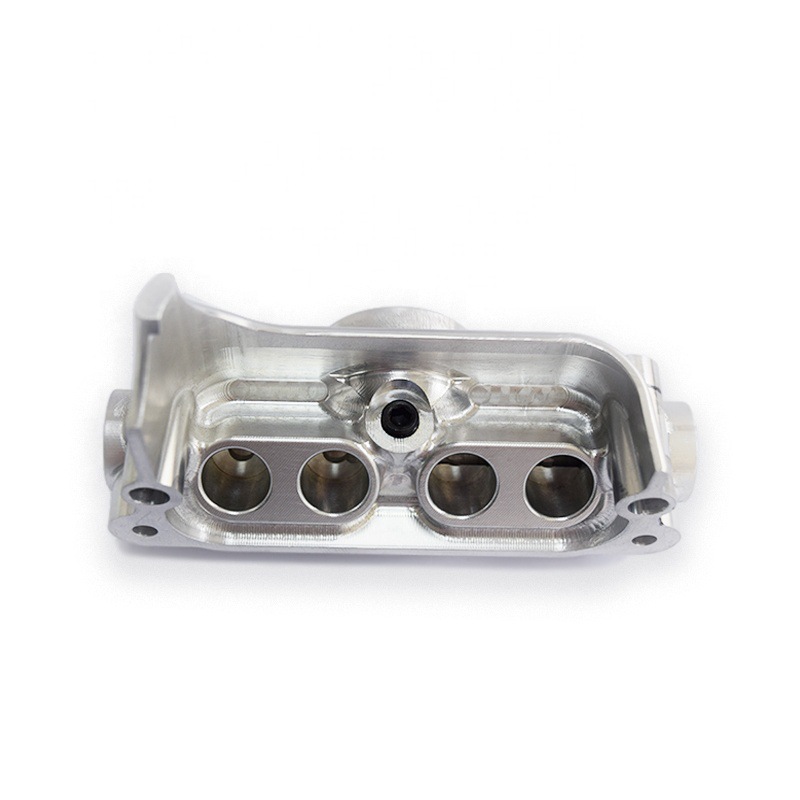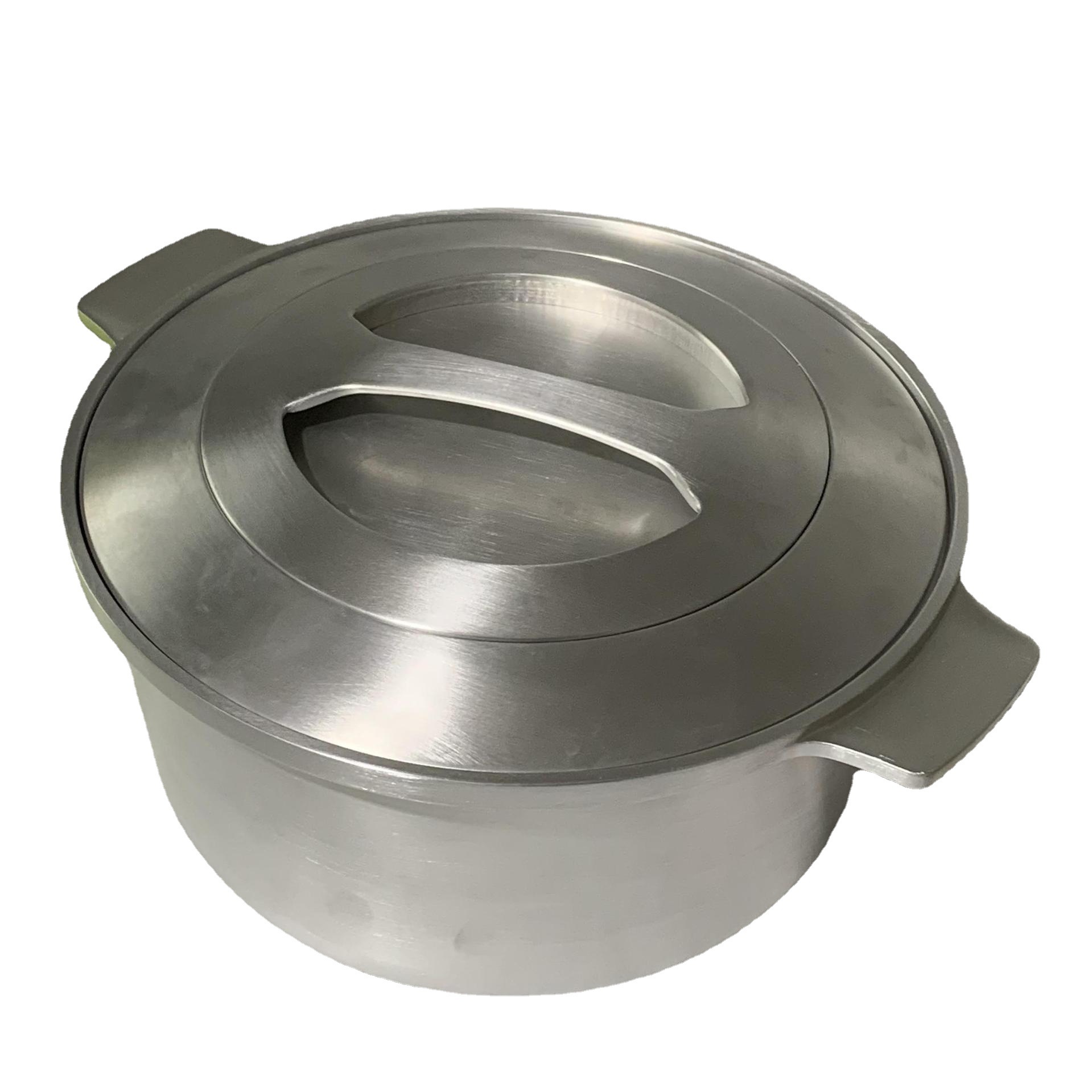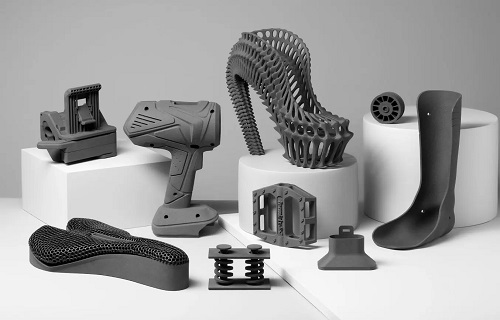
Think about the last time you needed a tiny replacement part, a custom gift, or a specific miniature model. Finding it probably meant hours of searching or settling for something close but not quite right. 3D printing changes this completely. It lets you create small objects exactly how you want them, when you need them.
This article explores how additive manufacturing transforms small object creation—from jewelry and miniatures to functional mechanical parts. We'll look at how the technology works, which methods suit different projects, and what you can realistically expect. Whether you're a hobbyist or running a small business, you'll understand how 3D printing puts creation power in your hands.
Introduction
Small object creation has always faced limits. Traditional methods like injection molding require expensive molds. Machining small parts needs skilled operators and special tools. Casting works for some items but struggles with complex shapes.
3D printing removes these barriers. A digital design becomes a physical object in hours, not weeks. Complex internal structures? No problem. Custom one-off pieces? Actually cheaper than batch manufacturing.
At Yigu technology, we've seen clients transform their businesses using 3D printing for small components. A medical device company now prints custom surgical guides overnight. A jewelry designer creates intricate wax patterns that would take days to carve by hand. A hobbyist makes replacement gears for vintage clocks—parts that haven't been manufactured in decades.
The revolution isn't coming. It's already here.
What Makes 3D Printing Different for Small Objects?
How Does Digital Design Become Physical?
The process starts with a 3D model. You can create one using CAD software, scan an existing object, or download designs from online libraries. Special software then slices this model into hundreds or thousands of thin layers—like converting a loaf into individual slices.
A 3D printer reads these slice instructions and builds the object layer by layer. Each layer bonds to the one below it, gradually forming the complete item. This additive approach differs completely from traditional subtractive methods that cut away material from a larger block.
For small objects, this matters enormously. Traditional methods waste material and struggle with internal features. 3D printing builds only what you need, exactly where you need it.
Which 3D Printing Methods Work Best?
FDM: The Workhorse for Everyday Items
Fused Deposition Modeling (FDM) is what most people imagine when they think 3D printing. A heated nozzle melts plastic filament and deposits it in precise patterns. Layer by layer, the object rises from the build platform.
Best for: Keychains, small figurines, basic prototypes, replacement parts
Layer thickness: 0.1-0.4mm
Accuracy: ±0.1-0.2mm
Cost: Low (printers start around $200)
A DIY enthusiast used an FDM printer to create custom cable organizers for his desk. The design took 20 minutes in free software. Printing took two hours. Cost? About $0.50 in material. A comparable commercial product would run $15-20 and not fit his exact needs.
The trade-off: Surface finish shows visible layer lines. Fine details like small text can blur. But for functional parts where appearance matters less, FDM delivers incredible value.
SLA: Precision for Detailed Work
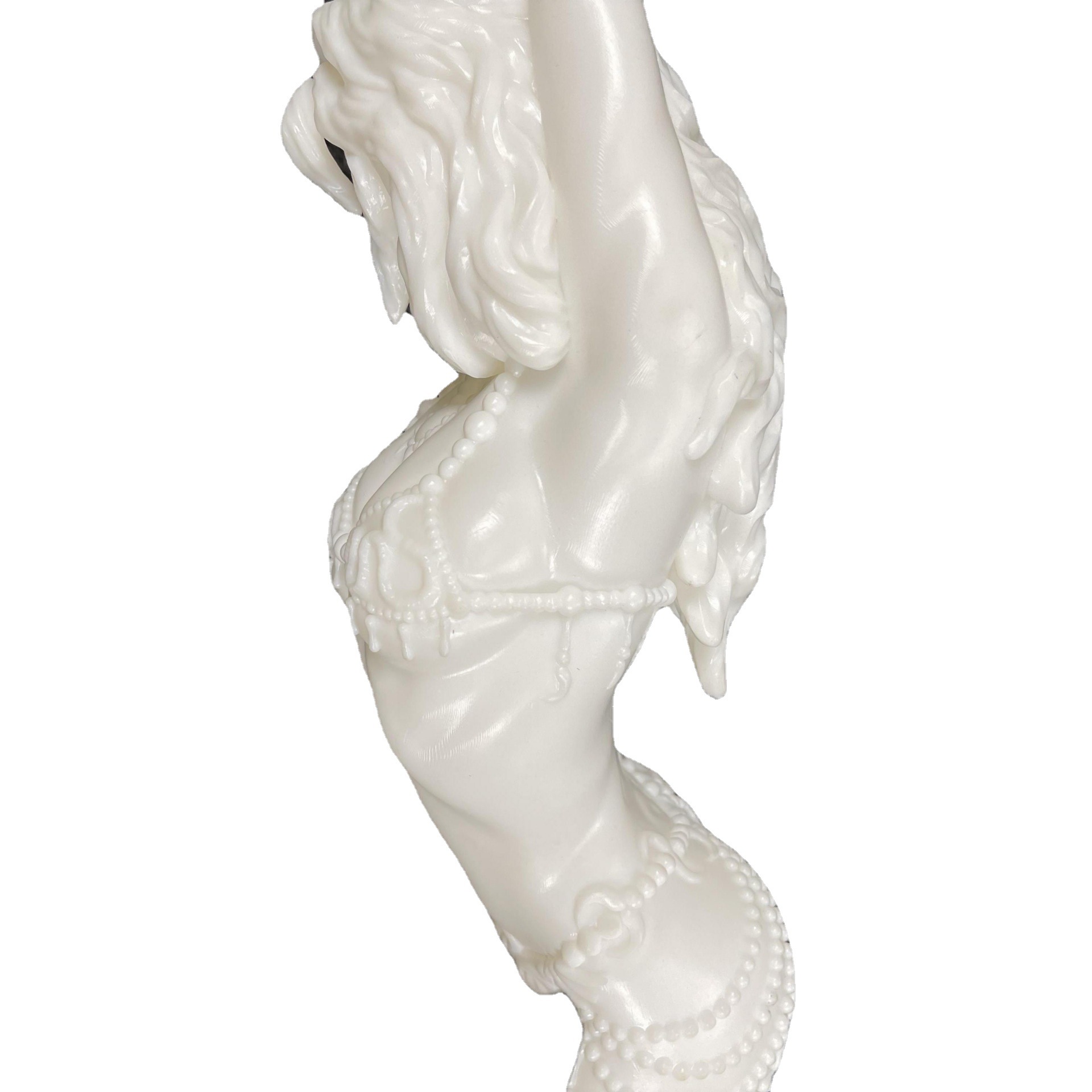
Stereolithography (SLA) uses a UV laser to cure liquid resin into solid plastic. The laser traces each layer on the resin surface, hardening it precisely. This method achieves much finer details than FDM.
Best for: Jewelry patterns, dental models, miniatures, detailed prototypes
Layer thickness: 0.025-0.1mm
Accuracy: ±0.05-0.1mm
Cost: Medium (printers $200-5,000, resin more expensive than filament)
A custom jewelry maker switched from hand-carving wax patterns to SLA printing. A design that took 8 hours to carve now prints in 3 hours with perfect symmetry. The surface is smooth enough for direct casting, eliminating manual finishing steps.
The trade-off: Resin costs more than filament. Some resins emit fumes requiring ventilation. Parts can be brittle compared to FDM prints. But for detail work, nothing beats SLA at this price point.
SLS: Industrial Strength Without Supports
Selective Laser Sintering (SLS) fuses powder particles using a high-power laser. The unsintered powder surrounds the part during printing, eliminating the need for support structures. This allows complex geometries impossible with other methods.
Best for: Functional metal parts, medical implants, complex mechanical components
Layer thickness: 0.05-0.15mm
Accuracy: ±0.05-0.1mm
Cost: High (industrial printers $50,000+, materials expensive)
A medical device company needed custom titanium implants with porous structures that promote bone growth. Traditional machining couldn't create the required internal architecture. SLS printing produced exactly what surgeons needed—implants that integrate better with natural bone.
The trade-off: Equipment costs limit SLS to industrial users or service bureaus. Post-processing requires removing excess powder. But for metal parts with internal complexity, SLS has no equal.
Comparing Methods at a Glance
| Method | Detail Level | Material Cost | Equipment Cost | Best Applications |
|---|---|---|---|---|
| FDM | Low-Medium | Low ($15-30/kg) | $200-3,000 | Functional parts, prototypes |
| SLA | High | Medium ($50-150/L) | $200-5,000 | Jewelry, miniatures, dental |
| SLS | High | High ($100-1,500/kg) | $50,000+ | Medical, aerospace, industrial |
What Can You Actually Create?
Real Objects People Print Every Day
Custom household items top the list. Wall hooks that match your decor. Drawer organizers sized for your space. Replacement knobs for vintage furniture. Phone stands designed for your specific device.
Hobby and gaming pieces follow close behind. Miniatures for tabletop games. Terrain pieces for model railroads. Custom dice towers. Display bases for collectibles.
Functional mechanical parts solve real problems. Gears for old clocks. Bushings for appliances. Brackets for repairs. Connectors for DIY electronics.
Jewelry and accessories showcase the detail work. Custom earrings with personal meaning. Pendants impossible to carve by hand. Rings sized perfectly for the wearer. Bracelet clasps that match the design exactly.
The Customization Factor
A watch collector owned a vintage timepiece missing a tiny internal gear. The manufacturer went out of business decades ago. No replacement existed anywhere. He scanned a matching gear from another watch, scaled it to size, and printed it in engineering plastic. Total cost: about $2. Total time: 4 hours. The watch runs perfectly now.
This story repeats daily across thousands of homes and workshops. 3D printing turns impossible repairs into simple projects.
Accuracy Questions: How Precise Is Enough?
Understanding What "Accurate" Means
Accuracy questions come up constantly. The answer depends entirely on what you're making.
For functional fit (parts that must assemble with others), you need dimensional accuracy. FDM printers typically hold ±0.1-0.2mm on well-calibrated machines. SLA achieves ±0.05-0.1mm. SLS similar to SLA.
For visual detail (textures, small features, smooth curves), resolution matters more. Layer height determines visible stepping. FDM at 0.1mm shows lines. SLA at 0.025mm looks nearly injection-molded.
For artistic work (sculptures, organic shapes), absolute precision matters less than capturing the design intent. Even entry-level printers handle this well.
Real-World Accuracy Examples
A model maker needed tiny nameplates with 2mm tall text. FDM at 0.1mm layer height produced blurred, unreadable letters. SLA at 0.05mm created crisp, legible text. Both printers claimed "high accuracy." Only one delivered the needed detail.
A repair shop printed replacement gears for a printer mechanism. FDM at 0.2mm layer height worked fine—the gear teeth meshed correctly despite visible layer lines. The extra precision of SLA would add cost without benefit.
Match the method to the requirement. Don't pay for precision you don't need. Don't accept rough finishes where appearance matters.
Material Matters: What Can You Print With?
Plastics for Everyday Projects
PLA (Polylactic Acid) dominates home printing. Made from corn starch, it prints easily, smells sweet when heated, and costs little. Perfect for decorative items, prototypes, and low-stress parts. Temperature resistance is low—parts deform in hot cars or direct sun.
ABS (Acrylonitrile Butadiene Styrene) offers strength and heat resistance. Used for Lego bricks and car parts, it handles real-world use better than PLA. Prints require heated beds and ventilation—fumes can irritate. Great for functional parts that must survive.
PETG combines ease of printing with durability. More flexible than PLA, more forgiving than ABS. Good for mechanical parts, containers, and items needing some give.
Nylon brings toughness and flexibility. Ideal for gears, hinges, and parts under repeated stress. Requires higher print temperatures and careful drying—nylon absorbs moisture from air.
Engineering Materials for Serious Work
Polycarbonate offers extreme strength and heat resistance. Used for bulletproof glass and power tool housings. Prints at very high temperatures, requiring specialized printers.
PEEK/PEKK represent the high end of thermoplastics. Used in aerospace and medical implants. Biocompatible, sterilizable, incredibly strong. Equipment costs reflect the material's demands.
Metals for Industrial Applications
Stainless steel prints strong, corrosion-resistant parts. Used for tools, brackets, and functional prototypes.
Titanium combines strength with light weight and biocompatibility. Medical implants and aerospace components dominate its use.
Aluminum offers good strength at lower cost and weight. Thermal conductivity makes it useful for heat exchangers and cooling components.
Material costs vary enormously—from $20/kg for basic PLA to $1,500/kg for titanium powder. Choose based on what the final part must do, not what sounds impressive.
Home Printing: Can You Really Do It Yourself?
What You Need to Start
A printer suitable for your goals. Entry-level FDM machines cost $200-500 and produce respectable results for basic projects. Mid-range FDM ($500-1,500) adds features like larger build volumes and better reliability. SLA printers for detail work start around $200 for small machines, $2,000+ for larger formats.
Materials matched to your projects. Start with PLA—it's forgiving and cheap. Branch out as you gain experience.
Software to prepare your models. Most printers include easy-to-use slicers. Free CAD options like Tinkercad work for beginners. Advanced users graduate to Fusion 360 or SolidWorks.
Space with good ventilation. Even "safe" materials release particles. A spare room corner with a window works. Basements need consideration for moisture.
What Home Printing Actually Looks Like
A retired engineer wanted custom organizers for his workshop. He bought an FDM printer for $400, learned the basics over a weekend, and now prints exactly what he needs. Drawer dividers sized to his tools. Wall racks holding his specific drill collection. Small parts bins that stack perfectly.
Total investment: about $600 including materials. Value of commercial equivalents: easily $2,000+ for comparable organization. Plus he gets exactly what he wants, not what stores sell.
Home printing isn't magic—it's a skill. You'll fail prints. You'll learn to level beds and clear jams. But within weeks, you'll create objects that didn't exist before in your home.
Yigu Technology's Perspective
As a custom manufacturer of non-standard plastic and metal products, we've watched 3D printing transform small object creation. The technology's ability to meet specific needs without minimum orders changes how our clients approach product development.
A client needed 50 custom metal brackets with complex curves. Traditional machining would cost $85 each due to setup time. 3D printing produced them for $22 each with identical quality. The savings funded their next design iteration.
Another client required 2,000 small plastic components annually—too few for injection molding, too many for manual fabrication. We printed them in batches, delivering consistent quality at half the cost of machined alternatives.
The challenges we still face: Material selection for demanding applications. Surface finish requirements for cosmetic parts. Speed limitations for urgent orders. We invest continuously in research to expand what's possible.
For small objects, 3D printing isn't just an option—it's often the best option. The technology matures yearly, with better materials, faster machines, and lower costs.
Conclusion
Can 3D printing revolutionize small object creation? It already has.
What once required factories, molds, and minimum orders now happens in homes and small workshops. A digital file and modest equipment produce objects impossible to source any other way. Customization costs nothing extra—the same printer makes a thousand unique pieces as easily as identical copies.
The revolution isn't about replacing mass production. It's about filling the gaps mass production leaves behind. Replacement parts for obsolete items. Custom pieces for personal expression. Small batches for testing ideas before committing to tooling. Complex geometries that traditional methods can't achieve.
For anyone who's ever thought "I wish I could just make this myself" —now you can. The technology exists. The knowledge is freely available. The only question is what you'll create first.
FAQ
What materials can be used for 3D printing small objects?
Common plastics include PLA (easy, biodegradable), ABS (strong, heat-resistant), PETG (durable, flexible), and nylon (tough, wear-resistant). For metals, stainless steel, titanium, and aluminum are available through industrial printers or services. Resins for SLA printing offer various properties from flexible to castable.
How accurate is 3D printing for small objects?
FDM printers achieve ±0.1-0.2mm accuracy with 0.1-0.4mm layer heights. SLA reaches ±0.05-0.1mm with 0.025-0.1mm layers. SLS similar to SLA. For context, a human hair is about 0.1mm thick. Choose your method based on required precision—many functional parts don't need SLA-level detail.
Can I 3D print small objects at home?
Absolutely. Thousands of hobbyists do it daily. Entry-level FDM printers cost $200-500 and produce useful objects from day one. SLA printers for high-detail work start around $200. You'll need space, ventilation, and willingness to learn, but the barrier to entry has never been lower.
What's the smallest thing I can 3D print?
Practical limits depend on printer resolution. FDM struggles below about 0.5mm features. SLA handles 0.1mm details reliably. Some industrial systems print features measured in microns. For home use, expect to print objects from 10mm to 200mm comfortably—from tiny earrings to medium-sized sculptures.
How much does it cost to print small objects?
Material cost dominates. A 10g object in PLA uses about $0.20 of filament. The same in resin might cost $0.50-1.00. Metal printing through services runs $5-50+ per small part depending on complexity. Equipment cost amortizes over many prints—a $500 printer producing 100 objects adds $5 each in capital cost.
Contact Yigu Technology for Custom Manufacturing
Ready to bring your small object ideas to life but need professional help? At Yigu technology, we specialize in custom plastic and metal parts using both 3D printing and traditional methods. Whether you need one prototype or thousand-unit production runs, our engineering team delivers quality results on your timeline.
We offer:
- Free project consultations
- Quotes across multiple manufacturing methods
- Material selection guidance
- Design optimization for manufacturability
- Quality assurance for critical applications
Stop wondering if your idea is possible. [Contact Yigu Technology] today and let's make it real.