Introduction
You have a part to make, but traditional manufacturing feels slow or expensive. Maybe you need a prototype fast, or perhaps your design includes shapes that machining cannot handle. 3D printing services in Canada have grown rapidly to meet these exact needs. From small shops in Toronto to large industrial bureaus in Vancouver, Canadian providers now offer everything from quick concept models to production-grade metal parts. This article helps you decide whether using a service makes sense for your specific project. You will learn how the technology works, which methods match different applications, what costs to expect, and how Canadian capabilities compare to other options. By the end, you will know exactly what questions to ask and which path to choose.
What Actually Happens in a 3D Printing Service?
How does the process work from start to finish?
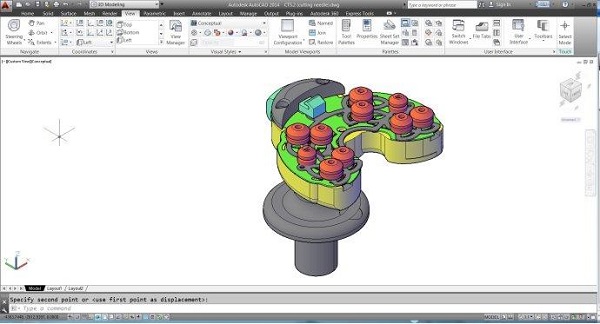
The journey from idea to physical part follows a clear path. First, you need a digital 3D model created in CAD software or captured through 3D scanning. This model contains every dimension and detail your part requires. Designers in Canada use tools like SolidWorks, Fusion 360, or Rhino to build these digital files with precision.
Next comes slicing software that cuts your model into hundreds or thousands of thin layers. Each layer might be 0.05 to 0.3 millimeters thick depending on the detail you need. Thinner layers capture finer features but take longer to print. The slicing software generates instructions that tell the printer exactly where to deposit material for every layer.
The printing process then builds your part automatically. A technician loads material, starts the job, and monitors progress. Depending on part size and complexity, printing takes hours or days. You do not need to be present during this phase.
Finally, post-processing transforms the raw printed part into finished form. Support structures get removed. Surfaces may need sanding or polishing. Metal parts often require heat treatment to achieve full strength. Some parts go to painting or coating for appearance or protection.
What technologies do Canadian services typically offer?
The table below shows common 3D printing technologies available across Canada:
| Technology | Materials | Precision | Surface | Best Uses | Typical Cost Range |
|---|---|---|---|---|---|
| FDM | PLA, ABS, nylon, composites | ±0.5mm | Rough | Prototypes, large parts, jigs | $5-$500 |
| SLA | Photopolymer resins | ±0.1mm | Smooth | Detail parts, jewelry, dental | $20-$1000 |
| SLS | Nylon, TPU, composites | ±0.2mm | Medium | Functional parts, complex shapes | $50-$2000 |
| SLM | Stainless steel, titanium, aluminum | ±0.1mm | Medium | Metal components, structural parts | $200-$5000+ |
| Multi-jet | Resins, waxes | ±0.05mm | Very smooth | High-detail models, casting patterns | $100-$3000 |
FDM or fused deposition modeling works like a precise hot glue gun. It melts plastic filament and lays beads down layer by layer. This technology dominates prototyping because machines are affordable and materials cost little. A simple bracket might print for $20 in PLA plastic.
SLA uses UV laser to cure liquid resin into solid shapes. The surface comes out glass-smooth, perfect for展示 pieces or parts requiring fine detail. Dental labs across Canada use SLA for surgical guides and models.
SLS fuses nylon powder with laser energy. No support structures means complex internal features print easily. Functional prototypes that need to bear loads often use SLS nylon.
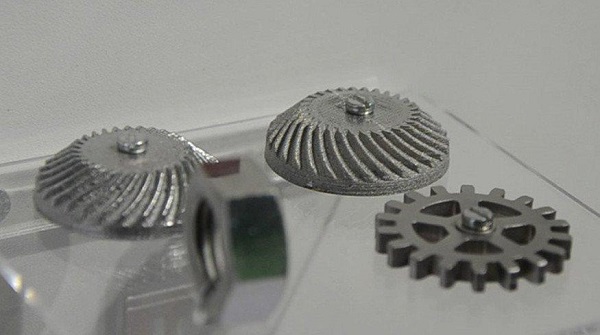
SLM fully melts metal powder into dense solid parts. Aerospace and medical clients use SLM for titanium and stainless steel components that must meet strict standards.
Why Choose a Canadian 3D Printing Service?
What advantages does local service provide?
Speed matters when you need parts fast. Shipping from overseas adds weeks to delivery time. A Canadian service can often print and ship within days. Rush jobs sometimes ship same-day for local customers.
Communication flows easier in the same time zone. Questions about design details get answered quickly. File format issues resolve with a phone call rather than email chains spanning continents.
Quality control benefits from proximity. You can visit the facility, inspect equipment, and discuss requirements face-to-face. For regulated industries like medical or aerospace, this visibility matters enormously.
Intellectual property concerns reduce with local providers. Your designs stay within Canadian jurisdiction rather than crossing borders where legal protections differ.
Which Canadian industries already use 3D printing?
Aerospace companies in Montreal and Toronto use SLS and SLM for brackets, ducts, and prototypes. Bombardier and Pratt & Whitney Canada both maintain additive manufacturing capabilities and work with local service bureaus.
Medical device firms across the country rely on SLA and SLM for surgical guides, implants, and anatomical models. Teaching hospitals in Vancouver, Calgary, and Halifax print patient-specific models for surgical planning.
Automotive suppliers in Windsor and Oshawa use FDM and SLS for prototyping and production aids. Tooling, fixtures, and assembly jigs print on demand rather than machining from metal.
Consumer goods companies in Vancouver and Toronto test product concepts through rapid prototyping. A startup can iterate through five design versions in the time traditional methods would take for one.
Resource industries including mining and oil and gas use 3D printing for replacement parts and equipment modifications. Remote sites benefit from digital inventory where files print locally rather than shipping physical spares.
How Much Does 3D Printing Service Cost in Canada?
What factors determine the final price?
Material choice drives cost significantly. Common PLA plastic runs $20 to $50 per kilogram. Engineering nylon costs more at $80 to $150 per kilogram. Metal powders range from $200 per kilogram for stainless steel to $800 or more for titanium alloys.
Part volume affects material consumption directly. A small bracket using 20 cubic centimeters of material costs far less than a large housing requiring 500 cubic centimeters. Most services calculate base cost on material volume plus machine time.
Printing time adds hourly rates for machine operation. Simple geometries print quickly while complex parts with thin walls or intricate details run slower. Hourly rates typically range from $10 for desktop FDM to $50 for industrial SLM.
Post-processing requirements add labor costs. Parts needing support removal, sanding, or finishing take technician time. Metal parts often require heat treatment and support cutting that adds significant cost.
Precision demands influence printer selection. Higher-resolution machines cost more to operate but deliver finer detail. Your project might justify the extra expense only if tolerances demand it.
What do typical projects actually cost?
Real examples help set expectations:
- Simple plastic prototype the size of a smartphone: $30 to $80 using FDM, delivered in 2-3 days
- Detailed architectural model with fine features: $200 to $400 using SLA, 3-5 day turnaround
- Functional nylon gear assembly: $150 to $300 using SLS, 4-6 days including post-processing
- Small titanium bracket for aerospace: $800 to $1500 using SLM, 7-10 days with certification
- Production run of 100 plastic parts: $15 to $30 each depending on complexity and material
Pricing structures vary between providers. Some charge by the hour plus materials. Others quote fixed prices based on file analysis. Always request detailed quotes comparing multiple services.
When Does 3D Printing Beat Traditional Manufacturing?
What project types work best for printing?
Prototypes top the list of ideal applications. Speed and flexibility outweigh per-part cost when testing designs. A $500 printed prototype beats a $10,000 machined part if it reveals design flaws before tooling commits.
Complex geometries that machining cannot produce become possible. Internal lattice structures, conformal cooling channels, and organic shapes print easily but challenge traditional methods.
Custom or personalized items suit additive manufacturing perfectly. Each part can differ without cost penalty. Dental aligners, hearing aids, and custom medical implants exemplify this advantage.
Low-volume production under 500 units often favors 3D printing over injection molding. The mold cost alone for 100 parts would make each piece unaffordable. Printing eliminates that upfront investment.
Replacement parts for obsolete equipment benefit from digital inventory. Scan the original, print a replacement, and keep machines running without warehousing spares.
When should you stick with traditional methods?
High-volume production beyond several thousand units still favors injection molding or casting. The per-part cost drops low enough to justify tooling investment.
Simple geometries with no complexity advantage print no faster than they machine. A basic round shaft costs less turned on a lathe than built layer by layer.
Large parts exceeding printer build volumes cannot print in one piece. Joining multiple printed sections may cost more than machining from solid.
Certain materials remain unavailable for printing. High-temperature alloys, specific composites, and optical-grade materials still require traditional processing.
How Do Canadian Services Compare Internationally?
What strengths do Canadian providers offer?
Quality standards match or exceed global benchmarks. Canadian engineers train to North American specifications and follow rigorous quality systems. Medical and aerospace clients receive documentation meeting regulatory requirements.
Technical expertise concentrates in Canadian service bureaus. Many engineers gained experience in aerospace, automotive, or medical industries before applying that knowledge to additive manufacturing.
Material availability covers the full range of engineering plastics and metals. Major suppliers distribute through Canadian channels, so specialty materials reach services quickly.
Data security benefits from Canadian privacy laws. Design files stay protected under local jurisdiction rather than subject to foreign legal systems.
What limitations might you encounter?
Cost runs higher than Chinese or Indian providers for simple parts. Labor rates and overhead in Canada exceed developing economies significantly.
Capacity at peak times may delay projects. During busy periods, lead times extend as backlogs build. Planning ahead avoids production crunches.
Specialty materials sometimes require ordering, adding days to project timelines. While common materials stock locally, exotic powders may ship from international sources.
How Does Yigu Technology Serve Canadian Customers?
Our engineering team works with Canadian clients across multiple industries. We understand that a Toronto medical startup has different needs than a Vancouver architectural firm. Project requirements drive our technology recommendations rather than forcing every job into one process.
A recent project involved custom automotive brackets for a restoration shop in Alberta. The original parts were unavailable, and casting new ones would cost thousands in tooling. We scanned an existing bracket, optimized the design for strength, and printed replacements in aluminum via SLM. Total cost came in under $2,000, and the parts passed all fit tests.
Another client needed anatomical models for surgical planning in British Columbia. Their CT scan data converted to 3D models, then printed in SLA resin with color mapping for different tissue types. Surgeons practiced complex procedures on exact replicas before entering the operating room, reducing procedure time by 30 percent.
For a Quebec consumer goods company, we produced fifty prototype housings for market testing. FDM printed them in engineering-grade ABS over one weekend. The client gathered user feedback, made design improvements, and ordered production tooling with confidence.
Our facility maintains multiple printer types across material classes. This variety lets us match the right process to your project rather than compromising. We handle design optimization, material selection, printing, and post-processing under one roof. Canadian customers receive parts ready for use, not rough blanks requiring additional work.
Frequently Asked Questions
How fast can I get parts from a Canadian 3D printing service?
Simple prototypes often ship within 2-3 days. Complex metal parts may take 7-10 days including post-processing. Rush services available for urgent needs.
What file formats do services typically accept?
STL files work universally. STEP and IGES files also common for CAD data. Most services accept native files from major CAD software.
Do I need to design for 3D printing specifically?
Basic designs print fine, but optimizing for additive manufacturing improves results and reduces cost. Our engineers help refine designs for printability.
Can you print in colors?
Yes, through multi-material printers or post-processing painting. FDM can swap filaments during prints for color changes. SLA parts paint easily after printing.
How strong are 3D printed parts compared to machined ones?
Properly printed parts match or exceed machined strength for many applications. SLS nylon and SLM metals achieve near-wrought properties with appropriate post-processing.
Conclusion
3D printing services in Canada offer compelling advantages for prototyping, custom parts, and low-volume production. The technology delivers speed that traditional methods cannot match, complexity that machining cannot achieve, and flexibility that tooling cannot accommodate. Canadian providers combine technical expertise with quality systems that serve regulated industries well. Costs range from modest for simple plastic parts to significant for complex metal components, but the value often justifies the investment when compared to alternatives. Your project might benefit from additive manufacturing if it involves design iteration, complex geometry, customization, or limited quantities. The key lies in matching the right technology and provider to your specific requirements. Canadian capabilities continue expanding as more industries discover what 3D printing makes possible.
Contact Yigu Technology for Custom Manufacturing
Ready to explore how 3D printing can advance your Canadian project? The engineering team at Yigu Technology brings practical experience across prototyping, custom parts, and production runs. We help you select the right materials, optimize designs for printing, and deliver quality parts on your schedule. Send us your CAD files or concept sketches for a free feasibility review and quotation. Let us show you how our facilities and expertise turn your ideas into physical reality. Contact Yigu Technology today and discover what professional 3D printing makes possible for your next project.