Introduction
Manufacturers often struggle to find a material that balances cost, workability, and strength. Some steels are too hard to form. Others lack the durability for structural use. Sheet metal SPHC—a type of hot rolled steel—solves this problem. It offers reliable tensile strength, excellent ductility, and consistent quality. In this guide, we will explore its properties, how it is made, where it is used, and how to ensure you get the best material for your project.
What Properties Does SPHC Steel Offer?
Strength and Flexibility
SPHC steel is known for its dependable mechanical properties.
- Tensile strength: 300–420 MPa
- Yield strength: 210–290 MPa
- Elongation: 25–35%
These numbers matter. Yield strength tells you how much stress the metal can handle before it deforms permanently. For example, when used in a small truck chassis, SPHC steel can support the vehicle’s weight and cargo without bending.
Elongation measures ductility—how much the metal can stretch before breaking. With 25–35% elongation, SPHC can be bent, stretched, and formed into complex shapes without cracking.
Hardness, Density, and Impact Resistance
- Hardness (Brinell): 60–80
- Density: 7.85 g/cm³ (standard for carbon steel)
- Impact resistance: 20–30 J at room temperature
The moderate hardness makes SPHC easy to cut and punch. Yet it still offers enough wear resistance for daily use. Its impact resistance means it can absorb sudden forces. That is why you see it in industrial machine guards—parts that may take occasional bumps.
Corrosion Resistance and Thickness Range
In its natural state, SPHC has basic corrosion resistance. A thin oxide layer offers some protection, but for outdoor or humid environments, additional coatings are recommended.
Thickness typically ranges from 1.2 mm to 10 mm. This wide range makes it suitable for everything from thin electrical enclosures to thick machinery frames.
How Is SPHC Sheet Metal Manufactured?
Hot Rolling Process
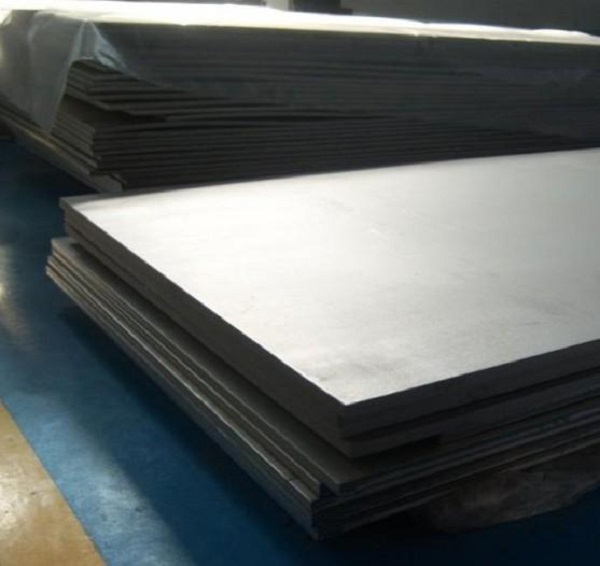
The production starts with hot rolling. Steel billets are heated to 1100°C–1250°C. At these temperatures, the metal becomes soft and malleable. The heated billets then pass through rolling mills to reduce thickness and form sheets.
This process does more than shape the steel. It refines the grain structure, enhancing ductility and tensile properties. Modern mills use advanced controls to ensure uniform thickness across each sheet.
Annealing and Heat Treatment
Some SPHC sheets undergo annealing after rolling. The steel is heated to 650°C–700°C and then cooled slowly. This relieves internal stresses from the rolling process.
Annealing makes the steel even more ductile. It is especially important for sheets that will go through complex forming operations—like curved automotive body parts.
What Fabrication Processes Work with SPHC?
Cutting, Bending, and Punching
Once the sheets are produced, they go through various fabrication steps.
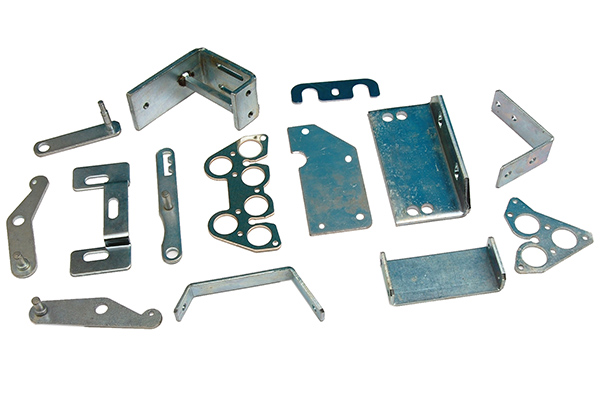
- Cutting: Laser cutters or shears create precise shapes and sizes.
- Bending: Machines form angles and curves for furniture frames or structural parts.
- Punching: Creates holes for bolts and fasteners in enclosures and machinery.
The ductility of SPHC makes these processes smooth. It reduces the risk of cracking during forming.
Welding and Forming
SPHC offers good weldability. Strong, durable joints can be made using standard welding techniques. In warehouse construction, welding SPHC beams creates a sturdy framework.
Deep drawing is another forming option. This process creates complex shapes like containers and appliance parts. SPHC’s excellent ductility makes deep drawing reliable and repeatable.
Case study: A manufacturer needed deep-drawn containers for industrial storage. Using SPHC steel, they achieved consistent shapes with no cracking across a production run of over 5,000 units.
Where Is SPHC Sheet Metal Used?
Construction and Automotive
In construction, SPHC is used for:
- Beams and columns
- Roofing supports
- Scaffolding
Its strength supports heavy loads. Its ductility makes scaffolding easy to assemble and disassemble.
In automotive, SPHC appears in:
- Vehicle frames
- Floor pans
- Structural body parts
The combination of strength and impact resistance helps protect passengers in collisions. Its cost-effectiveness also supports mass production.
Industrial Machinery and Electrical Enclosures
Industrial equipment like conveyor systems, presses, and lathes use SPHC for frames and bases. The material withstands vibrations and daily wear.
Electrical enclosures also rely on SPHC. It provides good protection for sensitive components. It cuts and shapes easily to fit various layouts.
Furniture, Containers, and Appliances
Furniture frames—tables, chairs, shelves—often use SPHC steel. Strength ensures sturdiness. Ductility allows for creative designs.
Containers for storage and transportation benefit from SPHC’s ability to form strong, leak-proof boxes.
In the appliance industry, SPHC is used for washing machine frames and dryer drums. Its combination of strength and workability makes it ideal for these applications.
How Is Quality Controlled for SPHC Steel?
Key Quality Parameters
Surface finish is important. While hot rolled steel has a slightly rougher surface than cold rolled, it should be free from excessive scale, rust, and defects. A consistent surface ensures good adhesion when painting or coating.
Dimensional accuracy is critical. Thickness tolerance is typically within ±0.3 mm. This ensures parts fit together properly during assembly.
Flatness is measured to prevent excessive warping. Warped sheets can cause problems during fabrication.
Inspection, Testing, and Standards
Quality control happens throughout production.
- Tensile testing: Verifies tensile strength and yield strength
- Hardness testing: Confirms Brinell hardness values
- Elongation tests: Ensures ductility meets specifications
- Ultrasonic testing: Detects internal cracks or inclusions
SPHC steel typically meets Japanese Industrial Standards (JIS) . It also complies with international certifications, making it acceptable for global markets.
Yigu Technology’s Perspective
At Yigu Technology, we use SPHC sheet metal regularly in custom manufacturing. Its ductility and tensile properties make it ideal for cutting, bending, and welding. We produce components for automotive, construction, and industrial machinery clients.
We apply strict quality controls. We check surface finish, dimensional accuracy, and flatness on every batch. This ensures our customers receive consistent, reliable parts.
Example: A client needed custom brackets for heavy machinery. Using SPHC steel, we delivered 200 units with precise dimensions and no defects. The client reported easy installation and long-term durability in a demanding factory environment.
Conclusion
Sheet metal SPHC offers a practical combination of strength, ductility, and cost-effectiveness. Its tensile strength and yield strength support structural applications. Its high elongation allows complex forming without cracking. From automotive frames to electrical enclosures, SPHC delivers reliable performance. By understanding its properties and quality standards, you can choose this material with confidence for your next project.
FAQ
Can Sheet Metal SPHC be used outdoors without coating?
Not for long-term exposure. SPHC has basic corrosion resistance, but moisture and weather will cause rust. Apply paint, powder coating, or galvanization to protect it for outdoor use.
How does SPHC compare to other hot rolled steel grades?
SPHC offers higher ductility than many other hot rolled grades. Its elongation of 25–35% is greater than SS400 (typically 20–25%), making it better for complex forming and bending.
What thickness range is available for SPHC sheet metal?
Typical thickness ranges from 1.2 mm to 10 mm. Thinner sheets (1.2–3 mm) suit enclosures and appliance parts. Thicker sheets (3–10 mm) work for structural components and heavy machinery.
Is SPHC steel easy to weld?
Yes. SPHC offers good weldability. Standard MIG and TIG welding methods produce strong, durable joints suitable for construction and automotive applications.
What standards does SPHC steel meet?
SPHC typically complies with Japanese Industrial Standards (JIS) . It often meets international certifications as well, ensuring consistent quality for global manufacturing.
Contact Yigu Technology for Custom Manufacturing
At Yigu Technology, we specialize in custom sheet metal fabrication using SPHC and other high-quality materials. From prototyping to full production, our team delivers precision and reliability. [Contact us today] to discuss your project and get a tailored manufacturing solution.