Introduction
Engineers and product designers often face a difficult choice: they need a material that conducts electricity efficiently, withstands harsh environments, and can be shaped into complex forms. Many metals fall short—either they lack the conductivity required for electrical systems or they crack under pressure during forming. Sheet metal copper and its alloys offer a practical solution. From pure copper with unmatched conductivity to durable brass and bronze, these materials bridge the gap between performance and workability. This guide walks you through their composition, how they are made, finishing options, and real-world uses. You will learn why these metals remain essential across industries like electronics, construction, and automotive manufacturing.
What Are the Main Types and Compositions?
Pure Copper vs. Copper Alloys
Pure copper contains 99.9% or more copper. It is the standard for applications that demand maximum conductivity. However, pure copper is relatively soft. To improve strength or corrosion resistance, manufacturers add other elements.
- Brass: A mix of copper and zinc. Common ratios range from 55% to 95% copper. This combination improves machinability and strength while retaining decent conductivity.
- Bronze: Primarily copper and tin. Additional elements like phosphorus or aluminum can be added to enhance specific traits.
Example: In a recent project for an industrial sensor housing, the team at Yigu Technology selected phosphor bronze (90% copper, 10% tin with phosphorus) over pure copper. The housing needed spring-like properties and resistance to moisture. Pure copper would have deformed under repeated stress, while the bronze alloy held its shape for years.
Key Mechanical and Physical Properties
Copper alloys are valued for balancing several properties at once. The table below summarizes how the main types compare.
| Property | Pure Copper | Brass | Bronze |
|---|---|---|---|
| Electrical Conductivity (% IACS) | 100% | 25–40% | 15–30% |
| Tensile Strength (MPa) | 200–300 | 300–600 | 400–800 |
| Hardness (HB) | 35–45 | 60–100 | 80–150 |
| Corrosion Resistance | Good in air and mild acids | Excellent in freshwater | Superior in saltwater |
| Ductility (Elongation) | Up to 45% | 20–40% | 10–30% |
Conductivity and Ductility: Pure copper’s electrical conductivity is the benchmark (100% IACS). This makes it the first choice for bus bars, wiring, and high-current components. Brass and bronze offer lower but still useful conductivity for connectors and terminals. All copper materials also stretch well under stress. Pure copper can elongate up to 45% before breaking, which means it can be bent, rolled, or formed into intricate shapes without cracking.
Strength and Corrosion Resistance: Strength varies significantly across alloys. Brass delivers tensile strength up to 600 MPa—double that of pure copper. Bronze can reach 800 MPa, making it suitable for load-bearing parts. Corrosion resistance also differs: pure copper resists oxidation in normal environments; brass performs well in freshwater systems; bronze, especially aluminum bronze, stands up to saltwater and harsh chemicals. This makes it ideal for marine hardware and industrial valves.
All copper materials are also highly recyclable. Recycled copper retains about 95% of its original properties, supporting sustainable manufacturing goals.
How Are Copper Sheets Manufactured?
Forming and Shaping Processes
Raw copper starts as large coils or slabs. The first step is rolling, which reduces thickness to anywhere from 0.1 mm to 10 mm. Pure copper and soft brass roll easily because of their high ductility. Harder alloys may require intermediate annealing to prevent cracking.
- Bending and Forming: Pure copper can be bent 180 degrees flat without damage. Bronze, being stronger, often needs annealing—heating between 400°C and 600°C—to restore flexibility for tight-radius bends.
- CNC Machining: Brass is known as the “machinist’s friend” because it cuts cleanly and quickly. Pure copper is more gummy and requires sharp tooling to avoid tearing.
- Welding: Copper’s high thermal conductivity pulls heat away from the weld zone rapidly. Specialized techniques like TIG welding with filler metal are used to ensure strong joints.
Cutting Methods for Precision Parts
Different cutting methods suit different needs. For high-volume production, punching and shearing are efficient and hold tight tolerances. For complex geometries in electronics or medical devices, manufacturers often use laser cutting or electrical discharge machining (EDM) .
Real-World Case: A customer needed thin copper shims (0.2 mm thick) for a battery pack assembly. Stamping caused edge burrs that risked short circuits. The team switched to laser cutting, which produced clean edges and eliminated secondary deburring. This reduced lead time by three days and improved safety.
What Surface Treatments Improve Performance and Appearance?
Protective Coatings
Raw copper develops a green patina over time when exposed to air and moisture. While some applications value this aged look, most industrial uses require controlled finishes.
- Plating: Adding a thin layer of another metal enhances specific properties.
- Tin plating improves solderability, which is critical for electronic connectors.
- Silver or gold plating boosts conductivity and corrosion resistance for high-end electrical contacts.
- Passivation: Chemical treatments, such as chromate conversion, form a protective layer that prevents oxidation. This is essential for parts that must maintain a clean appearance, such as architectural trim or visible hardware.
Aesthetic and Functional Finishes
Surface finish matters for both performance and appearance. For electrical contacts, surface roughness is controlled to 0.02–1 μm Ra to ensure consistent conductivity.
Common finishes include:
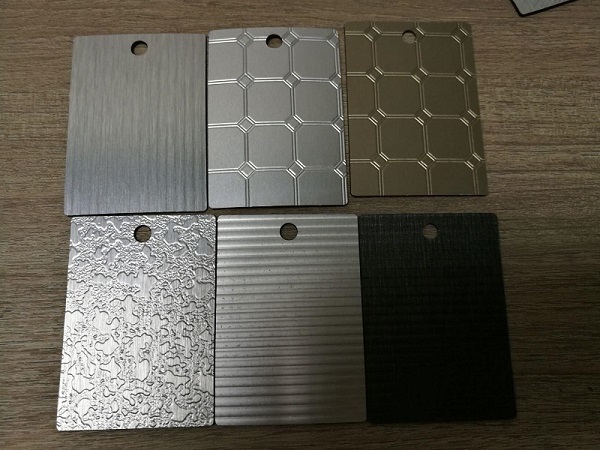
- Mirror polish: Used for musical instruments like brass horns and decorative pieces.
- Brushed finish: A subtle texture that hides minor scratches; popular for HVAC grilles and furniture hardware.
- Lacquering: A clear coating that preserves the metal’s natural shine on jewelry and visible parts.
- Chemical conversion coating: Black oxide, for example, provides a protective layer with a dark, matte look.
Example: A client in the luxury lighting industry requested brass components with a brushed finish and clear lacquer. The lacquer prevented fingerprints and tarnishing, while the brushed surface diffused light evenly across the fixture. This combination turned standard sheet metal into a premium design element.
Where Are Copper Alloys Used Across Industries?
Electrical, Electronics, and Telecommunications
This is where copper’s conductivity shines. Pure copper sheets are standard for transformer windings, motor commutators, and heat sinks. In CPUs, copper’s thermal conductivity pulls heat away efficiently, keeping processors cool.
Brass is widely used for connectors, terminals, and fuse components because it machines easily and resists corrosion. Bronze appears in durable switch contacts and springs that must endure millions of cycles.
In telecommunications, copper alloys serve in antenna components and cable shielding. Brass brackets and bronze connectors ensure reliable signal transmission, even in outdoor environments where moisture and temperature fluctuate.
Construction, Plumbing, and Automotive
In construction, copper sheets are valued for roofing, cladding, and architectural details. Over time, oxidation creates a distinctive green patina that complements historic buildings. Plumbing systems rely heavily on brass fittings, which resist corrosion from water and are easy to thread. Bronze valves handle high pressures in industrial piping.
The automotive industry uses copper alloys in radiators (brass tubes) and electrical wiring. In aerospace, bronze bushings and brass connectors offer reliability where weight and vibration resistance are critical.
Beyond industrial uses, copper alloys appear in musical instruments—brass trumpets, bronze cymbals—and jewelry, where their luster and workability make them favorites among artisans.
Conclusion
Sheet metal copper and its alloys solve a fundamental engineering challenge: they combine high conductivity with formability and strength. Pure copper delivers unmatched electrical and thermal performance, while brass and bronze extend durability and corrosion resistance. Manufacturing processes—from rolling and bending to laser cutting—allow these materials to take nearly any shape. Surface treatments add protection, enhance conductivity, or provide a finished appearance.
Whether you are designing electrical components, architectural features, or automotive parts, copper alloys offer a proven, versatile, and recyclable solution. Understanding their composition, processing methods, and finishing options ensures you select the right material for your specific application.
FAQs
What is the main difference between brass and bronze?
Brass is a copper-zinc alloy. It machines easily and works well for plumbing fittings and electrical terminals. Bronze is primarily copper and tin, often with other elements. It offers higher strength and superior corrosion resistance, making it ideal for marine parts and bearings.
Why is pure copper rarely used for structural parts?
Pure copper has lower strength (200–300 MPa tensile) compared to brass (300–600 MPa) or bronze (400–800 MPa). For parts that must support loads or resist wear, alloys are a better choice. Pure copper is reserved for applications where conductivity is the top priority.
Can copper alloys be recycled without losing quality?
Yes. Copper is 100% recyclable, and recycled copper retains about 95% of its original properties. It is one of the most recycled metals globally, supporting sustainable manufacturing practices.
Contact Yigu Technology for Custom Manufacturing
Selecting the right copper alloy and manufacturing process can be complex. At Yigu Technology, we specialize in custom sheet metal fabrication using pure copper, brass, and bronze. Our capabilities include CNC machining, laser cutting, precision bending, and a range of plating and finishing services. Whether you need heat sinks for electronics, decorative architectural panels, or high-strength industrial components, we help you match material properties to your application. Contact us to discuss your next project.