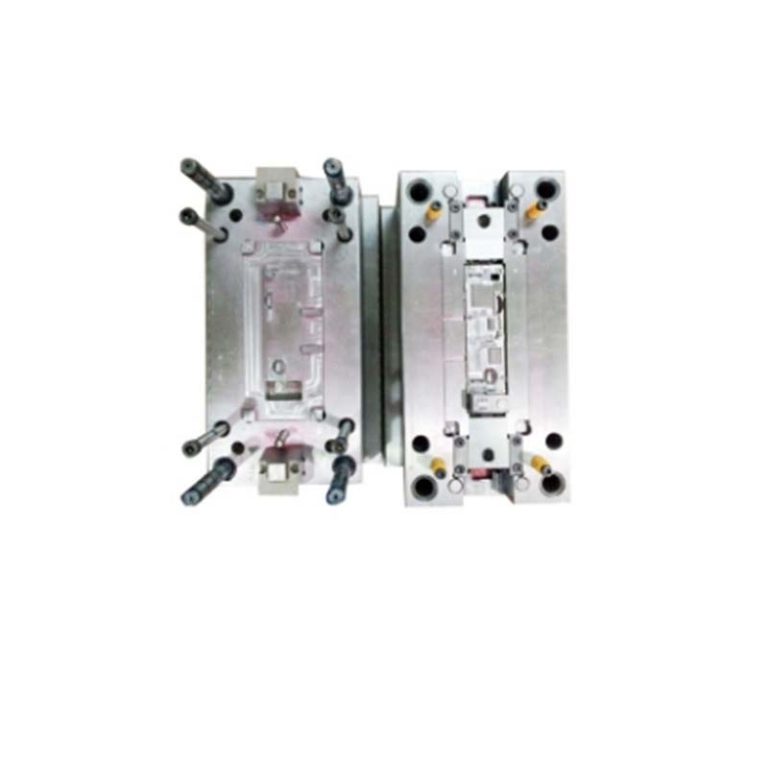
Introduction
You’re running a high-volume production line. Your P20 mold performs well for the first 300,000 cycles. Then you notice it: surface finish degrading, tolerances drifting, parts starting to show defects. By 500,000 cycles, the mold needs replacement. Production stops. Costs mount.
This is the ceiling that standard mold steels hit. And it’s exactly where 718 (1.2738) steel enters the picture.
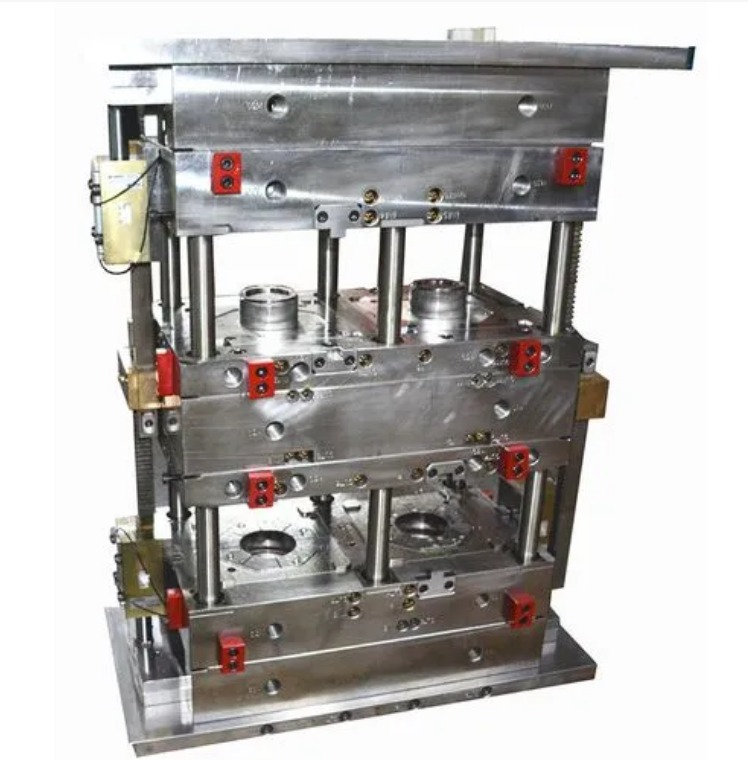
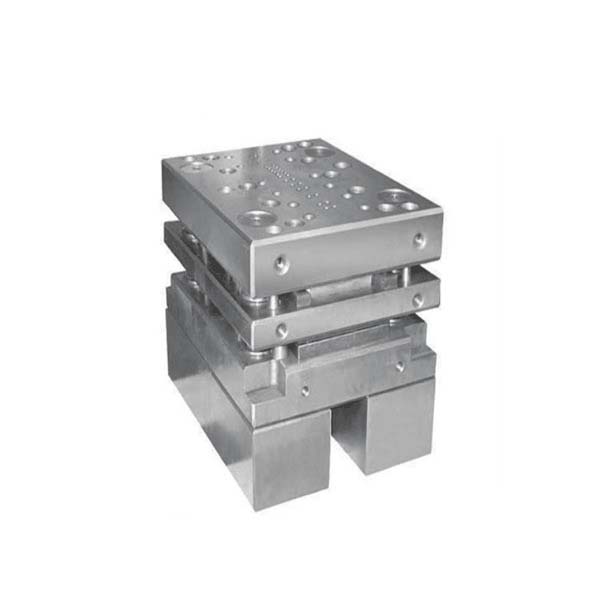
718 (AISI) and its German equivalent 1.2738 (DIN) are premium pre-hardened plastic mold steels designed for applications that demand more than entry-level grades can deliver. They bridge the gap between affordability and high performance—offering superior toughness, wear resistance, and polishability for molds that must run 1–2 million cycles without compromise.
This guide explores what makes 718 (1.2738) unique, its properties, applications, and how to get the most from this exceptional material.
What Is 718 (1.2738) Steel?
A Premium Pre-Hardened Alloy
718 (1.2738) is a chromium-nickel-molybdenum alloy steel engineered for demanding plastic mold applications. It comes pre-hardened to 32–36 HRC, eliminating the need for post-machining heat treatment—saving time and reducing distortion risks.
| Property | Value | Why It Matters |
|---|---|---|
| Hardness (pre-hardened) | 32–36 HRC | Better wear resistance than P20 (28–32 HRC) |
| Toughness | Charpy impact 30–35 J | 20–30% higher than P20—prevents cracking in thin walls |
| Wear resistance | 1–2 million cycles | Double the life of P20 in identical conditions |
| Machinability | 60–80 SFM with carbide | Maintains good machinability despite higher hardness |
| Thermal stability | Up to 350°F (177°C) | Handles higher-temperature plastics like nylon and PBT |
Composition Drives Performance
| Element | Percentage | Contribution |
|---|---|---|
| Carbon | 0.4% | Base hardness and strength |
| Chromium | 1.8% | Wear resistance, moderate corrosion protection |
| Nickel | 1.0% | Toughness—prevents cracking in complex geometries |
| Molybdenum | 0.2% | Wear resistance and thermal stability |
Industry Standards and Suppliers
| Standard | Grade | Source |
|---|---|---|
| AISI | 718 | North America |
| DIN | 1.2738 | Germany, Europe |
| Suppliers | SSAB (Sweden), voestalpine (Austria), POSCO (South Korea) | Premium global producers |
718 (1.2738) is used in 30–40% of high-volume plastic injection molds, particularly in automotive, medical, and consumer electronics sectors where 1–2 million cycles are required.
What Properties Make 718 (1.2738) Special?
Hardness: The Sweet Spot
At 32–36 HRC, 718 sits in an ideal range—hard enough for excellent wear resistance, yet not so hard that machining becomes difficult or toughness suffers.
| Steel | Hardness (HRC) | Wear Resistance |
|---|---|---|
| P20 | 28–32 | Baseline |
| 718 (1.2738) | 32–36 | 20–30% better |
| S136 (hardened) | 48–52 | Excellent, but more brittle |
For slightly abrasive plastics—like 10–15% glass-filled polypropylene—718 provides significantly longer life than P20.
Toughness: Preventing Cracks
Toughness is where 718 truly shines. Its Charpy impact value of 30–35 J is 20–30% higher than P20. This matters for:
- Thin walls: High toughness prevents cracking under stress
- Sharp corners: Stress concentration doesn’t lead to failure
- Complex geometries: Intricate features hold up over millions of cycles
Real example: A mold for a consumer electronics housing had thin ribs just 0.8 mm thick. P20 molds showed stress cracks after 300,000 cycles. The same design in 718 ran to 1.2 million cycles without cracking.
Wear Resistance: Built for Volume
718 lasts 1–2 million cycles for non-abrasive plastics like ABS, PC, and PP. For slightly abrasive materials (10% glass-filled), it still delivers 800,000–1 million cycles—far exceeding P20’s 100,000–200,000 cycles in the same application.
Corrosion Resistance: Better Than P20
While not stainless, 718 offers better corrosion resistance than P20 thanks to its higher chromium content. It withstands:
- Water-based coolants
- Mild mold release agents
- Humidity in storage
This reduces rust-related maintenance and extends usable life.
Machinability: Faster Than You’d Expect
Despite higher hardness, 718 machines well:
- Roughing: 60–70 SFM with carbide tools
- Finishing: 50–60 SFM
- Slightly slower than P20, but significantly faster than cold work steels like D2
Key to success: Use sharp carbide tools and maintain coolant to prevent work hardening.
Grain Structure: Uniform and Fine
718 features a fine, uniform grain structure (ASTM 7–8). This delivers:
- Excellent polishability: Achieves Ra 0.01–0.02 μm
- Consistent performance: No weak spots or variations
- Surface quality: Minimizes defects in cosmetic parts
Thermal Stability: Handles the Heat
718 retains its shape at temperatures up to 350°F (177°C) —outperforming P20. This makes it suitable for molding higher-temperature plastics like:
- Nylon (PA)
- PBT
- PET
Where Is 718 (1.2738) Used?
Injection Molding
718 is ideal for high-volume injection molding of:
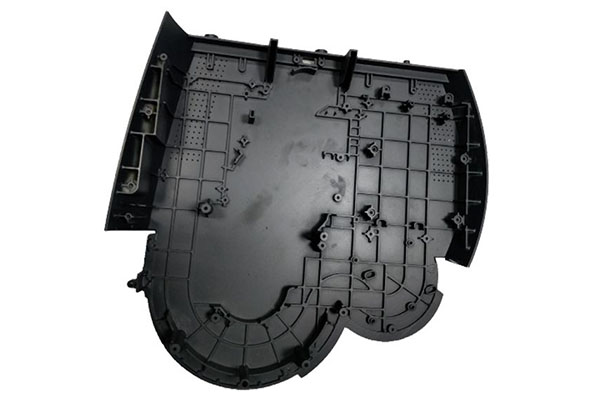
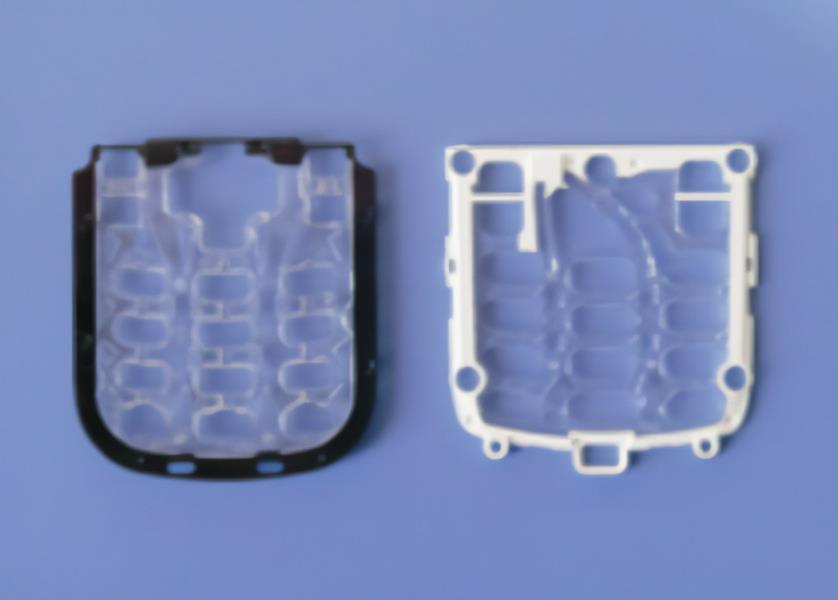
- Consumer electronics: Smartphone frames, laptop casings
- Automotive interior parts: Dashboard components, door handles
- Medical device housings: Non-sterile components like diagnostic tool casings
Its polishability (Ra 0.02–0.05 μm) ensures parts meet strict aesthetic standards—even after 1 million cycles.
Blow Molding
For large, high-precision blow-molded parts—automotive fuel tanks, industrial containers—718’s toughness prevents cracking during the high-pressure forming process.
Compression Molding
In thermoset compression molding for electrical components (circuit breakers, switches), 718’s thermal stability resists moderate heat while maintaining dimensional accuracy.
Automotive Molds
Critical automotive parts like dashboard panels and door handles demand both surface finish and dimensional stability. 718 handles production volumes of 500,000–1 million units typical for these components.
High-Precision Molds
718’s dimensional stability makes it a top choice for molds with tight tolerances—±0.0002 inches—used in microelectronics and precision engineering components.
How Do You Machine and Fabricate 718?
Precision Machining
| Operation | Speed (SFM) | Tool Recommendation |
|---|---|---|
| Roughing | 60–70 | Carbide inserts |
| Finishing | 50–60 | Carbide end mills |
| Drilling | 40–50 | Carbide drills, 135° split point |
Coolant is essential to prevent overheating and tool wear. 718’s nickel content can cause work hardening if cutting forces are excessive—maintain sharp tools and consistent feed rates.
CNC Milling
Both 3-axis and 5-axis CNC milling work well with 718. Its uniformity minimizes tool deflection, ensuring tight tolerances in complex features like undercuts and thin ribs.
EDM (Electrical Discharge Machining)
EDM produces excellent results with 718, creating intricate details with a minimal recast layer (≤0.0001 inches). This is crucial for molds with texturing or small, hard-to-mill features.
Grinding
Final grinding with a resin-bonded diamond wheel achieves flatness within 0.0001 inches per foot. Feed rate: 8–12 inches per minute to prevent heat buildup that could affect hardness.
Surface Finishing
718 polishes to a mirror finish with relative ease:
- Start with 600-grit sandpaper
- Progress to 1200-grit
- Finish with diamond compound (3–5 μm)
Result: Ra 0.01–0.02 μm —suitable for high-gloss cosmetic parts.
Polishability surpasses P20 but falls slightly short of stainless steels like S136.
How Is 718 Heat Treated?
Pre-Hardened State
718 is supplied pre-hardened to 32–36 HRC. No post-machining heat treatment is required for most applications. This eliminates distortion risks and saves production time.
Optional Hardening
In specialized cases where higher hardness is needed, 718 can be:
- Heated to 1550–1600°F (843–871°C)
- Quenched in oil
- Tempered to reach 38–40 HRC
Note: This may reduce toughness. Only do this if wear resistance is more critical than impact strength.
Tempering After Welding or Heavy Machining
If welding or heavy machining introduces stress:
- Temper at 1000–1100°F (538–593°C) for 2 hours
- Relieves stress without significant hardness loss
- Critical for maintaining dimensional stability in precision molds
Surface Treatments
Nitriding can boost wear resistance:
- Process at 950°F (510°C) for 20–30 hours
- Creates 5–10 micron hard layer (55–60 HRC)
- Extends mold life by 30–40% in abrasive applications
How Does 718 Compare to Other Mold Steels?
| Property | P20 | 718 (1.2738) | S136 |
|---|---|---|---|
| Hardness (HRC) | 28–32 | 32–36 | 48–52 |
| Toughness | Baseline | +20–30% | Lower (more brittle) |
| Wear resistance | Baseline | +20–30% | Excellent |
| Polishability | Good | Very good | Excellent |
| Corrosion resistance | Low | Moderate | High |
| Cost | Baseline | +30–40% | +100–150% |
P20 vs. 718: 718 offers 20–30% better wear resistance and superior toughness, justifying its higher cost for demanding applications.
S136 vs. 718: S136 offers superior corrosion resistance and polishability but costs significantly more and is more brittle. Choose S136 for medical or corrosive environments; choose 718 for general high-volume production.
What Performance and Durability Can You Expect?
Mold Life
| Plastic Type | P20 | 718 (1.2738) |
|---|---|---|
| Non-abrasive (ABS, PC, PP) | 500,000 cycles | 1–2 million cycles |
| Slightly abrasive (10% glass-filled) | 100,000–200,000 | 800,000–1 million |
Cost-Effectiveness
While 718 costs 30–40% more than P20 upfront, its longer life and better performance lower total cost of ownership for high-volume production runs.
Real example: An automotive supplier running 1.5 million parts per year switched from P20 to 718. Tool replacements dropped from 3 per year to 1. Annual tooling costs fell by 35%, and downtime was reduced by 60%.
Surface Quality
718’s fine grain structure and polishability ensure consistent surface quality across long runs. For cosmetic parts, this means fewer rejects and better customer satisfaction.
Yigu Technology’s Perspective
At Yigu Technology, we recommend 718 (1.2738) for clients with high-volume, precision-critical mold needs. Its balance of toughness, wear resistance, and polishability makes it ideal for automotive and electronics molds where 1+ million cycles and strict tolerances are required.
We’ve seen 718 reduce scrap rates by 15–20% compared to P20 in complex geometries, thanks to its superior toughness. Our machining team values its consistency, which ensures tight tolerances (±0.0002 inches) and reduces rework.
While 718 costs more upfront, its longer life and better performance lower total cost of ownership for high-volume production runs.
Conclusion
718 (1.2738) steel bridges the gap between entry-level mold steels and premium stainless grades. It offers:
- Hardness: 32–36 HRC
- Toughness: 20–30% higher than P20
- Wear resistance: 1–2 million cycles for non-abrasive plastics
- Polishability: Ra 0.01–0.02 μm
- Thermal stability: Up to 350°F (177°C)
For high-volume injection molding of automotive, electronics, and precision components, 718 delivers the performance that P20 can’t match—without the cost premium of stainless steels.
FAQ
How does 718 (1.2738) compare to P20 in terms of mold life?
718 lasts 1–2 million cycles for non-abrasive plastics, double the 500,000-cycle life of P20. For slightly abrasive materials (10% glass-filled), 718 still lasts 800,000–1 million cycles, far exceeding P20’s 100,000–200,000 cycles.
Can 718 be used for medical device molds requiring strict cleanliness?
718 is suitable for non-sterile medical parts. Its polishability reduces bacterial traps, and its moderate corrosion resistance handles cleaning agents. For sterile applications or implants, however, stainless steel (S136) is preferable due to its superior corrosion resistance.
What’s the best way to achieve a mirror finish on 718?
Start with 600-grit sandpaper, progress to 1200-grit, then buff with a diamond compound (3–5 μm). This process achieves Ra 0.01–0.02 μm, suitable for cosmetic parts like smartphone casings and automotive interior trim.
Does 718 require post-machining heat treatment?
No. 718 is supplied pre-hardened to 32–36 HRC. This eliminates the need for heat treatment after machining, saving time and eliminating distortion risks. Only specialized applications requiring higher hardness need additional treatment.
What’s the difference between 718 and 1.2738?
They are functionally identical. 718 is the AISI (North American) designation. 1.2738 is the DIN (German/European) designation. Both refer to the same chromium-nickel-molybdenum alloy steel with identical properties and performance characteristics.
Contact Yigu Technology for Custom Manufacturing
At Yigu Technology, we specialize in precision mold manufacturing using premium materials like 718 (1.2738). Our team helps clients select the right steel for their application—balancing upfront cost with long-term performance.
We offer:
- Custom mold design and manufacturing
- Material selection guidance
- In-house CNC machining and EDM
- Quality inspection with CMM documentation
[Contact Yigu Technology today] to discuss your high-volume mold project. Let’s build tools that deliver consistent performance for millions of cycles.