Introduction
You’ve built a new set of stamping dies. They work well for a few thousand cycles. Then you see it—small chips along the cutting edge. Production slows. You pull the tool for sharpening. Days later, the same problem returns.
This scenario plays out in workshops everywhere. The issue often isn’t the tool design. It’s the material.
Cr12 steel—known as AISI D3 in the US and JIS SKD1 in Japan—solves this problem. It’s a high-carbon, high-chromium cold work tool steel designed for one thing: staying sharp through punishing production runs.
In this guide, we’ll explore what makes Cr12 unique, where it excels, and how to get the most from this exceptional material.
What Is Cr12 (D3/SKD1) Steel?
Composition Drives Performance
Cr12’s properties come from its carefully balanced chemistry:
| Element | Percentage | Role |
|---|---|---|
| Carbon | 2.0–2.3% | Creates extreme hardness after heat treatment |
| Chromium | 11–13% | Forms hard carbides for wear resistance |
| Manganese | 0.3–0.6% | Improves hardenability |
| Silicon | 0.2–0.4% | Reduces brittleness |
| Molybdenum | Trace | Enhances toughness |
The high carbon and chromium levels create a dense network of carbides within the steel. These carbides act like microscopic armor—they resist abrasion and keep cutting edges sharp.
Key Properties
| Property | Value | Implication |
|---|---|---|
| Hardness (after heat treat) | 58–64 HRC | Exceptional edge retention |
| Thermal stability | Up to 400°F (204°C) | Sufficient for cold work processes |
| Corrosion resistance | Moderate | Better than carbon steel, not as good as stainless |
| Wear resistance | Excellent | Outlasts lower-chromium steels by 20–30% |
Where Does Cr12 Excel?
Cold Work Tooling
Cr12 is a staple for tools that cut, shape, or form metal at room temperature. Common applications:
- Blanking dies: Cutting shapes from sheet metal
- Stamping dies: High-volume forming operations
- Trimming dies: Removing excess material from formed parts
- Punches: Piercing holes in metal
- Shears: Cutting thick materials
In stamping operations, manufacturers report up to 30% longer die life compared to lower-chromium steels. That means fewer tool changes and more production uptime.
High-Volume Stamping
When tools run continuously, wear resistance matters most. Cr12 punches used in sheet metal cutting can handle up to 50,000 cycles before needing sharpening—twice the life of AISI O1 tools.
Real example: A stamping shop producing automotive brackets switched from O1 to Cr12 for their blanking dies. Tool changes dropped from every three weeks to every eight weeks. Annual tooling costs fell by 35%.
Cold Extrusion Tools
Cold extrusion forces metal through a die to form fasteners, bolts, and other components. The process creates extreme pressure. Cr12’s toughness prevents cracking under these loads.
Punches and Shears
The high hardness of Cr12 allows punches to cut thick materials without dulling. For fabricators working with cold-rolled steel, aluminum, or brass, this translates to consistent cut quality across long production runs.
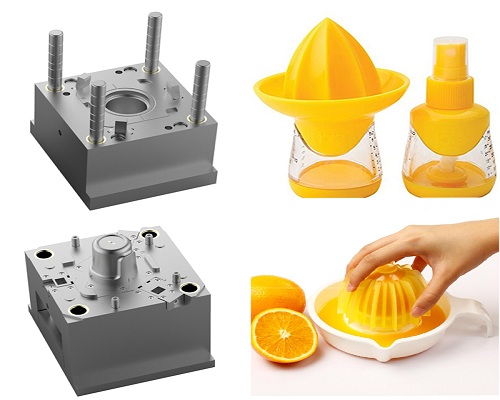
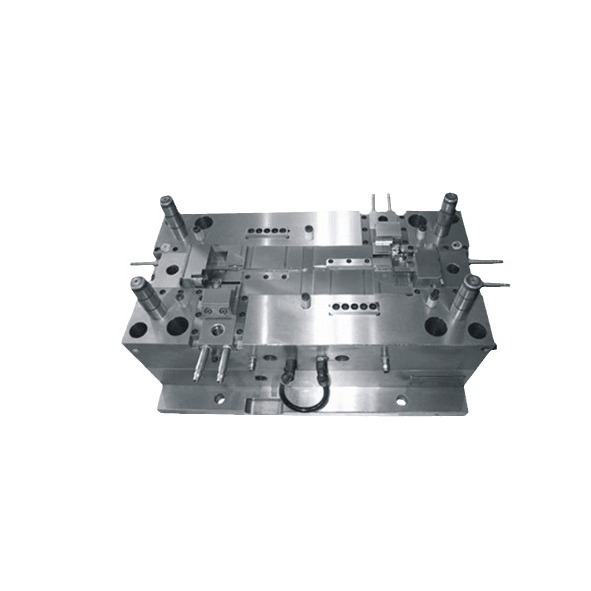
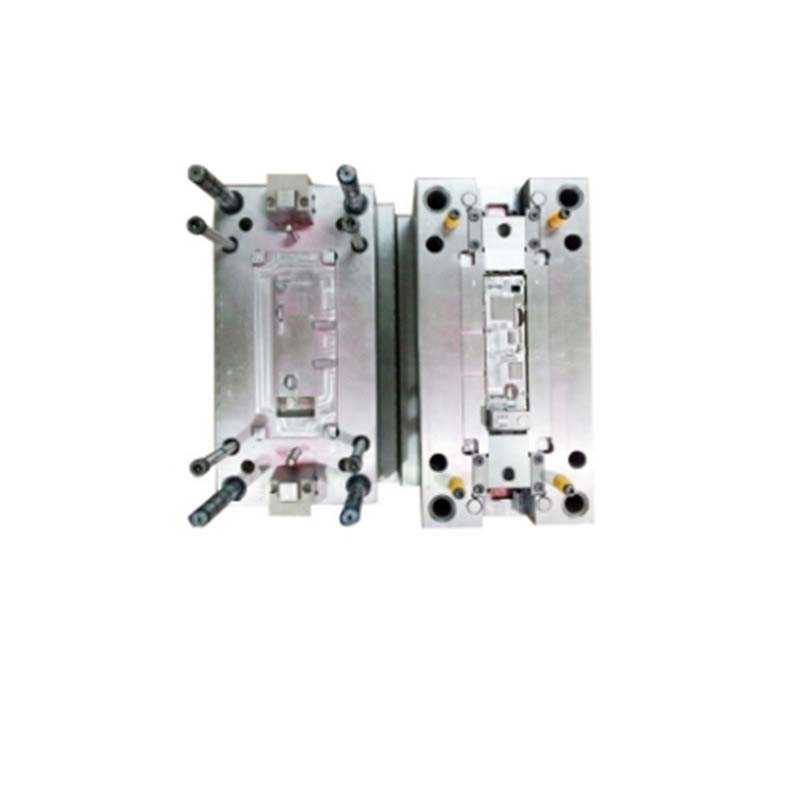
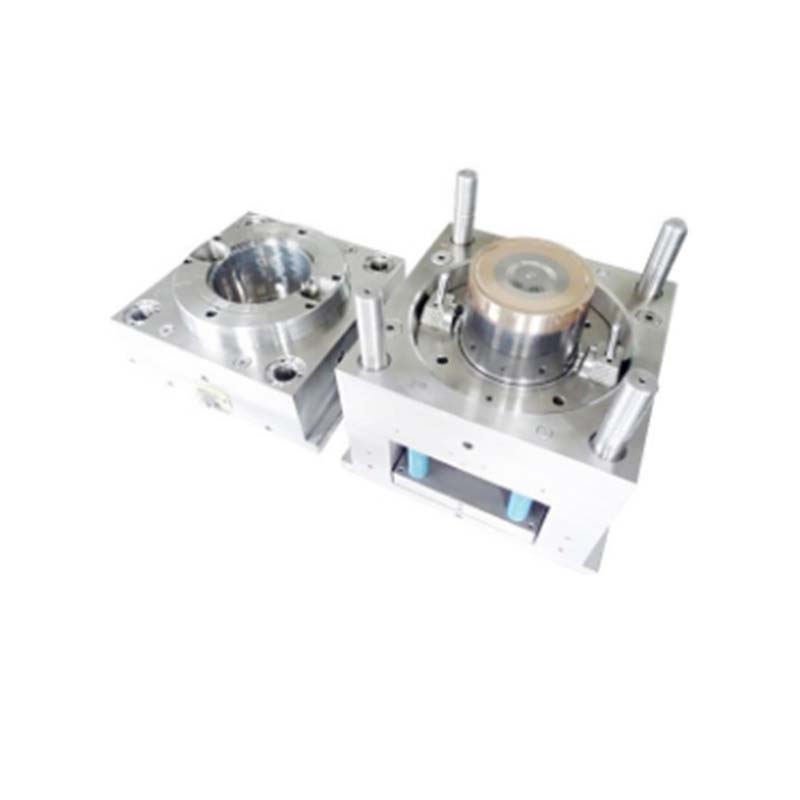
Plastic Injection Molds
While not Cr12’s primary use, it works well for molds processing abrasive plastics—especially glass-filled materials. Its smooth surface finish helps reduce plastic buildup on mold surfaces.
How Do You Process Cr12 for Best Results?
Annealing: Preparing for Machining
Before machining, Cr12 must be softened. The annealing process:
- Heat to 1500–1550°F (815–845°C)
- Hold for 2–4 hours
- Cool slowly (no more than 50°F per hour)
Annealed Cr12 has a hardness of 200–250 HB, making it machinable with carbide tools.
Hardening: Achieving Maximum Strength
To reach full hardness:
- Heat to 1800–1850°F (980–1010°C)
- Hold for 30–60 minutes
- This temperature range ensures carbides dissolve evenly
Quenching: Locking in Hardness
Oil quenching is the standard method. It cools the steel rapidly enough to form martensite—the hard microstructure that gives Cr12 its wear resistance—without causing excessive distortion.
For complex shapes, vacuum quenching reduces oxidation and improves surface finish.
Tempering: Balancing Hardness and Toughness
After quenching, the steel is hard but brittle. Tempering relieves internal stresses:
- Heat to 300–400°F (150–204°C)
- Hold for 1–2 hours
- One cycle is usually sufficient; critical applications may use two cycles
Proper tempering reduces chipping risk while maintaining hardness above 58 HRC.
Surface Treatments: Extra Performance
For demanding applications, consider additional treatments:
| Treatment | Effect |
|---|---|
| Nitriding | Increases surface hardness by 5–10 HRC |
| PVD coating (TiAlN) | Reduces friction, extends tool life |
| Cryogenic treatment | Transforms retained austenite, improves dimensional stability |
How Does Cr12 Compare to Other Tool Steels?
Comparison Table
| Steel | Hardness (HRC) | Wear Resistance | Toughness | Cost | Best For |
|---|---|---|---|---|---|
| Cr12 (D3/SKD1) | 58–64 | Excellent | Moderate | Medium | High-wear cold work |
| D2 (SKD11) | 57–62 | Very Good | Good | Medium-High | Balanced wear/toughness |
| O1 | 55–60 | Good | Very Good | Low | Low-volume stamping |
| A2 | 57–61 | Good | Very Good | Medium | Impact-heavy applications |
| M2 (HSS) | 60–65 | Very Good | Good | High | High-speed cold work |
Cr12 vs. D2
D2 has slightly lower hardness but better toughness. It’s a better choice when tools face moderate impact. Cr12 offers superior wear resistance—ideal for high-volume runs where edge retention is critical.
Cr12 vs. SKD11
SKD11 (the Japanese equivalent of D2) has lower carbon and chromium than Cr12. It’s more machinable but less wear-resistant. Choose Cr12 when tool life matters more than ease of processing.
Cost Considerations
Cr12 is priced slightly lower than D2 but higher than O1. Its longer service life often offsets the upfront cost—especially in high-volume production where tool changes eat into margins.
What Performance Can You Expect?
Tool Life
In stamping applications, Cr12 dies typically last 300,000–500,000 cycles. Compare that to:
- O1: 100,000–200,000 cycles
- Powder metallurgy steels: 500,000–1,000,000 cycles
Cr12 sits in the sweet spot: better life than standard tool steels at a fraction of the cost of powder metallurgy options.
Edge Retention
Thanks to its dense carbide network, Cr12 holds an edge 20–30% longer than D2 in abrasive applications. For high-volume manufacturers, that means fewer stops for sharpening and more parts per shift.
Resistance to Chipping
Cr12 is hard but not brittle—if tempered properly. A tempering cycle at 350°F for 2 hours reduces chipping risk significantly. However, for high-impact applications (heavy forging, severe shock), A2 or D2 may be better choices.
Dimensional Stability
After heat treatment, Cr12 experiences minimal distortion—less than 0.001 inches per inch. This stability ensures tight tolerances in precision parts like medical device components or aerospace fasteners.
Maintenance Requirements
Cr12 tools need:
- Regular cleaning to prevent rust (moderate corrosion resistance)
- Sharpening with diamond wheels to avoid overheating
- Proper storage when not in use
With good care, tools can be reconditioned 3–5 times before requiring replacement.
Conclusion
Cr12 (D3/SKD1) steel delivers exceptional wear resistance and hardness for cold work tooling. Its high carbon and chromium content create a dense carbide network that keeps cutting edges sharp through demanding production runs.
Key advantages:
- Hardness: 58–64 HRC after proper heat treatment
- Wear resistance: 20–30% better than D2 in abrasive applications
- Tool life: 300,000–500,000 cycles in stamping operations
- Cost: Mid-range pricing with excellent value for high-volume production
Cr12 isn’t for every application. For high-impact work, tougher steels like A2 or D2 may perform better. But for stamping, blanking, shearing, and cold extrusion—where wear resistance is paramount—Cr12 delivers consistent, cost-effective performance.
FAQ
Is Cr12 (D3/SKD1) suitable for high-impact applications?
Cr12 offers moderate toughness but is best for low-to-moderate impact applications like stamping and blanking. For heavy-impact tasks—such as forging dies or tools that experience severe shock—A2 or D2 steel may be more durable.
How does Cr12’s wear resistance compare to powder metallurgy steels?
Powder metallurgy steels like ASP-60 offer better wear resistance, but they cost 50–70% more. Cr12 provides excellent value for mid- to high-volume production where extreme wear resistance isn’t required.
What’s the best way to prevent chipping in Cr12 tools?
Use a tempering cycle of 350°F for 2 hours to reduce brittleness. Avoid over-hardening—keep hardness below 62 HRC for applications with moderate impact. Proper tool design with adequate edge geometry also helps.
Can Cr12 be used for plastic injection molds?
Yes, especially for molds processing abrasive plastics like glass-filled materials. Its high hardness resists wear, and its surface can be polished to a smooth finish that reduces plastic buildup.
What’s the difference between Cr12, D3, and SKD1?
They are essentially the same steel under different naming systems. Cr12 is the Chinese standard. D3 is the AISI (US) designation. SKD1 is the JIS (Japanese) designation. All refer to a high-carbon, high-chromium cold work tool steel with similar composition and properties.
Contact Yigu Technology for Custom Manufacturing
At Yigu Technology, we specialize in precision machining of cold work tool steels—including Cr12 (D3/SKD1). Our team understands how to optimize heat treatment to balance hardness and toughness for your specific application.
We offer:
- Precision CNC machining of tool steel components
- In-house heat treatment with controlled processes
- Quality inspection with CMM documentation
- Application-specific material recommendations
Whether you need stamping dies, blanking punches, or cold extrusion tooling, we deliver components that perform.
[Contact Yigu Technology today] to discuss your cold work tooling requirements. Let’s build tools that stay sharp through the long run.