
If you have ever walked into a skyscraper, used a medical device, or flown on an airplane, you have relied on metal fabrication engineering. This field takes raw metal and turns it into functional, custom parts and structures. It goes far beyond basic cutting or bending. Metal fabrication engineering combines design, material science, and advanced manufacturing to solve complex industrial problems. Whether you need a custom machine frame or structural supports for a building, this discipline ensures the final product is safe, durable, and built to your exact needs.
What Sets This Field Apart?
Metal fabrication engineering is the systematic process of designing, prototyping, and producing metal products. It uses techniques like cutting, bending, welding, and assembling. The “engineering” part matters. It means professionals must understand material properties, structural integrity, and industry standards. A poorly welded bracket can collapse under load. Good engineering prevents that.
A real example makes this clear. A few years ago, a food processing client came to us needing a custom conveyor system frame. A basic fabricator might have just cut and welded steel tubes to size. Instead, our engineering team first analyzed the frame’s load capacity. It needed to support 500 lbs of equipment plus daily vibration. We also looked at sanitization requirements. The client used harsh cleaning chemicals, so we chose stainless steel for corrosion resistance. We created 3D models to test stress points, added reinforcement brackets, and selected a welding process that left smooth, easy-to-clean joints. The result was a frame that lasted over a decade without maintenance. Basic fabrication could not have delivered that.
Key Processes in Metal Fabrication Engineering
Metal fabrication engineering follows a sequence of steps. Each one requires precision and technical knowledge.
Design and Prototyping
Before any metal is cut, engineers use computer-aided design (CAD) software like SolidWorks or AutoCAD. They create detailed 3D models. This step is not just about looks. It simulates how the part will perform in real conditions.
For example, when designing a bracket for an aerospace component, we use finite element analysis (FEA) . We test if the part can withstand extreme temperatures from -60°C to 150°C and constant vibration without deforming.
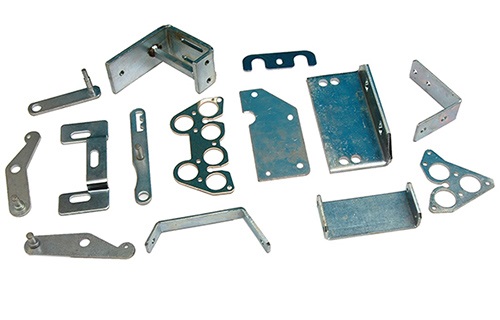
Prototyping follows design. We often 3D-print a plastic or metal prototype to check fit and function. A recent automotive client wanted a custom exhaust manifold bracket. Our prototype showed a small gap between the bracket and the manifold. We fixed it in the CAD model before full production. That saved the client $10,000 in rework costs.
Cutting and Shaping
Once the design is finalized, raw metal is cut into precise shapes. The method depends on the metal’s thickness and type.
| Method | Best For | Key Advantage |
|---|---|---|
| Laser cutting | Thin metals (up to 1 inch) | Minimal post-processing |
| Plasma cutting | Thick metals (1–6 inches) | Fast, cost-effective |
| Waterjet cutting | Heat-sensitive metals (titanium) | No heat warping |
After cutting, metals are shaped using press brakes for bending or rolling for curved parts like pipes. A key tip from our shop: always account for springback. Metal tends to return to its original shape after bending. For 16-gauge steel, we over-bend by 2 to 3 degrees to hit the exact angle.
Welding and Assembly
Welding joins metal parts using heat. The wrong method can lead to weak joints or failure.
| Technique | Best For | Advantages | Disadvantages |
|---|---|---|---|
| MIG Welding | Thick metals (steel, aluminum) | Fast, easy to learn | Not ideal for thin metals |
| TIG Welding | Thin metals (titanium, stainless) | Precise, high-quality joints | Slow, requires skilled operators |
| Arc Welding | Heavy-duty steel (construction) | Low cost, works outdoors | Creates spatter, needs cleanup |
After welding, parts are assembled. This often includes adding fasteners or finishing touches like grinding to smooth edges. For a recent steel storage tank project, we used TIG welding on the seams to prevent leaks. We also added a zinc coating through galvanization. That extended the tank’s lifespan from 5 years to 20 years.
Essential Materials in Metal Fabrication Engineering
The choice of metal defines a product’s strength, weight, and cost.
Steel
Steel is the workhorse of fabrication. It offers high strength at low cost.
- Carbon steel: Contains 0.05–2.0% carbon. Used for structural beams, frames, and machinery. Carbon steel makes up about 75% of all steel produced globally.
- Stainless steel: Contains at least 10.5% chromium to resist corrosion. Ideal for food processing equipment, medical tools, and outdoor structures. For a restaurant kitchen hood, we used 304 stainless steel. It resisted grease and moisture even with daily cleaning.
Aluminum
Aluminum weighs about one-third as much as steel. It also resists corrosion well. These traits make it perfect for aerospace, automotive, and consumer goods. However, it is softer than steel and requires special welding techniques like TIG welding to avoid cracking. For a drone manufacturer, we fabricated frames from 6061 aluminum, a high-strength alloy. It kept the drone light while supporting the camera and battery.
Titanium
Titanium is strong, lightweight, and biocompatible. That means it is safe for use inside the human body. But it is expensive—roughly $30 per pound compared to $0.50 per pound for carbon steel. It appears in high-end applications like jet engine parts and hip replacements. For an orthopedic client, we made a titanium bone plate. We used waterjet cutting to avoid heat damage and TIG welding with pure argon gas to prevent contamination.
Where Metal Fabrication Engineering Makes an Impact
Construction
From skyscrapers to bridges, construction depends on fabricated steel. The Burj Khalifa, the tallest building in the world, uses over 330,000 tons of fabricated steel in its frame. On a smaller scale, we once fabricated steel trusses for a shopping mall roof. We calculated the load capacity to support snow in winter and heavy HVAC equipment. The roof was designed to stay safe for over 50 years.
Aerospace and Defense
Aerospace demands precision. Even a tiny flaw in a metal part can cause disaster. Engineers here work on jet engine casings, wing spars, and missile components. One challenge we faced was a titanium fuel line for a military jet. The line had to bend at a 45-degree angle without cracking. We used rotary draw bending and tested the line at 5,000 psi, twice the normal operating pressure. It passed with no leaks.
Medical Devices
Medical devices must be biocompatible and easy to sterilize. Fabricated parts include surgical tools, implantable devices like pacemaker casings, and hospital equipment. For a client making surgical scalpels, we used 440C stainless steel, a high-hardness alloy. We added a sharpened edge through precision grinding. We also tested the scalpels for corrosion resistance. They had to survive over 1,000 autoclave cycles—high-pressure steam cleaning—without rusting.
Challenges and Solutions
Even experienced engineers face problems. Here are three common ones and how we solve them.
Material Waste
Cutting raw metal often leaves scrap, which drives up costs. One client ordered 100 steel brackets. Our initial cutting plan generated 20% scrap, wasting $500 in material. We used nesting software to arrange parts on the metal sheet more efficiently. The revised plan reduced scrap to 5%, saving the client $375.
Precision Errors
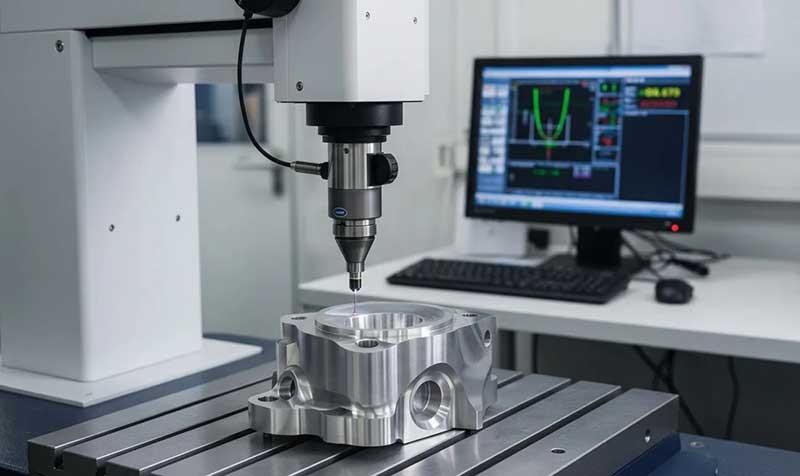
A small mistake, like a 1mm error in a hole’s position, can ruin a part. We avoid this with computer numerical control (CNC) machines. These automated tools follow CAD designs with accuracy up to 0.001 inches. For an aluminum gear project, we used a CNC mill to drill holes and cut teeth. Every gear was identical and fit perfectly with the client’s machinery.
Welding Defects
Welds can have flaws like cracks or porosity—tiny holes that weaken joints. Our solution is to train welders to follow AWS (American Welding Society) standards. We also use non-destructive testing (NDT) methods like X-rays or ultrasonic testing to check welds. For a steel pressure vessel, we X-rayed every weld. We found one small crack, repaired it, and the vessel passed its pressure test without issues.
Future Trends in Metal Fabrication Engineering
Automation and Robotics
More fabricators are using robots for repetitive tasks like welding and cutting. A robotic welding arm can work 24/7 without fatigue. It reduces errors and increases output. Our shop recently added a robotic laser cutter. It now cuts 500 parts per day, compared to 200 parts per day with a manual cutter.
Additive Manufacturing (3D Printing)
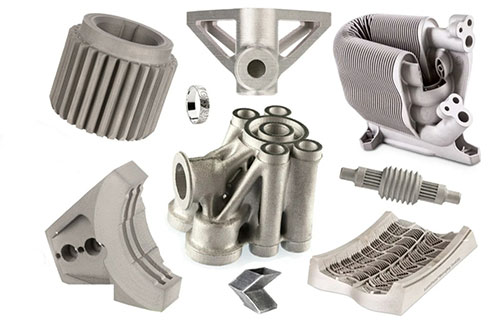
3D printing builds parts layer by layer using metal powder. This approach works well for complex shapes that are hard to make with traditional methods. We used 3D printing to create a custom aluminum bracket for a drone client. The bracket had a hollow interior to save weight—a design impossible with laser cutting.
Sustainable Practices
Fabricators are reducing waste and using eco-friendly materials. We now recycle 90% of our metal scrap, selling it to mills to make new metal. We also use waterjet cutting, which uses recycled water, instead of plasma cutting for certain projects. One client in the green energy sector asked us to use recycled steel for solar panel frames. We sourced the steel locally, cutting the project’s carbon footprint by 30%.
Conclusion
Metal fabrication engineering is the backbone of modern industry. Without it, we would not have safe buildings, reliable aircraft, or life-saving medical devices. What sets successful fabrication apart is the balance between technical precision and customer focus. It is not enough to make a part that is strong. You must make it right for the client’s unique needs. Investing in advanced tools like CNC machines and skilled engineers is not just a cost. It is a way to deliver value that basic fabricators cannot match. As the industry moves toward automation and sustainability, staying ahead of the curve means helping clients build products that are safer, more durable, and better for the planet.
FAQ: Common Questions About Metal Fabrication Engineering
How long does a typical metal fabrication engineering project take?
It depends on complexity. A simple bracket might take 1 to 2 weeks from design to production. A large structural project, like a steel frame for a building, could take 2 to 6 months. Material availability and testing requirements also affect timelines.
What is the difference between metal fabrication engineering and machining?
Machining removes material from a solid block, like drilling a hole in a steel bar. Fabrication builds parts by joining or shaping multiple metal pieces, like welding two tubes to make a frame. Fabrication works best for large or custom structures. Machining is ideal for small, precise parts.
How much does metal fabrication engineering cost?
Costs vary by material and complexity. A simple steel bracket might cost $50 to $200. A custom titanium aerospace part could cost $1,000 to $10,000. To reduce costs, work with engineers early in the design phase. They can suggest material swaps, like aluminum instead of titanium, or design changes that simplify production.
What certifications should a metal fabrication engineer have?
Look for certifications like AWS Certified Welding Engineer (CWE) for welding expertise or SolidWorks Certified Professional for design skills. For companies, certifications like ISO 9001 for quality management ensure consistent, high-quality work.
Can metal fabrication engineering be used for small-scale projects like custom furniture?
Absolutely. While many people associate fabrication with large industrial projects, it is also great for custom items like steel tables, outdoor grills, or bike frames. Engineers can design parts that are both functional and visually appealing using materials like stainless steel or aluminum for durability.
Contact Yigu Technology for Custom Manufacturing
Choosing the right fabrication process is only half the battle. Turning that plan into a finished part requires precision, experience, and the right equipment. At Yigu Technology, we specialize in custom metal fabrication for clients across construction, aerospace, medical, and beyond. Our engineers work with you to select the best materials and processes for your application. We then produce parts that meet your exact specifications. Whether you need high-volume runs or complex prototypes, we have the capabilities to deliver. Contact us today to discuss your project.


