Introduction
You need a part. It has complex geometry, tight tolerances, and must perform reliably. Should it be milled? And if so, how do you ensure the process delivers what you need?
Milled parts are everywhere—from the aluminum housing of your smartphone to the titanium components in aircraft engines. Milling uses rotating cutting tools to remove material, creating shapes that other processes cannot achieve. It accounts for over 40% of the global precision parts market, with aerospace applications alone representing 62% of high-value milling work.
But choosing the right milling approach requires understanding process options, material considerations, design principles, and quality control. This guide walks you through everything you need to know—from basic concepts to practical selection tools.
What Are Milled Parts?
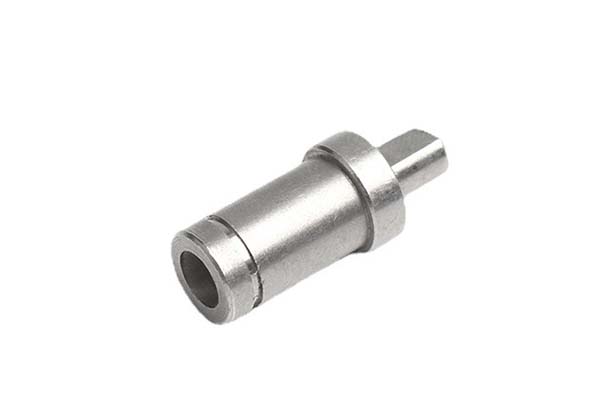
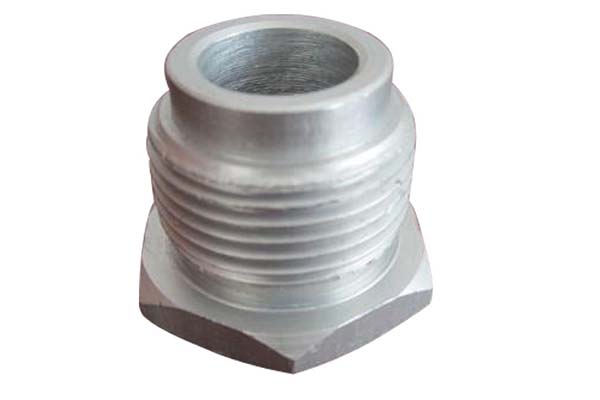
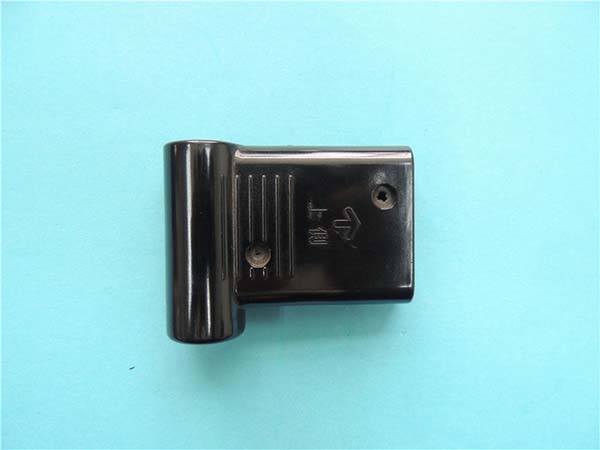
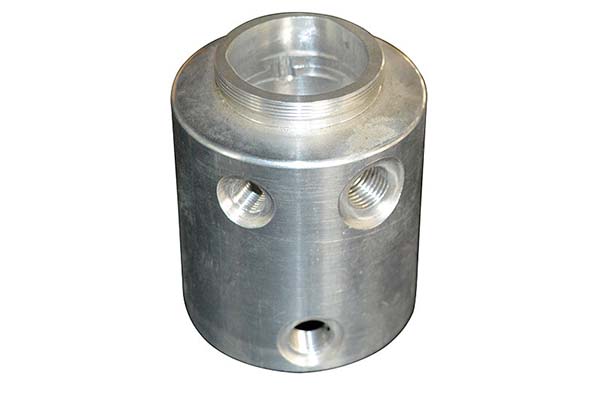
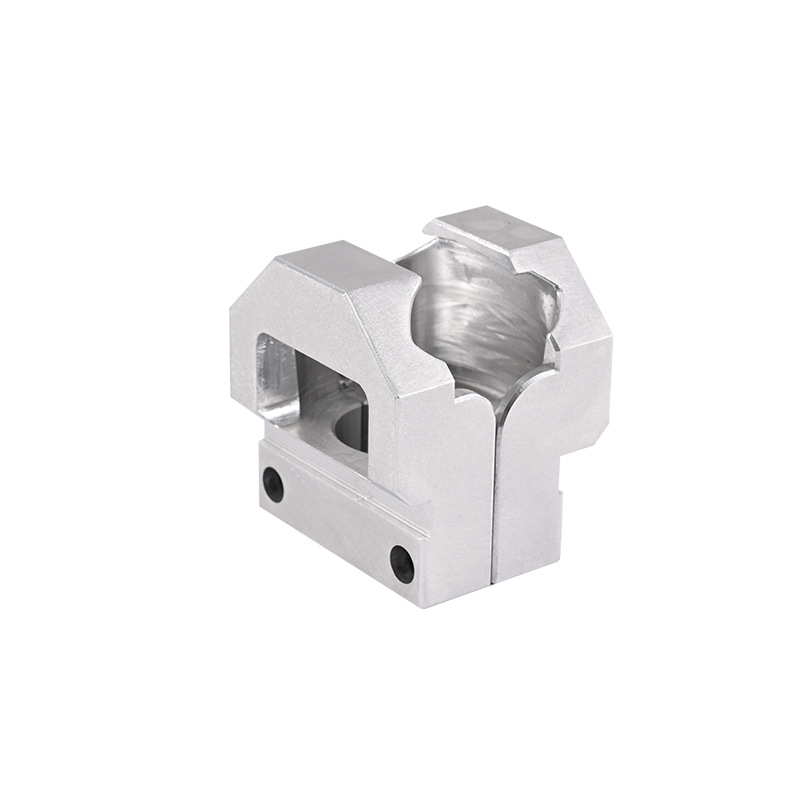
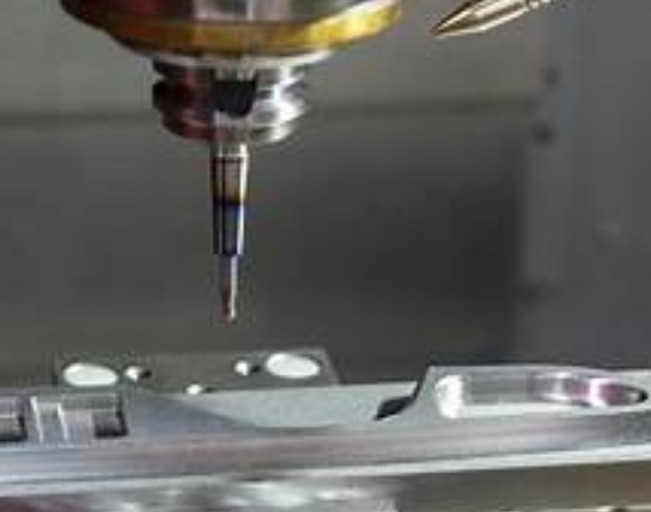
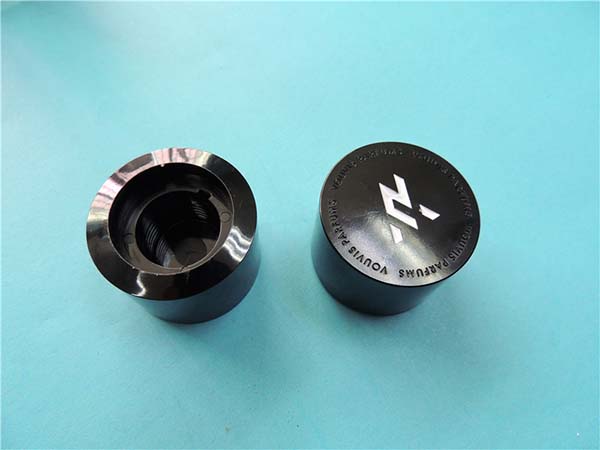
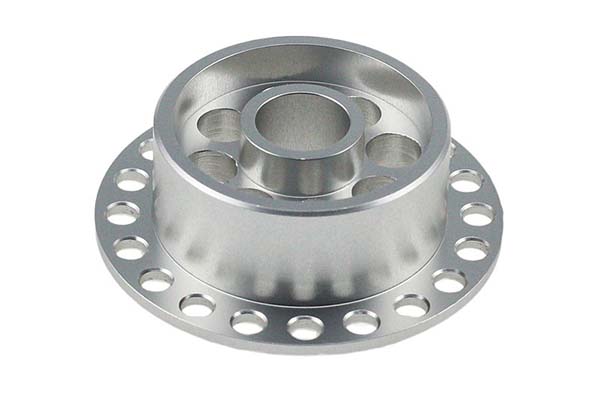
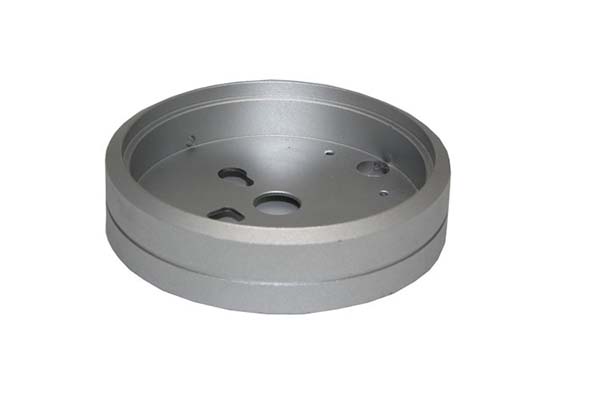
Before diving into selection, understand the core concept. Milled parts are components produced by removing excess material through the relative motion between a rotating cutting tool and a workpiece.
Core Principles
- Equipment: CNC milling machines control tool movement with high precision
- Process: Material is removed layer by layer to achieve final geometry
- Capability: Complex curved surfaces, precise hole locations, and intricate features
Key Advantages
| Advantage | Why It Matters |
|---|---|
| Complex geometries | Parts with curved surfaces, pockets, undercuts become feasible |
| High precision | Tolerances down to ±0.001 mm |
| Material versatility | Metals, plastics, composites |
| Scalability | Prototypes to high-volume production |
What Milling Technologies Are Available?
Different applications demand different milling technologies. Choosing the right one avoids costly mistakes.
Comparison of Mainstream Milling Technologies
| Technology | Core Strengths | Accuracy Range | Typical Applications |
|---|---|---|---|
| High-speed milling | 30–50% higher efficiency; low surface roughness | ±0.005 mm | Mold processing, precision parts |
| Multi-axis milling | Complex structures in one setup; reduced clamping errors | ±0.003 mm | Aerospace parts, medical devices |
| Precision milling | Ultra-high precision for micro components | ±0.001 mm | Electronic components, medical implants |
Real-World Impact
Case: Automotive mold manufacturing
A mold factory switched to high-speed milling for injection molds. Result: lead time reduced by 40%.
Case: Aerospace blade manufacturing
A manufacturer adopted 5-axis milling for engine blades. Result: pass rate increased from 82% to 97% compared to conventional processes.
How Do Tools, Parameters, and Coolant Affect Results?
Success in milling depends on getting the details right.
Tool Selection
| Material | Recommended Tool | Notes |
|---|---|---|
| Stainless steel, titanium | Carbide tools | Wear resistance, heat tolerance |
| Plastics, composites | PCD tools | Clean cuts, reduced melting |
| Aluminum | Carbide with polished flutes | Prevents chip adhesion |
Rule of thumb: Tool diameter should match 1.2× the groove width for optimal chip evacuation.
Cutting Parameters (Aluminum Alloy Example)
| Parameter | Recommended Value |
|---|---|
| Spindle speed | 15,000 rpm |
| Feed rate | 500 mm/min |
| Depth of cut | 0.5 mm |
These values come from production standards in precision machining facilities.
Coolant Selection
| Material | Coolant Type | Benefit |
|---|---|---|
| High-strength steel | Oil-based coolant | Better heat dissipation |
| Aluminum | Emulsion | Reduces tool wear by 30%+ |
What Materials Are Commonly Milled?
Material selection directly impacts machinability, tool life, and final part performance.
Material Characteristics
| Material | Difficulty | Applications | Key Notes |
|---|---|---|---|
| Aluminum alloy | Low | Auto parts, electronics housings | Prone to built-up edge; optimize cutting speed |
| Stainless steel | Medium–High | Medical devices, chemical equipment | Poor heat dissipation; use cobalt-containing tools |
| Titanium alloy | High | Aerospace, military | High hardness; low speed, high feed |
| Composites | Medium | New energy components, high-end equipment | Prone to delamination; specialized tools required |
Industry Application Cases
Aerospace: Landing Gear Supports
Multi-axis milling of titanium alloy supports reduced weight by 25% while increasing strength by 18%—all achieved through complex structure formation in a single setup.
Medical: Orthopedic Implants
Precision milling of stainless steel artificial joints achieved surface roughness below Ra 0.8 μm—meeting strict biocompatibility requirements.
Automotive: EV Motor Housings
High-speed milling of aluminum alloy housings reduced machining time per piece from 12 minutes to 7 minutes in mass production.
What Design Principles Ensure Machinability?
Design choices made early determine whether parts can be machined efficiently.
Design for Machinability Guidelines
| Principle | Recommendation | Why |
|---|---|---|
| Internal corner radius | ≥1.5× tool radius | Avoids stress concentrations, allows tool access |
| Deep cavities | Depth ≤5× diameter | Prevents tool deflection, vibration |
| Tolerance selection | IT7–IT8 for precision; IT9–IT10 for general | Matches capability to requirements |
| CAD/CAM programming | Mastercam or UG; adaptive milling for complex surfaces | Reduces tool vibration, improves surface finish |
How Is Quality Controlled in Milling?
Quality control ensures parts meet specifications consistently.
Core Quality Links
| Control Point | Method | Standard |
|---|---|---|
| Dimensional accuracy | CMM inspection | 100% coverage for critical dimensions; 30+ parts per batch sampling |
| Surface roughness | Profilometer | Ra ≤1.6 μm for precision parts |
| Deformation prevention | Two-end clamping + intermediate support | Residual stress ≤80 MPa (industry standard) |
| Non-destructive testing | Ultrasonic testing | Sensitivity ≥0.8 mm equivalent defects (critical parts) |
How Do You Choose Between Milling and Other Processes?
Understanding trade-offs helps you select the right manufacturing method.
Process Comparison
| Process | Cost Level | Lead Time | Batch Suitability | Complex Geometry Capability |
|---|---|---|---|---|
| Milling | Medium | Short–Medium | Small–Large | Strong |
| Turning | Low | Short | Large volumes | Weak (rotary bodies only) |
| Additive manufacturing | High | Long | Small batches | Strong |
| Milling + additive | Medium–High | Medium | Small–Medium | Extremely strong |
How Do You Select a Supplier and Optimize Costs?
Choosing the right partner is as important as choosing the right process.
Supplier Evaluation Dimensions
| Dimension | What to Look For |
|---|---|
| Equipment accuracy | CNC positioning accuracy ≥0.005 mm |
| Industry experience | 3+ years in your sector |
| Quality system | ISO 9001 + IATF 16949 for automotive |
Cost Optimization Tips
| Scenario | Strategy |
|---|---|
| Low-volume production | Prototyping + batch milling combination |
| High-volume production | Optimize process parameters (e.g., high-speed milling) to reduce unit cost |
| Lead time requirements | Standard parts: 7–15 days; complex parts: 15–30 days; rush orders: look for 24/7 operations |
Conclusion
Choosing the right milled parts approach requires balancing process capability, material characteristics, design principles, and quality requirements. High-speed milling delivers efficiency for molds and production runs. Multi-axis milling enables complex geometries for aerospace and medical applications. Precision milling achieves the tightest tolerances for micro components.
The decision framework is straightforward:
- Match the milling technology to your part complexity and precision needs
- Select materials based on application requirements and machinability
- Apply design for manufacturability principles to avoid costly issues
- Implement quality control measures appropriate to your industry
- Choose suppliers with relevant experience and certifications
In an era of rapid technological change, prioritize "process adaptation + material matching + quality control" over simply chasing the lowest price. For complex structures, consider hybrid approaches like additive manufacturing plus milling post-processing to break through capability barriers.
FAQs
How do I distinguish between milled parts and turned parts?
Milling is suitable for non-rotating bodies and complex curved surfaces—brackets, housings, molds. The tool rotates; the workpiece is stationary. Turning is suitable for rotary bodies—shafts, sleeves, bushings. The workpiece rotates; the tool is stationary.
Why is titanium alloy milling difficult?
Titanium alloy has high hardness (HRC 30–40) and low thermal conductivity (only 1/5 that of steel). Heat builds up at the cutting zone, causing rapid tool wear. Solutions: use specialized carbide tools, maintain low cutting speeds, and use high feed rates to keep the tool cutting rather than rubbing.
What surface roughness can precision milling achieve?
Standard precision milling achieves Ra ≤1.6 μm. Ultra-precision milling reaches Ra ≤0.8 μm. Combined with polishing processes, Ra ≤0.4 μm is achievable for critical surfaces.
How can I control costs for small-batch custom milled parts?
Optimize design to reduce complex features. Choose standard tool diameters. Batch orders together. Negotiate shared process plans with suppliers. These strategies can reduce costs by 15–20% compared to individual one-off orders.
What is the main cause of milling deformation?
Three core causes: excessive cutting force, residual stress release, and improper clamping methods. Solutions: optimize cutting parameters, add stress-relief processes, and improve fixturing designs.
Contact Yigu Technology for Custom Manufacturing
At Yigu Technology, we specialize in precision milled parts for aerospace, medical, automotive, and industrial applications. With 15 years of experience, advanced 5-axis CNC machining, and ISO 9001 certification, we deliver components that meet the tightest tolerances.
Our approach combines the right milling technology—high-speed, multi-axis, or precision—with optimized parameters and rigorous quality control. Whether you need complex titanium aerospace components or high-volume aluminum housings, we have the expertise to deliver. Contact us today to discuss your milling project.