Introduction
You have a product idea. It is innovative, has market potential, and you are ready to move forward. But turning that idea into a successful product requires more than inspiration—it requires a tangible prototype. Prototype-developing companies specialize in creating first-version models used to test and validate concepts before full-scale production. They act as the bridge between idea generation and mass production. This guide explores how collaborating with these companies delivers cost-efficiency, time savings, technical expertise, and risk mitigation.
What Are Prototype-Developing Companies?
A prototype-developing company specializes in creating first-version models of products to test and validate concepts before full-scale production.
In early product development stages, ideas are often concepts on paper or in a designer’s mind. These companies take abstract ideas and turn them into tangible, physical models. For a startup with an innovative smartwatch idea—advanced health sensors, unique user interface, long-lasting battery—a prototype makes it possible to visualize how features work together and test technical feasibility.
These companies have diverse skills and resources: engineers for technical aspects (materials, functionality, mechanical/electrical engineering), designers for aesthetics and user experience, and technicians who use advanced manufacturing techniques (3D printing, CNC machining) to bring designs to life.
According to McKinsey, about 80% of products that skip proper prototype-testing phases end up with significant design flaws or production issues—leading to costly recalls or low market acceptance. Investing in high-quality prototypes identifies and fixes issues early, saving time and money.
What Are the Benefits of Collaborating with Prototype-Developing Companies?
Cost-Efficiency
Developing prototypes in-house can be extremely costly. A Deloitte study found that companies developing prototypes internally spend 30–50% more than those outsourcing to professional prototype-developing companies. In-house development requires building or maintaining expert teams, purchasing expensive equipment, and covering high R&D overhead.
A medium-sized electronics company developing a new wireless earbud prototype estimated in-house costs at $200,000 (equipment, engineers, materials). Partnering with a prototype-developing company, they completed the prototype for $80,000—significant cost savings.
Time-Saving
Time is critical. A PwC report found that average in-house prototype development takes 6–9 months for moderately complex products. Collaborating with professional prototype-developing companies reduces this to 3–4 months. Streamlined processes, pre-existing infrastructure, and experienced teams quickly turn ideas into tangible prototypes.
A startup developing a new fitness tracking device received their first-round prototype in 3 months by outsourcing. In-house development was estimated at 8 months—delaying market entry behind competitors.
Technical Expertise
Prototype-developing companies are staffed with professionals with in-depth knowledge across multiple technical areas:
- Manufacturing techniques: 3D printing, CNC machining, injection molding
- Materials science: Selecting suitable materials balancing cost, durability, functionality
- Engineering: Mechanical, electrical, and software integration
For a medical device prototype, engineers suggested a new biocompatible material that met safety requirements and improved performance—technical know-how often difficult for a single company to possess in-house, especially for SMEs.
Risk Mitigation
Significant advantage: risk mitigation. A consumer goods company launching a new kitchen appliance identified several design flaws during prototype testing with a prototype-developing company. Flaws, if not caught early, could have led to product failures, recalls, and significant financial losses.
The prototype-developing company conducted comprehensive stress tests, usability tests, and safety checks. The consumer goods company made necessary design improvements before mass production—greatly reducing risk of product-related issues in the market.
How Do You Choose the Right Prototype-Developing Company?
When choosing, consider:
- Industry experience: Look at portfolio for similar projects
- Technical capabilities: Manufacturing techniques they are proficient in
- Reputation: Client reviews, testimonials
- Communication skills: How well they understand and execute requirements
What Should Be Included in a Prototype Development Contract?
A comprehensive contract should include:
- Scope of work: Prototype appearance, functions, specific requirements
- Timeline: Delivery milestones
- Payment terms: Total cost, payment schedule, milestones
- Intellectual property rights: Who owns rights to prototype and associated designs
- Liability clauses: Responsibility for damages or issues during development
Can a Prototype-Developing Company Help with Post-Prototype Improvements?
Yes. Many companies assist with post-prototype improvements:
- Analyze performance: Identify areas for improvement
- Implement changes: Necessary modifications
- Conduct further testing: Stress tests, usability tests to ensure product meets standards before mass production
How Does Yigu Technology Approach Prototype Development?
As a non-standard plastic and metal products custom supplier, Yigu Technology provides comprehensive prototype development services.
We Focus on Precise Material Selection
We consider intended use, environmental conditions, cost-effectiveness:
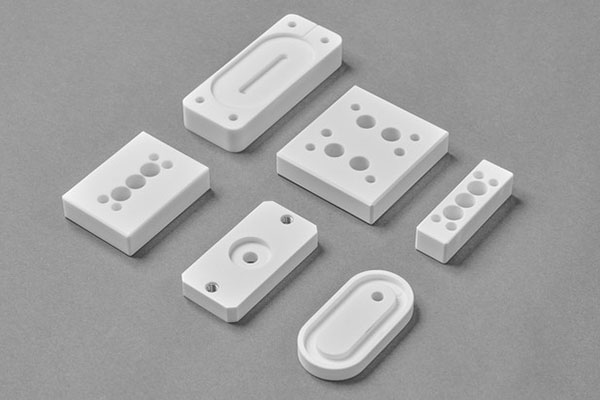
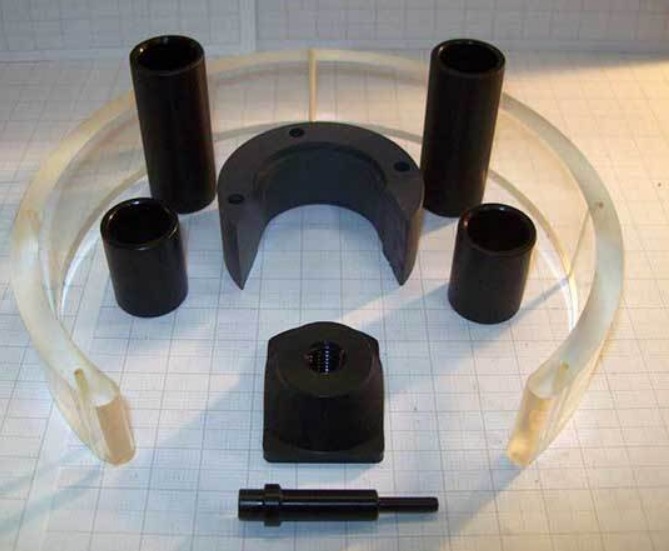
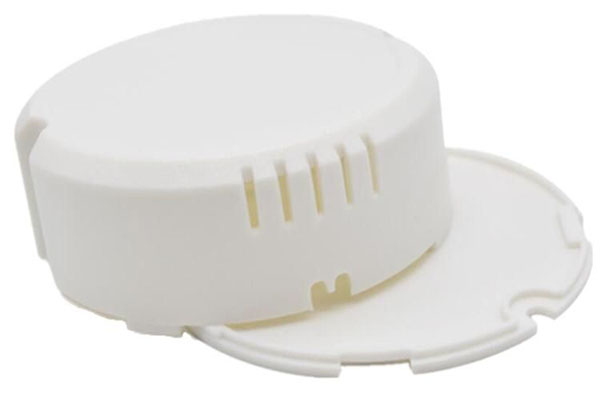
- Plastics: ABS (strength, heat resistance), PVC, PC—each with specific properties for different applications
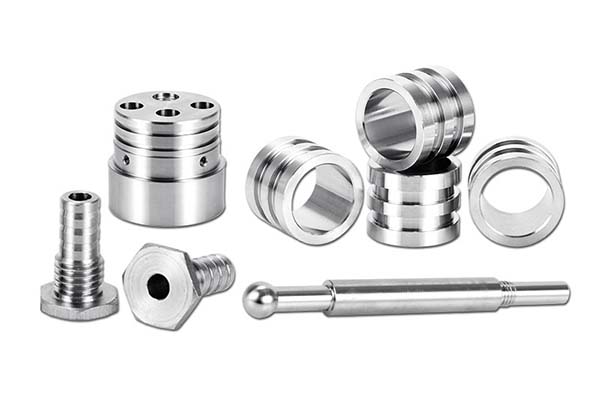
- Metals: Aluminum (lightweight, corrosion resistance—aerospace, automotive), stainless steel (strength, durability)
We Innovate in Manufacturing Processes
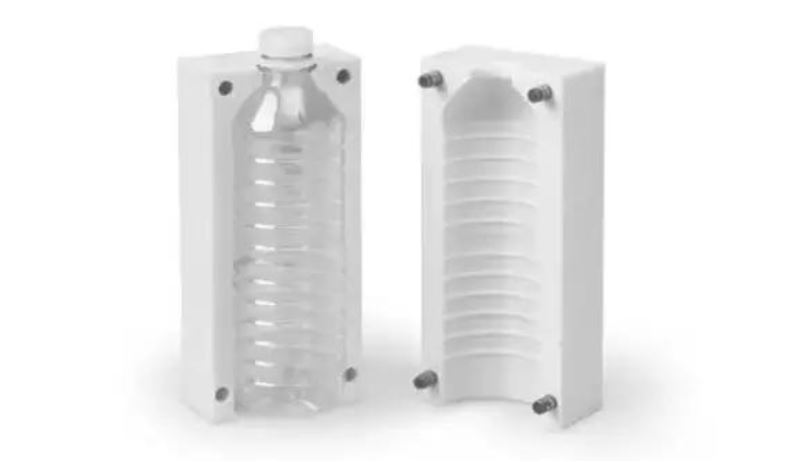
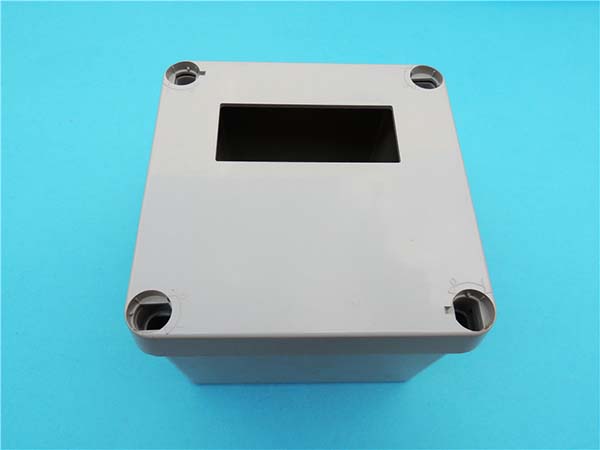
- Precision injection molding: Highly detailed plastic prototypes with tight tolerances
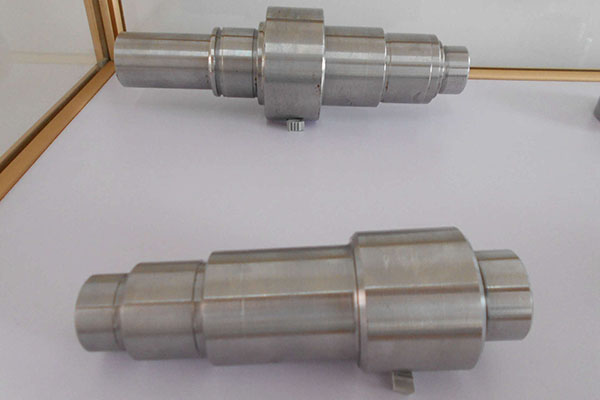
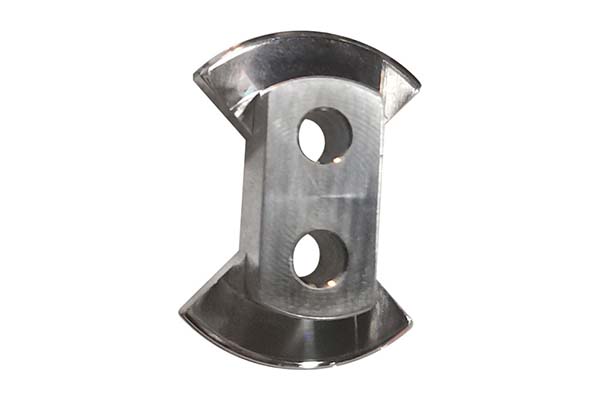
- State-of-the-art CNC machining: Accuracy for complex metal parts
We Provide Customized Solutions
Whether small-batch production for testing new concepts or large-scale production after validation, we tailor solutions to meet specific requirements.
Conclusion
Prototype-developing companies are essential partners in product development. They deliver cost-efficiency (30–50% savings), time savings (reducing development from 6–9 months to 3–4 months), technical expertise across manufacturing techniques and materials, and risk mitigation by identifying flaws early. By choosing the right partner and leveraging their skills, companies transform ideas into successful products faster, with lower risk and reduced costs.
Frequently Asked Questions
How do I choose the right prototype-developing company?
Consider industry experience—look at portfolio for similar projects. Technical capabilities—manufacturing techniques they are proficient in. Reputation—client reviews, testimonials. Communication skills—how well they understand and execute requirements.
What should be included in a prototype development contract?
Include scope of work (prototype appearance, functions, requirements), timeline (delivery milestones), payment terms (total cost, schedule, milestones), intellectual property rights (ownership of prototype and designs), and liability clauses (responsibility for damages or issues).
Can a prototype-developing company help with post-prototype improvements?
Yes. Many assist with analyzing performance to identify improvements, implementing changes, and conducting further testing (stress tests, usability tests) to ensure product meets standards before mass production.
How much can outsourcing prototype development save?
A Deloitte study found companies developing prototypes internally spend 30–50% more than those outsourcing. A medium-sized electronics company reduced prototype cost from $200,000 to $80,000—60% savings.
How much time can outsourcing save?
Average in-house prototype development takes 6–9 months for moderately complex products. Professional prototype-developing companies reduce this to 3–4 months—50% time savings. A startup reduced development from an estimated 8 months to 3 months, enabling earlier market entry.
Contact Yigu Technology for Custom Manufacturing
Ready to bring your product idea to life with a trusted prototype development partner? Yigu Technology offers 3D printing, CNC machining, and injection molding services. Our engineers guide you through design, material selection, and manufacturing processes. Contact us today to discuss your project.