Introduction
You spent weeks perfecting a design on your screen. Every curve looks right. Every dimension checks out in CAD. But the moment you hold a real part in your hand, something feels off. The fit is wrong. The material doesn't behave like you expected. The tolerance is off by a hair — but that hair kills your whole assembly.
This is the gap between digital design and physical reality. And it's where most product developers hit a wall.
Prototype CNC machining is the bridge across that gap. It turns your 3D models into real, functional parts — fast, accurate, and without the massive cost of full production tooling. Whether you're an indie inventor or an engineering team at a Fortune 500 company, this method has become the go-to standard for functional prototyping.
In this guide, I'll break down exactly why prototype CNC machining matters. I'll cover speed, cost, precision, materials, and how to pick the right shop. You'll walk away with a clear plan — not just theory.
What Is Prototype CNC Machining?
Let's start with the basics. No jargon overload. Just clarity.
The Simple Definition
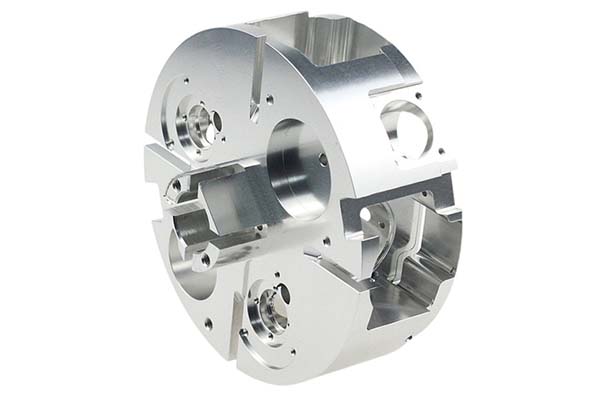
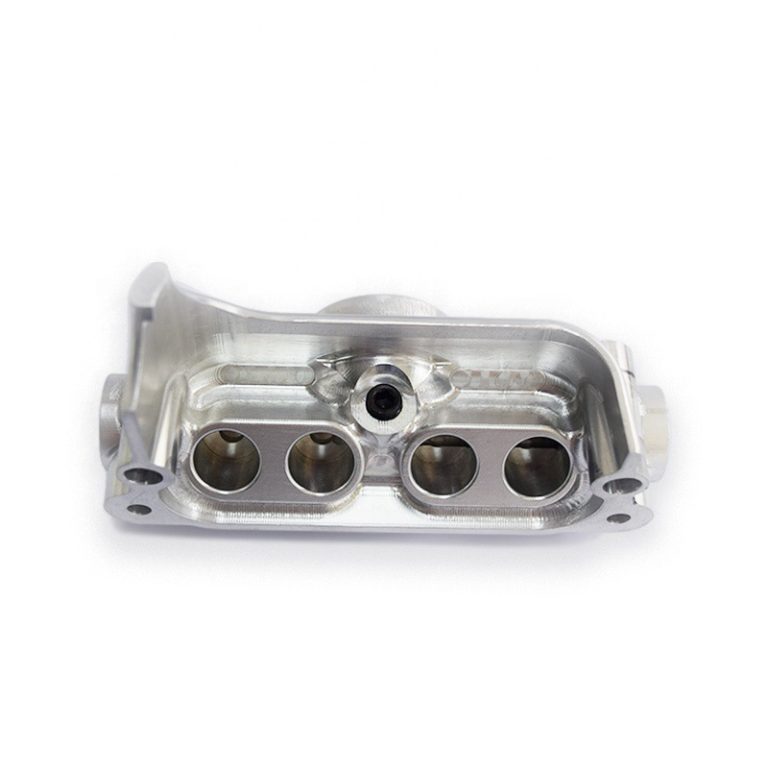
Prototype CNC machining uses computer-controlled cutting tools to remove material from a solid block. That block can be metal or plastic. The result? A real part that matches your digital design.
Think of it as 3D printing's more precise older sibling. But instead of building up layer by layer, CNC cuts away what you don't need. That subtraction process gives it a big edge in strength and accuracy.
Prototype vs. Production CNC
These are not the same thing. Here's how they differ:
| Feature | Prototype CNC | Production CNC |
|---|---|---|
| Volume | 1–100 parts | 100–100,000+ parts |
| Lead Time | 1–7 days | 2–8 weeks |
| Tooling Cost | None or minimal | High (custom fixtures, molds) |
| Tolerance Focus | Tight, but flexible | Ultra-tight, repeatable |
| Setup Time | Fast, low-cost | Optimized for speed at scale |
| Primary Goal | Validate design | Manufacture at scale |
The key takeaway? Prototype CNC is built for speed and flexibility. Production CNC is built for volume and repeatability. Mixing them up is a common mistake — and it costs you time and money.
Who Uses It?
Almost every hardware industry relies on this:
- Automotive: Engine brackets, intake manifolds, custom fittings
- Aerospace: Lightweight titanium brackets, duct components
- Medical: Surgical tool housings, implant prototypes
- Consumer Electronics: Aluminum enclosures, heat sinks, connectors
- Robotics: Custom arms, gear housings, motor mounts
If your product has moving parts, tight fits, or needs to handle real stress — prototype CNC machining is your best first step.
Why Speed Matters: Faster to Market
Time is the most expensive resource in product development. Every week you delay, your competitor gets closer.
Typical Lead Times Compared
Here's a real-world look at how long different methods take for a simple metal bracket:
| Method | Lead Time | Cost for 5 Parts |
|---|---|---|
| Prototype CNC Machining | 1–3 days | 150–500 |
| 3D Printing (SLA/SLS) | 2–5 days | 200–600 |
| Injection Molding | 4–8 weeks | 5,000–15,000 |
| Sheet Metal Fabrication | 5–10 days | 300–800 |
Prototype CNC wins on speed for metal parts. It's not even close for most use cases.
Real Case: From Idea to Test in 4 Days
A robotics startup I worked with needed a custom aluminum motor mount. Their first 3D-printed version cracked under load. They switched to prototype CNC machining. They got the part in 3 days. It passed every stress test. They iterated twice more in under a week. Total time from concept to validated part: 4 days.
That kind of speed isn't luck. It's the process.
Cost Efficiency Without Compromise
Let's talk money. Because "prototype" doesn't mean "cheap." But it does mean smart.
No Tooling Costs — That's Huge
With injection molding, you pay 5K–50K for molds before you make a single part. With prototype CNC machining, you pay only for the material and machine time. No molds. No fixtures. No setup fees that make you wince.
For 1 to 50 parts, CNC prototyping is almost always cheaper than molding. Here's a quick cost comparison:
| Parts Needed | CNC Prototyping | Injection Molding |
|---|---|---|
| 1–10 | 100–800 | 5,000–20,000 |
| 10–50 | 500–3,000 | 3,000–10,000 |
| 50–100 | 1,000–5,000 | 2,000–7,000 |
| 100+ | $2,000+ | 1,500–5,000 |
Molding wins at volume. CNC wins at low volume. Simple math.
When CNC Beats 3D Printing on Cost
3D printing looks cheap at first. But for functional metal parts, it often isn't.
- Metal 3D printing (DMLS/SLM) costs 500–2,000+ per part
- Prototype CNC machining for the same part: 100–600
- 3D-printed metal parts also need post-processing (heat treatment, support removal) — that adds cost and time
For aluminum, steel, brass, and titanium, CNC is almost always the better value for prototypes.
Production-Grade Precision in Prototypes
This is where CNC really shines. And where most other methods fall short.
Tolerance Capabilities
A good CNC machine shop can hold these tolerances on prototypes:
| Tolerance Level | Measurement | Best For |
|---|---|---|
| Standard | ±0.005" (±0.13mm) | Most functional prototypes |
| Tight | ±0.002" (±0.05mm) | Fitting parts, assemblies |
| Precision | ±0.001" (±0.025mm) | Aerospace, medical, optics |
That's thinner than a human hair in many cases. And it's repeatable — part after part.
Surface Finish Options
Surface finish matters more than people think. A rough part can fail a fit test. It can leak. It can look unprofessional to investors.
Common CNC surface finishes:
- Ra 32 — Standard machined look (most common for prototypes)
- Ra 16 — Smoother, good for sliding parts
- Ra 8 — Very smooth, near-production quality
- Ra 4 or better — Mirror-like, for seals and optical parts
You choose the finish based on your test needs. No guesswork.
Why Accuracy Matters for Testing
If your prototype is off by even 0.01", your fit, form, and function tests give you false data. You might think a design works — when it actually doesn't. Or you might kill a good design because the prototype was bad.
Prototype CNC machining gives you real data. That's worth more than any cost saving.
Material Freedom: Test with Real Stuff
A prototype in PLA plastic tells you almost nothing about how your product will perform in the real world. You need real engineering materials.
Top Metals for CNC Prototypes
| Material | Strength | Weight | Best Use Case |
|---|---|---|---|
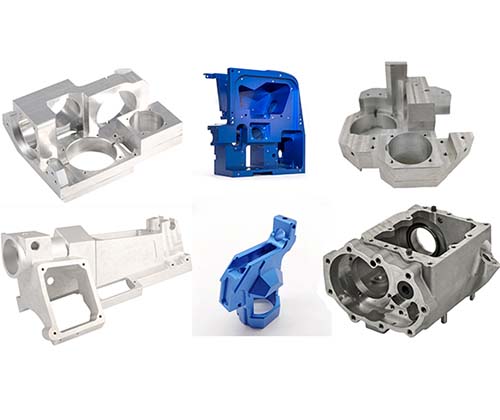
| Aluminum 6061 | Medium | Light | Enclosures, brackets, general purpose |
| Aluminum 7075 | High | Light | Aerospace, high-stress parts |
| Steel 304 | High | Heavy | Industrial, food-grade, corrosion resistant |
| Steel 4140 | Very High | Heavy | Gears, shafts, heavy loads |
| Titanium Ti-6Al-4V | Very High | Very Light | Aerospace, medical implants |
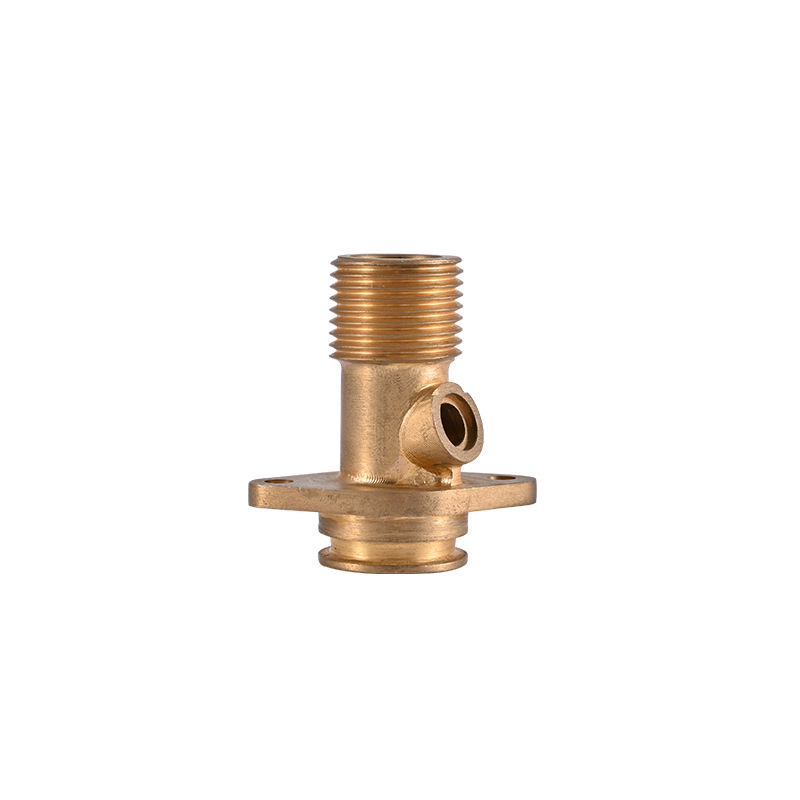
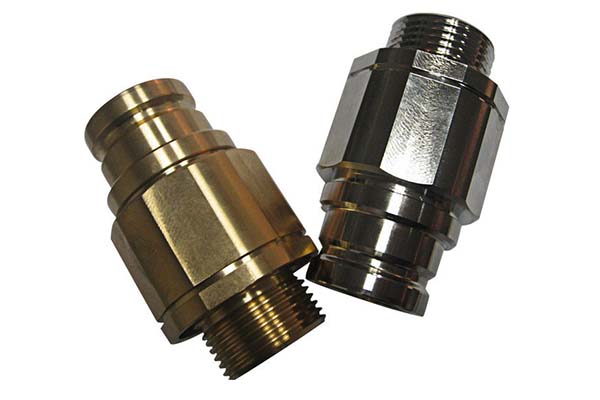
| Brass 360 | Medium | Medium | Fittings, electrical connectors |
| Copper | Medium | Heavy | Heat sinks, electrical parts |
Top Engineering Plastics
| Material | Key Property | Best Use Case |
|---|---|---|
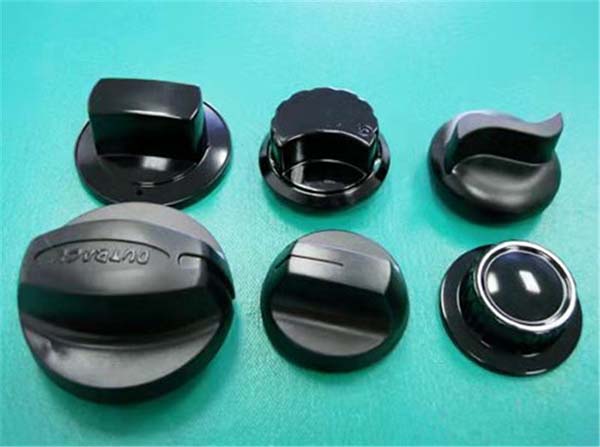
| ABS | Tough, easy to machine | Housing, consumer products |
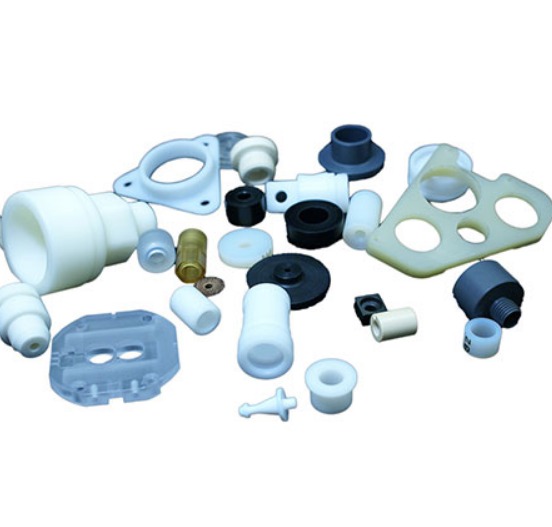
| Nylon (PA6/PA66) | Wear-resistant, flexible | Gears, bushings, sliding parts |
| PEEK | Extreme heat & chemical resistance | Aerospace, medical, oil & gas |
| Delrin (POM) | Low friction, stiff | Precision gears, clips |
| Polycarbonate | Transparent, impact-resistant | Covers, lenses, safety shields |
Material Choice Changes Everything
I once saw a team test a snap-fit connector in ABS plastic. It passed. Then they switched to the final production material — polycarbonate. The snap fit broke. The whole design had to change.
Always prototype in your final material — or the closest match. CNC machining lets you do that. 3D printing often can't.
Design Flexibility and Fast Iteration
The best prototypes aren't perfect on the first try. They get better through fast, cheap iterations.
No Sunk Costs on Tooling
With molds, every design change costs 2K–10K to re-tool. With prototype CNC machining, you just send a new CAD file. The shop cuts the new part. Done.
This means you can:
- Test 3–5 design versions in a single week
- Change wall thickness, hole positions, or fillets overnight
- Get real user feedback before committing to production tooling
The Feedback Loop That Saves Projects
Here's the ideal prototyping workflow:
- Design in CAD
- Machine the part (1–3 days)
- Test fit, form, and function
- Modify the CAD file
- Repeat steps 2–4 until it's right
- Lock the design for production
Each loop takes days, not weeks. That's the power of rapid CNC prototyping.
CAD File Tips for CNC Prototypes
Prep your files right and you'll save time and money:
- Use STEP or IGES formats (most shops prefer these over STL)
- Add chamfers to sharp edges (reduces tool wear and cost)
- Avoid deep narrow pockets (harder to machine, higher cost)
- Specify tolerances only where needed (tight tolerances everywhere = higher cost)
- Include a drawing with critical dimensions clearly marked
Choosing the Right CNC Prototype Partner
Not all machine shops are the same. And this choice can make or break your project.
What to Look For
| Factor | Why It Matters |
|---|---|
| Fast turnaround | You need parts in days, not weeks |
| DFM support | They catch design issues before you pay for them |
| Material expertise | They help you pick the right material for your test |
| Transparent pricing | No surprises on the quote |
| Communication | They speak your language — not just machine-shop jargon |
Red Flags to Avoid
- 🚩 Shop charges production setup fees for 1–5 parts
- 🚩 They push you toward molding when you only need 10 parts
- 🚩 No DFM review — they just run your file as-is
- 🚩 Quote takes more than 24 hours for a simple part
- 🚩 They can't explain tolerance options clearly
The DFM Advantage
A good shop will review your CAD file and say: "This wall is too thin — it'll flex. Make it 2mm instead." Or: "This internal corner can't be machined — add a radius here."
That kind of Design for Manufacturing (DFM) feedback saves you from costly mistakes. It's worth more than the machining itself.
Conclusion
Prototype CNC machining is not a luxury. It's a necessity for any serious product development process. It gives you real parts, real materials, and real data — in days, not months.
You get production-grade precision without production-level costs. You can iterate fast without sunk tooling expenses. And you can test with the same materials your final product will use.
The teams that move fastest aren't always the biggest. They're the ones that use the right tools at the right time. Prototype CNC machining is that tool.
If you're ready to stop guessing and start testing with real parts — it's time to find the right CNC partner and get cutting.
FAQ
What is the typical turnaround for prototype CNC machining?
Most shops deliver in 1–5 business days. Complex parts may take up to 7 days. Rush options can go as fast as 24–48 hours.
How much does a CNC prototype cost?
Simple parts start around 50–150. Complex metal parts range from 200–2,000+. It depends on material, size, tolerances, and quantity.
Is CNC machining better than 3D printing for prototypes?
For metal parts and high-precision plastic parts — yes, CNC is usually better. 3D printing wins for very complex geometries or very large parts. For most functional prototypes, CNC gives better accuracy, strength, and surface finish.
What materials can be CNC machined for prototypes?
Almost any machinable material: aluminum, steel, titanium, brass, copper, ABS, nylon, PEEK, Delrin, polycarbonate, and more.
Can I get production-quality tolerances on a prototype?
Yes. Standard prototype tolerances are ±0.005". Many shops can do ±0.001" or tighter for precision applications.
How many design iterations can I do with CNC prototyping?
As many as you need. Each new iteration is just a new CAD file. There's no tooling cost to restart. Most teams do 3–5 iterations before locking the design.
Contact Yigu Technology for Custom Manufacturing
Need prototype CNC machining that's fast, precise, and priced right? Yigu Technology specializes in custom CNC parts for product development — from 1 piece to 10,000.
✅ 1–5 day turnaround on most prototypes
✅ Full DFM review with every quote
✅ Metals & engineering plastics in stock
✅ Transparent pricing — no hidden fees
📩 Get your free quote today → Contact Yigu Technology
Let's turn your design into a real, testable part — fast.