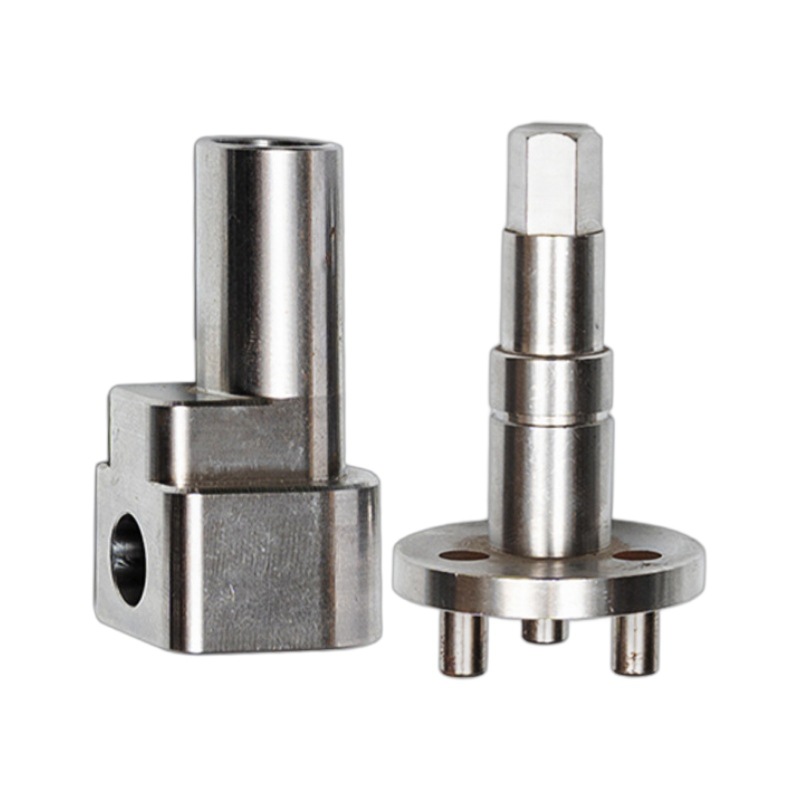
What Are the Benefits of Choosing a CNC Machining Service for Your Manufacturing Needs?
Introduction CNC (Computer Numerical Control) machining has revolutionized modern manufacturing, offering precision, efficiency, and versatility. CNC machining services are crucial for producing complex parts with high accuracy, making them an essential tool in industries such as automotive, aerospace, medical, and electronics. With the growing demand for high-quality, cost-effective components, understanding the key benefits and considerations […]
CNC (Computer Numerical Control) machining has revolutionized modern manufacturing, offering precision, efficiency, and versatility. CNC machining services are crucial for producing complex parts with high accuracy, making them an essential tool in industries such as automotive, aerospace, medical, and electronics. With the growing demand for high-quality, cost-effective components, understanding the key benefits and considerations of choosing a CNC machining service is essential for any business looking to optimize its production processes. This guide explores the advantages of CNC machining, the key considerations when selecting a service provider, and real-world case studies that demonstrate its impact.
What Is CNC Machining and How Does It Work?
CNC machining refers to the process of using computerized controls to operate machine tools—mills, lathes, routers—to create precise parts based on programmed designs. This technology automates cutting tool movements, allowing for high precision and repeatability. Unlike traditional manual machining, CNC machining eliminates much of the human error, producing consistent and accurate parts on each run.
Process Steps
Step
Description
Design
3D model created using CAD (Computer-Aided Design) software
Programming
Design converted into instructions using CAM (Computer-Aided Manufacturing) software
Workpiece rotates; stationary tool removes material
Cylindrical parts—shafts, bolts, pulleys
Routers
Spindle-mounted router bit cuts materials
Wood, plastic, soft materials; intricate designs on flat surfaces
EDM (Electrical Discharge Machining)
Electrical sparks erode material
Hard metals; precise, intricate shapes traditional methods cannot handle
What Are the Key Benefits of CNC Machining?
Precision and Accuracy
Benefit
Impact
Exceptional precision and accuracy
Computer programs follow exact instructions; high repeatability and consistency; complex geometries manufactured to precise specifications; reduces errors from manual operations
Cost-Efficiency
Benefit
Impact
Long-term savings
Machines work continuously without breaks—faster production times; reduced labor costs; minimizes material waste (optimized tool paths); reduces need for rework due to high precision
Speed and Flexibility
Benefit
Impact
Exceptional speed and flexibility
Minimal setup time between operations; ideal for rapid prototyping and large-scale production runs; quick prototyping allows faster time to market—competitive edge
Complex Geometries and Customization
Benefit
Impact
Complex geometries and customization
Intricate shapes, tight tolerances, specialized materials; highly tailored parts—challenging or impossible with traditional methods; essential for aerospace, medical device manufacturing
Consistency Across Runs
Benefit
Impact
Repeatability
Once programmed and calibrated—produces identical part every time; crucial for large batches; ensures consistency; reduces variability between production runs
What Considerations Should You Make When Choosing a CNC Machining Service?
Machine Quality and Capabilities
Factor
What to Look For
Machine quality and capabilities
State-of-the-art equipment; material compatibility; tolerance capabilities; speed; high-quality machines improve precision, reduce tool wear, longer machine life, more efficient production
Operator Skill and Experience
Factor
What to Look For
Operator skill and experience
Skilled technicians optimize machine performance; troubleshoot efficiently; ensure parts meet specifications; proven experience in your specific industry
Material Compatibility
Factor
What to Look For
Material compatibility
Experience machining your specific materials—metals (aluminum, titanium, steel), plastics, composites; align material needs with provider’s capabilities
Budget and Cost Analysis
Factor
What to Look For
Budget and cost analysis
Consider total cost of ownership—machine setup, material costs, finishing services, expedited services, custom modifications; initial setup higher than traditional methods—long-term savings from speed and efficiency
Lead Times and Delivery
Factor
What to Look For
Lead times and delivery
Simple parts: few days; intricate projects: several weeks; discuss timelines upfront to meet delivery expectations
What Do Real-World Case Studies and Success Stories Show?
Aerospace Industry
Challenge
Solution
Results
Precision-engineered components for aircraft engine
Switched to CNC machining
Production time reduced 30%; material waste cut 20%; increased precision and repeatability—fewer defects; improved quality and performance of engine components
Medical Device Manufacturing
Challenge
Solution
Results
Custom parts for new surgical instrument
CNC machining
Highly intricate designs at cost-effective rate; reduced time-to-market; precision met stringent regulatory standards—competitive edge
What Are the Industry Applications of CNC Machining?
Industry
Applications
Automotive
Engine components, gears, transmissions, critical parts
Aerospace
Lightweight, high-strength components—turbine blades, airframes, structural parts
Durable, intricate products—sporting equipment, home appliances, toys
What Do Customer Testimonials Reveal?
"Switching to CNC machining has revolutionized our production process. The precision and speed have significantly improved our output quality and efficiency." — John Doe, Engineering Manager at Tech Innovations Inc.
"The ability to quickly prototype and customize parts has given us a competitive advantage in the market. We couldn't be happier with the results." — Jane Smith, Product Development Lead at FutureTech Co.
What Are Frequently Asked Questions About CNC Machining Services?
What types of services does a CNC machining provider offer? Providers typically offer milling , turning , EDM , and custom part fabrication . Additional services include design assistance , material selection , and post-processing treatments —anodizing, painting, heat treating.
How long does it take to receive parts from a CNC machining service? Lead times vary by complexity. Simple parts : few days. Intricate parts : several weeks. Discuss timeline upfront to set realistic expectations.
Can I request custom modifications for my parts? Yes. CNC machining offers significant flexibility for custom modifications —specific material properties, dimensions, designs. Communicate requirements clearly to ensure final product meets specifications.
Conclusion
Choosing a CNC machining service offers numerous benefits: precision and accuracy (computer-controlled repeatability; complex geometries to exact specifications), cost-efficiency (continuous operation; reduced labor; minimized material waste), speed and flexibility (minimal setup time; rapid prototyping; large-scale production), complex geometries and customization (intricate shapes, tight tolerances, specialized materials), and consistency across runs (identical parts every batch). Real-world case studies demonstrate impact: aerospace—30% production time reduction, 20% material waste cut; medical—cost-effective intricate designs, faster time-to-market, regulatory compliance. When selecting a provider, consider machine quality (state-of-the-art equipment), operator skill (experienced technicians), material compatibility (metals, plastics, composites), budget (total cost of ownership), and lead times (simple parts: days; intricate: weeks). By making an informed decision, you can leverage CNC machining to enhance manufacturing process, improve product quality, and gain a competitive edge.
FAQs
What types of services does a CNC machining provider offer? Providers typically offer milling , turning , EDM , and custom part fabrication . Additional services include design assistance , material selection , and post-processing treatments (anodizing, painting, heat treating).
How long does it take to receive parts from a CNC machining service? Lead times vary by complexity. Simple parts : few days. Intricate parts : several weeks. Discuss timeline upfront to set realistic expectations.
Can I request custom modifications for my parts? Yes. CNC machining offers significant flexibility for custom modifications —specific material properties, dimensions, designs. Communicate requirements clearly to ensure final product meets specifications.
Contact Yigu Technology for Custom Manufacturing
At Yigu Technology , we combine precision CNC machining with deep engineering expertise. Our milling machines , lathes , routers , and EDM capabilities deliver complex geometries with tight tolerances. We work with metals (aluminum, titanium, steel), plastics, and composites—providing design assistance , material selection , and post-processing treatments (anodizing, painting, heat treating). From aerospace components (30% production time reduction) to medical devices (cost-effective intricate designs), we provide DFM feedback to optimize your designs for manufacturability.
Ready to leverage CNC machining for your next project? Contact Yigu Technology today for a free consultation and quote. Let us help you achieve precision, efficiency, and quality in every component.
Related Plastic & Metal Custom Manufacturing Articles