Introduction
You've got a design. Maybe it's a prototype for a new product, a replacement part for something broken, or a custom gift for a friend. You need it printed—and you need it soon.
But where do you go?
Finding a local 3D printing store isn't always straightforward. Search online and you might get big national chains, unclear pricing, or places that don't actually offer the service you need.
At Yigu technology, we've helped countless people find the right printing partner—whether that's us or someone closer to them. This guide covers how to find a 3D printing store near you, what to look for, and how to make sure you get quality results.
What Services Do 3D Printing Stores Offer?
Before you start searching, it helps to know what you might find. 3D printing stores typically offer:
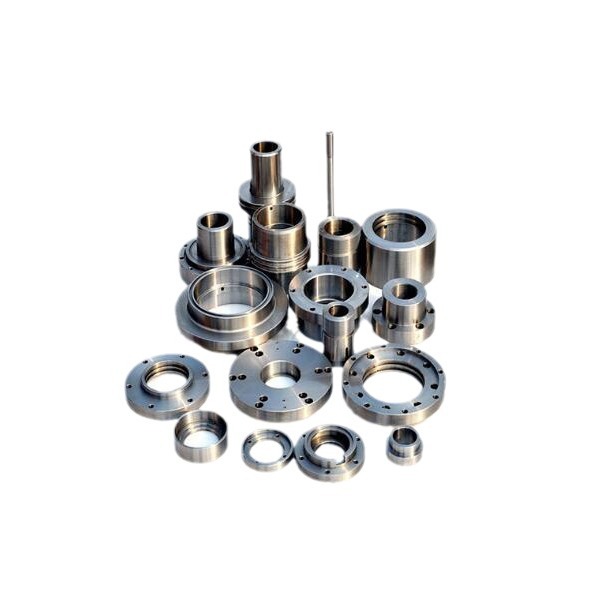
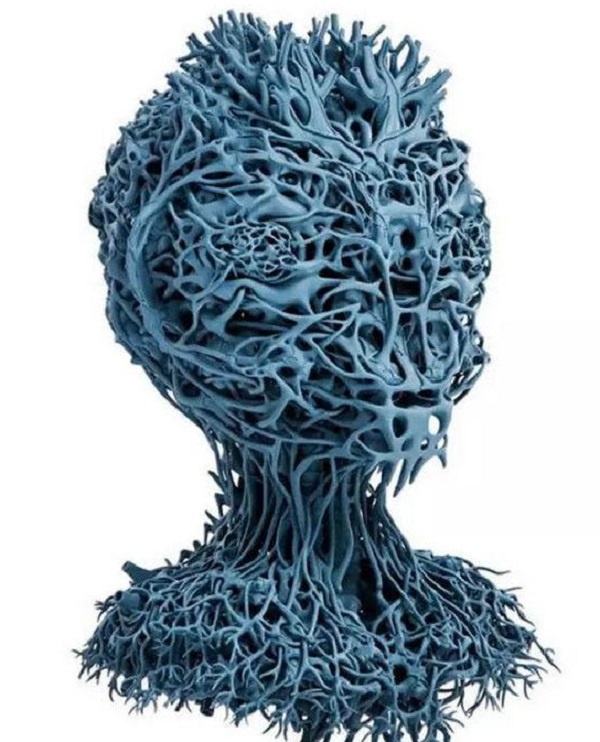
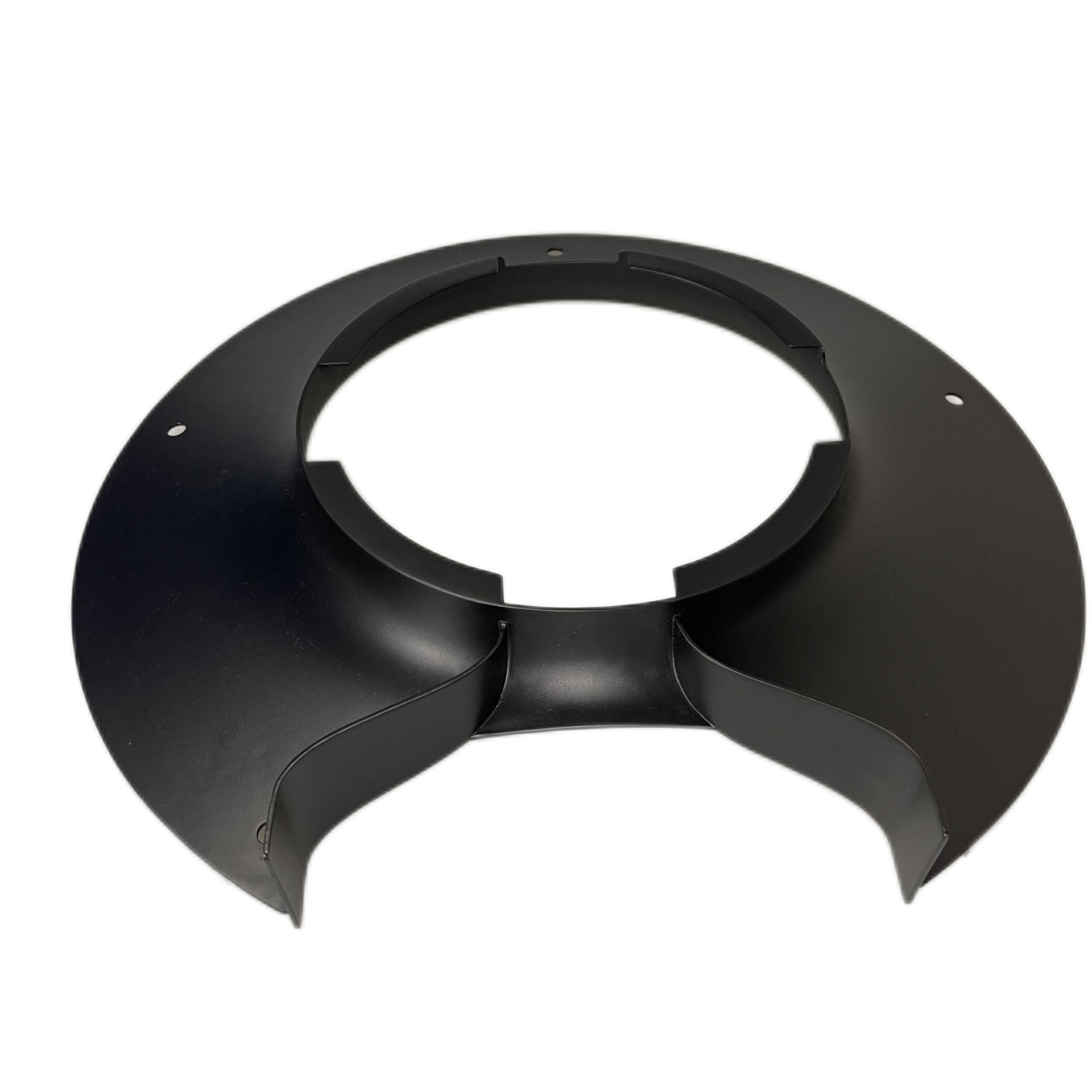
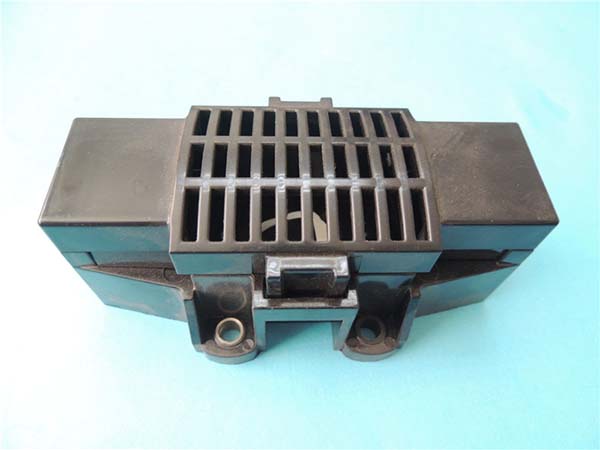
- Prototype development: Create functional models for testing or product iteration
- Custom parts: Manufacture unique components tailored to your specific needs
- Design assistance: Help turn ideas or sketches into printable 3D models
- Material variety: Wide range of filaments, resins, and metal powders
- Post-processing: Sanding, painting, assembly
Knowing what's available helps you ask the right questions when you find a store.
How Do You Find a 3D Printing Store Near You?
1. Using Online Search Engines
The most straightforward method: search "3D printing store near me" on Google.
Refine your search by adding specific terms:
- "Custom 3D printing services"
- "3D printing for prototypes"
- "Metal 3D printing near me"
- "SLA resin printing [your city]"
Use the "Near Me" filter on Google Maps to see locations, reviews, and contact info.
2. Checking Local Business Directories
Platforms like Yelp, Yellow Pages, and Google Maps are valuable resources:
- Search by category and location
- Read customer reviews and ratings
- See photos of actual work
- Get contact information and hours
Reviews reveal:
- Print quality: Do parts match expectations?
- Reliability: Do they deliver on time?
- Communication: Are they responsive?
- Problem resolution: How do they handle mistakes?
3. Asking for Community Recommendations
Word of mouth is powerful. Ask:
- Friends and colleagues who might have used 3D printing
- Local makerspaces or hackerspaces
- University engineering departments
- Online communities: Reddit, Facebook Groups, Nextdoor, specialized forums
- Local manufacturing associations
People love sharing good experiences—and warning about bad ones.
4. Check Local Makerspaces and Libraries
Many cities have:
- Makerspaces with 3D printers available to members (some offer public services)
- Public libraries with 3D printing as a service (often very affordable)
- Community colleges with 3D printing labs that accept outside work
These options are often cheaper than commercial services, though turnaround may be slower.
5. Visit Local Hobby Shops
Some hobby shops, electronics stores, and art supply stores offer 3D printing services or can recommend someone who does.
What Should You Look for in a 3D Printing Store?
1. 3D Printing Technologies Offered
Different stores may specialize in different technologies:
| Technology | How It Works | Best For |
|---|---|---|
| FDM | Melts and extrudes thermoplastic filament | Durable functional parts, large prints |
| SLA | UV laser cures liquid resin | High detail, smooth surfaces |
| SLS | Laser fuses powder | Complex geometries, functional nylon parts |
| Metal printing | Laser or electron beam melts metal powder | High-strength metal components |
If you're unsure which technology fits your needs, many stores offer consultations.
2. Customization and Design Assistance
Some stores provide design assistance:
- Converting sketches or ideas into 3D models
- Adjusting models for printability
- Optimizing designs for strength or material efficiency
- Offering software tutorials
If you're new to 3D modeling, this support is invaluable.
3. Material Variety
Different materials affect cost, durability, and appearance:
| Material | Properties | Best For |
|---|---|---|
| PLA | Easy to print, biodegradable, smooth finish | Prototypes, decorative items |
| ABS | Strong, durable, heat-resistant | Functional parts, automotive |
| PETG | Strong, slightly flexible, chemical-resistant | Mechanical parts, outdoor use |
| Resins | High detail, smooth surfaces | Jewelry, dental models, miniatures |
| Nylon | Very strong, wear-resistant | Gears, moving parts |
| Metal powders | High strength, heat-resistant | Aerospace, medical, industrial |
Check that the store offers the material you need.
4. Turnaround Time and Pricing
Ask about:
- Pricing structure: Per-part, per-gram, setup fees
- Turnaround time: Standard and expedited options
- Post-processing costs: Support removal, sanding, painting
- Shipping (if not local)
Get a detailed quote before committing.
Tips for Choosing the Right 3D Printing Store
Evaluate Portfolios
Ask to see past projects or examples of their work. Photos reveal:
- Print quality and detail
- Surface finish
- Complexity they can handle
- Consistency across projects
Check Reviews
Look at customer reviews on Google, Yelp, and other platforms. Patterns matter:
- Multiple positive reviews about quality and service? Good sign.
- Recurring complaints about delays or poor prints? Red flag.
Compare Multiple Stores
Get quotes from 2-3 stores. Compare:
- Price
- Turnaround time
- Materials offered
- Post-processing options
- Communication and helpfulness
Ask Questions
- What technologies do you offer?
- What materials can you print in?
- Can you help with design optimization?
- What's your typical turnaround?
- How do you handle failed prints or issues?
Start with a Small Test
If you're unsure, order a small test print first. Verify:
- Quality matches expectations
- Communication is responsive
- Turnaround is as promised
Yigu Technology's Perspective
At Yigu technology, we help clients around the world with 3D printing. But we also understand the value of local services.
When local makes sense:
- You need parts fast (same-day or next-day)
- You want to see samples before committing
- You have complex designs that need discussion
- You're just starting and want guidance
- Shipping costs would exceed printing costs
When we're the right choice:
- You need industrial-grade quality
- Your project requires specialized materials
- You want competitive pricing (especially for volume)
- You're open to global shipping timelines
- You need certified materials for medical/aerospace
Our advice: Start local if you can. Build a relationship with a nearby store. For specialized needs or better pricing, consider global options. Both have their place.
Conclusion
Finding the right 3D printing store near you is worth the effort. Benefits include:
- Time savings: Same-day pickup, no shipping delays
- Cost savings: No shipping fees, less packaging
- Better communication: Face-to-face discussions
- Quick revisions: Fix problems immediately
- Local relationships: Build trust over time
How to find one:
- Search online with location-specific keywords
- Check map apps and business directories
- Ask for recommendations
- Visit makerspaces and libraries
- Check local hobby shops
What to look for:
- Right technology for your needs
- Material options
- Good reviews and examples
- Transparent pricing
- Reasonable turnaround
- Good communication
What to ask:
- Technologies offered
- Materials available
- Design assistance
- Turnaround time
- Pricing structure
If no local option exists, online services are excellent alternatives. Just factor in shipping time and cost.
Whether local or global, the right 3D printing partner can turn your digital designs into physical reality.
FAQ
What Should I Bring When Visiting a 3D Printing Store?
Bring your 3D model files (STL, OBJ, STEP formats) or any sketches. Have a clear understanding of your project's size, material requirements, and specific needs. If you're unsure, bring a description and any reference images. Having this information ready makes the process smoother.
How Much Does It Cost to Use a 3D Printing Service?
Costs vary widely based on size, complexity, and material. Typical ranges:
- Small plastic prototype: $20-100
- Medium functional part: $100-500
- Large or complex metal part: $500-5,000+
Always get a detailed quote based on your specific project.
Can a 3D Printing Store Help If I Don't Have a Design?
Yes. Many stores offer design services. They can:
- Convert sketches into 3D models
- Adjust existing models for printability
- Create designs from scratch
- Provide software recommendations and tutorials
Ask about design assistance when you inquire.
How long does 3D printing take?
Turnaround depends on size and complexity:
- Small, simple parts: hours to 1-2 days
- Medium parts: 2-5 days
- Large or complex parts: 5-10+ days
Rush services may be available at premium prices. Always confirm timelines before ordering.
What file format do I need?
Most stores accept STL files. Some also accept OBJ, 3MF, STEP, or native CAD files. Check with your provider before sending. For complex models, STEP files preserve more information.
Can I trust online reviews?
Generally yes, but look for patterns rather than isolated comments. Multiple positive reviews about quality and service are encouraging. Recurring complaints about specific issues are red flags. Consider both quantity and quality of feedback.
Contact Yigu Technology for Custom Manufacturing
Need 3D printing but don't have a local option? Yigu technology specializes in custom manufacturing with all major 3D printing technologies and materials.
We offer:
- Free quotes within 24 hours—just send your CAD file
- Design review to optimize for printability
- Material expertise—helping you choose the right option
- Multiple technologies—FDM, SLA, SLS, metal
- Post-processing—finishing to your specifications
- Global shipping—parts delivered anywhere
Contact us to discuss your project. Tell us what you're making and what it needs to do. We'll help bring your design to life—whether you're next door or across the ocean.