Introduction
You have a product idea. You need a prototype to test, refine, and validate. But where should you have it made? Local prototyping may be convenient, but costs can be prohibitive. Other regions may offer lower prices but raise concerns about quality and communication. Prototyping in China has emerged as a compelling option for businesses worldwide. It combines cost-effectiveness, speed, and access to a complete supply chain. This guide explores the advantages, steps, and considerations to help you decide if China is the right choice for your product development.
Why Consider China for Prototyping?
Several factors make China a global hub for prototyping.
Cost-Effectiveness
The cost advantage is significant. In the United States, typical rapid prototyping services for small, moderately complex models range from $2,000 to $5,000. In China, similar services can be 30–50% lower.
A study by a leading manufacturing research firm found that a simple plastic prototype with basic functionality cost approximately $1,500 in China, compared to $2,500 in the UK.
This cost advantage extends beyond direct prototyping:
- Lower labor costs—engineers in China may cost $20–50 per hour vs. $50–100 in the US
- Lower raw material costs—common plastics like ABS and PLA are 20–30% cheaper
- Local component sourcing reduces transportation and import costs
For startups and small-to-medium enterprises with limited budgets, these savings can make the difference between moving forward or shelving an idea.
High-Quality and Complete Supply Chain
China’s supply chain for prototyping is unrivaled. Thousands of factories produce any kind of part imaginable.
Electronic prototyping: Custom printed circuit boards (PCBs) are produced with advanced capabilities and tight tolerances.
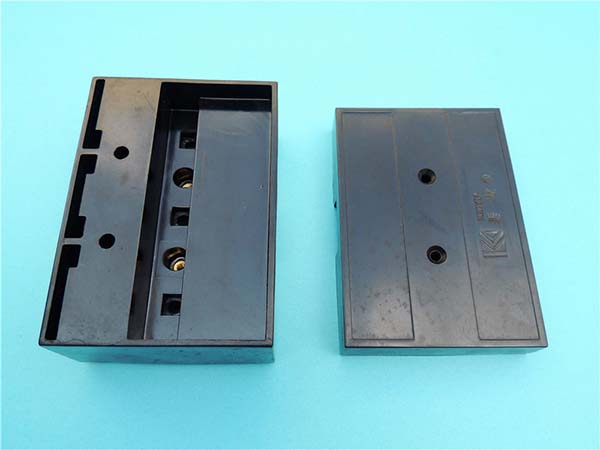
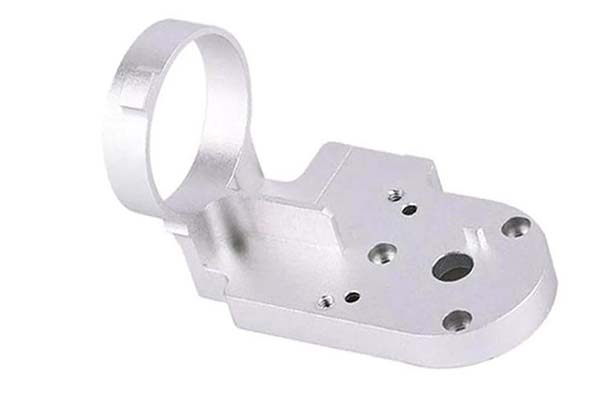
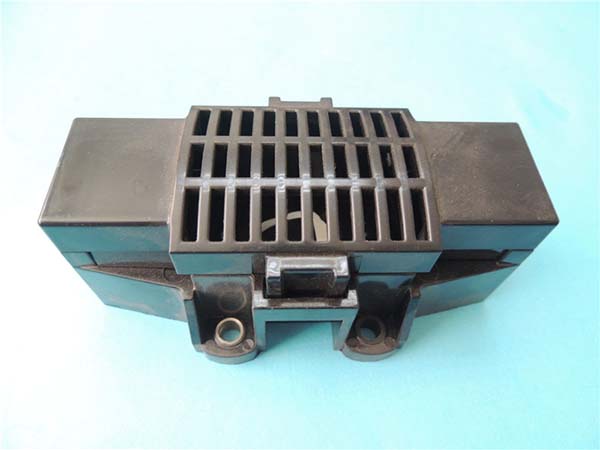
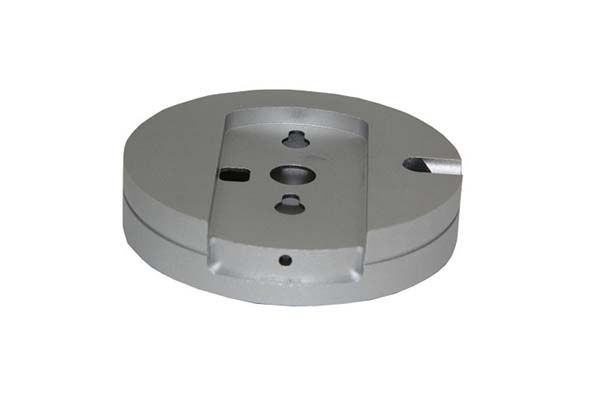
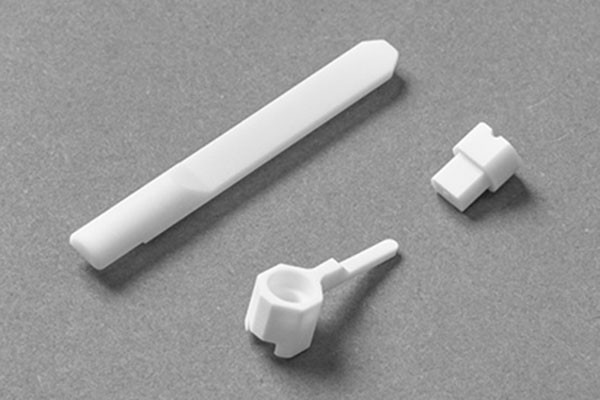
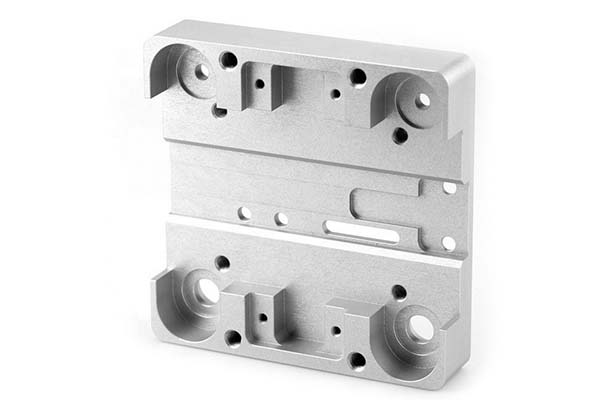
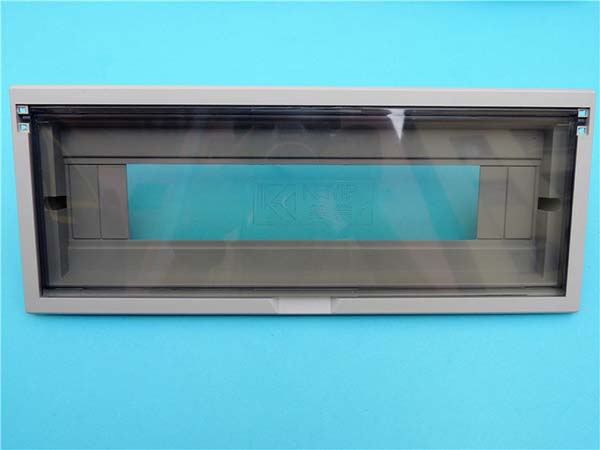
Plastic and metal prototyping: Factories equipped with state-of-the-art injection molding machines and high-precision CNC machining centers.
The concentration of suppliers in regions like the Pearl River Delta allows you to source all components for a complex product—smartphone displays, batteries, camera modules, motherboards—within a small geographical area. This proximity enables:
- Better communication
- Faster turnaround times
- Easier quality control
The supply chain is also highly responsive. When design changes occur, suppliers can quickly adjust production processes—crucial for iterative product development.
What Are the Key Advantages of Prototyping in China?
The benefits go beyond cost and supply chain.
Cost-Effectiveness
As detailed above, lower labor and material costs result in significant savings. A startup prototyping a plastic-based consumer product can stretch its budget further, allowing more design iterations or faster development.
High-Speed Production
Chinese manufacturers are known for speed. A simple PCB prototype can be turned around in 3–5 days, compared to 7–10 days in some Western countries.
Local component sourcing eliminates international shipping and customs delays. A company prototyping a smart-home device can source sensors, microcontrollers, and other components from Shenzhen suppliers—allowing the manufacturer to start and complete the prototyping process rapidly.
Advanced Technology and Skilled Labor
Chinese factories are equipped with state-of-the-art machinery:
- High-precision CNC machines for metal prototyping
- Advanced 3D printers for rapid prototyping
- Automated assembly lines
China produces a large pool of engineers, technicians, and designers trained in the latest manufacturing techniques. In automotive prototyping, Chinese engineers are proficient in CAD and CAE software for designing and analyzing vehicle components.
What Steps Are Involved in Making a Prototype in China?
The process follows a structured path from idea to physical prototype.
Develop a Sketch
Start with a sketch to clarify your thoughts—basic shape, structure, and key features. This foundation guides the entire prototyping process.
Design a Virtual Prototype
Create a digital representation using specialized software like CAD. Virtual prototypes allow testing of functionality, ergonomics, and aesthetics in a digital environment—enabling changes without physical costs.
For a smartphone prototype, virtual testing might include user interface, sensor placement, and structural integrity. If you lack expertise, seek assistance from a graphic designer or professional prototype designer.
Create a Physical Prototype
The first physical prototype could be scaled down, made by hand, or using 3D printing. A startup developing a kitchen gadget might create a 3D-printed prototype to test functionality and fit.
Test thoroughly for performance, durability, and usability. If time is constrained, rapid injection molding offers faster, lower-cost production of injection molds for prototypes and short-run parts.
Update the prototype as many times as necessary. Multiple “final prototypes” may emerge before presenting to customers. Each iteration incorporates improvements from testing and feedback.
Protect Your Design
Intellectual property protection is critical.
Patent search: Ensure your idea is unique and not already patented. Apply for a patent in China if your product is patent-eligible.
Non-disclosure agreements (NDAs): Sign NDAs with all parties—manufacturers, suppliers, contractors. NDAs should clearly define confidential information, confidentiality duration, and breach consequences. Have NDAs drafted or reviewed by a legal professional familiar with Chinese law.
Do Your Market Research
Once you have a working prototype, gather market feedback.
Customer feedback: Show prototypes to potential customers through surveys, focus groups, or demonstrations. A company prototyping a new smartwatch might ask target users about design, features, and price expectations.
Market analysis: Research competition, market trends, and industry regulations. Analyze similar products for strengths and weaknesses. This helps position your product uniquely and identify improvement opportunities.
Choose the Right Manufacturer
Selecting the right manufacturer is critical.
| Factor | What to Look For |
|---|---|
| Company Size | Match to your company size. Large manufacturers may prioritize big customers over small ones. |
| Communication | Development and project managers should speak your language clearly. |
| Transparency | Regular progress updates, pictures, and videos. Over-communicate to avoid costly mistakes. |
What Are the Potential Challenges?
Prototyping in China is not without risks.
Intellectual Property Concerns
IP protection requires diligence. Patents, NDAs, and careful partner selection are essential. Work with legal professionals familiar with Chinese law.
Communication Barriers
Language differences can cause misunderstandings. Choose partners with English-speaking project managers. Use visual communication—photos, videos, detailed drawings—to clarify requirements.
Quality Variability
Not all manufacturers maintain the same quality standards. Vet potential partners thoroughly. Request samples. Check certifications like ISO 9001. Visit facilities if possible.
How Does Yigu Technology Approach Prototyping?
As a non-standard plastic and metal products custom supplier, Yigu Technology combines the advantages of Chinese manufacturing with Western business practices.
We Offer Cost-Effective Solutions
We leverage China’s cost advantages while maintaining transparent pricing. Our quotes detail material costs, machine time, and post-processing—no hidden fees.
We Ensure Quality
Our facilities are equipped with advanced CNC machines and 3D printers. We hold ISO 9001 certification and maintain strict quality control processes.
We Communicate Clearly
Our project managers speak English fluently. We provide regular updates, photos, and videos. We over-communicate to ensure your prototype meets specifications.
We Protect Your IP
We sign NDAs and treat your designs as confidential. We work with clients who have patents and respect intellectual property.
Conclusion
Prototyping in China offers compelling advantages: cost savings of 30–50%, faster production times, access to a complete supply chain, and advanced manufacturing capabilities. For startups and established companies alike, these benefits can accelerate product development and stretch budgets.
However, success requires careful planning—protecting intellectual property, choosing the right manufacturer, and maintaining clear communication. By approaching the process strategically, you can leverage China’s strengths to bring better products to market faster.
Frequently Asked Questions
How can I protect my intellectual property when prototyping in China?
Conduct a patent search to ensure your idea is unique. Apply for a patent in China if your product is patent-eligible. Sign non-disclosure agreements (NDAs) with all parties—manufacturers, suppliers, contractors. Have NDAs drafted or reviewed by a legal professional familiar with Chinese law. Work with manufacturers who have a reputation for respecting IP.
What are the typical costs involved in prototyping in China?
Costs depend on size, complexity, and materials. Simple plastic prototypes may cost $1,500—30–50% lower than Western countries. Complex prototypes like an intrinsically safe camera system can cost up to $500,000. Costs include raw materials, labor, design, and testing. Request detailed quotes with breakdowns.
How long does prototyping in China take?
Timelines vary by complexity. Simple PCB prototypes: 3–5 days. Complex metal prototypes with post-processing: 2–4 weeks. Local component sourcing eliminates international shipping delays. Communicate timelines clearly with your manufacturer.
How do I choose the right manufacturer in China?
Look for company size matching your own—large manufacturers may prioritize big clients. Ensure communication—project managers should speak your language. Request regular updates with photos and videos. Visit facilities if possible. Check certifications like ISO 9001. Request samples before committing.
What quality control measures should I expect?
Expect ISO 9001 certification, in-process inspections, and final inspections with CMM (coordinate measuring machines). Request inspection reports. A reliable manufacturer will provide documentation and address non-conforming parts promptly.
Contact Yigu Technology for Custom Manufacturing
Ready to explore prototyping in China for your next project? Yigu Technology offers cost-effective, high-quality prototyping for plastic and metal parts. Our English-speaking project managers ensure clear communication. We protect your IP and deliver on time. Contact us today to discuss your project and get a transparent quote.