Introduction
Bringing a new product to life requires speed, precision, and smart decisions. For many businesses, the gap between a CAD file and a physical prototype feels like a major hurdle. Rapid prototyping services in China have become a popular solution for companies looking to move fast without overspending. But is it the right choice for your project? This article breaks down what makes China a hub for prototyping, what to expect, and how to work with a partner like Yigu Technology to get results that match your needs.
What Makes China a Prototyping Hub?
China’s rise in rapid prototyping did not happen by accident. Decades of manufacturing experience created a deep pool of skilled workers, advanced machinery, and efficient supply chains. Today, the country handles a significant share of global prototyping demand across industries like automotive, aerospace, medical devices, and consumer electronics.
The global market for rapid prototyping continues to grow. Industry reports show a steady compound annual growth rate, driven by the need for faster product development cycles. China’s role in this market is substantial, offering capabilities that range from basic 3D printing to complex CNC machining and metal fabrication.
What Are the Key Advantages?
Choosing a prototyping partner involves balancing cost, quality, speed, and technical capability. China-based services offer distinct advantages in each area.
Is It More Cost-Effective?
Yes. Cost is often the first factor businesses consider. On average, rapid prototyping services in China are 30% to 50% less expensive than comparable services in Western countries.
For example, a simple plastic prototype that costs $1,000 in the United States might cost $500 to $700 in China. This difference comes from:
- Lower labor costs
- Established supply chains that reduce material expenses
- Government policies supporting manufacturing
These savings allow companies to prototype more iterations within the same budget.
Does Quality Match Western Standards?
Quality concerns are common, but China’s prototyping industry has matured significantly. Many facilities now use the same advanced equipment found in Europe or North America.
High-end 3D printers from brands like Stratasys and EOS are widely used. These machines achieve layer thicknesses as low as 0.05mm, enabling highly precise parts. Skilled engineers with deep knowledge of CAD/CAM software ensure that designs translate accurately into physical prototypes.
For industries like medical devices, where precision is critical, Chinese providers regularly meet strict quality requirements.
What Materials Are Available?
Material selection is another strength. China offers a broad range of materials for rapid prototyping, giving you flexibility based on your product’s needs.
| Material Type | Key Properties | Common Applications |
|---|---|---|
| PLA | Biodegradable, easy to print, low cost | Consumer products, educational models |
| ABS | High strength, heat-resistant | Automotive parts, electronic enclosures |
| Nylon | Tough, wear-resistant, chemical resistant | Mechanical parts, industrial components |
| Aluminum | Lightweight, good mechanical properties | Aerospace, automotive prototypes |
| Titanium Alloy | High strength-to-weight, corrosion-resistant | Medical implants, aircraft components |
This range means you can test with affordable plastics early and later validate with production-grade metals.
How Fast Can You Get a Prototype?
Speed is a defining feature of China’s prototyping industry. Fast turnaround times help you compress development cycles and reach the market sooner.
A simple prototype can be completed in 3 to 5 working days. More complex projects typically take 7 to 10 days. In comparison, similar work in Europe or the US may take 1 to 2 weeks or longer.
This efficiency comes from:
- Advanced production management systems
- High-productivity equipment
- Large workforces capable of shift-based continuous production
One consumer electronics company reduced their development cycle by 40% by using a Chinese prototyping partner. They completed three design iterations in the time previously needed for one.
What Technologies Are Used?
China’s prototyping industry employs a wide range of technologies. Each method serves different purposes.
3D Printing
Additive manufacturing is the most common entry point. FDM (Fused Deposition Modeling) is used for quick, low-cost concept models. SLA (Stereolithography) produces smoother surfaces and finer details. SLS (Selective Laser Sintering) creates durable nylon parts without support structures.
CNC Machining
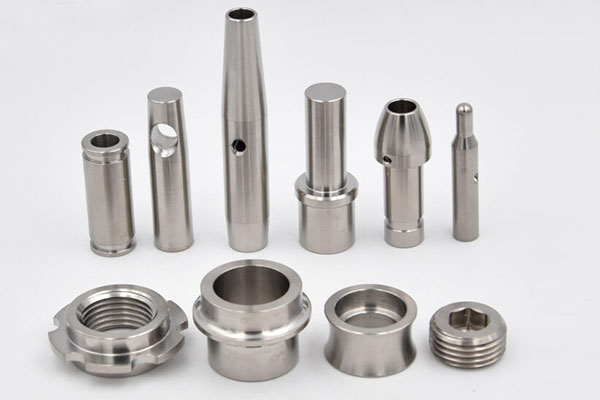
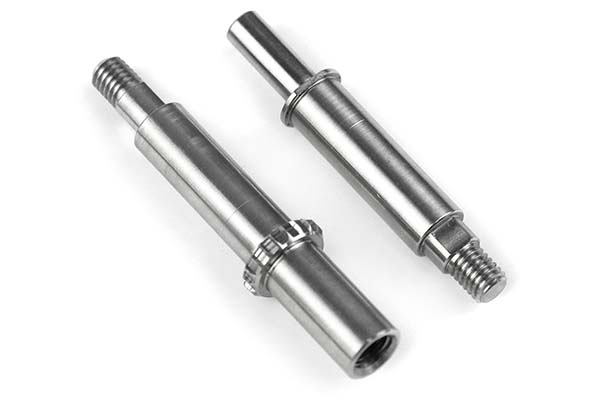
For functional prototypes that require production-grade materials, CNC machining is the go-to method. It works with metals, engineering plastics, and other solid materials. Parts come out with tight tolerances and good surface finishes.
Vacuum Casting
When you need 5 to 20 near-production quality parts quickly, vacuum casting is effective. It uses silicone molds to produce polyurethane parts that mimic injection-molded plastics.
Sheet Metal Fabrication
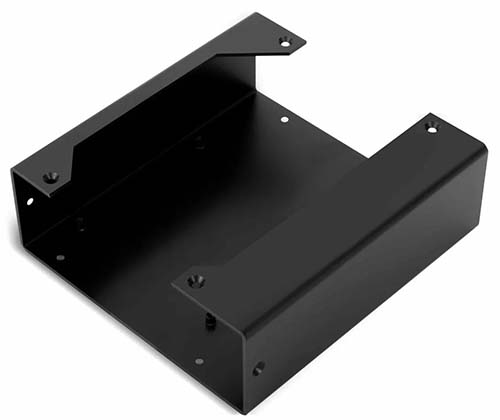
For enclosures, brackets, and structural components, sheet metal fabrication offers fast turnaround with materials like aluminum and stainless steel.
How Does Yigu Technology Approach Prototyping?
At Yigu Technology, we see prototyping as more than just making parts. It is a collaborative process that starts with understanding your goals.
We Begin with Your Requirements
Our engineers take time to learn not just the dimensions and materials, but also the end-use scenario, performance expectations, and potential risks. This upfront work prevents misunderstandings later.
For example, a medical startup came to us with a concept for a handheld diagnostic device. Their initial design looked good on screen, but we noticed the ergonomics would cause user fatigue during extended use. We suggested adjustments to the grip angle and button placement. The revised prototype passed user testing easily.
Quality Control Is Built In
We follow a strict quality system. Raw materials come from verified suppliers. During production, we use multiple inspection points. Equipment like high-precision 3D scanners and coordinate measuring machines (CMM) checks dimensional accuracy.
This approach means you receive prototypes that reliably represent the intended design.
What Should You Know Before Starting?
Working with a prototyping partner in China requires some preparation. A few steps upfront save time and money.
Define Your Goals Clearly
Know what you want from the prototype. Is it for:
- Visual presentation?
- Fit and assembly testing?
- Functional validation?
- User feedback?
Each goal may require a different method or material.
Prepare Accurate Files
Provide STEP, IGES, or STL files with clear dimensions. STEP files are preferred for CNC and vacuum casting because they preserve geometry accurately. STL works well for 3D printing but lacks the detail needed for machining.
Discuss Post-Processing Needs
Prototypes often require finishing work like sanding, painting, or texturing. Specify your expectations early. A prototype that looks rough may still serve functional testing, but investor presentations need better surface quality.
Conclusion
Rapid prototyping services in China offer a compelling combination of cost savings, speed, material variety, and technical capability. For businesses looking to move from concept to testable products efficiently, China-based partners provide a practical path forward.
The key is choosing a partner who combines technical skill with clear communication. At Yigu Technology, we focus on understanding your project goals and delivering prototypes that help you make informed decisions. Whether you need a single concept model or a batch of functional parts, we are equipped to support your development journey.
Frequently Asked Questions
What is the typical turnaround time for rapid prototyping services in China?
Simple prototypes often take 3 to 5 working days. More complex projects may take 7 to 10 days. Factors like design complexity, material availability, and required post-processing affect the timeline.
How can I ensure the quality of rapid-prototyped parts?
Choose a provider with ISO 9001 certification and a clear quality control process. Provide detailed 3D models with tolerances. Ask about inspection methods such as 3D scanning or CMM measurement.
What types of materials are commonly used?
Common materials include PLA, ABS, nylon, aluminum, and titanium alloy. Each offers different properties for applications ranging from concept models to functional metal parts.
Can I get functional metal prototypes in China?
Yes. CNC machining and sheet metal fabrication are widely available for metals like aluminum, stainless steel, and titanium. These methods produce parts suitable for functional testing.
How do I communicate design changes effectively?
Use annotated drawings or screenshots to highlight specific areas. Reference dimensions when possible. Regular check-ins—weekly or bi-weekly—help keep the project aligned with your expectations.
Contact Yigu Technology for Custom Manufacturing
Ready to turn your design into a physical prototype? Yigu Technology provides end-to-end rapid prototyping services with a focus on quality and clear communication. From initial consultation to final delivery, our team works alongside you to ensure your prototype meets its intended purpose. Contact us today to discuss your project requirements.