Rapid Prototyping

Discover rapid prototyping techniques to accelerate product development. Learn about 3D printing, CNC machining, and other methods. Explore materials, applications, and tips for creating high-quality prototypes quickly and efficiently.

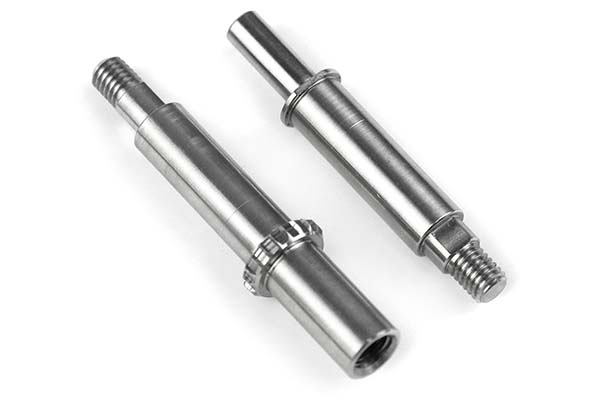
Thread Machining

How Can Prototype Design Services Transform Your Product Development?

Introduction You have a product idea. You believe it will solve a real problem. But how do you know if it works before spending thousands on tooling and production? This is where prototype design services become essential. They turn abstract concepts into tangible models that you can test, refine, and present to stakeholders. More than […]

Medical device prototyping companies

What Is Forming Machining and How Does It Work?

Introduction Have you ever wondered how car panels, aluminum cans, or metal brackets are made? The answer often lies in forming machining. Unlike cutting or drilling, which remove material, forming machining shapes materials by bending, stretching, or compressing them. The material does not get cut away—it gets pushed into a new shape. This approach is

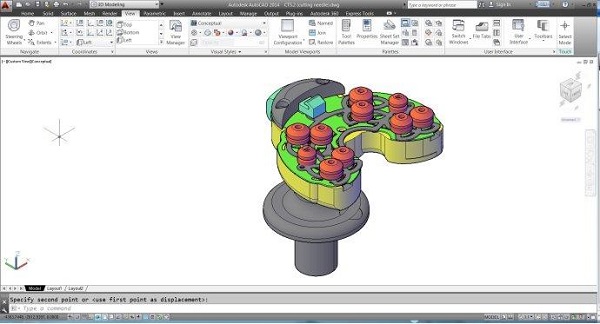
Car 3d Model Engine Cover

How Can Rapid 3D Prototyping Revolutionize Your Development Process?

Introduction Product development has always been a race between vision and reality. You have an idea. You need to test it. But traditional prototyping takes weeks—sometimes months—and costs thousands of dollars. What if you could hold a physical model in hours? What if you could test a new design iteration tomorrow instead of next month?

Metal Machining Services

How Is Carbon Fiber Rapid Prototyping Revolutionizing Design?

Introduction Every engineer faces the same trade-off: strength versus weight. Metals are strong but heavy. Plastics are light but lack stiffness. For decades, designers had to compromise. Then came carbon fiber composites—materials that combine exceptional strength with low density. But carbon fiber was difficult to prototype. Traditional methods required molds, long lead times, and high

Cnc Precision Engineering

How to Choose the Right Prototype Maker for Your Project?

Introduction You have a design. You need a physical part to test, show investors, or validate before production. Finding the right prototype maker can feel like searching for a needle in a haystack. Dozens of companies offer similar services, but their quality, communication, and capabilities vary widely. The wrong choice leads to delays, poor-quality parts,

Nickel Parts 3

How Does Rapid Prototyping Impact Engineering Design?

Introduction Engineering design has traditionally followed a linear path: sketch, model, build, test, repeat. But each cycle was slow. Each iteration cost time and money. Mistakes discovered late meant expensive rework. Rapid prototyping has changed this entirely. It has transformed engineering design from a sequential process into an agile, iterative practice. Engineers can now hold

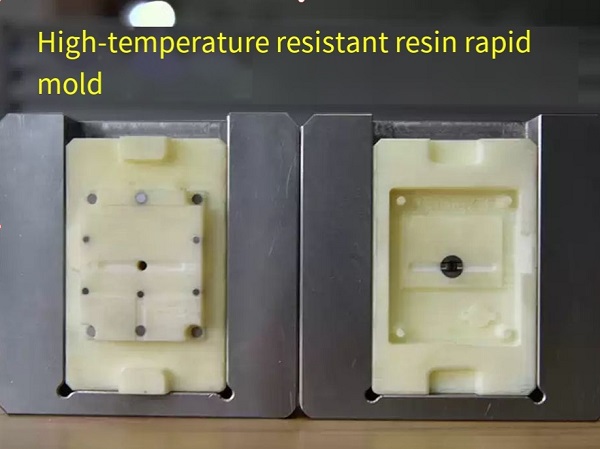
Yigu 3D Printed High-Temperature Resin Mold Rapid Tooling for Small Batch Injection Molding

What Exactly Is Rapid Tooling? A Clear Definition

Introduction You have heard the term “rapid tooling” but may not be sure what it actually means. Is it just 3D printing? Does it replace traditional mold making? How does it fit into product development? Rapid tooling is a distinct approach that uses additive manufacturing to create molds faster than traditional methods. It sits between

Prototype Fabrication: Key Steps, Benefits, Application Case?

What Is Rapid Prototyping Engineering and Why Is It Crucial?

Introduction You have a CAD model. It looks perfect on screen. But will it work in the real world? Will parts fit together? Will the mechanism survive repeated use? These questions cannot be answered by software alone. You need a physical model. Rapid prototyping engineering is the discipline that makes this possible. It combines digital

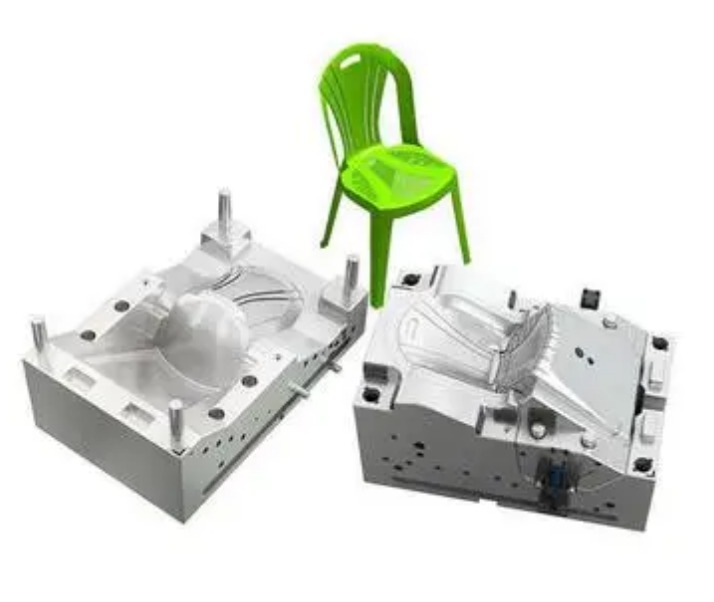
Pvc mold

What Does Rapid Manufacturing Do for Product Development?

Introduction You have a product design ready. You need it built—quickly, reliably, and at scale. This is where rapid manufacturing enters the picture. Unlike rapid prototyping, which focuses on creating single models for testing, rapid manufacturing produces functional parts and assemblies in larger quantities. It bridges the gap between prototype validation and full production. This

Cnc Milling Manufacturers

How Can You Make Product Prototyping a Success?

Introduction You have a product idea. You have a team. You have a budget. But how do you ensure that your prototype actually moves you closer to a successful product—not just another iteration that reveals the same problems? Product prototyping is not a single event. It is a process. And like any process, it succeeds

Injection molding products

Where Is Rapid Manufacturing Applied Across Industries?

Introduction Traditional manufacturing excels at producing large volumes of identical parts. But what happens when you need complex geometries, custom designs, or low-volume production? This is where rapid manufacturing changes the game. It is the direct production of end-use parts from digital data—without the tooling, molds, or long lead times of conventional methods. Rapid manufacturing

Cnc Machining Workshop

How Can Rapid Prototype Tooling Transform Your Product Development Process?

Introduction You have a product design that looks great on screen. You have tested 3D-printed concept models. Now you need functional parts—dozens or hundreds of them—for real-world testing, market trials, or early production. Waiting months for traditional steel tooling feels like a bottleneck. Rapid prototype tooling removes that bottleneck. It produces functional molds in days

Is SLA the Best Choice for Rapid Prototyping?

Is SLA the Best Choice for Rapid Prototyping?

Introduction You need a prototype. You need it fast. And you need it to accurately represent your design. With so many rapid prototyping technologies available, how do you choose? SLA (Stereolithography) is often presented as the premium option—offering unmatched detail and surface finish. But is it always the best choice? The answer depends on your

Prototype Mold China: A Guide to Rapid Prototyping and Low-Volume Manufacturing

What Is a Prototype Mold and How Does It Enable Low-Volume Manufacturing?

Introduction You have a product design ready. You need functional parts—dozens or hundreds of them—for testing, market trials, or early production. But committing to expensive production tooling feels risky. What if the market response is different than expected? What if design changes are needed? This is where prototype molds come in. They bridge the gap

Titanium Parts 2

What Is Subtractive Rapid Prototyping and How Does It Work?

Introduction When you think of rapid prototyping, 3D printing often comes to mind. But there is another approach—one that has been around longer and offers distinct advantages for certain applications. Subtractive rapid prototyping, commonly known as CNC machining, starts with a solid block of material and removes what is not needed. The result is a

Precision Metal Stamping Parts

How Does Prototype Tooling Revolutionize Product Development?

Introduction You have a design. You have tested 3D printed prototypes. Now you need parts that behave like the final product—made from the same material, with the same manufacturing process. But traditional production molds cost tens of thousands of dollars and take months to build. What if you could produce injection-molded prototype parts in weeks

Thick sheet metal

What You Need to Know About Laser Prototypes?

Introduction Lasers are everywhere—from cutting steel in factories to performing delicate eye surgeries. But before any laser product reaches the market, it starts as a laser prototype. These early models are essential for testing new concepts, refining designs, and proving that a laser-based technology can work reliably. Whether you are an engineer developing a new

Steel Parts 3

How Are Rapid Prototyping Solutions Transforming Business?

Introduction Every business faces the same pressure: bring products to market faster, at lower cost, and with higher quality. Traditional development cycles—with their long lead times, expensive tooling, and linear processes—struggle to keep pace. Rapid prototyping solutions have changed this equation. They compress development timelines from months to weeks, enable iteration without penalty, and empower

Die Stamping

How Does Prototype Engineering Benefit Your Plastic or Metal Part?

Introduction You have a design for a plastic or metal part. You know what it should look like and how it should function. But turning that design into a reliable, manufacturable product requires more than just building a sample. It requires prototype engineering—a systematic process that goes beyond simply making a prototype. This approach ensures

Scroll to Top