Rapid Prototyping

Discover rapid prototyping techniques to accelerate product development. Learn about 3D printing, CNC machining, and other methods. Explore materials, applications, and tips for creating high-quality prototypes quickly and efficiently.

Titanium Parts

What Is Rapid Prototype Casting and How Does It Work?

Introduction You need a functional metal prototype. 3D printing in plastic won't provide the strength or heat resistance you require. Machining from solid metal is slow and wastes material. Casting—the traditional method—requires expensive tooling and weeks of lead time. Rapid prototype casting offers a different path. It combines the speed of additive manufacturing with the […]

Die casting 1

How to Choose a CNC Prototype Service? A Complete Guide

Introduction You have a design. You need a physical prototype that is accurate, durable, and ready for functional testing. But with dozens of CNC prototype services available, how do you choose the right one? The wrong partner can deliver parts that don’t meet tolerances, miss deadlines, or blow your budget. This guide walks you through

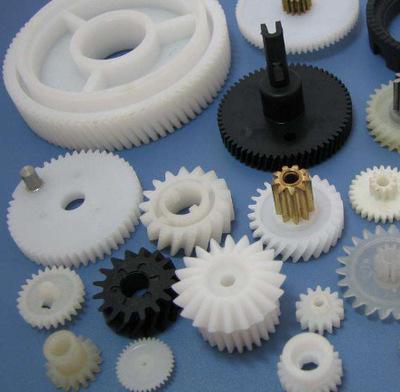
Pinion plastic unleashing efficiency versatility in gear systems

What Do Rapid Prototyping Engineers Actually Do?

Introduction You have a product idea. You need a prototype. But who actually turns that digital model into a physical object? Who solves the problems when the print fails or the material behaves unexpectedly? This is the domain of the rapid prototyping engineer. They are the professionals who bridge the gap between digital design and

Steel Parts 4

How Is Rapid Prototyping Technology Revolutionizing Aerospace?

Introduction The aerospace industry demands precision, durability, and innovation. Every component must withstand extreme conditions—high temperatures, intense pressure, and relentless vibration. Traditional manufacturing methods have served the industry well, but they are slow and expensive. Design changes require new tooling. Prototypes take months. Development cycles stretch for years. Rapid prototyping technology is changing this. Also

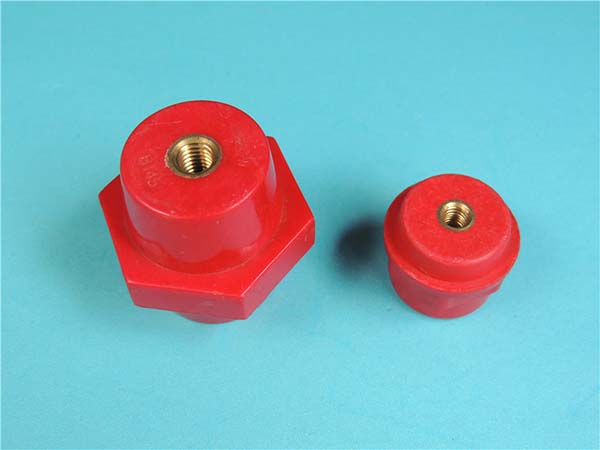
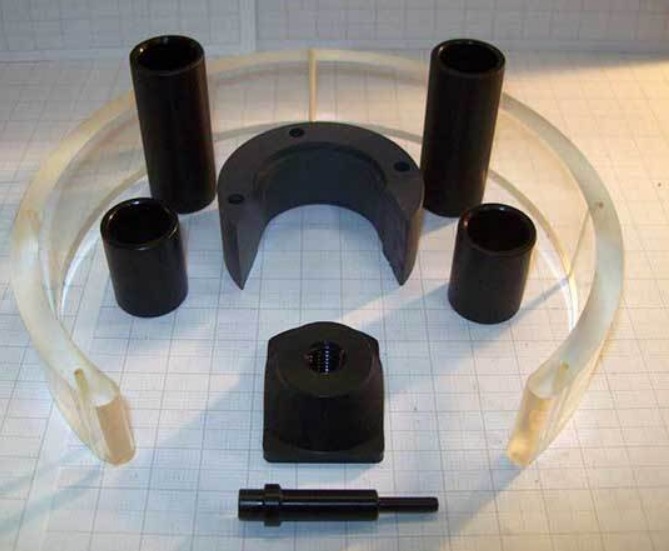
How to Overcome Challenges in Bakelite Machining?

What Do You Need to Know About Prototype and Production?

Introduction Every physical product follows the same journey. First, it exists as an idea. Then it becomes a prototype—a tangible model that you can test, refine, and validate. Finally, it moves to production—the process of manufacturing at scale. Understanding the difference between these two stages is essential for managing cost, timeline, and quality. Confusing prototyping

Prototype Mold China: A Guide to Rapid Prototyping and Low-Volume Manufacturing

How Is Rapid Prototyping Revolutionizing Precise Models?

Introduction In today’s competitive manufacturing landscape, the ability to create precise models quickly is a decisive advantage. Rapid prototyping has fundamentally changed how products are designed, tested, and brought to market. It bridges the gap between digital concepts and physical objects, enabling teams to test ideas earlier, iterate faster, and launch with confidence. This guide

Titanium Parts 4

How Are Product Design and Rapid Prototyping Accelerating Innovation?

Introduction Every great product begins as an idea. But between concept and reality lies a critical gap—one filled with uncertainty, risk, and time. Product design provides the creative vision, the understanding of user needs, and the technical definition of what a product should be. Rapid prototyping provides the speed to test, validate, and refine that

Rapid Plastic Prototyping: Accelerating Innovation in Product Development

How Does Rapid Plastic Prototyping Drive Innovation in Product Development?

Introduction In product development, time is critical. The faster you can test an idea, the sooner you learn what works. Rapid plastic prototyping has emerged as a transformative technology that bridges the gap between digital concepts and physical products. It enables companies to create functional plastic prototypes in hours or days, not weeks or months.

How to Choose the Right Companies that Create Prototypes?​

How Is Precision Prototyping Shaping Advanced Manufacturing?

Introduction In advanced manufacturing, the difference between success and failure often comes down to precision. A deviation of a fraction of a millimeter in an aerospace component can mean catastrophic failure. A poorly fitting medical implant can compromise patient outcomes. A rough surface on an aerodynamic part can reduce fuel efficiency. Precision prototyping addresses these

China rapid tooling

How Does Rapid Prototype Development Accelerate Innovation?

Introduction Innovation is the lifeblood of modern business. But ideas alone are not enough. Turning an idea into a successful product requires testing, refinement, and iteration. Traditional development cycles are slow—concept validation alone can take months or years. Rapid prototype development changes this. It enables companies to quickly create working models of products or services,

Rapid Tooling Service for Efficient Injection Mold Production

How Does China Rapid Tooling Work for Manufacturers?

Introduction You have a design. You need functional parts—not just 3D printed models—to test, validate, and launch. But traditional steel molds cost $20,000–$100,000 and take 12–20 weeks. What if you could get production-quality parts in 2–5 weeks at a fraction of the cost? This is the promise of China rapid tooling. It uses softer materials

How to Effectively Analyze and Reduce Bakelite Cost?

Why Choose a Professional Rapid Prototyping Factory?

Introduction You have a product design. You need a physical prototype quickly to test, refine, and validate before production. But not all prototyping services are equal. A hobbyist with a desktop 3D printer cannot deliver the precision, material range, or reliability you need for functional testing. This is where a professional rapid prototyping factory makes

3d printing medical technology

What Do You Need to Know About Rapid Prototyping Factories?

Introduction You have a design. You need a prototype. But who builds it? And how do you choose the right partner? Rapid prototyping factories are specialized facilities that turn digital designs into physical prototypes quickly—using advanced technologies like 3D printing, CNC machining, and injection molding. They are essential partners in modern product development, compressing timelines

Wire Electric Discharge Machining

What Role Does Medical Device Prototyping Play in Advancing Healthcare Innovation?

Introduction In healthcare, the difference between a concept and a life-saving device comes down to rigorous testing and refinement. Medical device prototyping is the critical process that turns theoretical designs into physical models that can be tested, validated, and improved. It is the cornerstone of safe, effective, and patient-centric innovation. This guide explores the essential

Machining Industry

How Can Rapid Prototyping Examples Solve Your Problems?

Introduction You have a problem. Maybe it is a design that does not fit. Maybe it is a mechanical part that keeps failing. Maybe it is a medical device that needs to be customized for each patient. Rapid prototyping offers solutions—not just faster prototypes, but entirely new ways to solve problems across industries. From aerospace

How to Select the Ideal Bakelite Sheet Manufacturer?​

What You Need to Know About 3D Model Prototypes?

Introduction You have a product idea. You can sketch it on paper, but visualizing it in three dimensions is another challenge. 3D model prototypes bridge this gap. They are digital representations of physical objects created using specialized 3D modeling software. These models allow designers, engineers, and stakeholders to visualize, test, and refine designs before any

High Precision Metal Stamping

What Is Rapid Prototyping and Why Is It Crucial?

Introduction You have an idea. You have a digital design. But until you hold a physical object in your hands, the idea remains abstract. Rapid prototyping bridges this gap. It is a collection of techniques that transform three-dimensional CAD data into physical models quickly—turning digital concepts into tangible objects that can be seen, touched, and

What Need Know Bakelite Injection Moulding? Solving Your Moulding Mysteries!

What You Need to Know About Rapid Prototyping Systems?

Introduction Time is critical in product development. Traditional prototyping methods—waiting for custom molds, weeks of machining, multiple design cycles—slow innovation. Rapid prototyping systems change this. They transform digital designs into physical prototypes in hours or days, enabling faster testing, earlier feedback, and reduced development costs. This guide explains how these systems work, the different technologies

What You Need to Know About Rapid Prototype Manufacturing?

What Do You Need to Know About Rapid Prototype Manufacturing?

Introduction You have a design. You need a physical prototype—fast. But which method should you choose? How accurate will it be? What will it cost? Rapid prototype manufacturing encompasses a range of technologies that turn digital models into physical parts quickly. Understanding the differences between methods—SLA, SLS, FDM, and others—is essential for making informed decisions

Nickel Parts 3

How Is SLM Rapid Prototyping Shaping the Future of Manufacturing?

Introduction You need metal parts that are strong, complex, and produced quickly. Traditional machining removes material from a solid block—slow and wasteful. Casting requires expensive tooling and long lead times. Selective Laser Melting (SLM) offers a different path. It is an additive manufacturing technology that uses high-power lasers to fully melt and fuse metallic powders—stainless

Titanium Parts

What Are the Top Rapid Prototyping Options for Product Development?

Introduction You have a product idea. You need a prototype. But with so many options—3D printing, CNC machining, vacuum casting, stereolithography—how do you choose? Each method offers distinct advantages in speed, precision, material, and cost. Selecting the right one can mean the difference between a successful development cycle and wasted time and resources. At Yigu

Precision Machining

Is Prototyping in China the Best Choice for Your Product Development?

Introduction You have a product idea. You need a prototype to test, refine, and validate. But where should you have it made? Local prototyping may be convenient, but costs can be prohibitive. Other regions may offer lower prices but raise concerns about quality and communication. Prototyping in China has emerged as a compelling option for

Scroll to Top