Introduction
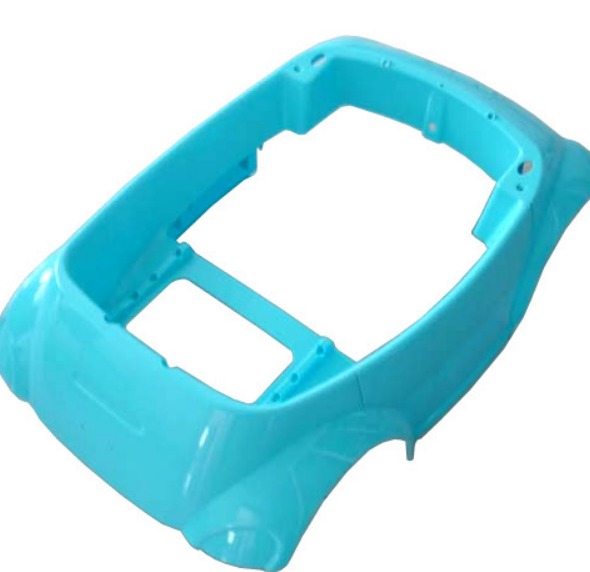
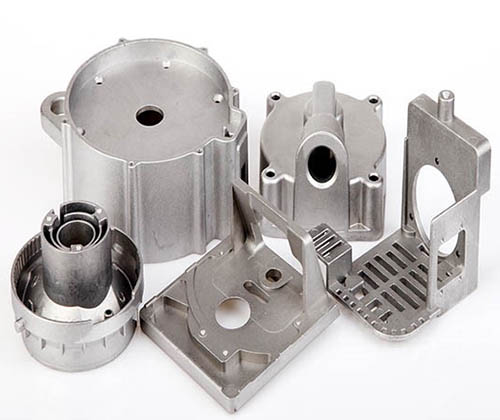
You have a design. It requires metal—for strength, heat resistance, or durability. But turning that design into a functional prototype requires specialized processes and expertise. Metal prototyping services bridge the gap between concept and production, enabling you to test, validate, and refine designs before committing to mass production. From CNC machining to 3D printing and sheet metal fabrication, these services offer precision, material versatility, and speed. At Yigu Technology, we provide metal prototyping services across industries—aerospace, automotive, medical, and electronics. This article covers what you need to know: types of services, material options, precision, cost factors, and how to choose the right partner.
What Are Metal Prototyping Services?
Metal prototyping services involve the creation of preliminary models or samples of metal products through specific manufacturing processes—CNC machining, 3D printing, casting, and sheet metal fabrication.
Why they matter:
- Design validation: Test ergonomics, aesthetics, and functionality before production
- Risk reduction: Identify design flaws, material issues, and manufacturing challenges early
- Cost savings: Reduce production costs by up to 40% and time-to-market by 30% (Product Development and Management Association)
- Competitive advantage: Faster development cycles enable quicker market entry
What Types of Metal Prototyping Services Are Available?
CNC Machining
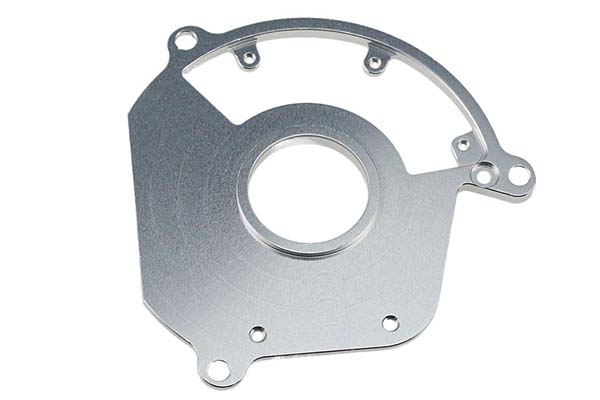
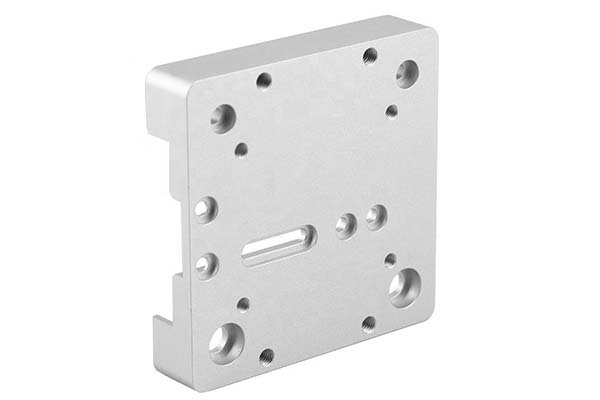
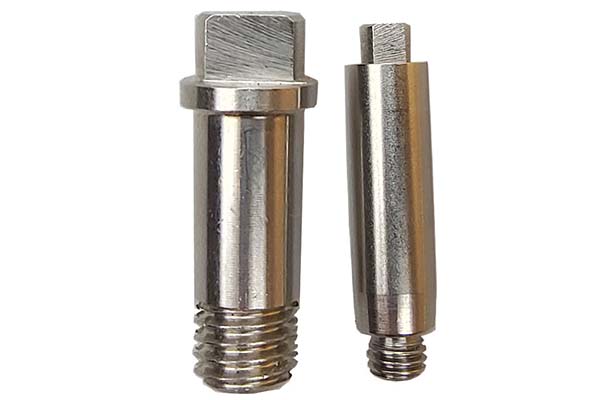
CNC machining is a subtractive manufacturing process that starts with a solid block of metal and removes material using computer-controlled tools.
| Factor | Details |
|---|---|
| Process | Milling, turning, drilling; multi-axis movement (X, Y, Z, rotational) |
| Precision | High-end: ±0.001 inches (±0.0254 mm) |
| Materials | Aluminum, steel, titanium, brass, copper |
| Best for | High precision, tight tolerances, complex geometries, production-grade materials |
Advantages:
- High accuracy and repeatability
- Excellent surface finish
- Wide material range
- Suitable for functional testing
Example: Aerospace components requiring tight tolerances and high strength.
3D Printing (Additive Manufacturing)
Metal 3D printing builds prototypes layer by layer from metal powder using technologies like Selective Laser Melting (SLM) or Electron Beam Melting (EBM).
| Factor | Details |
|---|---|
| Process | High-power laser or electron beam melts and fuses metal powder layer by layer |
| Precision | ±0.005–0.02 inches (±0.127–0.508 mm) |
| Materials | Aluminum, titanium, stainless steel, Inconel, cobalt-chrome |
| Best for | Complex geometries, internal cavities, lattice structures, lightweight designs |
Advantages:
- High design freedom
- Rapid turnaround (hours to days)
- Complex internal features possible
- No tooling required
Example: Custom medical implants with patient-specific geometries; lightweight aerospace components with internal cooling channels.
Sheet Metal Fabrication
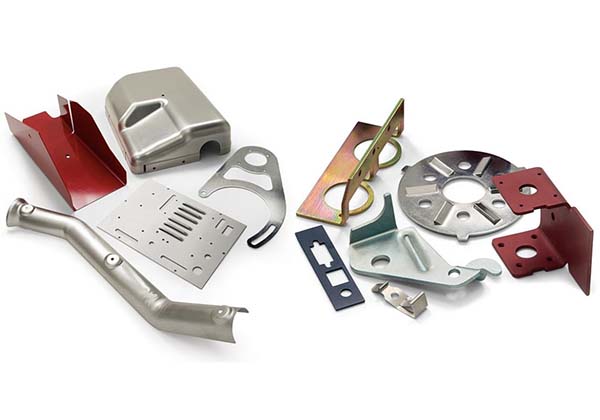
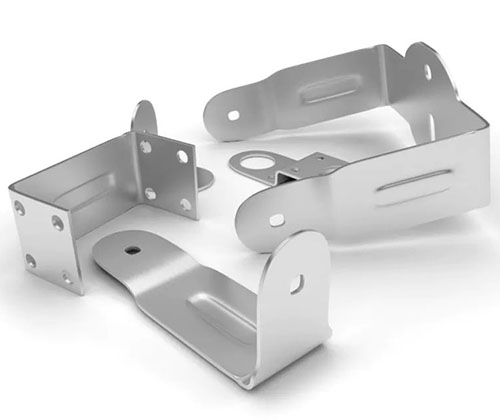
Sheet metal fabrication involves shaping, cutting, and assembling thin metal sheets through processes like laser cutting, punching, bending, and welding.
| Factor | Details |
|---|---|
| Process | Laser cutting/punching → bending (press brake) → welding/riveting |
| Precision | ±0.01–0.05 inches (±0.254–1.27 mm) |
| Materials | Mild steel, stainless steel, aluminum, copper |
| Best for | Enclosures, panels, brackets, housings, architectural components |
Advantages:
- Cost-effective for large volumes
- Wide material range
- Good for simple-to-moderate complex parts
Example: Laptop outer shells, electronic device enclosures, automotive body panels.
What Materials Are Available?
| Material | Density (g/cm³) | Key Properties | Applications |
|---|---|---|---|
| Aluminum | 2.7 | Lightweight, high strength-to-weight, good corrosion resistance, excellent machinability | Aerospace, automotive, consumer electronics |
| Steel | 7.8 | High strength, durability; carbon steel for strength, stainless steel for corrosion resistance | Construction, heavy machinery, industrial components |
| Stainless steel | 7.8–8.0 | Excellent corrosion resistance (chromium oxide layer), strength | Medical devices, food processing, marine applications |
| Titanium | 4.5 | High strength at elevated temperatures, exceptional corrosion resistance, biocompatible | Aerospace, medical implants, chemical, marine |
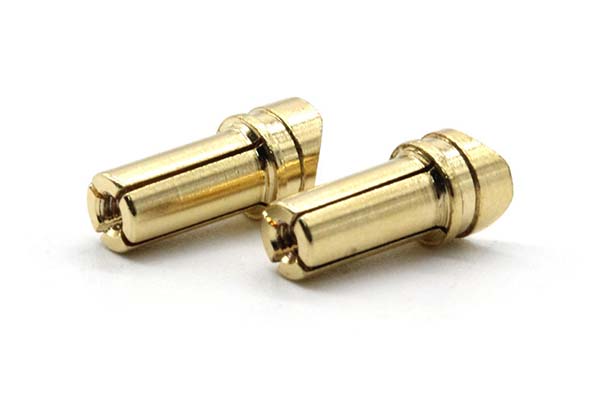
| Copper | 8.96 | Excellent electrical and thermal conductivity, corrosion resistance in many environments | Electrical components, wires, heat exchangers, decorative |
What Precision and Tolerance Can You Expect?
| Service | Typical Precision Range |
|---|---|
| High-end CNC machining | ±0.001–0.01 inches (±0.0254–0.254 mm) |
| Metal 3D printing | ±0.005–0.02 inches (±0.127–0.508 mm) |
| Sheet metal fabrication | ±0.01–0.05 inches (±0.254–1.27 mm) |
Factors affecting precision:
- Design complexity
- Equipment quality and calibration
- Operator skill
- Material properties
How Do You Ensure Cost-Effectiveness?
Factors Influencing Cost
| Factor | Impact |
|---|---|
| Material cost | Titanium > stainless steel > aluminum > steel; high-purity or specialty alloys increase cost |
| Process complexity | Complex geometries (internal channels, intricate details) increase machining time and cost |
| Volume | Small-batch: higher per-unit cost due to setup; larger volumes: economies of scale reduce per-unit cost |
Cost-Saving Strategies
| Strategy | Description |
|---|---|
| Optimize design | Simplify without sacrificing functionality; avoid unnecessary complex features |
| Material selection | Choose the most suitable material—aluminum for weight, steel for strength, titanium only when necessary |
| Compare quotes | Obtain multiple quotes; different providers have different cost structures |
| DFM feedback | Work with providers who offer design for manufacturability (DFM) feedback to reduce complexity and cost |
What Is the Typical Turnaround Time?
| Service | Typical Turnaround |
|---|---|
| Simple 3D printed metal prototype | 24–48 hours |
| Complex CNC-machined prototype | 5–10 business days |
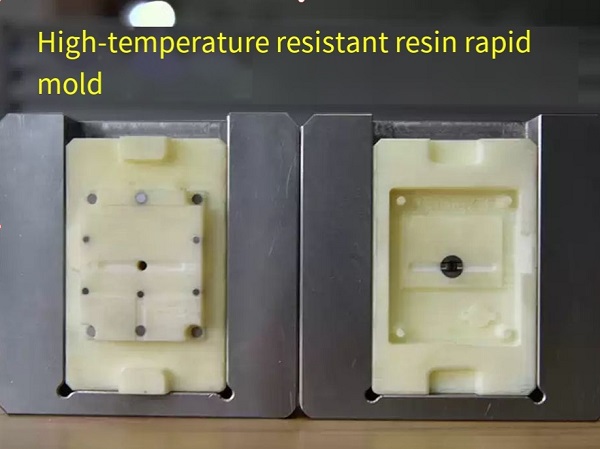
| Casting processes | 7–14 days (mold preparation, solidification, post-processing) |
Factors affecting lead time:
- Part complexity
- Material availability
- Equipment workload
- Post-processing requirements
Can You Get Small-Batch Production After Prototyping?
Yes. Once the prototype is tested and approved, the same manufacturing process can be scaled for small-batch production.
Process:
- Finalize design based on prototype test results
- Adjust production plan for increased quantity
- Optimize tooling, machining parameters, or build settings for consistent quality
- Conduct quality control checks on each part
Example: A CNC-machined prototype with tight tolerances can be scaled to 50–100 units with optimized toolpaths and fixturing.
How Do You Ensure Quality?
| Method | Description |
|---|---|
| Coordinate measuring machines (CMMs) | Measure dimensions with accuracy up to ±0.001 mm; ensure parts meet design tolerances |
| In-process inspections | Inspect parts during manufacturing to catch issues early |
| Final inspection | Visual inspection for surface quality; functional tests if applicable |
| ISO 9001 certification | Industry-recognized quality management system ensures consistent quality |
Yigu Technology's Perspective
As a custom manufacturer of non-standard plastic and metal products, Yigu Technology provides metal prototyping services with a focus on innovation and optimization.
What we offer:
- Material innovation: Exploring new metal alloys with enhanced properties—better strength-to-weight ratios, improved corrosion resistance
- Process optimization: Advanced simulation software predicts potential issues (stress concentrations, uneven material flow) before production—reducing defects, saving time and cost
- Comprehensive services: CNC machining, metal 3D printing, sheet metal fabrication, and post-processing
Our advantage: High-quality, cost-effective metal prototypes tailored to your specific requirements.
Conclusion
Metal prototyping services are essential for developing functional, production-grade metal components. Key takeaways:
Types of services:
- CNC machining: High precision, tight tolerances, wide material range
- 3D printing: Complex geometries, internal cavities, rapid turnaround
- Sheet metal fabrication: Enclosures, panels, cost-effective for larger volumes
Materials:
- Aluminum: Lightweight, good machinability
- Steel: High strength, durability
- Stainless steel: Corrosion resistance
- Titanium: High strength, biocompatibility
- Copper: Electrical/thermal conductivity
Precision ranges:
- CNC machining: ±0.001–0.01 inches
- Metal 3D printing: ±0.005–0.02 inches
- Sheet metal: ±0.01–0.05 inches
Cost-effectiveness:
- Optimize design, select appropriate materials, compare quotes
Turnaround:
- 3D printing: 24–48 hours
- CNC machining: 5–10 days
- Casting: 7–14 days
Quality assurance:
- CMM measurement, in-process inspections, ISO 9001
By understanding these factors, you can select the right metal prototyping services for your application—accelerating development, reducing risk, and bringing better products to market faster.
Frequently Asked Questions
What is the typical turnaround time for metal prototyping?
Simple 3D printed metal prototypes: 24–48 hours. Complex CNC-machined prototypes: 5–10 business days. Casting processes: 7–14 days. Factors include design complexity, material availability, and equipment workload.
Can I get a small-batch production after prototyping?
Yes. Once the prototype is tested and approved, the same manufacturing process can be scaled for small-batch production (50–100 units or more). Tooling, machining parameters, or build settings are optimized for consistent quality.
How do you ensure the quality of metal prototypes?
High-precision measuring equipment (CMMs) verify dimensions with accuracy up to ±0.001 mm. In-process inspections catch issues early. Final inspection includes visual checks and functional tests. ISO 9001 certification ensures consistent quality.
What materials are best for metal prototyping?
Aluminum: Lightweight, good machinability, cost-effective. Steel: High strength, durability. Stainless steel: Corrosion resistance. Titanium: High strength, biocompatibility, high-temperature performance. Copper: Electrical/thermal conductivity. Choice depends on application requirements.
How can I reduce the cost of metal prototyping?
Optimize design—simplify without sacrificing functionality. Choose the most suitable material—aluminum for weight, steel for strength, titanium only when necessary. Obtain quotes from multiple providers. Work with partners who offer DFM feedback to reduce complexity and cost.
Contact Yigu Technology for Custom Manufacturing
At Yigu Technology, we specialize in metal prototyping services and custom manufacturing. Our capabilities include CNC machining, metal 3D printing (SLM), sheet metal fabrication, and post-processing. We serve aerospace, automotive, medical, and electronics industries.
If you need functional metal prototypes for testing, validation, or small-batch production, contact our engineering team. Let us help you choose the right process, material, and approach for your application.