
Plastic & Metal industry knowledge
Transfer the value information of rapid prototypes, mold and injection molding industry
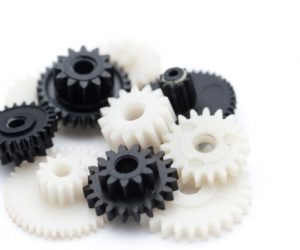
How Do Plastic Crown Gears Enhance Efficiency in Mechanical Systems?
Plastic crown gears are quietly revolutionizing mechanical design. These specialized gears transfer motion between non-parallel shafts—typically at 90-degree angles—while offering advantages that metal gears cannot match. Their lightweight construction, low...
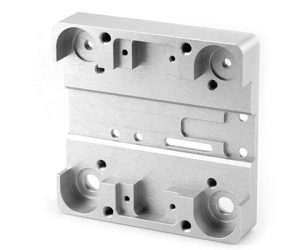
What Is High Precision Metal Stamping and How Does It Work?
Manufacturers in industries like automotive, aerospace, and medical devices face a common challenge. They need parts with features measured in microns. They need those parts to be identical across millions...
How to Choose the Right Prototype Supplier?
Introduction You have a product idea. You have a design. Now you need a partner to turn that design into a physical prototype. The right prototype supplier can accelerate your...
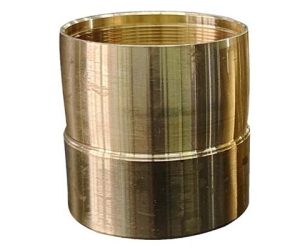
How Do You Calculate and Optimize CNC Feed Rate for Better Machining Results?
Introduction You set up a job. The program looks right. The tools are sharp. But the part comes out wrong. Rough surfaces. Chatter marks. Premature tool wear. The culprit? Often,...
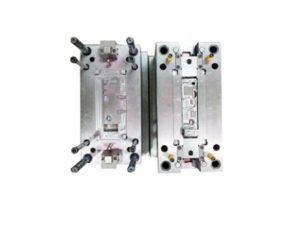
What Makes 718 (1.2738) the Premium Choice for High-Volume Plastic Molds?
Introduction You’re running a high-volume production line. Your P20 mold performs well for the first 300,000 cycles. Then you notice it: surface finish degrading, tolerances drifting, parts starting to show...

Which CNC 5-Axis Machining Center Offers Precision and Versatility?
Introduction A turbine blade with complex curved surfaces. A medical implant requiring micron-level accuracy. An electric vehicle component that must be lightweight yet strong. These parts share one thing: they...
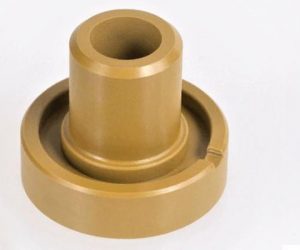
Why Do Plastic Part Tolerance Standards Make or Break Manufacturing Success?
Every plastic component starts with a design. That design specifies exact dimensions. But in the real world, no manufacturing process produces identical parts every time. A plastic gear meant to...
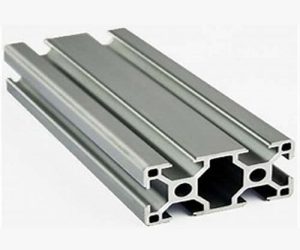
What Do You Need to Know About Aluminium Rapid Prototyping?
Introduction You need a prototype that is strong, lightweight, and conducts heat efficiently. Plastic prototypes cannot handle the load. Steel prototypes are too heavy. Aluminium offers the perfect balance—high strength-to-weight...
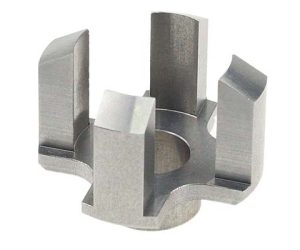
How to Choose the Right Prototype Company for Your Plastic or Metal Part?
Introduction You have a design. You need a physical prototype to test, validate, and refine before production. But with so many prototype companies offering different services, how do you choose...
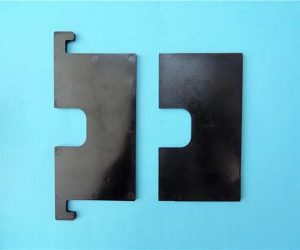
What Are the 8 Key Advantages of Using Plastic in Machining?
Introduction Walk through any modern factory, and you will see plastic parts everywhere. They are in automotive engines, medical devices, electronic housings, and chemical processing equipment. The use of plastic...
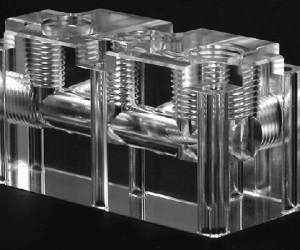
How Is Rapid Prototyping Shaping the Pulse of Modern Innovation?
Introduction Innovation moves fast. Product cycles shrink. Consumer demands shift. The companies that succeed are those that can turn ideas into reality faster than competitors. Rapid prototyping (RP) is the...
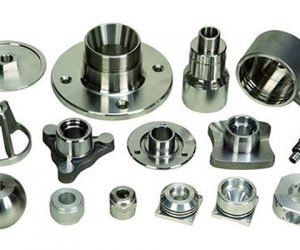
How Is Rapid Prototyping with Aluminium Revolutionizing Manufacturing?
Introduction Manufacturing is evolving. The demand for lighter, stronger, and more complex parts is growing across industries. Rapid prototyping with aluminium combines the unique properties of this versatile metal with...
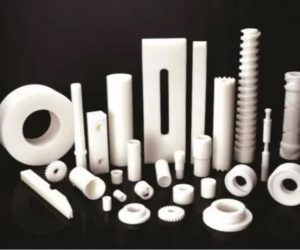
Thermoforming vs. Injection Molding: Which Process Suits Your Needs?
Introduction Thermoforming and injection molding are two of the most common plastic manufacturing processes. Both produce high-quality parts, but they serve different applications, volumes, and budgets. Choosing the right process...

What Should You Know About Transparent and Translucent Bakelite?
Introduction Bakelite holds a special place in materials history. As the first fully synthetic plastic—developed by Leo Baekeland in 1907—it launched the modern plastics era. Today, bakelite remains valued for...
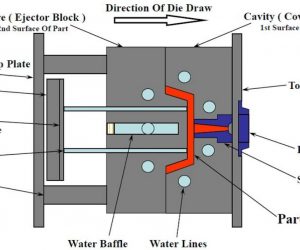
What is an Injection Moulding Diagram?
For anyone involved in the design, commissioning, or maintenance of an injection molding operation, the Injection Moulding Diagram is the indispensable master blueprint. Far more than a simple drawing, it...
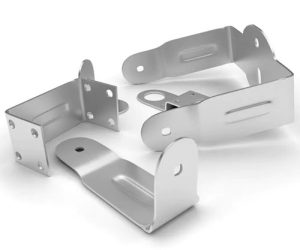
What Is Stainless Steel Stamping & How Do You Do It Right?
Manufacturers face a familiar dilemma: finding a material that offers both exceptional corrosion resistance and the ability to be shaped into complex forms. Many metals fail here. Some resist rust...

How Is 3D Printing Unleashing the Power of Metal for Parts?
Introduction For centuries, shaping metal meant one thing: force. Hammering, casting, machining—applying enough energy to make metal flow or cutting away what wasn't needed. But a new approach has emerged....
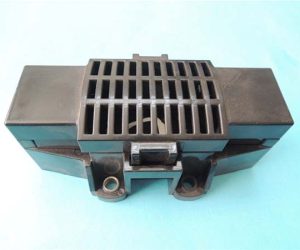
How Can You Master CNC Machining of Nylon PA6 for Precision Parts?
Introduction Nylon PA6 is one of the most widely used engineering plastics. It offers a strong balance of strength, abrasion resistance, and cost-effectiveness. But machining this material comes with distinct...

How Is 3D Printing Shaping the Future of Production?
Introduction 3D printing has come a long way from its early days as a prototyping tool. Today, it's reshaping how products are designed, manufactured, and delivered across industries. The numbers...
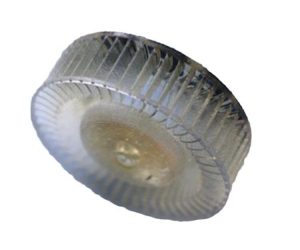
Polyamide vs. Nylon: What’s the Difference and Which One Should You Choose?
The terms polyamide and nylon are often used interchangeably. But in materials science, they are not quite the same. Understanding the distinction helps you select the right material for your...