
Plastic & Metal industry knowledge
Transfer the value information of rapid prototypes, mold and injection molding industry
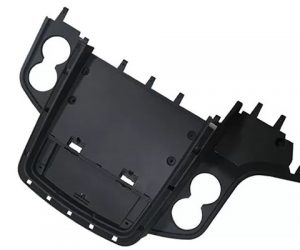
How Is CNC Precision Manufacturing Inc. Driving Excellence in Advanced Machining?
Introduction In aerospace, a 1% reduction in aircraft weight leads to a 0.7% reduction in fuel consumption. In medical devices, a tolerance deviation of 0.0005 inches can mean the difference...
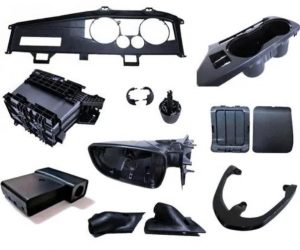
How Does Insert Molding Injection Enhance Manufacturing Efficiency?
Introduction Insert molding injection is a specialized manufacturing process that combines the versatility of plastic injection molding with the strength and functionality of pre-formed inserts—typically metal, but also glass, ceramic,...
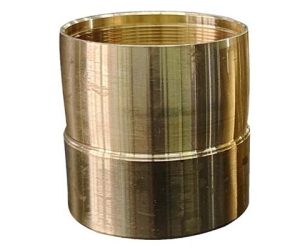
How Do You Choose the Right CNC Machining Parts Manufacturer in China?
Introduction China has emerged as a global powerhouse in CNC machining. It offers cost-effective production without compromising on quality—when you choose the right partner. But with thousands of manufacturers, each...
How Is 3D Printing Changing the Way We Make Bike Parts?
Introduction You have likely noticed that bikes are getting lighter, more comfortable, and frankly cooler looking than ever before. A big part of that shift comes from 3D printing technology...
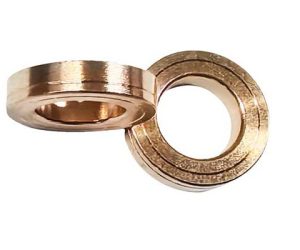
What Are the Best Practices for CNC Prototyping in Modern Product Development?
Introduction In product development, getting the prototype right is critical. The prototype stage can make or break a product—whether in automotive, aerospace, medical, or consumer goods. Traditional prototyping methods come...
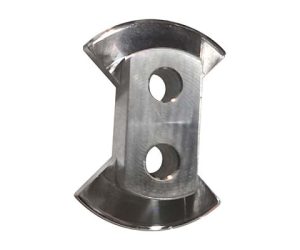
How Do You CNC Machine Grade 9 Titanium (Ti-3Al-2.5V) for Precision Applications?
Introduction Grade 9 titanium—Ti-3Al-2.5V—sits in a sweet spot among titanium alloys. It is stronger than commercially pure titanium (Grade 2) by 50% , yet more ductile and easier to machine...
Is 3D Printing Really Changing How We Make Things?
Introduction Manufacturing companies today face real pressure. Customers want products faster. They want things made just for them. Supply chains keep breaking. Traditional manufacturing wasn't built for this world. Think...
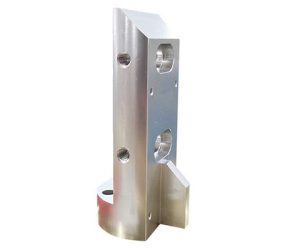
How Can You Master CNC Machining of Nickel Alloy Inconel 718?
Introduction Inconel 718 is a premier nickel alloy. It offers exceptional high-temperature performance, corrosion resistance, and high strength—properties that make it indispensable in aerospace, energy, and chemical processing. It retains...

What Are the Key Benefits of SLA 3D Printing Service?
SLA 3D printing delivers exceptional detail, smooth surface finish, and material versatility—making it the preferred choice for medical devices, aerospace components, consumer products, and applications where precision and aesthetics matter...
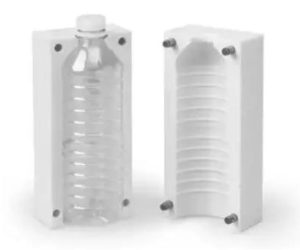
Can WAAM 3D Printing Solve Your Large-Scale Metal Challenges?
Introduction If you work with large metal parts, you know the struggle. Traditional methods like forging or casting require expensive molds and long lead times. Machining a part from a...
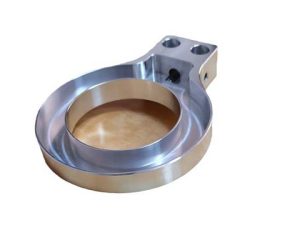
What Is Swiss Turning and Why Does Precision Manufacturing Rely on It?
Introduction Imagine a tiny bone screw for spinal surgery—thinner than a toothpick yet holding tolerances tighter than a human hair. Or a connector pin inside your smartphone, machined so precisely...

What Is the Best 3D Prototype Maker for Your Project?
The best 3D prototype maker depends on your project's size, material needs, budget, and detail requirements—from affordable FDM printers for functional parts to high-precision resin systems for detailed models and...
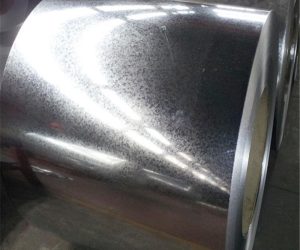
What Is Sheet Metal SPHC and Why Should You Choose It?
Introduction Manufacturers often struggle to find a material that balances cost, workability, and strength. Some steels are too hard to form. Others lack the durability for structural use. Sheet metal...
Which Top 3D Printing Companies Are Shaping the Future of Prototyping?
Introduction Prototyping is the heartbeat of product development. The faster you can test an idea, the sooner you can fix flaws and bring a product to market. 3D printing has...
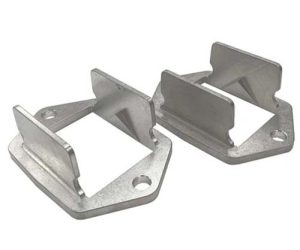
What Is 26 Gauge Sheet Metal and When Should You Use It?
Introduction You are designing a project that needs sheet metal, but weight is a concern. You want something thin enough to form easily, yet strong enough to hold up under...
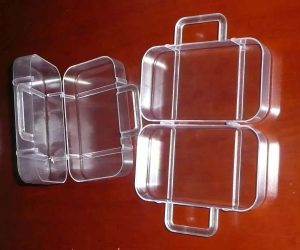
How to Master Injection Molding of Polypropylene (PP)?
Introduction Polypropylene—PP —is one of the most widely used plastics in injection molding. It is in your yogurt cups, your car’s interior trim, and your medical syringes. Its combination of...
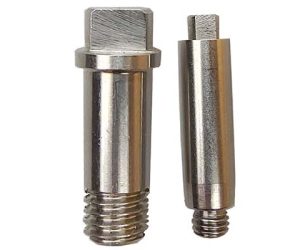
Can CNC Machining SS416 Deliver Both Speed and Strength for Your Project?
Introduction When production managers search for a stainless steel that balances fast machining with reliable mechanical properties, SS416 (Stainless Steel 416) often tops the list. This free-machining martensitic alloy is...

How Can 10 Strategies Make Injection Molding a Green Process?
Introduction Injection molding is one of the most widely used manufacturing processes in the world. It produces billions of parts annually—from automotive components to medical devices. But with this scale...
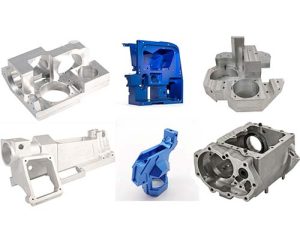
What You Need to Know About SLM Manufacturing?
Selective Laser Melting (SLM) manufacturing uses high-powered lasers to melt metal powder into fully dense, complex parts—enabling innovations in aerospace, medical, and automotive industries that traditional methods cannot match. Introduction:...
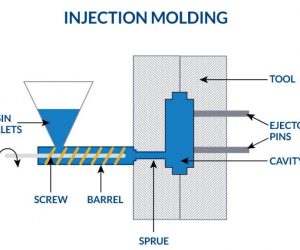
How Does the Manufacturing Process of Injection Molding Work?
Introduction Injection molding is everywhere. It creates the smartphone case in your hand. It forms the dashboard in your car. It produces the syringe at your doctor's office. This manufacturing...