
Are You Struggling to Find the Right Metal Prototype Manufacturers?

Sheet metal

Contents Introduction What Are Metal Prototype Manufacturers? What Key Factors Should You Consider? Experience and Expertise Range of Services Quality Control Cost-Effectiveness Delivery Time How Do You Compare Leading Manufacturers? What Questions Should You Ask Potential Manufacturers? Technical Capabilities Quality Assurance Project Management Intellectual Property Yigu Technology's Perspective Innovative Processes Rapid Response Comprehensive Support How […]

Introduction

You have a design. It requires metal—for strength, heat resistance, or durability. But finding a manufacturer who can deliver high-quality metal prototypes on time, within budget, and to your specifications is not easy. The wrong partner leads to delays, poor quality, and blown budgets. The right partner accelerates development and reduces risk. At Yigu Technology, we have produced metal prototypes for aerospace, automotive, medical, and electronics clients for over a decade. This article helps you navigate the selection process—covering what to look for, key factors, and how to compare potential partners.


What Are Metal Prototype Manufacturers?

Metal prototype manufacturers are specialized entities that create initial models of products using metal materials. These prototypes serve as the foundation for final products—designed with precision, considering functionality, aesthetics, and manufacturability.

Why they matter:

  • Quality impact: Well-crafted prototypes allow testing and refinement before mass production. Industry statistics show over 70% of product failures can be traced back to insufficient prototype testing.
  • Performance influence: Material choice, manufacturing process, and design all affect final product performance. Aerospace components made from titanium, for example, must withstand extreme conditions.

Example: A company launching a new high-performance electronic device needs a metal prototype that houses internal components perfectly—with precise cutouts, proper thermal management, and an ergonomic exterior.


What Key Factors Should You Consider?

Experience and Expertise

Experience matters. A manufacturer with years of industry experience has encountered diverse challenges and developed solutions.

What to look for:

  • Years in business (10+ years indicates stability)
  • Portfolio across your industry (aerospace, automotive, medical, etc.)
  • Experience with your specific materials (titanium, aluminum, stainless steel)
  • Track record of handling complex designs and tight tolerances

Example: Yigu Technology has successfully completed aerospace projects requiring high-precision components meeting stringent requirements for material strength, heat resistance, and dimensional accuracy.

Range of Services

A comprehensive service offering streamlines the development process.

ServiceDescription
Design assistanceHelp refine initial ideas into manufacturable designs
Material selectionRecommend suitable metals based on application requirements
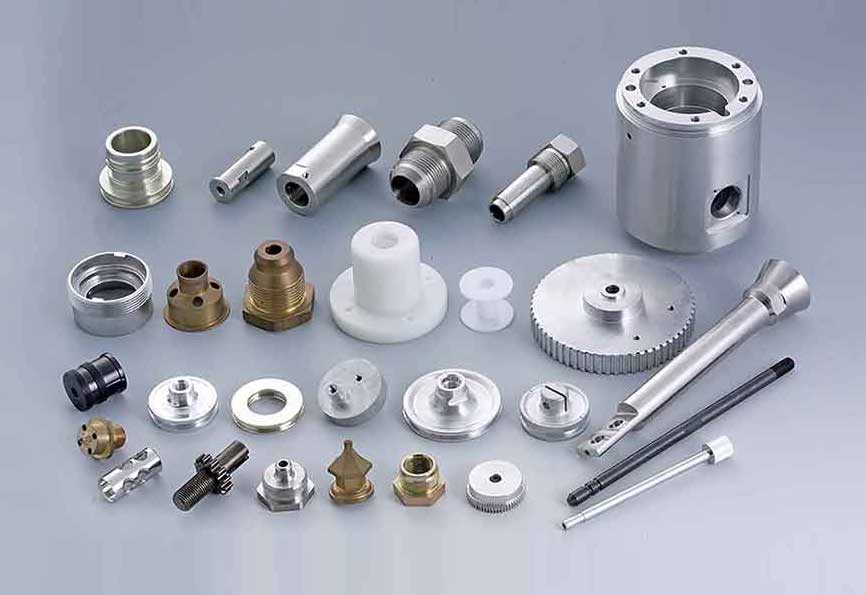
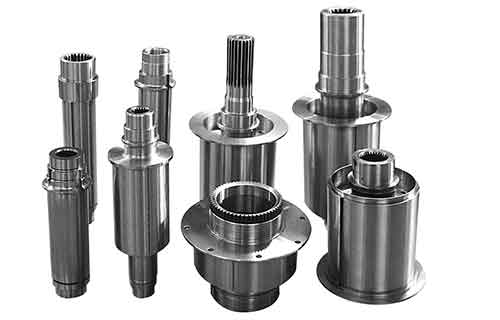
CNC machiningHigh-precision parts with complex geometries (tolerances ±0.01 mm)
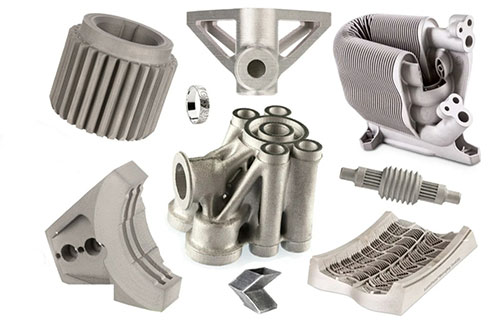
3D printing (metal)Rapid prototyping of intricate designs (hours vs. days)
Metal castingLarge-scale or complex-shaped prototypes

Quality Control

Quality control is non-negotiable in metal prototyping.

What to look for:

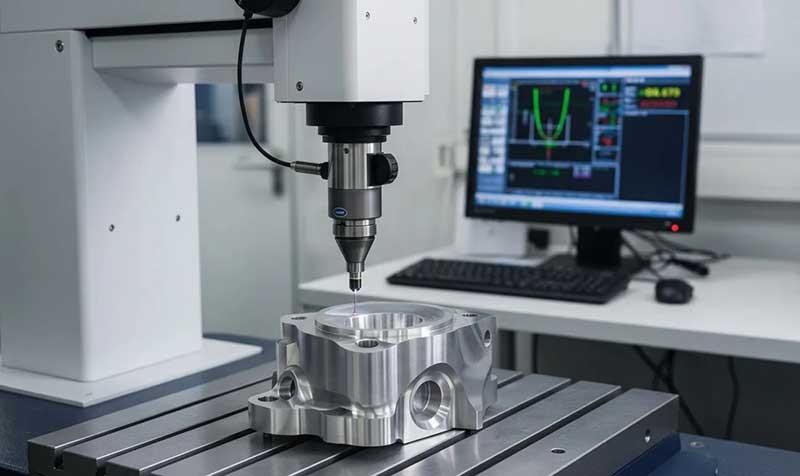
  • Advanced inspection equipment: Coordinate measuring machines (CMMs) for dimensional verification
  • Quality certifications: ISO 9001, AS9100 (aerospace), ISO 13485 (medical)
  • Multi-stage inspections: Raw material testing, in-process checks, final verification
  • Material certifications: Traceable chemical composition and mechanical properties

Cost-Effectiveness

Cost is important, but not the only factor.

Cost ComponentConsiderations
Material costsTitanium is more expensive than aluminum; stainless steel varies by grade
Processing costsComplexity, tolerances, and chosen process affect cost
Overhead costsSetup, programming, post-processing

Key insight: The cheapest option may have quality issues that lead to higher costs in the long run. Look for manufacturers who optimize processes to reduce unnecessary expenses without sacrificing quality.

Delivery Time

Timely delivery is critical. A one-week delay can increase project costs by 10–15% due to extended labor, missed market opportunities, and potential contract penalties.

What to look for:

  • Efficient production schedules
  • Reliable supply chains
  • Clear communication and regular progress updates
  • Track record of on-time delivery

How Do You Compare Leading Manufacturers?

ManufacturerService RangePrice RangeCustomer ReviewsExperience
Yigu TechnologyDesign assistance, material selection, CNC machining, 3D printing, metal casting. Serves aerospace, automotive, electronics.Medium–high (competitive for quality)High satisfaction; praised for precision, on-time delivery, technical support10+ years
Company AFocus on 3D printing and basic CNC. Small-scale consumer prototypes.Low–medium (attractive for startups)Mixed; limited service scope, but affordable5 years
Company BWide range including forging and sheet metal fabrication. Large-scale industrial projects.High (high-end equipment, large-scale capability)High-end clients satisfied with large-scale quality15+ years

What Questions Should You Ask Potential Manufacturers?

Technical Capabilities

  • What metals do you commonly work with? (Aluminum, steel, titanium, etc.)
  • What manufacturing processes do you offer? (CNC, 3D printing, casting)
  • What is your typical tolerance capability? (±0.01 mm, ±0.05 mm, etc.)
  • Do you have experience with my specific industry?

Quality Assurance

  • Are you ISO 9001, AS9100, or ISO 13485 certified?
  • What inspection equipment do you use? (CMM, optical measurement, etc.)
  • How do you ensure material traceability?
  • What is your defect rate?

Project Management

  • What is your typical lead time for prototypes?
  • How do you communicate project status?
  • Can you provide references from similar projects?

Intellectual Property

  • Will you sign a non-disclosure agreement (NDA)?
  • How do you protect customer designs?

Yigu Technology's Perspective

As a non-standard plastic and metal products custom supplier, Yigu Technology brings unique strengths to metal prototype manufacturing.

Innovative Processes

We stay at the forefront of technological advancements, adopting emerging metal processing techniques such as:

  • Advanced laser-assisted CNC machining: Ultra-fine surface finishes and extremely tight tolerances
  • Metal 3D printing: Rapid production of complex geometries
  • Multi-axis machining: Complex parts in a single setup

Rapid Response

Once we receive a project requirement:

  • Preliminary design concepts within 24 hours
  • Prototype production within 1 week (for standard complexity)
  • Faster turnaround than many competitors

Comprehensive Support

From initial concept to final delivery:

  • Design assistance and optimization
  • Material selection guidance
  • In-process quality control
  • Post-processing and finishing

How Do You Ensure Quality?

Multi-Stage Inspection

StageInspection Activity
Raw materialChemical composition, mechanical properties verification
In-processDimensional checks during manufacturing
FinalCMM measurement, surface finish evaluation, functional testing

Certifications

Look for manufacturers with:

  • ISO 9001: Quality management system
  • AS9100: Aerospace quality management (for aerospace applications)
  • ISO 13485: Medical device quality management (for medical applications)

Material Traceability

Ensure manufacturers provide material certifications documenting:

  • Chemical composition
  • Mechanical properties
  • Heat treatment (if applicable)
  • Source of raw materials

What Are Typical Lead Times?

ProcessComplexityTypical Lead Time
3D printing (metal)Simple1–3 days
3D printing (metal)Complex3–7 days
CNC machiningSimple3–5 days
CNC machiningComplex (tight tolerances, multiple setups)7–15 days
Metal castingSimple7–10 days
Metal castingComplex (with tooling)10–20 days

Note: Lead times vary based on material availability, complexity, and current workload.


Conclusion

Finding the right metal prototype manufacturer is critical to your product’s success. Key factors to evaluate:

  • Experience and expertise: Look for proven track record in your industry
  • Range of services: Comprehensive capabilities streamline development
  • Quality control: Certifications, inspection equipment, and multi-stage checks
  • Cost-effectiveness: Balance price with quality and reliability
  • Delivery time: On-time delivery prevents project delays

Take time to compare manufacturers. Ask detailed questions. Request references. Visit facilities if possible. The right partner will not only deliver high-quality prototypes but also provide design support, material guidance, and technical expertise that accelerate your development cycle.


Frequently Asked Questions

How can I ensure the quality of metal prototypes?
Choose a manufacturer with a comprehensive quality control system: advanced inspection equipment (CMMs), multi-stage inspections (raw material, in-process, final), and relevant certifications (ISO 9001, AS9100, ISO 13485). Request material certifications and inspect samples before full production.

What is the typical lead time for metal prototype production?
Lead time varies by process and complexity. Simple 3D printed metal prototypes: 1–3 days. Complex CNC-machined parts: 7–15 days. Metal casting with tooling: 10–20 days. Always confirm lead times before ordering.

Can metal prototype manufacturers help with design optimization?
Yes. Professional manufacturers have in-house design teams. They can provide suggestions on material selection, manufacturing feasibility, and design optimization—improving functionality, manufacturability, and cost-effectiveness.

What metals are commonly used for prototypes?
Common metals include aluminum (lightweight, good machinability), steel (high strength, durability), stainless steel (corrosion resistance), and titanium (high strength-to-weight, biocompatibility). Choice depends on application requirements for strength, weight, corrosion resistance, and temperature.

How do I compare different metal prototype manufacturers?
Compare across: years of experience, range of services, quality certifications, customer reviews, typical lead times, and pricing structure. Request quotes from multiple manufacturers and evaluate based on your specific project requirements—not just price.


Contact Yigu Technology for Custom Manufacturing

At Yigu Technology, we specialize in metal prototype manufacturing with over 10 years of experience. Our capabilities include CNC machining, metal 3D printing, and metal casting for aluminum, steel, stainless steel, titanium, and specialty alloys. We serve aerospace, automotive, medical, and electronics industries.

If you are looking for a reliable metal prototype partner, contact our engineering team. Let us help you turn your designs into high-quality prototypes—on time and within budget.

Scroll to Top