
Introduction
You have a product design that requires silicone. It needs to be flexible, durable, biocompatible, or heat-resistant. But finding the right partner to turn your design into a functional silicone prototype can be challenging. The wrong manufacturer delivers poor quality, missed deadlines, or materials that fail testing. The right one becomes a trusted partner—helping you optimize designs, select materials, and accelerate development. This guide explains what to look for in silicone prototype manufacturers, how to evaluate their capabilities, and how to make the right choice for your project.
Why Are Silicone Prototypes Important?
Silicone prototypes play a pivotal role in product development. They allow testing of design, functionality, and feasibility before mass production—saving time and cost.
Applications Across Industries
Medical Industry: Silicone is highly biocompatible, ideal for catheters, prosthetics, and surgical tools. Over 70% of new medical device concepts start with silicone prototypes to validate design and functionality (Medical Device Manufacturers Association).
Automotive Industry: Silicone prototypes for gaskets, seals, and interior components test durability under extreme temperatures and high-pressure environments. Approximately 30% of automotive parts undergo silicone prototype testing before full-scale production.
Electronics Industry: Silicone’s excellent electrical insulation and heat resistance make it ideal for insulators, connectors, and heat-dissipating parts. In smartphone manufacturing, silicone prototypes test rubberized buttons and seals for water resistance and long-term usability.
What Key Aspects Should You Evaluate?
Selecting a silicone prototype manufacturer requires evaluating several critical dimensions.
Experience and Track Record
Experience matters. A company with a decade-long presence has likely encountered and overcome diverse challenges—complex designs, tight schedules.
Look for:
- Years in operation: 10+ years indicates stability and adaptability
- Completed projects: High-volume producers (500+ projects/year) demonstrate capacity
- Customer reviews: Average rating of 4.8/5 based on 100+ reviews indicates reliability
Manufacturing Capabilities
Advanced equipment is essential. Look for:
- State-of-the-art injection molding machines: High-speed machines reduce production time
- 3D printers: Enable complex geometries
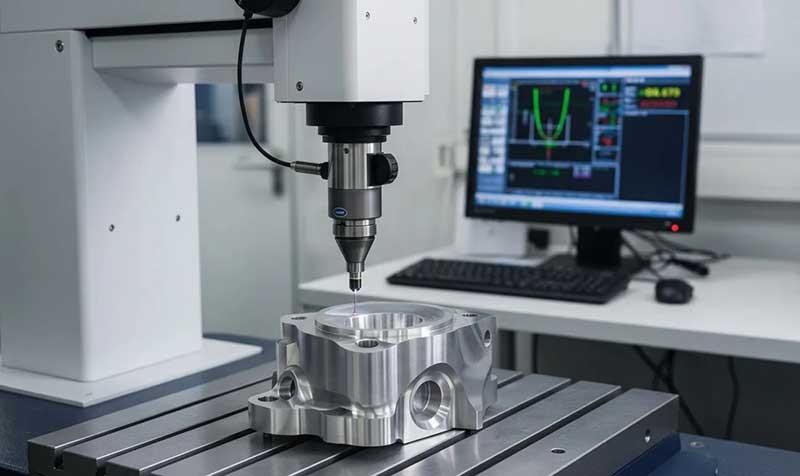
- Precision measuring tools: Coordinate Measuring Machines (CMMs) for dimensional verification
Molding processes:
- Liquid Silicone Rubber (LSR) molding: High precision, soft-touch surfaces—ideal for medical and consumer electronics
- Solid Silicone Rubber (SSR) molding: Suitable for larger, more robust components
- High-precision machining: Tolerances to ±0.01 mm ensure precise fit and function
Material Selection and Quality Control
Material selection is crucial. Different silicone grades offer varying hardness, temperature resistance, and chemical resistance.
Material requirements:
- High-temperature industrial environment: Silicone with maximum operating temperature of 250°C
- Medical applications: Biocompatible, sterilizable materials
Quality control measures:
- Material testing: Tensile strength, elongation, compression set
- In-process monitoring: Regular inspections during molding—mold filling, part ejection
- Final inspection: Visual inspection, dimensional inspection (CMM), functional testing
Design and Engineering Support
A good manufacturer offers more than manufacturing—they provide design and engineering support.
Design optimization: Suggesting wall thickness changes to improve strength without adding excessive material.
Problem-solving: Identifying areas difficult to mold or prone to stress concentrations; proposing alternative solutions.
A collaborative approach leads to better-performing prototypes and ultimately more successful products.
How Do You Compare Different Manufacturers?
Comparing options helps make informed decisions.
| Aspect | Manufacturer A | Manufacturer B | Manufacturer C |
|---|---|---|---|
| Price (100-unit simple prototype) | $500–$800 | $300–$600 | $800–$1,200 |
| Delivery Time | 1–2 weeks (small); 3–4 weeks (complex) | 1 week (small); 2–3 weeks (complex) | 2–3 weeks (small); 5–6 weeks (complex) |
| Quality (Defect Rate) | <2% | 3–4% | <1% |
| Service | Basic design support; 24-hour inquiry response | Comprehensive design support; round-the-clock service; after-sales support | Limited design support; 48-hour response |
Manufacturer A: Medium-high price, good quality, basic support—suitable for projects where quality is important but comprehensive design support is not critical.
Manufacturer B: Low-medium price, fastest delivery, comprehensive support—ideal for time-sensitive projects needing engineering collaboration.
Manufacturer C: High price, exceptional quality, limited support—best for high-end applications where quality is paramount and timeline is flexible.
What Should You Look for Beyond the Basics?
Beyond experience and capabilities, consider:
Innovation Ability
A manufacturer should explore new methods and materials for unique design concepts—special silicone materials or complex molding techniques. Innovation helps gain competitive edge.
Rapid Response
Quick response times to inquiries and ability to adjust production schedules according to customer needs are crucial. A partner who communicates promptly and flexibly reduces delays.
Certifications
Look for ISO 9001 (quality management) or industry-specific certifications. Medical applications may require ISO 13485.
What Is the Typical Lead Time?
Lead time typically ranges from 1–3 weeks.
| Factor | Impact |
|---|---|
| Small-scale, simple orders | 1 week |
| Larger orders, complex designs | Up to 3 weeks or more |
| Unique material sourcing | Additional days |
How Can You Ensure Quality?
Ensure quality through:
- Relevant certifications: ISO 9001, ISO 13485 for medical
- Sample test reports: Material property tests (tensile strength, elongation), dimensional accuracy checks
- Pre-production meetings: Define quality requirements and inspection criteria
- In-process inspection reports: Monitor quality during production
Can Manufacturers Help with Design Modifications?
Yes. Professional manufacturers have experienced engineering teams with in-depth knowledge of silicone materials and processes.
Example: In a silicone smartphone case project, the manufacturer noticed corners prone to stress concentration. They proposed rounding corners and adding small grooves—enhancing durability and improving aesthetic appeal.
How Does Yigu Technology Approach Silicone Prototyping?
As a non-standard plastic and metal products custom supplier, Yigu Technology provides comprehensive silicone prototyping services.
We Offer Multiple Capabilities
- LSR molding for high-precision, soft-touch parts
- SSR molding for larger, robust components
- 3D printing for complex geometries
- Precision machining for tight tolerances
We Provide Material Expertise
Our engineers help select the right silicone grade—high-temperature for industrial, biocompatible for medical, flexible for consumer electronics.
We Support Design Optimization
We provide design feedback, suggest improvements, and work collaboratively to ensure prototypes meet your requirements.
Conclusion
Choosing the right silicone prototype manufacturer requires evaluating experience, manufacturing capabilities, material expertise, quality control, and design support. Compare options based on price, delivery time, quality, and service. Look for innovation ability and rapid response.
By selecting a partner who offers both technical expertise and collaborative support, you ensure high-quality prototypes that accelerate development and reduce risk.
Frequently Asked Questions
What is the typical lead time for silicone prototype manufacturing?
Lead time typically ranges from 1–3 weeks. Small-scale, simple orders often complete within 1 week. Larger orders or complex designs may take up to 3 weeks or more. Factors include design complexity, quantity, and material availability.
How can I ensure the quality of silicone prototypes?
Choose a manufacturer with relevant certifications (ISO 9001, ISO 13485). Request sample test reports—material property tests, dimensional accuracy checks. Conduct pre-production meetings to define quality requirements. Request in-process inspection reports to monitor quality during production.
Can silicone prototype manufacturers help with design modifications?
Yes. Professional manufacturers have experienced engineering teams who can suggest design improvements. They identify potential molding issues, stress concentrations, and propose alternative solutions—enhancing durability and performance.
What is the difference between LSR and SSR molding?
LSR (Liquid Silicone Rubber) molding uses liquid silicone injected into molds—high precision, soft-touch surfaces—ideal for medical and consumer electronics. SSR (Solid Silicone Rubber) molding uses solid silicone—suitable for larger, more robust components. Choose based on application requirements.
What certifications should I look for?
Look for ISO 9001 for quality management. For medical applications, ISO 13485 is essential. Industry-specific certifications may apply depending on your application.
Contact Yigu Technology for Custom Manufacturing
Ready to bring your silicone product to life? Yigu Technology offers LSR molding, SSR molding, and 3D printing services for silicone prototypes. Our engineers help you select the right materials and processes for your application. Contact us today to discuss your project.


