
Where Can I Find the Best CNC Turning Services Near Me?

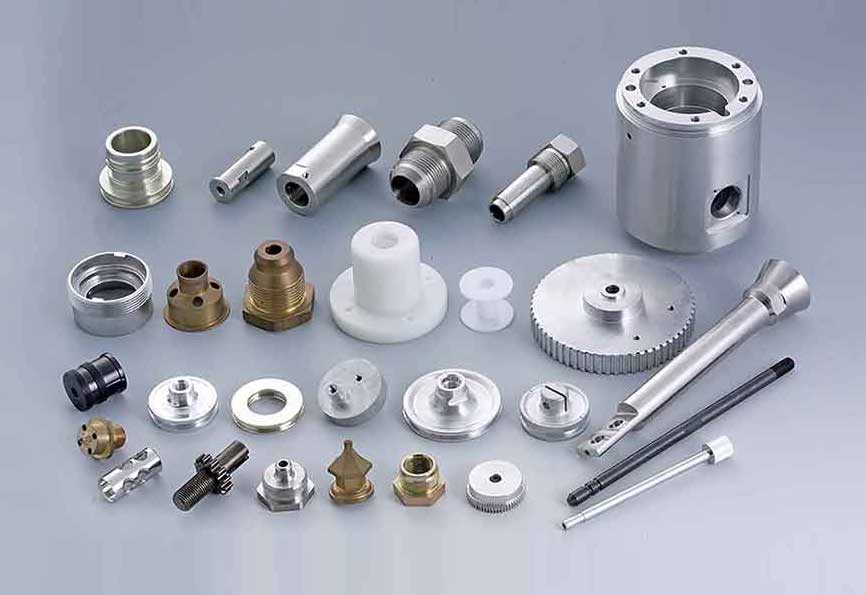
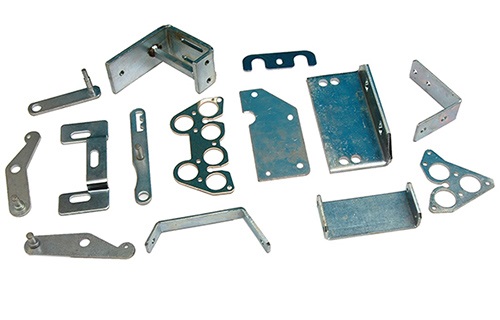
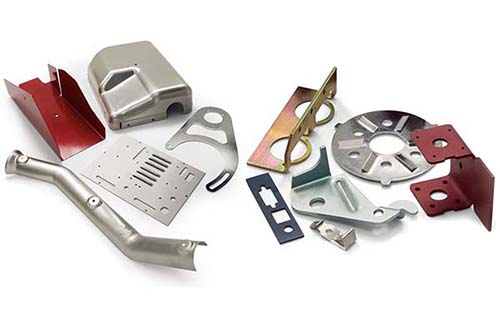
CNC machining of non-standard metal hardware parts and copper parts, stainless steel, CNC aluminum parts processing, CNC precision machining

Contents Introduction What Is CNC Turning and Why Does It Matter? Key Advantages How Do You Find Local CNC Turning Services? Online Search Engines Industry Directories Local Business Listings Trade Shows and Exhibitions Referrals and Word of Mouth Social Media and Forums What Should You Look for in a CNC Turning Provider? Precision and Tolerance […]

Introduction

You have a design. You need parts. And you need them right—precise, reliable, and delivered on time. The question is simple: where do you find the CNC turning services near you that can deliver?

Local matters. Proximity means faster turnaround, easier communication, and the ability to build a working relationship with the people actually making your parts. But finding the right shop among the options can feel overwhelming. This guide walks you through how to find local CNC turning providers, what to look for, and how to choose the one that best fits your project needs.


What Is CNC Turning and Why Does It Matter?

Before diving into how to find services, it helps to understand what you are looking for. CNC turning is a manufacturing process where a rotating workpiece is shaped by a stationary cutting tool. The computer controls every movement, ensuring precision and repeatability.

Key Advantages

  • High precision: Tolerances as tight as ±0.001 inches are standard
  • Efficiency: Automated operation means faster production
  • Versatility: Works with metals, plastics, and composites
  • Scalability: Handles one-off prototypes and high-volume runs equally well

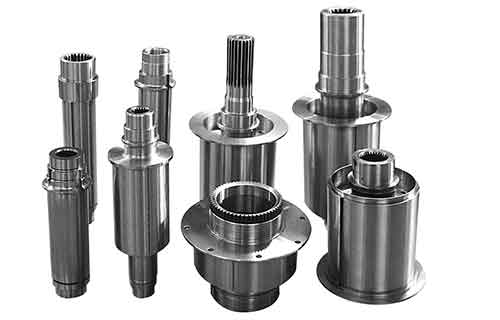
Industries from aerospace to medical devices rely on CNC turning for shafts, bushings, connectors, and countless other components. Understanding these basics helps you ask the right questions when evaluating potential partners.


How Do You Find Local CNC Turning Services?

Finding local providers takes a bit of research. Here are the most effective methods.

Online Search Engines

Start with a simple Google search for "CNC turning services near me" or "local CNC machining." Google Maps shows nearby shops along with:

  • Customer reviews and ratings
  • Contact information
  • Website links
  • Photos of facilities and work

Industry Directories

Specialized directories offer more detailed information than general search engines:

DirectoryFeatures
ThomasNetFilter by location, capabilities, certifications
Modern Machine ShopCompany profiles and industry focus
Maker's RowGood for smaller shops and prototyping

Local Business Listings

Check your local Chamber of Commerce or regional business directories. These often list smaller, specialized shops that may not have a large online presence but offer excellent service.

Trade Shows and Exhibitions

Manufacturing trade shows are invaluable for meeting providers face-to-face. You can:

  • See equipment in action
  • Discuss project specifics directly
  • Evaluate shop culture and communication style

Referrals and Word of Mouth

Ask colleagues, industry peers, or even material suppliers for recommendations. A trusted referral often leads to reliable, high-quality service.

Social Media and Forums

LinkedIn, industry-specific forums, and even Instagram can showcase CNC shops. Many providers post examples of their work, client testimonials, and behind-the-scenes content that gives insight into their capabilities.


What Should You Look for in a CNC Turning Provider?

Finding a shop is one thing. Finding the right shop requires evaluating several key factors.

Precision and Tolerance Capabilities

Precision is the foundation of CNC turning. Ask about the tolerances they can consistently achieve. Different industries have different requirements:

IndustryTypical Tolerance
General machining±0.005–0.010 inches
Automotive±0.002–0.005 inches
Aerospace±0.001–0.002 inches
Medical devices±0.0005–0.001 inches

Ask for examples of past work that demonstrate their ability to meet your required tolerances. A reputable shop will have case studies or sample parts they can show.

Material Compatibility and Expertise

Not every shop works with every material. Confirm they have experience with your specific material:

  • Metals: Aluminum, steel, stainless steel, titanium, brass, copper
  • Plastics: Delrin (acetal), ABS, nylon, polycarbonate, PEEK
  • Composites: Carbon fiber, fiberglass

A shop that specializes in aerospace titanium may not be the best choice for medical-grade plastics. Match their expertise to your project.

Turnaround Time and Efficiency

Time matters. Ask about lead times for projects similar to yours. Some questions to ask:

  • What is your typical lead time for prototypes?
  • How about for production runs of my expected volume?
  • Can you accommodate rush orders if needed?

Local shops often offer faster turnaround because they are not dealing with long shipping distances or complex logistics.

Quality Control Measures

How does the shop ensure every part meets specifications? Look for:

Quality MethodWhat It Ensures
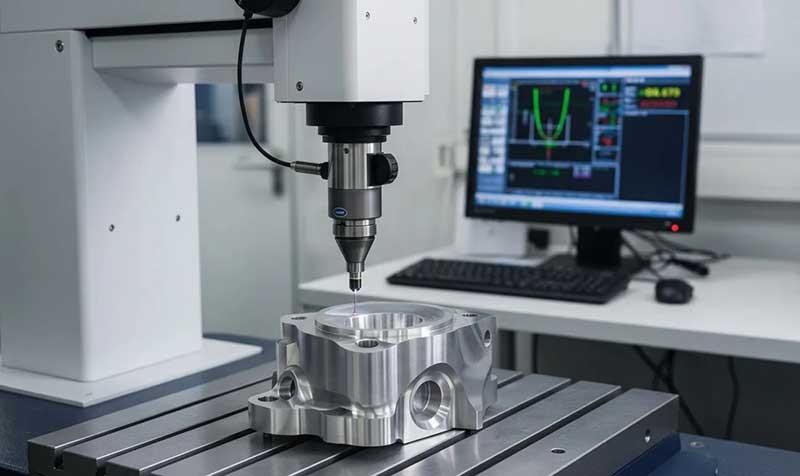
Coordinate Measuring Machines (CMM)Precise dimensional verification
Optical/laser scanningComplex geometry validation
In-process inspectionReal-time quality monitoring
First article inspectionVerification before full production

A shop without documented quality processes is a risk. Ask to see their inspection reports or quality certifications.

Cost and Pricing Structure

Price is always a factor, but the lowest quote is rarely the best value. Request detailed quotes that break down:

  • Material costs
  • Setup fees
  • Machine time
  • Secondary operations
  • Shipping

Comparing apples-to-apples quotes helps you understand where the value really is.

Customer Service and Communication

Local shops often provide more personalized service. Look for:

  • Responsive communication (within 24 hours is a good baseline)
  • Clear explanations of processes and timelines
  • Willingness to discuss design optimizations

A shop that communicates well upfront will likely communicate well throughout the project.


What Industry Trends Should You Know?

Understanding current trends helps you evaluate whether a shop is keeping up with modern manufacturing standards.

Industry 4.0 and Smart Manufacturing

Leading shops adopt technologies like:

  • IoT sensors for real-time machine monitoring
  • Predictive maintenance to prevent downtime
  • Data analytics to optimize production

These technologies improve efficiency and quality. Ask if they use such systems.

Automation and AI Integration

Automation is transforming CNC turning. Look for shops using:

  • Robotic part loading/unloading
  • Automated tool changers
  • AI-optimized tool paths

These capabilities reduce human error and speed up production.

Sustainability Practices

Many shops now adopt greener practices:

  • Scrap recycling programs
  • Energy-efficient machinery
  • On-demand manufacturing to reduce waste

If sustainability matters to your organization, ask about their practices.


What Are the Benefits of Choosing Local?

Choosing a local CNC turning service offers distinct advantages over distant or overseas providers.

Faster Turnaround and Prototyping

Proximity means shorter shipping times. For prototypes or rush orders, this can mean days saved rather than weeks. Local shops can often accommodate:

  • Same-day pickup for urgent parts
  • Quick iterations during prototyping
  • Faster response to design changes

Easier Communication and Collaboration

Being in the same time zone—and ideally the same city—makes communication simpler. You can:

  • Visit the shop to see progress
  • Discuss issues face-to-face
  • Build a working relationship with the team

Higher Quality Control

With local shops, you can:

  • Inspect parts before shipping
  • Provide feedback directly to machinists
  • Catch potential issues early

Supporting Local Business

Working with local manufacturers strengthens your regional economy and often leads to more flexible, partnership-oriented relationships.


Case Studies: Local CNC Turning Success

Aerospace Component Manufacturing

A local CNC turning shop partnered with an aerospace company facing a tight deadline for a satellite component. Using advanced CNC equipment and the advantage of proximity, they delivered high-precision parts on schedule. The client avoided costly delays and maintained their launch timeline.

Medical Device Prototyping

A medical startup needed rapid iterations of a surgical instrument. The local CNC turning service produced multiple versions within days, allowing the startup to refine the design quickly. From initial concept to final production, the local relationship shaved weeks off the development cycle.

Automotive Part Production

A custom automotive manufacturer required engine components with tight tolerances. The local CNC turning shop delivered parts that met specifications consistently across the production run. Quick turnaround ensured the vehicle launch stayed on schedule.


How Do You Make the Final Choice?

After researching and evaluating options, follow these steps to select your provider:

  1. Assess your needs. Know your materials, tolerances, volumes, and timeline.
  2. Research local providers. Use directories, reviews, and referrals to create a shortlist.
  3. Request detailed quotes. Compare pricing, but also lead times and quality processes.
  4. Visit facilities if possible. See the equipment and meet the team.
  5. Check references. Ask for past clients with similar projects.
  6. Start with a test project. A small initial order reveals how the shop handles quality, communication, and delivery.

Conclusion

Finding the best CNC turning services near you takes research, but the payoff is worth it. Local providers offer faster turnaround, easier communication, and the ability to build a genuine partnership. By evaluating precision capabilities, material expertise, quality processes, and customer service, you can identify a shop that delivers consistent results.

Start with online searches and directories. Ask for referrals. Visit facilities. And most importantly, choose a provider who treats your project with the same care you would. The right local partner becomes more than a vendor—they become a trusted extension of your team.


FAQs

How do I verify a CNC turning shop's precision capabilities?

Ask for examples of past work with similar tolerances. Request inspection reports or first article inspection documentation. A reputable shop will provide evidence of their precision capabilities and may offer to machine a sample part for evaluation.

What materials can CNC turning services typically handle?

Most shops handle common metals (aluminum, steel, stainless steel, titanium, brass) and plastics (Delrin, ABS, nylon, polycarbonate). Not all shops work with composites like carbon fiber or specialized materials like PEEK—confirm material compatibility before committing.

How much do CNC turning services cost?

Costs vary widely based on material, complexity, tolerance, and volume. Small prototype parts may cost $50–$200, while high-volume production runs can reduce per-unit costs to $5–$50 or less. Always request detailed quotes from multiple providers for accurate comparison.

What is the typical lead time for CNC turning?

For local shops, prototype lead times often range from 3–7 days. Production runs may take 1–4 weeks depending on volume and complexity. Rush orders can often be accommodated with expedited scheduling.

Why choose a local CNC turning service over an overseas provider?

Local services offer faster turnaround, easier communication, simpler quality verification, and the ability to build a direct working relationship. While overseas providers may offer lower per-unit costs for very high volumes, local services excel at responsiveness, flexibility, and collaboration.


Contact Yigu Technology for Custom Manufacturing

At Yigu Technology, we combine the advantages of local service with world-class CNC turning capabilities. With 15 years of experience, advanced equipment, and ISO 9001 certification, we deliver precision parts for aerospace, medical, automotive, and industrial applications.

Our team believes in clear communication, reliable quality, and fast turnaround. Whether you need a single prototype or a high-volume production run, we work closely with you to meet your specifications. Contact us today to discuss your project and discover how a local partnership can make all the difference.

Scroll to Top