
3D Printing
How Can 3D Printing for Animals Change Our World?
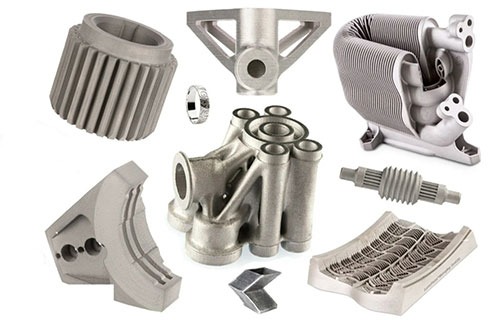
From crafting life-saving prosthetics for injured pets to replicating rare fossils for conservation science, 3D printing technology is reshaping our relationship with the animal kingdom. This guide explores the key uses of 3D printing for animals across biomedicine, wildlife protection, education, and pet care. We will show you real success stories, explain material choices, and look at future trends.
Why Use 3D Printing in Animal Medicine?
The animal health field gains huge benefits from 3D printing for biomedical models. It improves how we study animal bodies and treat their illnesses. Two main areas shine: anatomy models for research and surgery practice for vets.
How Do Anatomy Models Help Us Learn?
3D printing animal parts lets researchers and students build detailed, touchable copies of organs, bones, and tissues. 2D pictures or plastic toys cannot match this. These models make complex body structures easy to grasp.
- Real Case: A U.S. vet school uses 3D printing for dog heart models. Students can cut these flexible resin hearts. They study valve work and blood flow. They cannot do this with real hearts, which are scarce. Before 3D models, 65% of students found heart anatomy hard to picture. After, only 15% did.
- Data Point: A survey of 200 vet teachers found 92% believe 3D printed anatomy models boost student interest more than old tools.
Can Surgery Practice Save More Animals?
For vets, practice on live animals is risky and wrong. 3D printing for surgical guides offers a safe choice. Surgeons can print a copy of a specific animal’s body part. They plan and practice the operation first. This cuts errors in the real surgery.
- Real Case: A clinic in Australia prepared for a racehorse knee surgery. They scanned the hurt knee. Then, they printed a 3D model of the joint with strong PETG plastic. The surgeon practiced three times. He found a problem with implant placement. The real surgery took 30 minutes less. The horse healed 20% faster than similar cases.
Can 3D Printing Save Wildlife?
3D printing for conservation is vital. It helps protect species at risk of dying out. It does this by fighting illegal hunting and aiding science.
How Do We Copy Rare Fossils?
Fossils and bones of rare animals, like pandas or rhinos, are fragile. 3D printing animal replicas lets scientists make exact copies for study. The original samples stay safe.
- Real Case: A group in Kenya copied a fossil skull of a rare black rhino. The real skull is over 100 years old and too frail to move. The 3D printed nylon copy can go to museums and schools worldwide. Scientists used it to learn about the rhino’s diet and home. This helped make better protection plans.
Can Fake Ivory Stop Poaching?
Poachers kill over 20,000 elephants each year for ivory. 3D printing synthetic ivory offers a kind choice. This printed ivory, made from resin and recycled plastic, looks and feels real. It costs much less.
- Impact: A UK firm sold 3D printed ivory figures in 2022. In one year, they sold over 5,000 figures. Surveys show 40% of buyers would have bought real ivory before this choice. This can cut elephant poaching by lowering demand.
Cost and Impact:
| Product Type | Cost per Item | Source | Environmental Effect |
|---|---|---|---|
| Real Ivory Figure | $500 – $5,000 | Poached Elephants | Harms elephant groups; illegal. |
| 3D Printed Ivory | $50 – $200 | Recycled Plastic & Resin | No cruelty; cuts plastic waste. |
How Do We Help Hurt Animals Live Better?
For animals with injuries or disabilities, 3D printing for animal prosthetics is a life-saver. It creates custom artificial limbs and safe homes to help them live well.
What Makes Custom Prosthetics Work?
Each animal’s body is unique. 3D printing custom-fit aids lets vets and engineers make perfect prosthetics. Old one-size-fits-all options often fail.
- Real Case: A U.S. rescue group made a new leg for a three-legged dog named Max. Max lost his leg in a car crash. Old prosthetics were too heavy. The team scanned Max’s good leg. They printed a light prosthetic from PLA plastic. It weighed just 100 grams. In one week, Max could run and play like any dog.
Common 3D Printed Animal Aids:
| Animal Type | Prosthetic Type | Material Used | Key Gain |
|---|---|---|---|
| Dogs/Cats | Leg braces, paws | PLA or PETG | Light; custom fit. |
| Birds | Beak replacements | Resin | Strong; matches real shape. |
| Turtles | Shell patches | Nylon | Keeps out water; blends in. |
Can We Print Safe Homes?
3D printing for animal habitats makes custom homes. These include birdhouses, small shelters, and even coral reefs for sea life.
- Real Case: A wildlife sanctuary in Brazil made small homes for orphaned baby monkeys. The homes look like tree holes. They use biodegradable PLA plastic. This blends with the forest. The monkeys used them fast. The sanctuary saw a 30% rise in orphan survival—from 60% to 90%.
How Does 3D Printing Teach and Inspire?
Beyond science, 3D printing for education and art turns hard ideas into real objects. It sparks creativity.
Why Are 3D Models Good for Class?
3D printing for science models helps teachers. Lessons on animal shape, ecology, and change become interactive. Students can touch, look at, and take apart models. This deepens learning.
- Real Case: A middle school in Canada printed 1:5 scale dinosaur models for a fossil unit. Students compared skull shapes and teeth. They used this for reports. The teacher said students now ask questions and get excited. Test scores rose 25% from past years.
Can Artists Use This Tech?
Artists and film makers use 3D printing for animal art to make stunning works and real-looking props. Hand-making these would be very hard.
- Art Case: An artist in France made a set of 3D printed animal statues called “Wild Wonders.” The statues show lions, giraffes, and zebras. They use resin and have fine details like single hairs. The set sold for $100,000 in a Paris gallery.
- Film Case: A Hollywood studio printed 3D models of myth creatures for a fantasy movie. They used them as guides for CGI artists. The digital creatures looked more real. The film won a top award for its visual effects.
What Can 3D Printing Do for Pets?
Pet owners love to spoil their friends. 3D printing for pet products lets them make custom items that fit their pet’s needs and personality.
Are Custom Pet Items Useful?
From toys to food bowls, 3D printing custom pet gear makes products that fit just right.
- A cat owner printed a custom food bowl. It slows fast eating to stop stomach issues. The bowl has small maze paths.
- A dog owner printed a chew toy shaped like their dog’s favorite plush animal. They used strong TPU material that lasts.
Can We Keep Pet Memories Alive?
For owners who lost a pet, 3D printing pet memorials keeps their memory close. Firms can scan a photo or a paw mold to make a printed figure.
- Real Case: A UK pet memory firm makes custom figures of late pets. A client named Sarah had a figure made of her dog Bella. “It looks just like her,” she said. The firm has sold over 2,000 figures since 2021.
What’s Next for 3D Printing Animals?
Today’s uses are strong, but the future holds more. Bioprinting animal tissues is key. It is still in tests but could change vet care.
- Scientists work to 3D print animal organs like kidneys for transplants. This could save pets with organ failure. They often wait months for a donor.
- Bioprinted animal tissue could test new drugs. This cuts the need for animal testing, which is costly and debated.
3D printing for animals is more than a new tool. It is a bridge to better care, stronger conservation, deeper learning, and deeper bonds with our pets. We have seen its power: from giving a dog a new leg to saving rare rhino data. The tech keeps growing. It promises even more with bioprinting. For vets, conservationists, teachers, and pet owners, the message is clear. This tech offers real, kind, and smart solutions. By knowing its uses now, you can help shape a better future for all animals.
How to write a spec that gets priced correctly
A drawing is a contract. If it leaves a number open, the shop fills that number in with its own default. The default is rarely the one you had in mind. Put these five lines on every RFQ and most of the back-and-forth disappears before it starts.
- File format and units, with the model exported in millimetres
- Process and material grade, not a trade name
- Critical features and the tolerance each one needs
- Surface finish and the faces it applies to
- Quantity for the pilot build and for the year
The point is not paperwork. Each line removes a decision the shop would otherwise make for you. A complete RFQ comes back priced. An incomplete one comes back guessed.
What actually drives the price
Buyers usually push on material because it is the line they can see. In practice the material is rarely the biggest number on a quote. These five lines decide most of it:
- build volume and orientation
- layer height and support structure
- material grade and colour
- post-processing and hand finishing
- quantity per build plate
Ask for the quote split by line. A supplier who cannot break it down is guessing, and you will pay for the guess. The line you can usually renegotiate is the tolerance band, not the raw material.
Problems you will meet, and the fix
Every process has a failure mode it prefers. The same four show up again and again on this kind of work, and none of them are mysteries once you know what to look for.
- Warping on long flat faces where the part lifts off the plate
- Layer lines showing through a cosmetic surface
- Support scars on a mating face nobody flagged
- Dimensional drift on thin walls after cooling
Catch the fault on the first part, not the hundredth. A first-article check costs an hour. A bad batch costs the whole order. Write the check into the purchase order so nobody has to remember it.
What to check on the first article
The first article is the cheapest inspection you will ever buy. Use it properly and the rest of the run becomes boring, which is exactly what you want.
- Every dimension on the drawing, with the measured value written beside it.
- The material certificate, matched to the heat or lot number on the parts.
- The finish against the sample you approved, under the same light.
- Fit against the mating part, assembled rather than measured.
- Packaging, because parts that arrive damaged were never in tolerance.
Check in this order: datums, then mating features, then cosmetic faces. If the datums are wrong, every number after them is noise. Keep the report on file. When a problem shows up in month six, that document is the only thing that tells you what changed.
How to compare two quotes fairly
Two numbers are not comparable unless the scope matches. Line them up before you decide, because a low number with three gaps is not a low number.
Same drawing, same material, same finish, same inspection. Anything else is a different job wearing the same part number. Then look at what each quote leaves out. Freight, packaging, certificates and tooling are the usual gaps.
Ask each supplier to state their assumptions in writing. The one who does is usually the one who has run the process before.
Scaling from one part to a batch
The first part teaches you the process. The hundredth teaches you the process cost.
Watch three things as volume grows: setup amortisation, tool wear, and how much hand work the finish still needs. If the unit price barely moves between ten and a hundred, the cost sits in material or in hand work, not in setup. Ask which, because only one of them is negotiable.
Lead time behaves the same way. A one-off is scheduled around other jobs. A repeat order is scheduled around your forecast. Give the shop a forecast and the lead time gets shorter, not longer.
How to read a supplier's quote
A quote is a short document with a long shadow. Four things in it decide whether the job runs smoothly, and only one of them is the price.
- The scope line. It should name the process, the material and the finish, not just the part.
- The tolerance basis. General tolerance or the drawing, and which standard it follows.
- The exclusions. Tooling, freight, certificates and inspection are the usual omissions.
- The validity date. Material prices move, and an open-ended quote is a promise nobody can keep.
Read the exclusions before you read the total. A quote that leaves out tooling is not cheaper. It is a quote for a different job.
What to send with the first order
The first order sets the pattern for every order after it. Send a complete package once and the shop files it, and the second order takes a fraction of the time.
- A STEP or native model plus a PDF drawing carrying the same revision letter.
- The material callout by standard number, not by trade name.
- The finish and the exact faces it applies to.
- Any test the part must pass: fit, seal, drop, salt spray, dielectric.
- A contact who can answer a question inside one working day.
Then write down what was agreed. An email that confirms the material, the finish and the date is worth more than a longer purchase order that leaves them open.
When this is the wrong choice
A good supplier tells you when the process does not fit. These are the cases where we say so.
- The volume is so low that setup costs more than the parts are worth.
- The tolerance is tighter than the process can hold without a second operation.
- The geometry cannot be made without a tool feature that will not pay back.
- The material you need is not available in the form the process requires.
- The schedule is shorter than the tooling or setup time, and nobody has said so yet.
None of these are refusals. They are reasons to look at a different route, and the earlier that conversation happens the cheaper it is. The most expensive mistake in manufacturing is a process chosen before the question was understood.
Our solution for 3D Printing
YiguProto runs 3D printing in house, from a single prototype to a production batch. We quote the process, the material and the finish as separate lines, so you can see where the money goes instead of arguing with one number.
Send a STEP file or a drawing and you get a DFM report in one to two business days. It flags the features that add cost and the features that will not hold tolerance on the process you picked.
Every order ships with an inspection report on the features you call out. If a part misses, we make it again. Ready to price a part? Start with a free quote and DFM review, or read more about our 3D printing. You can also talk to an engineer before you commit to a drawing.
FAQ about 3D Printing
How much does 3D Printing cost?
Price comes from five lines: material, machine or tool time, setup, finishing and inspection. The material itself is usually the smallest of them. Send a drawing and we will split the quote so you can see which line is doing the damage.
Can 3D Printing be made in small quantities?
Yes, and small quantities are where a good supplier earns the next order. Setup dominates the price at low volume, so the cheapest route is usually the one with the fewest operations, not the cheapest material.
How long does a first article take?
Usually a few business days once the drawing is frozen, and longer if tooling is involved. The date we give you is the date we confirm in writing, not the date we hope for.
Is there a minimum order quantity?
No hard minimum. One part is fine. What changes with volume is which costs dominate, so a single unit is priced mostly on setup and a thousand units are priced mostly on cycle time and material.
What is 3D Printing used for?
3D Printing turns up wherever the part has to do a real job at a predictable cost: brackets, housings, fixtures, covers and the fittings that hold them together. The honest test is whether the properties match the load and the environment, not whether the material is fashionable.
What material should I specify?
Specify by standard, not by trade name. A trade name can change under you between two orders; a standard number cannot. Then add the one property that actually decides the part, whether that is strength, heat resistance or chemical exposure.
The short version
3D Printing rewards the buyer who reads the data sheet and the drawing together. Pick the option for the property that matters, not for the price per kilo.
Tighten only what mates. Test a sample before the run. Then let the process do the rest.