
3D Printing
What Are Additive Manufactured Parts, and Why Do They Matter?
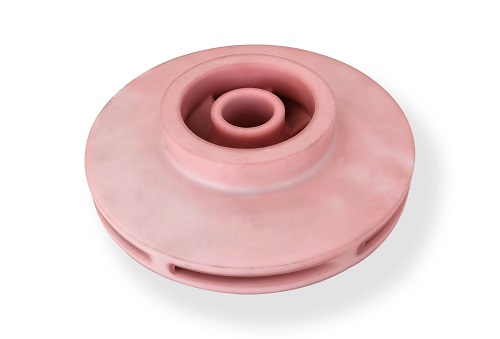
If you’ve ever asked about 3D-printed parts or how they change industries, this guide is for you. Additive manufactured parts are components made by 3D printing. They build up material layer by layer. This is different from traditional methods that cut away material from a solid block. This process lets designers make complex shapes, cut waste, and speed up production.
Key takeaways
- Let’s start with the basics. Additive manufacturing (AM) is often called 3D printing.
- Additive manufactured parts are not just a trend. They solve real problems for businesses and designers.
- Additive manufactured parts use many materials. Each has its own strengths and uses. The material choice depends on the part’s purpose.
- Additive manufactured parts are used in almost every industry. Below are the 4 sectors where they make the biggest impact.
What Are Additive Manufactured Parts?
Let’s start with the basics. Additive manufacturing (AM) is often called 3D printing. It builds parts by laying down material one thin layer at a time. Each layer is a cross-section of the final part. When stacked, they make a working component.
This is very different from traditional methods. Machining, casting, or forging start with a big piece of material. They cut away excess to get the shape you want. Additive manufacturing only uses the material needed for the part.
Key Terms to Know
To avoid confusion, here are common terms you’ll hear:
- FDM (Fused Deposition Modeling): The most common 3D printing method for consumers. It melts plastic filament and squeezes it out layer by layer.
- SLS (Selective Laser Sintering): Uses a laser to fuse small plastic, metal, or ceramic particles into a solid shape.
- SLA (Stereolithography): Uses a UV laser to harden liquid resin into solid layers.
- Binder Jetting: Puts a liquid binder on a bed of powder (metal, sand, or plastic) to stick particles together.
A Real-World Example
Take a small aerospace company needing a custom drone bracket. With traditional machining, they order a metal block. They program a machine to cut away excess. They wait weeks for the part. Much of the metal becomes waste.
With additive manufacturing, they 3D print the bracket from a digital file. It takes 24 hours. They use only the material needed. The result? A lighter, stronger part. It costs 50% less. The drone gets to market faster.
Why Choose Additive Manufactured Parts?
Additive manufactured parts are not just a trend. They solve real problems for businesses and designers. Below are the top 5 benefits that make them a top choice across industries.
1. Design Freedom for Complex Shapes
Traditional manufacturing struggles with intricate designs. Undercuts, hollow structures, or organic shapes (like bones) need multiple parts or expensive tools.
Additive manufacturing removes this barrier. You can print parts with internal channels, lattice structures, or moving components in one piece.
Case Study: Nike’s Flyprint running shoe upper uses SLS 3D printing. The lattice structure is 40% lighter than traditional woven materials. It still provides support. This complexity is impossible with traditional methods.
2. Reduced Waste and Lower Costs
Subtractive manufacturing can create up to 90% waste. For example, machining a metal part from a solid block wastes most material.
Additive manufacturing uses only the material needed. It cuts waste to as little as 5%. This saves money on raw materials. It also reduces environmental harm.
Additive manufacturing also eliminates expensive molds or tools. For small-batch production (like custom medical devices), it cuts costs by 30-50% vs. traditional methods.
3. Faster Production Times
Waiting for molds or tools can take weeks or months. With additive manufacturing, you go from digital design to finished part in hours or days.
This is critical for industries where speed matters. Aerospace needs quick repairs to keep planes flying. Healthcare needs fast custom implants for patients.
Data Point: A 2024 Deloitte report says companies using additive manufacturing for prototyping cut lead times by 70% on average vs. traditional methods.
4. Lightweight Parts Without Losing Strength
Additive manufacturing lets designers make lattice structures. These are patterns of small, connected beams. They are lightweight but very strong.
This is key for aerospace and automotive. Reducing weight improves fuel efficiency or performance.
Example: GE Aviation used additive manufacturing for a jet engine fuel nozzle. It is 25% lighter than the traditional version (made from 20 parts). It is 5x more durable. This single part saves GE over $3 million yearly in production costs.
5. Customization at Scale
Traditional manufacturing makes customization expensive. Each new design needs new tools. Additive manufacturing lets you customize parts easily by adjusting the digital file.
This is a game-changer for healthcare (custom prosthetics), consumer goods (personalized phone cases), and even food (3D-printed chocolate).
Example: Stryker, a medical device company, uses additive manufacturing for custom hip implants. Each implant fits a patient’s unique body. This cuts recovery time and improves long-term results. Before additive manufacturing, custom implants took months. Now, they take 3-5 days.
What Materials Are Used?
Additive manufactured parts use many materials. Each has its own strengths and uses. The material choice depends on the part’s purpose. Does it need to be strong, flexible, heat-resistant, or safe for the body?
Common Materials Breakdown
| Material Type | Examples | Best For | Key Properties |
|---|---|---|---|
| Plastics | PLA, ABS, PETG, Nylon | Prototypes, consumer goods, lightweight parts | Low cost, easy to print, good for non-structural use |
| Metals | Titanium, Aluminum, Stainless Steel | Aerospace, automotive, medical implants | High strength, heat-resistant, durable |
| Resins | Photopolymer resins | Detailed parts (jewelry, dental models) | High precision, smooth surface |
| Ceramics | Alumina, Zirconia | High-temperature parts (engine components) | Heat-resistant, chemical-resistant, body-safe |
| Composites | Carbon fiber-reinforced plastic (CFRP) | High-strength, lightweight parts (drone frames) | Stronger than plastic, lighter than metal |
Professional Insight
When choosing a material, think about the part’s end use. For high-temperature parts (like engine components), use metal or ceramic. For prototypes, PLA (biodegradable plastic) is cost-effective.
Where Are They Used?
Additive manufactured parts are used in almost every industry. Below are the 4 sectors where they make the biggest impact.
1. Aerospace and Defense
Aerospace was one of the first industries to use additive manufacturing. Its parts are lightweight (cutting fuel costs) and quick to make (critical for repairs).
Common aerospace uses include:
- Fuel nozzles (GE Aviation’s example above)
- Engine brackets
- Satellite components (lightweight and durable)
Data Point: The Aerospace Industries Association says 70% of new aircraft designs include at least one additive manufactured part.
2. Healthcare
Healthcare benefits most from additive manufacturing’s customization. It makes parts that fit each patient perfectly.
Common healthcare uses include:
- Custom prosthetics (tailored to size and needs)
- Dental implants (made from body-safe metals like titanium)
- Surgical tools (quickly printed for specific procedures)
- Experimental 3D-printed organs
Case Study: A UK patient needed a custom skull implant after tumor removal. Doctors used 3D printing to make an exact match. Traditional methods could not do this. The surgery succeeded, and recovery time was cut in half.
3. Automotive
Automotive uses additive manufacturing for prototyping and production. Prototyping lets designers test new parts fast (like dashboard components).
For production, it makes custom parts for high-performance or electric cars (EVs). Lightweight parts improve EV battery life.
Common automotive uses include:
- EV battery housings (lightweight and durable)
- Custom interior parts (personalized steering wheels)
- Prototypes for new car models (cuts development time by months)
4. Consumer Goods
Additive manufactured parts are becoming common in everyday items. They offer custom designs at lower costs.
Examples include:
- 3D-printed jewelry (custom designs cheaper than traditional making)
- Personalized phone cases (with photos or logos)
- 3D-printed furniture (unique, lightweight designs)
- 3D-printed food (chocolate or pasta with custom shapes)
What Challenges Do They Face?
Additive manufactured parts have many benefits. But they also have challenges. Knowing these helps you decide if 3D printing is right for your project.
1. High Upfront Costs
Consumer 3D printers (for plastic parts) cost as little as $200. But industrial-grade printers (for metal or ceramic) cost $100,000 or more. This makes it hard for small businesses to adopt for large production.
2. Slow for Large Volumes
Additive manufacturing is fast for small batches or prototypes. But it’s slower than traditional methods (like injection molding) for large production.
For example, you can print 10 plastic parts in a day. Injection molding can make 10,000 parts in the same time.
3. Material Limitations
The range of materials is growing. But it’s still smaller than traditional methods. Some high-performance metals are hard to 3D print. Materials like glass are still experimental.
4. Quality Control Issues
Making every additive manufactured part consistent is hard. Temperature, humidity, and printer calibration affect the final part.
This is critical for healthcare or aerospace. Part failure can have serious results.
Solution: Many companies use software to monitor 3D printing in real time. They catch errors before they ruin the part. Standards groups like ASTM International have created quality control rules.
What’s Next for Additive Manufactured Parts?
The future of additive manufactured parts is bright. New technologies and uses emerge every year. Below are 3 trends to watch.
1. Larger and Faster Printers
Demand for additive manufactured parts is growing. Companies are making larger printers. They can make big parts like car bodies or airplane wings.
Faster printers handle large-scale production. For example, Carbon (a 3D printing company) made a printer 100x faster than traditional FDM printers.
2. New Materials
Researchers are making new materials for additive manufacturing. Exciting developments include:
- Biodegradable plastics (for eco-friendly consumer goods)
- Self-healing materials (parts fix themselves if damaged)
- Conductive materials (for 3D-printed electronics like sensors)
3. On-Demand and Distributed Manufacturing
Imagine printing parts on demand, wherever you are. No more waiting for shipping. This is distributed manufacturing.
Companies use small 3D printing facilities instead of big factories. This cuts shipping costs, waste, and wait times.
Example: The US Army tests “mobile 3D printing labs.” They print parts (like vehicle components) in remote areas. Soldiers don’t wait for shipments. They make parts on-site, saving time and improving readiness.
Additive manufactured parts have changed how we make things. They offer design freedom, less waste, faster production, and customization. They are used in aerospace, healthcare, automotive, and consumer goods.
While challenges like cost and material limits exist, new technologies are solving them. The future will bring larger printers, better materials, and on-demand production.
Whether you’re a small business owner, designer, or industry pro, additive manufacturing can help you stay competitive. It’s not just a technology—it’s a way to build better, faster, and more sustainably.
How to write a spec that gets priced correctly
A drawing is a contract. If it leaves a number open, the shop fills that number in with its own default. The default is rarely the one you had in mind. Put these five lines on every RFQ and most of the back-and-forth disappears before it starts.
- File format and units, with the model exported in millimetres
- Process and material grade, not a trade name
- Critical features and the tolerance each one needs
- Surface finish and the faces it applies to
- Quantity for the pilot build and for the year
The point is not paperwork. Each line removes a decision the shop would otherwise make for you. A complete RFQ comes back priced. An incomplete one comes back guessed.
What actually drives the price
Buyers usually push on material because it is the line they can see. In practice the material is rarely the biggest number on a quote. These five lines decide most of it:
- build volume and orientation
- layer height and support structure
- material grade and colour
- post-processing and hand finishing
- quantity per build plate
Ask for the quote split by line. A supplier who cannot break it down is guessing, and you will pay for the guess. The line you can usually renegotiate is the tolerance band, not the raw material.
Problems you will meet, and the fix
Every process has a failure mode it prefers. The same four show up again and again on this kind of work, and none of them are mysteries once you know what to look for.
- Warping on long flat faces where the part lifts off the plate
- Layer lines showing through a cosmetic surface
- Support scars on a mating face nobody flagged
- Dimensional drift on thin walls after cooling
Catch the fault on the first part, not the hundredth. A first-article check costs an hour. A bad batch costs the whole order. Write the check into the purchase order so nobody has to remember it.
What to check on the first article
The first article is the cheapest inspection you will ever buy. Use it properly and the rest of the run becomes boring, which is exactly what you want.
- Every dimension on the drawing, with the measured value written beside it.
- The material certificate, matched to the heat or lot number on the parts.
- The finish against the sample you approved, under the same light.
- Fit against the mating part, assembled rather than measured.
- Packaging, because parts that arrive damaged were never in tolerance.
Check in this order: datums, then mating features, then cosmetic faces. If the datums are wrong, every number after them is noise. Keep the report on file. When a problem shows up in month six, that document is the only thing that tells you what changed.
FAQ About Additive Manufactured Parts
Are additive manufactured parts as strong as traditional parts? Yes—depending on material and process. Metal parts (SLS or binder jetting) are as strong as machined parts. Titanium SLS parts have a tensile strength of 900 MPa, same as forged titanium. Plastic parts are less strong but good for non-structural use.
How much does an additive manufactured part cost? Cost depends on material, size, and complexity. A small plastic prototype costs $5. A large metal part costs $1,000+. Small-batch production is cheaper than traditional methods. Large-scale production is cheaper with traditional methods like injection molding.
Can additive manufactured parts be recycled? Yes—many materials are recyclable. PLA is biodegradable. Nylon can be melted and reused. Metal powder from SLS printers can be recycled (mixed with new powder). Some resins are hard to recycle, so check material properties first.
How long does it take to make one part? Time depends on size, complexity, and printer speed. A small plastic part takes 1-2 hours. A large metal part takes 24-48 hours. Post-processing (sanding, heat treatment) adds time but is still faster than traditional methods for small batches.
Is additive manufacturing good for mass production? It depends on volume. For 10,000+ parts, traditional methods are faster and cheaper. For 100-1,000 parts or custom parts, additive manufacturing is better. As printers get faster, it will become more common for mass production.
Our solution for Additive Manufactured Parts
YiguProto runs 3D printing in house, from a single prototype to a production batch. We quote the process, the material and the finish as separate lines, so you can see where the money goes instead of arguing with one number.
Send a STEP file or a drawing and you get a DFM report in one to two business days. It flags the features that add cost and the features that will not hold tolerance on the process you picked.
Every order ships with an inspection report on the features you call out. If a part misses, we make it again. Ready to price a part? Start with a free quote and DFM review, or read more about our 3D printing. You can also talk to an engineer before you commit to a drawing.
FAQ about Additive Manufactured Parts
How do I compare two quotes fairly?
Match the scope first: same drawing, same material, same finish, same inspection. Then read the exclusions. Freight, tooling and certificates are the usual gaps, and a low number with three gaps is not a low number.
What is Additive Manufactured Parts used for?
Additive Manufactured Parts turns up wherever the part has to do a real job at a predictable cost: brackets, housings, fixtures, covers and the fittings that hold them together. The honest test is whether the properties match the load and the environment, not whether the material is fashionable.
Can Additive Manufactured Parts be made in small quantities?
Yes, and small quantities are where a good supplier earns the next order. Setup dominates the price at low volume, so the cheapest route is usually the one with the fewest operations, not the cheapest material.
What material should I specify?
Specify by standard, not by trade name. A trade name can change under you between two orders; a standard number cannot. Then add the one property that actually decides the part, whether that is strength, heat resistance or chemical exposure.
What happens if a part is out of specification?
We measure it against the same drawing you approved and, if it misses, we make it again. What matters is that the report exists, because a disagreement without data is just an opinion.
What should I check before approving the parts?
Datums first, then the features that mate, then the cosmetic faces. Ask for a dimensional report, a material certificate and a finish sample. A part can be inside every tolerance and still not fit, so assemble one before you sign.
The short version
Additive Manufactured Parts rewards the buyer who reads the data sheet and the drawing together. Pick the option for the property that matters, not for the price per kilo.
Tighten only what mates. Test a sample before the run. Then let the process do the rest.